Table of Contents >> Show >> Hide
- Quick Jump
- The 9 Lampshade Types (and What They’re Good At)
- 1) Empire Shade (the classic taper)
- 2) Drum Shade (the modern cylinder)
- 3) Bell Shade (traditional + cozy)
- 4) Coolie Shade (wide, shallow cone)
- 5) Square or Rectangular Shade (clean and tailored)
- 6) Oval Shade (the “I need clearance” hero)
- 7) Pagoda Shade (tiered, tailored, statement-making)
- 8) Pleated Shade (texture that reads “collected”)
- 9) Stained Glass (Tiffany-inspired and unapologetic)
- How to Choose the Right Lampshade
- Step 1: Pick the fitter first (so the shade can actually attach)
- Step 2: Get the proportions right (the “golden rules” that save you)
- Step 3: Match shape to base (then break the rule on purpose, not by accident)
- Step 4: Choose material and color based on what you want the light to do
- Step 5: Sanity-check safety and function
- Common Lampshade Mistakes (and the Fast Fix)
- FAQs
- Real-World Experiences: What People Learn After Swapping Lampshades
- Wrap-Up
Lampshades don’t get enough credit. They’re basically tiny lighting managers: they soften glare, aim light where you want it, hide the “hardware situation,” and quietly decide whether your room feels like a cozy living space or an interrogation room. If you’ve ever bought a shade that looked perfect online and then arrived looking like a top hat on a golden retriever… you’re not alone.
This guide breaks down nine common lamp shade types (shape + style), then walks through a practical, no-drama method to pick the right onebased on size, fitter, material, and how you actually use the lamp.
The 9 Lampshade Types (and What They’re Good At)
“Type” can mean shape, construction, or material. In real homes, people mix all three. The key is knowing what each option does to the look and the light.
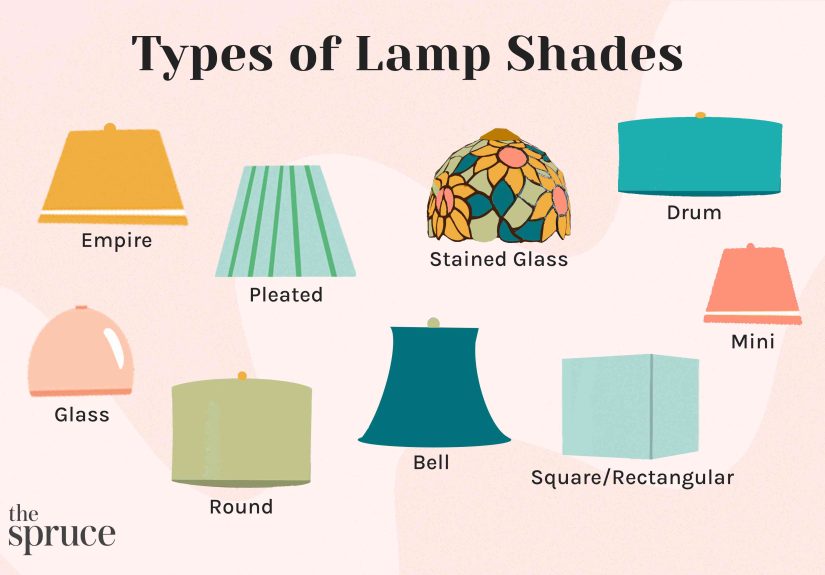
1) Empire Shade (the classic taper)
The empire shade is the iconic “tapered” look: smaller at the top, wider at the bottom. It’s timeless, works with traditional and modern bases, and usually looks “right” even when you’re not sure what you’re doing (a rare gift in life).
- Best for: table lamps, floor lamps, wall sconces
- Light effect: warm and balanced; typically good ambient light with some downward spill
- Style note: great when you want the base to feel elegant or “finished”
Example: An urn-shaped ceramic lamp on a living room side table almost always looks better with an empire shade than a super-modern square shade. It’s like matching sneakers to a suitsometimes it works, but don’t start there.
2) Drum Shade (the modern cylinder)
Drum shades have a cylindrical shape with a similar top and bottom diameter. They’re a go-to for midcentury, modern, transitional, and anywhere you want clean lines without looking cold.
- Best for: table lamps, floor lamps, pendants, semi-flush fixtures (depending on fitter)
- Light effect: lots of usable light; tends to glow evenly around the room
- Style note: makes a lamp feel “architectural” and a little more current
Example: A brass column lamp with a drum shade instantly reads “intentional,” like someone planned the room instead of assembling it during a weekend panic.
3) Bell Shade (traditional + cozy)
Bell shades flare at the bottom with a curved profile. They feel traditional and a bit romantic (in a “tea-and-a-book” way, not a “soap opera” way). Because the shape narrows near the socket, bell shades often send more light downward than sideways.
- Best for: traditional table lamps, accent lamps, “cozy corners”
- Light effect: more downward emphasis; softer glow around the sides
- Style note: great for warm, classic interiors; can look fussy on ultra-modern bases
4) Coolie Shade (wide, shallow cone)
Coolie shades look like a flattened conewide at the bottom, narrow at the top, usually with a shallower angle than an empire. They’re excellent when you want light to aim downward (task lighting vibes) while still looking stylish.
- Best for: reading lamps, desk-style table lamps, spots where you want directed light
- Light effect: concentrated downward pool; less “glow” around the room
- Style note: great on simple bases; also fun on quirky vintage shapes
Example: A lamp beside a reading chair? Coolie shade + warm LED bulb = “I have my life together” lighting.
5) Square or Rectangular Shade (clean and tailored)
Straight sides, crisp edges, modern attitude. Square and rectangular shades are especially useful when the lamp sits near a wall, or when the base has angles (square plinth, rectangular column, stacked cubes, etc.).
- Best for: bedroom nightstands, console tables, tight spots, modern interiors
- Light effect: bright and even; lots of usable light
- Style note: makes a traditional lamp feel updated fast
6) Oval Shade (the “I need clearance” hero)
Oval shades are great when space is limited front-to-back. They’re also a smart match for oval or rectangular bases. If your lamp sits on a narrow console or close to a wall, oval can look balanced without sticking out like a backpack on a subway.
- Best for: console tables, narrow nightstands, rectangular/oval lamp bases
- Light effect: similar to a drum/empire depending on taper; typically good ambient light
- Style note: practical and polishedan underrated combo
7) Pagoda Shade (tiered, tailored, statement-making)
Pagoda shades have a distinctive “tiered” or “roofline” profile, often associated with Asian-inspired design and classic interiors. They’re a strong style movelike wearing a bold jacket. The rest of the outfit (lamp base + room) needs to play nicely.
- Best for: lamps with Asian motifs, traditional spaces, statement pieces
- Light effect: depends on material; often creates a defined, decorative silhouette
- Style note: can elevate a plain base, but can also overwhelm if everything is already “busy”
8) Pleated Shade (texture that reads “collected”)
Pleated shades bring texture and a softer, more traditional feel. They’ve also had a comeback because they add depth without requiring you to repaint the whole room at 11 p.m. out of existential design doubt.
- Best for: traditional, vintage, cottage, grandmillennial, warm transitional spaces
- Light effect: soft diffusion; often glowy and flattering
- Style note: works especially well with ceramic, wood, and antique brass bases
9) Stained Glass (Tiffany-inspired and unapologetic)
Stained glass shades (often Tiffany-inspired) create a warm, colorful glow and a strong focal point. These are less “background décor” and more “the lamp is now a main character.”
- Best for: accent lighting, traditional interiors, vintage lovers, cozy dens
- Light effect: warm and tinted; mood lighting more than task lighting
- Style note: pairs best with simpler surrounding décor so it can shine (literally)
How to Choose the Right Lampshade
Step 1: Pick the fitter first (so the shade can actually attach)
Before you fall in love with a shade, check how it mounts. This is the “measure twice, cry zero times” step.
- Spider fitter: the most common for table and floor lamps; sits on a harp and is usually secured with a finial.
- UNO fitter: attaches directly to the socket (no harp); common on smaller lamps and swing-arm lamps.
- Clip-on fitter: clips directly onto the bulb; usually for small accent lamps and should be used with low-heat bulbs (LED is your friend).
- Screw-on fitter: threads onto the socket (less common, but still out there).
Step 2: Get the proportions right (the “golden rules” that save you)
There’s flexibility, but these guidelines prevent the most common “why does this look weird?” problems:
- Shade width: a reliable rule is that the shade’s widest diameter is about 2× the widest part of the lamp base. (If the base is 6 inches wide, aim around 12 inches wide for the shade.)
- Shade height: for many table lamps, shade height often lands around 2/3 the height of the lamp base (measured from the bottom of the base up to just below the socket). Another common guideline is that the shade is about 1/3 of the total lamp height when you include the bulb/harp in the overall height.
- Socket coverage: the shade should cover the socket/hardware so you’re not staring at lamp anatomy. Ideally, only a small amount of “neck” shows.
Step 3: Match shape to base (then break the rule on purpose, not by accident)
A straightforward approach: round base → round shade (drum, empire, bell, coolie), and square/rectangular base → square/rectangular or oval shade. Once you understand that, you can go rogue in a controlled way.
Examples that usually work:
- A round ginger jar base + empire shade = classic and balanced.
- A modern stacked-rectangle base + rectangular shade = crisp and tailored.
- An Asian-motif base + pagoda shade = a strong, cohesive design story.
- A simple, clean base + pleated shade = “new meets nostalgic,” in a good way.
Step 4: Choose material and color based on what you want the light to do
Lamp shades aren’t just décorthey’re light filters. Think about whether the lamp is for reading, ambiance, or “please make this corner less creepy.”
- Linen/cotton shades: soft diffusion, great everyday ambient light.
- Opaque/darker shades: moodier, more directional light (often brighter up/down, dimmer through the sides).
- White or light shades: brighter overall, more “room-filling” glow.
- Metal shades: highly directional, excellent for task lighting; less ambient softness.
- Glass shades: can be bright and exposed; choose a bulb that looks good because it will be visible.
- Stained glass: warm, tinted mood lighting; visual centerpiece.
Pro tip: If you hate glare but still want brightness, look for a lighter shade material with a subtle lining that diffuses light nicely.
Step 5: Sanity-check safety and function
- Heat: make sure the bulb isn’t too close to shade material. LED bulbs run cooler and are generally safer for smaller shades.
- Reading lamps: coolie or certain empire shapes can direct light downward where you need it.
- Ambient lamps: drum and lighter fabrics tend to glow more evenly.
- Small spaces: oval, rectangular, or shallower profiles can keep walkways and tabletops from feeling crowded.
Common Lampshade Mistakes (and the Fast Fix)
Mistake: The shade looks tiny and the base looks gigantic
Fix: go wider. A shade that’s roughly twice the base width is a strong starting point.
Mistake: You can see the socket, harp, and your regrets
Fix: increase shade height, adjust/replace the harp, or pick a fitter/drop that positions the shade lower.
Mistake: The lamp looks like it’s wearing a bucket hat
Fix: reduce shade height or switch to a more tapered shape (empire often helps).
Mistake: The light is dimmer than expected
Fix: choose a lighter shade color or a more translucent fabric, and use an LED bulb with appropriate lumens. Dark shades look dramatic, but they don’t magically create more light (sadly, neither does yelling at the lamp).
Mistake: The shade doesn’t fit the lamp
Fix: confirm the fitter type (spider/UNO/clip-on/screw-on) before buying. Fitters are not “close enough” compatible.
FAQs
How do you measure a lampshade?
Measure the top diameter, bottom diameter, height, and (for tapered shades) the slant. If you’re replacing an existing shade, measuring the current one is usually the easiest path.
What’s the easiest rule for choosing shade size?
If you only remember one guideline: aim for a shade that’s about 2× the width of the lamp base, and tall enough to cover the socket/hardware. Adjust from there based on style (modern/retro can play with proportions more).
What lampshade is best for a bedside lamp?
Drum, empire, oval, and rectangular shades are common winners. The best choice depends on space: oval/rectangular help in tight layouts, while drum gives a nice all-around glow.
How do you keep lampshades clean?
For fabric shades, dust regularly. A lint roller can help on many fabrics, and a gentle blow of air (carefully) can remove dust from seams. Always spot-test cleaning methods on an unseen area first.
Real-World Experiences: What People Learn After Swapping Lampshades
The funniest part about lampshade shopping is that it feels like it should be simpleuntil it’s not. In real homes, the “right” shade usually comes from a mix of measuring, visual balance, and a couple of “well… that didn’t work” moments. Here are some experience-based lessons that show up again and again.
One common scenario: a lamp that looks amazing in a store photo but weird at home because of scale. On a website, a shade might look perfectly proportional because the lamp is staged next to tall furniture, big art, and high ceilings. Then it arrives, and suddenly the shade looks too shortlike it’s crouching. The fix is usually boring but effective: go a little taller, and make sure the shade covers the socket and hardware. People are often surprised by how much more “expensive” a lamp looks when the shade height is correct and the top hardware isn’t visually shouting for attention.
Another real-life lesson: light quality matters more than shade beauty. A dark shade in a dramatic color can look incredible in daytime, then turn into a nighttime disappointment because the room feels dim. The lamp becomes mood lighting when it was supposed to be functional. Many people end up reserving dark shades for places where ambiance is the goallike a living room cornerwhile using lighter linens or whites where they need practical light, like a desk, bedside table, or a reading nook. In other words: pick the shade for the job, not just for the vibe.
There’s also the “my lamp is next to a wall” discovery. Round shades can look great, but in narrow spaces they may stick out too far and feel clunky. This is where oval or rectangular shades save the day. They keep the lamp’s footprint feeling slimmer without looking like a compromise. People who switch to oval shades for console tables often say it’s the first time that area feels clean and unclutteredlike the lamp belongs there instead of merely existing there.
A surprisingly common “aha” moment involves fitters. Someone buys a shade they love, then realizes the lamp doesn’t have a harp (or needs UNO), and the shade can’t be attached without extra parts or a different shade. After that happens once, most people become fitter detectives: they check spider vs. UNO vs. clip-on before they even look at colors. It’s not glamorous, but it prevents the classic “I have a beautiful shade and nowhere to put it” situation.
Finally, there’s the style lesson: the shade can “translate” a lamp into a different design era. Swap a sleek drum onto a traditional base and the lamp can feel more modern. Put a pleated shade on a simple base and suddenly it looks collected and cozy. Add a pagoda shade to an Asian-inspired lamp and it becomes a statement piece. People often expect a lampshade to be a minor detail, then realize it’s basically the lamp’s haircut. Same lamp, totally different personality. Once that clicks, lampshade shopping becomes less stressful and more funbecause it’s not about finding “the one” perfect shade forever, it’s about choosing the right shade for how the room needs to feel right now.
Wrap-Up
Picking a lampshade is part math, part mood, and part “does this lamp need to behave like a reading light or a background glow?” Start with the fitter, follow proportion guidelines, choose a shape that suits the base (or breaks the rule on purpose), and let material decide the light. Do that, and your lamp will stop looking like it borrowed someone else’s hat.