Table of Contents >> Show >> Hide
- What Is Okra, Exactly?
- Okra Nutrition at a Glance
- Science-Backed Health Benefits of Okra
- Possible Downsides and Who Should Be Cautious
- How to Buy, Store, and Prep Okra (Without the Slime)
- Easy Okra Recipe Tips
- Everyday Ways to Add More Okra to Your Meals
- Real-World Experiences: Living With More Okra on Your Plate
- Bottom Line
Okra has a bit of an image problem. Say the word and people instantly think “slimy.”
But this little green pod is quietly loaded with fiber, vitamins, antioxidants, and
a ton of kitchen potential. Treat it right and it’s less “slimy side character” and
more “main character energy” for your plate.
In this guide, we’ll walk through okra’s nutrition profile, science-backed health
benefits, who should be a little cautious, and plenty of simple recipe tips to help
you enjoy it without the gooey drama.
What Is Okra, Exactly?
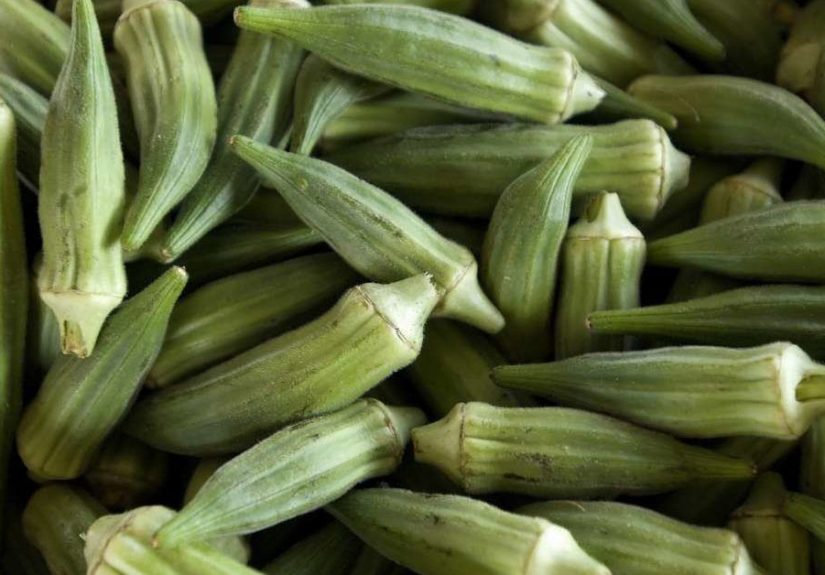
Okra (also known as lady’s finger or bhindi) is a warm-weather vegetable from the
mallow family, related to hibiscus and cotton. It’s long, ridged, and slightly fuzzy
on the outside with tiny edible seeds inside. When cooked, okra releases a thick
gel-like substance called mucilage. That’s the same stuff that gives gumbo its
signature silky bodyand also the reason some people think they “hate” okra.
You’ll usually see okra in:
- Southern U.S. dishes like gumbo and fried okra
- Caribbean stews and rice dishes
- Indian curries and stir-fries (bhindi masala, anyone?)
- Middle Eastern and North African tomato-based stews
Fresh okra is typically in season in the summer and early fall, but you can find
it frozen year-round.
Okra Nutrition at a Glance
Okra is a low-calorie vegetable with a surprisingly solid nutrient résumé. A
100-gram (about 1-cup) serving of raw okra provides roughly:
- Calories: ~33
- Carbs: ~7–8 grams
- Fiber: ~3 grams
- Protein: ~2 grams
- Fat: ~0.2 grams
- Vitamin C: about 26% of the Daily Value (DV)
- Vitamin K1: notable amounts
- Folate: important for cell growth and pregnancy
- Magnesium and potassium: helpful for muscle and heart function
- Calcium: a modest boost for bones
You get all of that for about the same calories as a handful of grapesand far
more fiber and micronutrients.
Fiber and Mucilage: Okra’s Secret Weapons
Okra’s mix of soluble and insoluble fiber is a big part of its health appeal. Soluble
fiber forms a gel in the gut that helps slow digestion, support blood sugar control,
and bind to cholesterol. Insoluble fiber adds bulk and supports regular bowel
movements. That famous “slime” (mucilage) is essentially concentrated soluble fiber.
Antioxidants and Plant Compounds
Okra is rich in polyphenols, including flavonoids and other antioxidants that help
neutralize free radicals and support your cells against oxidative stress. Some research
suggests these compounds may help protect your heart, brain, and metabolic health
over time.
Science-Backed Health Benefits of Okra
1. Supports Healthy Blood Sugar
Okra has a long history in folk medicine as a food for blood sugar balance, and modern
research is starting to catch up. Studies suggest that okra extracts and whole okra
can help lower fasting blood sugar and improve markers like HbA1c in people with
type 2 diabetes. The mucilage and fiber appear to slow carbohydrate absorption and
improve insulin sensitivity.
That doesn’t make okra a magic cure for diabetes, but it can be a smart part of a
blood-sugar-friendly eating plan when combined with balanced meals, movement, and
your provider’s guidance.
2. Heart and Cholesterol Support
Fiber is a known ally for heart health, and okra delivers a respectable amount per
serving. Some animal and human studies suggest that okra can help lower total and
LDL (“bad”) cholesterol, likely thanks to its soluble fiber and antioxidant content.
These nutrients can help reduce cholesterol absorption and support healthier blood
lipid levels over time.
Add in potassium and magnesium for blood pressure and you’ve got a vegetable that
pulls its weight in the cardiovascular department.
3. Digestive Health and Weight Management
With about 3 grams of fiber per cup and very few calories, okra is a gentle way to
add bulk and regularity to your digestion. Fiber helps:
- Promote regular bowel movements
- Feed beneficial gut bacteria
- Increase feelings of fullness between meals
All of these can support healthy weight management and a more comfortable digestive
system. Just remember to increase fiber gradually if your usual intake is low.
4. Helpful During Pregnancy
Okra is a good source of folate, an essential B vitamin that supports early fetal
development and helps reduce the risk of certain birth defects when consumed in
adequate amounts before and during pregnancy. It also provides vitamin C, iron, and
some calcium, which are all useful nutrients during this time.
5. Antioxidant and Anti-Inflammatory Potential
Polyphenols in okra may help reduce oxidative stress and low-grade inflammationtwo
factors linked to chronic diseases like heart disease and type 2 diabetes. Early
research also suggests possible anticancer activity of some okra compounds, though
this is still very preliminary and not a reason to skip medical treatment.
Possible Downsides and Who Should Be Cautious
1. Kidney Stones and Oxalates
Okra is relatively high in oxalates, compounds that can contribute to calcium oxalate
kidney stones in people who are prone to them. If you’ve had kidney stones before,
your healthcare provider may recommend moderating high-oxalate foods like okra and
pairing them with plenty of water and adequate calcium.
2. Digestive Sensitivity
Okra contains fructans, a type of carbohydrate that can trigger gas, bloating, or
diarrhea in some people with irritable bowel syndrome (IBS) or other gut conditions.
If you notice symptoms after eating okra, you may need to limit your portion size
or talk with a dietitian about how it fits into a low-FODMAP or IBS-friendly eating
plan.
3. Blood Sugar Medications
Because okra can influence blood sugar and carbohydrate absorption, there’s some
concern it might interfere with how certain diabetes medications work if consumed
in large amounts. If you’re on blood sugar–lowering drugs, it’s a good idea to let
your healthcare provider know if you’re planning to add a lot of okra or okra water
to your routine.
For most healthy people, though, moderate amounts of cooked okra are safe and highly
nutritious.
How to Buy, Store, and Prep Okra (Without the Slime)
Choosing the Best Pods
When shopping for okra:
- Look for small to medium pods (about 2–4 inches long) – they’re usually more tender.
- Choose pods that are bright green, firm, and free of dark spots or shriveling.
- Skip pods that feel woody or bend without snapping; they’re likely tough.
Storing Okra
Store fresh okra in a paper bag or wrapped loosely in a paper towel inside a
perforated plastic bag in the refrigerator. Use within 2–3 days for the best
texture and flavor. Avoid washing it until you’re ready to cookexcess moisture
encourages slime and spoilage.
Smart Prep Tips to Tame the Slime
Mucilage is part of okra’s charm in soups and stews, but if you prefer it less
gooey, try:
- High heat cooking: Roast, grill, or sauté over high heat so the exterior caramelizes quickly.
- Minimal cutting: Keep pods whole or slice them into larger pieces; more cuts = more exposed mucilage.
- Keep it dry: Pat pods dry before cooking and avoid overcrowding the pan.
- Add acid: Vinegar, lemon juice, or tomatoes can help reduce sliminess in some dishes.
- Use it strategically: Embrace the mucilage in dishes where you actually want thickening, like gumbo.
Easy Okra Recipe Tips
Crispy Roasted Okra “Fries”
This is one of the easiest ways to convert okra skeptics.
- Preheat the oven to about 400–425°F (200–220°C).
- Trim the stem tips, then halve pods lengthwise.
- Toss with olive oil, salt, pepper, and optional spices (smoked paprika, garlic powder, or cayenne).
- Spread in a single layer on a baking sheet.
- Roast 15–20 minutes, flipping once, until browned and crisp on the edges.
Result: toasty, snackable okra that feels more like fries than “vegetable homework.”
Charred Grilled Okra
Grilling okra brings smoky flavor and a pleasantly firm bite:
- Thread whole pods onto skewers or place them in a grill basket.
- Drizzle with olive oil and season with salt, pepper, and a pinch of cayenne if you like heat.
- Grill over medium-high heat until lightly charred on both sides, turning once.
Serve with a squeeze of lemon or a yogurt-based dipping sauce.
Comforting Okra Gumbo (Shortcut Version)
Traditional gumbo can be an all-day project, but you can make a weeknight-friendly
version:
- Start with a simple roux (oil + flour cooked until golden to deep brown).
- Add chopped onion, celery, and bell pepper (the “holy trinity”), plus garlic.
- Stir in sliced okra, diced tomatoes, stock, and your protein of choice (chicken, sausage, or shrimp).
- Simmer until the okra is tender and the broth is thick and flavorful.
Serve over rice and accept compliments graciously.
Quick Pickled Okra
Pickled okra is crunchy, tangy, and fantastic on charcuterie boards or as a snack.
- Pack whole, trimmed okra pods into clean jars with garlic, dill, peppercorns, and chili flakes.
- Bring equal parts vinegar and water to a simmer with salt and a little sugar.
- Pour the hot brine over the okra, cool, then refrigerate.
- Let it sit a few days before eating for the best flavor.
What About Okra Water?
Okra watermade by soaking sliced okra in water overnight and drinking the strained
liquidhas become trendy for blood sugar, gut health, and “detox.” Early research and
expert commentary suggest that okra’s fiber and antioxidants might support
blood sugar, cholesterol, digestion, and overall health, but the evidence is still
limited and mostly based on animal studies or small human trials.
If you like okra water and it fits your routine, it’s generally fine for most healthy
adultsbut it doesn’t replace medication, a balanced diet, or actual water. And if
you have diabetes, kidney issues, or IBS, check with your healthcare provider before
sipping it daily.
Everyday Ways to Add More Okra to Your Meals
You don’t have to commit to a giant pot of gumbo to enjoy okra. Try:
- Adding sliced okra to vegetable soups or stews to naturally thicken the broth
- Stir-frying okra with onions, tomatoes, and spices as a quick side dish
- Roasting okra alongside carrots, potatoes, or sweet potatoes
- Tossing grilled okra into grain bowls with quinoa, beans, and a tahini or yogurt dressing
- Using pickled okra as a crunchy, tangy snack or sandwich topping
Real-World Experiences: Living With More Okra on Your Plate
So what actually changes when you start cooking with okra regularly? Beyond the
science and nutrient charts, there’s the very real question: “Will I actually like
eating this… every week?”
The first big moment for a lot of people is getting over the texture. Maybe your
only memory of okra is a bowl of slightly slimy soup your grandmother insisted you
finish. When you roast or grill okra at high heat, though, it’s almost like meeting
a completely different vegetable. The pods get blistered and caramelized, the edges
crisp up, and suddenly you’re snacking on them straight off the pan like French fries
you don’t have to feel guilty about.
Another common experience: okra quietly becomes a “back-pocket” ingredient. You
might buy a bag of frozen sliced okra, toss it in the freezer, and forget about it.
Then one night you’re staring at a bland pot of tomato soup or lentil stew, and you
remember the okra. A handful goes in, the broth thickens, the texture turns silky,
and it feels like you suddenly leveled up your cooking skills without any extra work.
If you’re feeding kids (or adults who behave like kids around vegetables), okra
can be a surprisingly fun gateway veg. Roasted okra fries with a dipping sauce
(think ranch, yogurt dressing, or spicy mayo) let you serve something nutrient-dense
in a familiar “finger food” format. You get to say, “Yes, you can eat these with
your hands,” and watch their fiber intake go up without a fight.
People who pay attention to their blood sugar or cholesterol often find that okra
fits nicely into their routine because it’s so versatile. It works in traditional
Southern dishes, plant-based bowls, and even lighter Mediterranean-style menus.
Someone might do gumbo on Sunday, roasted okra with salmon and veggies on Tuesday,
and a veggie curry with okra and chickpeas on Friday. Each meal feels different,
but the same core ingredient keeps showing up quietly doing your cardiometabolic
health a favor in the background.
On a very practical level, okra is also budget- and storage-friendly. Fresh okra is
often inexpensive in season, and frozen okra is usually available at a low price
year-round. You don’t have to worry about peeling, seeding, or complicated prep.
Trim the stem ends, give it a rinse and a pat dry, and you’re ready to roast, grill,
stew, or stir-fry. When you’re trying to eat more vegetables without spending your
whole life chopping, that simplicity matters.
There’s also the fun of exploring different food cultures through okra. One week
you might try a simple Indian-inspired okra sauté with onions, tomatoes, and cumin.
Another week you might experiment with a Creole seasoning blend in your gumbo, or
make a bright tomato-and-okra stew inspired by West African cooking. Even if you
keep the recipes simple, you get variety in flavor and spices, which makes it easier
to stick with a veggie-rich way of eating long term.
Finally, when you eat okra regularly, you start to experience its benefits in a very
down-to-earth way. Maybe you feel a little more full and satisfied after meals
because of the fiber. Maybe your digestion seems more regular, or you notice your
blood sugar spikes are a bit gentler when you pair carbs with a fiber-rich veg like
okra. None of this is flashy or overnight-transformational, but it’s exactly the kind
of slow, steady support that adds up over time.
In short: living with more okra on your plate doesn’t mean signing up for a life of
slimy vegetables. It usually means discovering a crisp, flavorful, adaptable ingredient
that just happens to be very good for you.
Bottom Line
Okra is far more than its reputation. It’s a low-calorie, fiber-rich vegetable packed
with vitamin C, folate, antioxidants, and minerals that may support blood sugar, heart
health, digestion, and healthy pregnancy. While people with kidney stone history, IBS,
or diabetes medications should be a bit more cautious and talk with their provider,
most people can safely enjoy okra as part of a balanced diet.
Whether you roast it into crisp “fries,” grill it until charred and smoky, simmer it
in gumbo, or snack on it pickled, okra can be a fun, flavorful way to level up the
nutrition on your plateno slime jokes required.