Table of Contents >> Show >> Hide
- What the Orneko Food Bowl Stand Set Actually Is
- Why Bowl Height and Shape Matter More Than You Think
- The Orneko Advantage: Design That Also Functions Like a Tool
- How to Decide If This Set Fits Your Pet’s Eating Style
- Setup Tips: Make the Bowl Work Harder With Small Tweaks
- Cleaning and Care: Keep It Nice Without Babying It
- Elevated Bowls and Health Claims: A Practical, No-Hype Take
- Alternatives Worth Knowing (So You Buy With Confidence)
- FAQ: Quick Answers People Actually Want
- Closing Thoughts: A Bowl Set That Respects Your Pet and Your Home
- Real-World Experiences With the Orneko Food Bowl Stand Set (What Pet Parents Tend to Notice)
- 1) The “less crouching, more cruising” cat
- 2) The “why are you eating off the floor?” cat
- 3) The “wet food hygiene” reality check
- 4) The “my cat drinks more… maybe?” experiment
- 5) The “mess reduction… but not elimination” story
- 6) Multi-pet households: the politics of bowls
- 7) The “aesthetic joy” effect (yes, it counts)
Some pet bowls scream “I bought this at 2 a.m. during a panic scroll.” The Orneko Food Bowl Stand Set is the opposite:
it looks like something you’d happily leave out even when company’s coming over. But it’s not just a pretty faceraised bowls can
change the daily feeding routine in small, surprisingly meaningful ways (for pets and the humans who mop up after them).
In this guide, we’ll break down what the Orneko set is, why the details matter (materials, height, bowl shape), how to decide if it’s a
smart fit for your cat (or small dog), and how to avoid common “elevated bowl” mistakes. We’ll also end with a longer, real-life-style
experience sectionbecause bowls are one of those products that only reveal their personality after a few weeks of daily use.
What the Orneko Food Bowl Stand Set Actually Is
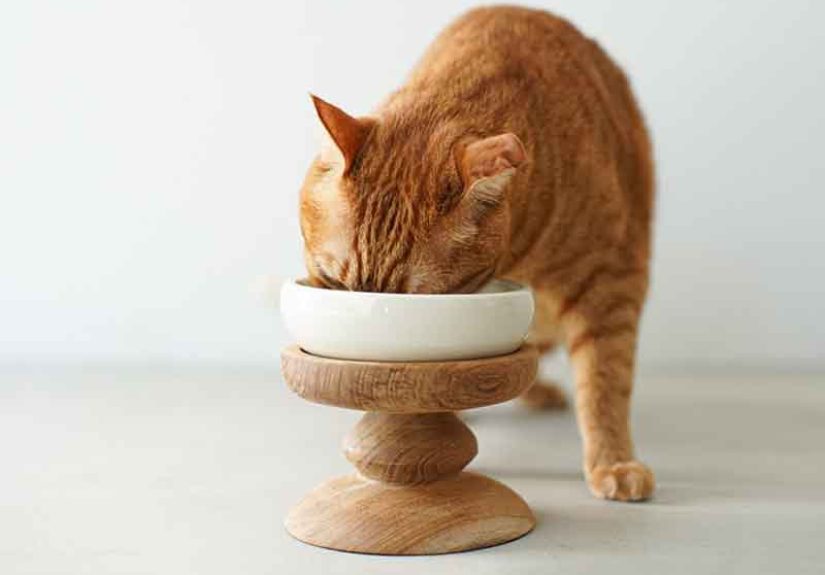
At its simplest: a teak wood stand paired with a porcelain bowldesigned so your pet eats a bit higher off the floor.
The set leans minimalist and design-forward, which is a fancy way of saying it won’t clash with your living room, even if your living room’s
vibe is “plants, neutral tones, and one suspiciously expensive chair nobody sits on.”
Materials and specs (the “will this fit my pet?” part)
- Stand material: Teak wood
- Bowl material: Porcelain (Mino ware)
- Stand size: about 14 cm diameter x 10 cm height (≈ 5.5″ wide x 3.9″ tall)
- Overall height with bowl: about 13 cm (≈ 5.1″ off the floor)
- Bowl size: about 14 cm diameter x 5 cm height (≈ 5.5″ wide x 2.0″ tall)
- Inner bowl area: about 12 cm diameter, ~4.7 cm depth (≈ 4.7″ wide, 1.85″ deep)
Translation: it’s a compact, elevated station that’s typically most comfortable for cats and smaller petsespecially those who seem
annoyed by deep bowls or who look like they’re doing a full-body yoga pose just to take a bite.
Why Bowl Height and Shape Matter More Than You Think
A pet bowl seems like the most boring purchase imaginableuntil you realize it affects posture, pacing, mess, and sometimes even how
willing a cat is to eat or drink. The “why” differs slightly for cats versus dogs, so let’s split the logic.
For cats: posture, comfort, and the “whisker drama” factor
Cats aren’t just being dramatic when they refuse a bowl that looks perfectly fine to you. Whiskers are sensitive sensory tools,
and repeated contact with the rim of a narrow/deep bowl can stress some cats out. That stress can show up as picky eating,
pawing food out, or eating from the floor like they’re making a point.
This is where a bowl that’s reasonably widepaired with a stand that brings the food closer to mouth levelcan help. The Orneko bowl’s
width (about 5.5″) and usable inner space (about 4.7″) puts it in the “not tiny, not platter-flat” zone: enough room for many cats
to eat without compressing their face into a narrow cup.
For cats that vomit sometimes: keep expectations realistic
Elevated bowls are often marketed as “anti-vomit.” In real life, it’s more nuanced. Some cats do better with a slightly raised position
because it reduces the crouching angle and may make eating feel smoother. But vomiting can have many causes (hairballs, speed eating,
sensitive stomachs, medical issues). A bowl can help with mechanics and comfort, but it can’t replace a vet visit if vomiting is frequent
or worsening.
For dogs: elevated bowls are useful… with one important caution
If you’re considering an elevated feeder for a dogespecially a large, deep-chested breedyou’ve probably seen mixed advice.
That’s because research and recommendations have been conflicting over the years. Some guidance suggests elevated bowls may help comfort;
other guidance warns they could be associated with risk in certain situations. The most responsible move is simple:
ask your veterinarian if an elevated bowl is appropriate for your specific dog (breed, size, health history, eating speed).
Practically speaking, the Orneko set’s height (about 5.1″) is usually in the “small pet” range rather than “Great Dane dinner table.”
So if you’re shopping for a big dog, this is more likely to become a stylish water bowl than a primary feeding station.
The Orneko Advantage: Design That Also Functions Like a Tool
Plenty of raised bowls exist. Many are plastic towers with stainless insertsfunctional, yes, but visually they can feel like a gym locker.
Orneko’s set lives in a different lane: it’s closer to home goods than pet aisle.
1) Teak stand: stable, simple, and naturally suited for daily life
Teak is often chosen for items that deal with moisture because it holds up well compared with many other woods. That doesn’t mean it’s
indestructible (water rings are still a thing), but it generally tolerates real-world use better than softer woods.
If you’ve ever owned a pet product that warped after three accidental splashes, you know why this matters.
2) Porcelain bowl: smooth surface, easy cleanup, food-friendly feel
Porcelain is a popular choice for pet bowls because it’s non-porous when properly glazed, tends not to hold odors, and cleans easily.
It’s also heavy enough to feel “planted,” which can reduce skidding compared with lightweight bowls that travel across the kitchen like
they’re late for a meeting.
3) A separated design that’s actually practical
Sets that permanently attach bowl-to-stand can be annoying to clean. The Orneko approachstand + removable bowlkeeps daily maintenance
sane: remove bowl, wash bowl, wipe stand, continue life.
How to Decide If This Set Fits Your Pet’s Eating Style
The best bowl is the one your pet will reliably use. Here’s a quick decision checklist based on common pet behaviors.
It’s a strong match if your cat (or small dog)…
- Seems uncomfortable crouchingolder cats, long-bodied cats, or pets with stiffness
- Paws food out and eats from the floor (sometimes linked to bowl shape/whisker sensitivity)
- Makes a mess from bowl slidingextra weight + a stand can help reduce travel
- Needs a “cleaner station” that keeps food slightly above dusty floor level
- Lives in a design-conscious home where you don’t want pet gear to dominate the room
You might pass (or rethink placement) if…
- Your pet is a hardcore splasherwater might still end up on the stand and nearby floor
- You need a very wide, platter-like bowl for extreme whisker sensitivity
- You have a giant breed dog and need much more height (and vet-guided decisions)
- You need dishwasher-everything convenience (wood stands usually want gentler care)
Setup Tips: Make the Bowl Work Harder With Small Tweaks
Use a matyes, even if the bowl is pretty
A thin silicone or textured mat under the stand helps with traction and protects your floor from drips. It also reduces the “tiny grit
under the stand” scratching issue that shows up in real homes with real crumbs.
Separate water and food if your cat is picky about drinking
Many cats drink more consistently when water is placed away from their food. If you’re using the Orneko set for meals, consider placing
a separate wide water bowl in another locationquiet, low-traffic, and easy to access.
Portion strategy: match bowl depth to the food type
- Wet food: spread it slightly rather than piling it up like a meatloaf mountain.
- Dry food: avoid overfillingcats often prefer a bowl where they can see and reach the food easily.
- Mixed feeding: rinse between wet and dry if meals happen in the same bowl; old wet residue can sour fast.
Cleaning and Care: Keep It Nice Without Babying It
Daily bowl hygiene (your low-effort, high-impact habit)
Any pet bowlregardless of priceshould be washed regularly. A quick daily wash prevents residue buildup and keeps odors from turning the
bowl into a weird science experiment. Porcelain generally cleans up easily with soap and warm water.
Wood stand care: wipe, don’t soak
Treat the teak stand like you’d treat a nice wooden kitchen tool: wipe spills quickly, avoid prolonged soaking, and let it dry thoroughly.
If you ever see water marks, don’t panicwood develops patina over time. The goal isn’t perfection; it’s “clean, safe, and not soggy.”
Elevated Bowls and Health Claims: A Practical, No-Hype Take
Pet products love to promise miracles. Let’s keep this grounded:
What elevated bowls can realistically do
- Improve comfort for some cats by reducing the crouch-and-crane posture
- Help some pets eat more calmly (less reaching, less awkward angle)
- Reduce bowl sliding and floor mess in many setups
- Support whisker comfort if the bowl is wide/shallow enough for the individual cat
What elevated bowls cannot guarantee
- They don’t “cure” vomitingespecially if the cause is medical, dietary, or hairball-related
- They don’t automatically prevent bloat (GDV) risk in dogsguidance is mixed and dog-specific
- They don’t replace slow feeders for pets that inhale food at Olympic speed
Alternatives Worth Knowing (So You Buy With Confidence)
If you’re cross-shopping, here are common alternatives people considerand why the Orneko set still stands out.
1) Wide, shallow “whisker fatigue” bowls
These are often inexpensive and effective for cats that hate deep rims. They typically sit on the floor, though some can be paired with
stands. If your cat is extremely whisker-sensitive, a wide shallow dish may be the first thing to trythen move to elevation if posture
seems like the bigger issue.
2) Big-box elevated ceramic bowls
Retailers sell raised ceramic bowls designed for “easy eating.” These can be a great budget test run to see if your cat actually prefers
elevation before you invest in a higher-end set. The trade-off is that many are shorter, lighter, or less stable than a dedicated stand.
3) Stainless steel insert sets
Stainless bowls are popular because they’re durable and easy to sanitize. Some sets come with adjustable height or multiple bowls for
food and water. The look can be more utilitarian, but they win on “toss it in the wash and move on with your day.”
FAQ: Quick Answers People Actually Want
Is the Orneko Food Bowl Stand Set better for cats or dogs?
It’s most naturally suited to cats and small pets because of its overall height and bowl dimensions. Small dogs can use it
too, especially as a water stationjust watch eating speed and talk to your vet if your dog has GDV/bloat risk factors.
Will it stop my cat from vomiting?
It may help some cats who vomit due to posture or fast eating mechanics, but vomiting is complex. If vomiting becomes frequent or your cat
seems unwell, treat the bowl as a comfort upgradenot a diagnosis.
Does it slide around?
The best move is a mat. Even a stable stand can slide on slick tile if your pet eats like they’re auditioning for a food tornado.
Is it worth it versus cheaper elevated bowls?
You’re paying for materials, aesthetics, and the “home object” feel. If you want an elevated feeding station that looks intentional in a
living space and is built from premium materials, it’s a strong contender. If you just want to test whether elevation helps your pet,
start cheaper and upgrade once you know your pet’s preference.
Closing Thoughts: A Bowl Set That Respects Your Pet and Your Home
The Orneko Food Bowl Stand Set sits in that sweet spot where design and function stop fighting and start cooperating.
The teak stand adds elevation without looking bulky, the porcelain bowl feels clean and classic, and the overall form says,
“Yes, my pet lives hereand yes, I still have taste.”
If your cat is picky, older, whisker-sensitive, or simply deserves a nicer dining situation than “plastic dish in the corner,”
this set is a thoughtful upgrade. Just keep your expectations realistic: it’s a comfort and lifestyle improvement, not a magic spell.
Real-World Experiences With the Orneko Food Bowl Stand Set (What Pet Parents Tend to Notice)
After the initial “wow, that looks good” moment, the real question is: what changes after a few weeks of daily use?
Here are common experience patterns pet owners report with elevated, wide-ish bowls and design-forward stands like the Orneko setwritten
as practical scenarios so you can see where you might land.
1) The “less crouching, more cruising” cat
Many cats don’t obviously complain about floor-level bowlsthey just subtly get weirder over time. They pause mid-meal, wander off,
return, paw at the edge, or eat half and then demand snacks as if you starved them for years. With a raised station, some cats settle into
a smoother flow: walk up, eat, walk away. The posture looks more naturalless neck craning, fewer shoulder hunches. If you’ve got a senior
cat or a long-bodied cat, this can be one of the first “oh… that’s better” changes you notice.
2) The “why are you eating off the floor?” cat
If your cat has ever scooped food out of a bowl and eaten it beside the bowllike a tiny, furry rebelbowl shape and whisker comfort may
be part of the story. Owners often describe switching to a wider bowl and seeing less “paw-and-eat” behavior. It’s not guaranteed, because
cats can also do this for texture preferences, dental discomfort, or pure eccentricity. But if your cat seems stressed at the bowl, a wider
rim and easier access can reduce that friction.
3) The “wet food hygiene” reality check
Elevated bowls make feeding feel nicer, but they also highlight routines. Wet food residue left too long will still smell like regret.
Most people who love elevated sets end up doing a simple rhythm: quick rinse immediately after meals, deeper wash later. The removable bowl
design matters herenobody wants to carry an entire stand to the sink twice a day. With a separate bowl, your cleanup stays reasonable,
and your feeding area looks intentionally tidy instead of “crime scene: tuna pâté.”
4) The “my cat drinks more… maybe?” experiment
Water behavior is notoriously hard to read. Some cats drink more from a wide bowl placed in a calm spot; others prefer fountains; others
only drink when you’re not looking (suspicious, but on brand). A common experience is that owners start paying closer attention once they
upgrade the station: they notice how often the water gets dusty, how quickly it warms, whether the bowl location feels exposed, and whether
the rim bothers whiskers. Even if the Orneko set becomes primarily a food bowl, many owners end up pairing it with a separate wide water
bowl in a different areabecause hydration habits often improve with placement as much as with the bowl itself.
5) The “mess reduction… but not elimination” story
A raised stand can reduce the classic bowl skid, which helps with scattered kibble. But some cats fling wet food like they’re seasoning the
floor. In those cases, the win isn’t “no mess,” it’s “contained mess.” A simple mat under the stand often becomes the unsung hero. Owners
who stick with elevated sets tend to build a tiny feeding ecosystem: stand + mat + regular wipe-down. The station stays nicer, longer.
6) Multi-pet households: the politics of bowls
If you have multiple pets, a premium bowl station sometimes becomes “the good bowl,” and suddenly everyone wants it. Owners often solve
this in one of two ways: (1) they assign the elevated station to the pet who benefits most (senior cat, picky eater), and keep others on
standard bowls, or (2) they create zonesseparate feeding areas to reduce competition and stress. Elevated bowls can be especially helpful
for cats who don’t like being approached while eating, because a dedicated station feels more defined and “theirs.”
7) The “aesthetic joy” effect (yes, it counts)
Here’s the honest truth: sometimes the biggest daily benefit is that you stop resenting the look of pet gear in your home. A well-designed
feeding station feels calmer. You’re less likely to shove bowls into a corner “so nobody sees them,” which can actually help pets feel more
secure while eating. Owners frequently describe a subtle shift: they keep the area cleaner, refresh water more often, and feel like the pet
setup is part of the home rather than clutter you tolerate.
In other words, a bowl set like this doesn’t just feed your petit can gently upgrade the whole routine. And if you’ve ever stepped on a
rogue kibble in the dark, you already know: routines are where quality of life is secretly hiding.