Table of Contents >> Show >> Hide
- Why a Drexel Buffet Is Worth Saving
- Why Chalk Paint Works So Well on a Sideboard
- Before You Paint: Ask Three Important Questions
- How to Paint a Drexel Buffet/Sideboard With Chalk Paint
- How to Make the Finished Piece Look High-End
- Common Mistakes to Avoid
- Where a Painted Drexel Sideboard Works Best
- What the Experience of Painting One Really Feels Like
- Final Thoughts
- SEO Tags
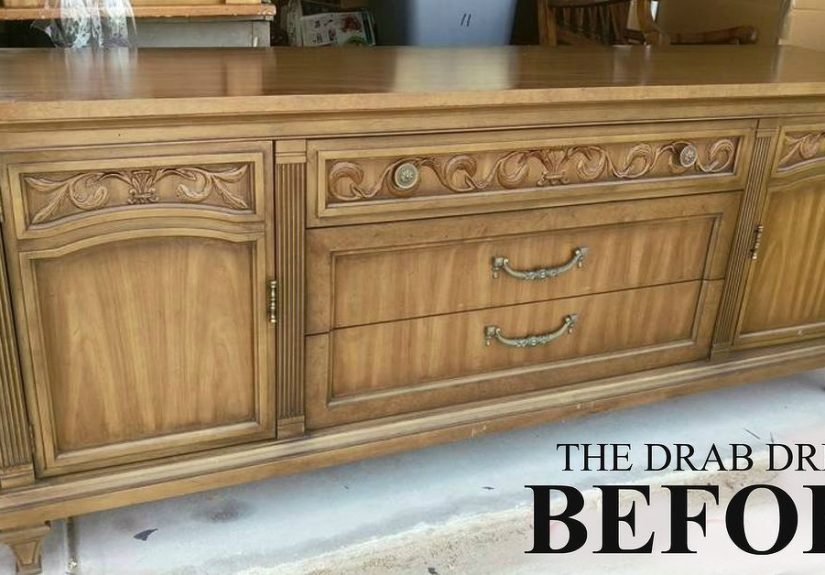
Some furniture pieces whisper, “Please style me.” A drab old Drexel buffet usually says something more dramatic, like, “I have excellent bones, but I currently resemble a tax office waiting room.” The good news is that a well-made sideboard does not need a miracle. It needs vision, a little patience, and the kind of chalk paint makeover that turns heavy, dated furniture into a piece that looks collected, intentional, and just smug enough to impress your guests.
Painting a Drexel buffet or sideboard with chalk paint is one of the smartest ways to update a vintage piece without getting buried in a full-strip refinishing marathon. Chalk paint is popular for a reason: it is beginner-friendly, forgiving, and ideal for furniture that needs a fresh start. On a buffet, it can soften an overly dark finish, modernize fussy lines, and highlight the details that were hiding under decades of brown-on-brown gloom.
This is not about slapping white paint on Grandma’s furniture and calling it farmhouse chic. It is about making thoughtful choices so a once-drab Drexel piece feels stylish, durable, and right at home in a modern American interior. Whether your sideboard is headed for the dining room, entryway, living room, or coffee bar duty, here is how to bring it back to life without making it look like a rushed weekend regret.
Why a Drexel Buffet Is Worth Saving
Drexel furniture has long had a reputation for solid construction, classic proportions, and designs that can swing from traditional to mid-century depending on the collection. That matters, because a cheap big-box sideboard may survive three holiday dinners and one accidental chair collision. A vintage Drexel buffet often survives decades, a move or two, and at least one relative who believed coasters were a government conspiracy.
That said, not every piece should be painted automatically. If your buffet has a rare design, a gorgeous original walnut or mahogany veneer, or collector appeal in excellent condition, preserving the wood may be the better move. But when the finish is badly worn, too orange, too dark, too scratched, or simply wrong for your home, paint becomes a practical and stylish rescue plan.
That is where chalk paint earns its keep. It lets you update a quality vintage piece while keeping the character, storage, and craftsmanship that made it worth bringing home in the first place.
Why Chalk Paint Works So Well on a Sideboard
Chalk paint became a furniture-DIY favorite because it gives a matte, velvety finish and usually requires less prep than standard paint systems. On a buffet or sideboard, that matters because these pieces often have carvings, trim, curved fronts, doors, drawers, and enough little crevices to make a full sanding job feel like community service.
What makes chalk paint a good fit
- It adheres well to many previously finished surfaces.
- It works beautifully for vintage, modern rustic, transitional, and even cleaner contemporary looks.
- It can be applied with a brush for texture or slightly thinned for a smoother finish.
- It pairs well with wax or durable topcoats depending on how the piece will be used.
- It makes color changes dramatic fast, which is exactly what a tired sideboard needs.
Still, “less prep” does not mean “no common sense.” A buffet lives in the splash zone of real life: fingerprints, food grease, dust, furniture polish residue, and mystery grime that seems to appear only when you start painting. Chalk paint is forgiving, but it is not magic. The best results happen when you treat prep as your friend rather than your enemy.
Before You Paint: Ask Three Important Questions
1. Is the structure solid?
Open every drawer. Check the doors. Look for loose veneer, wobble, cracked trim, or missing hardware. Paint improves appearance, not structural integrity. If the piece is falling apart, fix that first.
2. Is the top in decent shape?
Many of the best buffet makeovers keep the top stained wood while painting the body. That mix looks custom, expensive, and less flat than painting everything one solid color. If the top veneer is attractive and salvageable, consider preserving it.
3. How will the piece be used?
A sideboard that stores linens in a guest room can get away with a softer wax finish. A dining room buffet that will host serving dishes, glasses, and the occasional sweating lemonade pitcher needs a tougher protective topcoat. Your finishing choice should match real life, not fantasy life.
How to Paint a Drexel Buffet/Sideboard With Chalk Paint
Step 1: Remove hardware and clean like you mean it
Take off the knobs, pulls, hinges, and any decorative hardware you can remove easily. Label everything in little bags so you do not end up playing “which screw belongs to which door?” two days later.
Then clean the piece thoroughly. Use a degreaser or a good furniture-safe cleaner to remove wax, polish, kitchen residue, and dirt. This step is wildly unglamorous and annoyingly important. A gorgeous paint finish laid over old grime is basically a future peeling problem wearing nice shoes.
Step 2: Handle repairs before the pretty part
Fill dents, repair chipped veneer, tighten loose hardware, and glue anything that wiggles. If the sideboard has areas where wood tannins or old stains may bleed through light paint, a stain-blocking or shellac-based primer in problem spots can save you from the heartbreak of yellow or brown discoloration showing up later like a rude surprise guest.
Step 3: Scuff sand only where needed
Yes, chalk paint is known for minimal sanding. No, that does not mean you should paint directly over a glossy, slick buffet top that feels like a bowling alley lane. A light scuff sanding with fine or medium grit paper helps with adhesion, smooths rough patches, and knocks down flaky old finish. Think “gentle encouragement,” not “strip it to the Stone Age.”
Step 4: Choose a color that respects the piece
The best chalk paint colors for a sideboard usually fall into a few winning camps: warm white, soft black, charcoal, muted sage, greige, smoky blue, or deep navy. These colors modernize vintage furniture without turning it into a trend casualty.
Here are a few combinations that consistently work:
- Soft black + original brass hardware: dramatic, classic, and impossible to make boring.
- Warm white + wood top: bright, tailored, and perfect for a dining room or entry.
- Sage green + antique brass: earthy and updated without screaming for attention.
- Moody navy + clean-lined styling: ideal for making a traditional piece feel younger.
- Greige + subtle distressing: safe in the best possible way.
Step 5: Apply thin, even coats
Use a quality brush for details and a small foam roller or smooth roller for flatter panels if you want a more refined finish. Two thin coats usually beat one thick coat every time. Thick coats can create drag marks, weird texture, and that unmistakable “I got impatient at 8:45 p.m.” look.
If you want a smoother modern finish, slightly dilute the chalk paint according to the manufacturer’s guidance and work in controlled sections. If you want more texture and old-world charm, use the brush more freely. Both can look good. The key is choosing one finish intentionally instead of accidentally inventing a new category called “uneven panic texture.”
Step 6: Distress with restraint
Light distressing can be beautiful on a vintage Drexel buffet, especially around edges, feet, and raised details. Heavy distressing everywhere can quickly make the piece look theatrical. A sideboard does not need to look like it survived a shipwreck to appear charming.
Use fine sandpaper after the paint dries and focus on natural wear areas only. If the original wood tone peeking through adds warmth and authenticity, great. If it starts looking like you attacked the buffet with resentment, stop.
Step 7: Seal it for the way you actually live
Wax gives chalk paint that classic soft sheen and touchable finish people love. It is especially good when you want a traditional or slightly aged look. But for a hardworking buffet or sideboard, especially one in a dining room or kitchen-adjacent space, a more durable topcoat may make better sense.
A tough clear topcoat helps protect against water rings, smudges, and regular wear. That matters on a buffet top, where every holiday somehow ends with a hot dish, a damp glass, and one relative setting down a serving spoon directly on the surface like chaos is a hobby.
How to Make the Finished Piece Look High-End
Reuse original hardware whenever possible
Original Drexel hardware can be one of the best features of the piece. Clean it, polish it, darken it, or refresh it depending on the look you want. Swapping beautiful original pulls for generic hardware is often the furniture version of replacing a vintage leather jacket zipper with glitter ribbon. Technically possible. Spiritually upsetting.
Consider a two-tone treatment
Painted body, stained wood top. Painted exterior, contrasting interior. Dark base, lighter drawers. These small shifts create depth and keep a large sideboard from looking blocky.
Style it with intention
Once painted, style the top with balance: a lamp, a tray, stacked books, ceramic pieces, framed art, or a tall vase. You are not trying to hide the furniture under decorations. You are proving it has reentered polite society.
Common Mistakes to Avoid
- Skipping the cleaning step: paint hates grease.
- Ignoring veneer damage: paint does not make lifting veneer disappear.
- Using one heavy coat: this almost always looks worse.
- Forgetting the topcoat: especially risky on functional surfaces.
- Over-distressing: subtle wins more often than “barnacle chic.”
- Choosing a color for social media instead of your room: your buffet has to live with your walls, floors, and lighting, not just your camera app.
Where a Painted Drexel Sideboard Works Best
A chalk-painted Drexel buffet is more versatile than many people expect. In a dining room, it works as classic storage and serving space. In an entryway, it becomes a statement console. In a living room, it can anchor a television or media setup. In a kitchen-adjacent nook, it makes a fantastic coffee bar or baking station.
That is part of the appeal. You are not just improving old furniture. You are creating a custom-looking storage piece with history, personality, and far more substance than most flat-pack alternatives.
What the Experience of Painting One Really Feels Like
There is a specific emotional arc to painting a dreary vintage buffet, and it usually begins with optimism. You spot the Drexel sideboard online or at a thrift store and think, “Oh, that has potential.” What you actually mean is, “This thing is huge, dark, slightly depressing, and somehow I am now emotionally responsible for it.” So you drag it home, stare at it in your garage or dining room for a day or two, and begin the process.
The first lesson is that cleaning old furniture is always more dramatic than expected. You start with a rag and mild confidence. Ten minutes later, the cloth is brown, the hardware is greasy, and you are wondering whether the previous owner stored roast chicken directly on the top for a decade. It is humbling, but also satisfying. Every wipe reveals the truth: the piece was never hopeless, just buried.
Then comes the decision-making stage, which is where a lot of sideboard makeovers either become brilliant or become cautionary tales. The color feels incredibly important because it is incredibly visible. A buffet is not a tiny stool you can hide in a corner if the paint goes wrong. It is a large, bossy piece of furniture. Choosing soft black, warm white, sage, or navy can feel like choosing a new personality for your dining room. That sounds dramatic because it is dramatic.
Once painting starts, most people discover that chalk paint is both forgiving and slightly addictive. The first coat looks patchy and unconvincing, and you immediately wonder whether you have ruined a perfectly decent antique. Then the second coat goes on, the color deepens, the details sharpen, and suddenly the buffet looks intentional. It stops reading as old furniture and starts reading as a design choice. That moment is the reward. It is the furniture equivalent of a haircut that finally lands right after the blow-dry.
There is also a strange amount of joy in hardware. Reinstalling original brass pulls on a freshly painted piece feels disproportionately exciting. You hold one up against the new finish and think, “Well, hello there.” It is a tiny detail, but it often makes the whole makeover click. The right hardware keeps the piece from looking generic and reminds you why vintage furniture has so much more personality than brand-new mass-market storage pieces.
The final experience is less about paint and more about payoff. A finished Drexel sideboard changes the room around it. It brightens dark corners, adds storage, and makes the space feel more layered and personal. Better yet, it gives you that rare DIY satisfaction of having done something practical and beautiful at the same time. You did not just decorate. You rescued a useful piece, adapted it to your style, and kept something well-made in circulation. Not bad for a project that started with a drab buffet and a slightly reckless amount of confidence.
Final Thoughts
Painting new life into a drab Drexel buffet or sideboard with chalk paint is one of those projects that delivers more than a color change. It gives an old piece renewed purpose, helps a room feel more curated, and proves that vintage furniture does not need to stay stuck in its original finish to remain valuable or beautiful. With smart prep, a thoughtful color choice, and a finish that fits real use, a once-tired sideboard can become one of the most charming pieces in your home.
And that, frankly, is the magic of a good furniture makeover. A dreary buffet walks in looking forgotten. A stylish, functional statement piece walks out. Same furniture. Better destiny.