Table of Contents >> Show >> Hide
- What Is a Pallet Wall or Reclaimed Wood Wall?
- Why Homeowners Love Reclaimed Wood Walls
- Pallet Wood vs. Professionally Sourced Reclaimed Wood
- Safety First: Not Every Board Deserves Indoor Stardom
- Where a Reclaimed Wood Wall Works Best
- How to Plan a Great-Looking Pallet Wall
- Installation Tips That Save Time and Sanity
- Design Ideas for Different Looks
- Common Mistakes to Avoid
- Maintenance and Long-Term Care
- Why the Look Still Works So Well
- Experience Notes: What People Commonly Learn From a Pallet Wall Project
If plain drywall makes your heart yawn, a pallet wall or reclaimed wood accent wall can wake up a room fast. It adds texture, warmth, history, and just enough rugged charm to make guests say, “Wow, this place has character,” instead of, “Wow, this room sure does contain four walls.” That is the magic of reclaimed wood. It looks lived-in in the best possible way.
But before you start dragging random pallets into your house like a rustic raccoon, there is a right way to do this. A beautiful reclaimed wood wall is part design move, part prep job, and part detective work. You need to think about safety, moisture, color variation, installation, and whether the boards actually belong on a wall instead of in a bonfire pile behind a warehouse.
This guide breaks down what pallet walls and reclaimed wood walls are, why people love them, when they work best, and how to pull one off without turning your living room into a lumber-themed regret. Whether you want a cozy farmhouse look, a modern rustic backdrop, or a subtle organic texture, reclaimed wood can absolutely deliver.
What Is a Pallet Wall or Reclaimed Wood Wall?
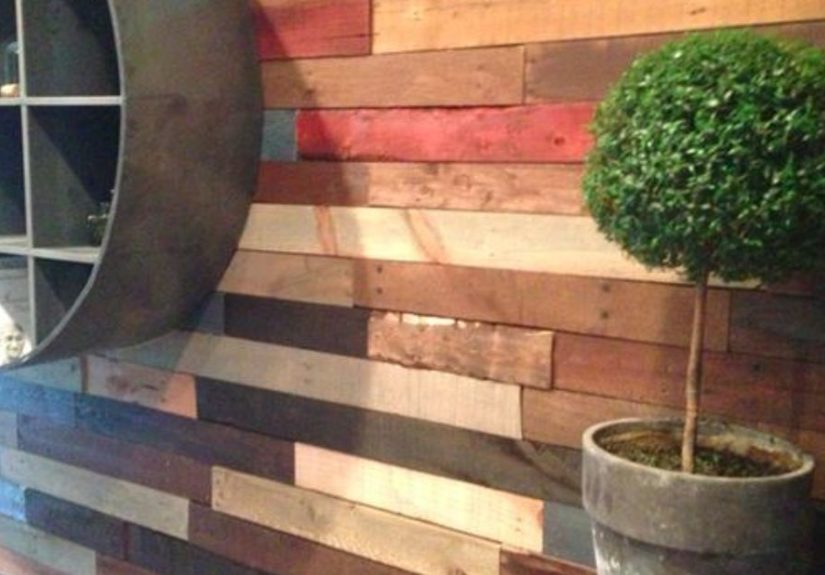
A pallet wall is exactly what it sounds like: a wall covered in boards that come from shipping pallets or are styled to look that way. A reclaimed wood wall is the broader, more flexible cousin. It can be made from salvaged barn wood, old flooring, deconstructed lumber, wood from warehouses, crates, fencing, or professionally milled reclaimed planks designed for interior use.
The terms often overlap, but they are not identical. Pallet wood usually refers to boards originally used in shipping and storage. Reclaimed wood is a larger category that includes many kinds of previously used lumber. In real-life decorating, both options create a textured wall with visible grain, knots, nail marks, weathering, and color variation that new boards often struggle to imitate.
The appeal is not perfection. It is personality. A reclaimed wood wall looks better when it has a little history written all over it.
Why Homeowners Love Reclaimed Wood Walls
They Add Instant Warmth
Wood softens a room in a way paint rarely can. Even a small accent wall can make a bedroom feel cozier, a living room feel richer, or an office feel less like a sad holding cell for email.
They Bring Texture Without Visual Chaos
When you want more depth but do not want a loud mural or trendy wallpaper that may age badly, reclaimed wood is a smart middle ground. It adds movement and contrast while still feeling natural.
They Work With Multiple Styles
Yes, reclaimed wood is a natural fit for farmhouse and cabin-inspired spaces. But it also works in modern rustic, industrial, organic modern, Scandinavian, and even minimalist rooms when the tones are controlled. A charcoal-toned reclaimed wall can look sleek. A light driftwood wall can look airy. A mixed-tone wall can feel collected and artistic.
They Make One Wall Do a Lot of Heavy Lifting
If your room feels flat, a feature wall can become the focal point behind a bed, sofa, fireplace, desk, or TV. That means the rest of the room can stay simpler. In design terms, that is called balance. In budget terms, that is called thank goodness.
Pallet Wood vs. Professionally Sourced Reclaimed Wood
This is where romance meets reality.
True pallet wood can be cheap or even free, but it usually costs more in time, cleanup, and frustration. You may need to disassemble pallets, pull nails, cut around cracks, sand rough edges, and sort through warped boards. It can be rewarding if you enjoy DIY work and do not mind a little sweat equity.
Professionally sourced reclaimed wood is more expensive, but it is usually cleaner, drier, safer, and easier to install. Many products come pre-milled, kiln-dried, de-nailed, and ready for the wall. That means fewer surprises and less time whispering threats at a pry bar.
If you want maximum authenticity and do not mind the prep, pallet wood can be great. If you want the look with fewer headaches, buy reclaimed wall planks from a reputable source.
Safety First: Not Every Board Deserves Indoor Stardom
Be Careful With Unknown Pallets
Not all pallets are good candidates for interior decor. Some may have been exposed to moisture, pests, spills, oils, or other contaminants during shipping or storage. If a pallet smells strange, has dark stains, feels damp, shows mold, or looks like it has lived several dramatic lives, skip it.
Many DIYers look for pallet stamps and prefer heat-treated boards over questionable, unmarked wood. Still, even a marked pallet can be a bad choice if it is dirty, damaged, or has been stored in nasty conditions. A safe-looking stamp does not magically erase a mystery spill.
Watch for Old Paint and Finishes
If your reclaimed wood comes from older buildings, trim, siding, or painted boards, be cautious. Wood from pre-1978 homes may contain lead-based paint. Sanding, cutting, or disturbing old finishes can create hazardous dust. If you are not certain what is on the wood, treat it with care and use proper testing and safety procedures before turning it into indoor decor.
Inspect for Nails, Staples, and Metal Fragments
Reclaimed lumber loves a surprise. Hidden nails, staples, screws, and broken fasteners can wreck tools and ruin your mood. Scan every board carefully before cutting, sanding, or installing. If you bought reclaimed wood from a reputable dealer, much of this work may already be done. If you sourced it yourself, assume every plank is hiding a tiny ambush.
Dry Wood Wins
Wood that still holds too much moisture can warp, shrink, twist, or separate after installation. For indoor walls, dry, acclimated material is your friend. Let boards sit in the room for a bit before installing so they can adjust to the indoor environment. It is not glamorous, but neither is rebuilding a wall because your planks decided to become abstract sculpture.
Where a Reclaimed Wood Wall Works Best
A reclaimed wood wall shines when it is used with purpose. Good places include:
Bedrooms
Behind the headboard is a classic move. The wall becomes a built-in visual anchor, and the room feels warmer without needing much extra decor.
Living Rooms
Behind a sofa or around a fireplace, reclaimed wood creates a focal point that can ground the whole layout.
Home Offices
A wood wall behind a desk adds visual depth and can make video calls look a lot more intentional and a lot less “I shoved a chair against the nearest blank wall.”
Entryways
Even a small section of reclaimed wood can add big personality near the front door.
Basements, Bars, and Nooks
These spaces often need help in the warmth department. Reclaimed wood does not fix everything, but it can make a basement look more like a lounge and less like a place where old holiday decorations go to retire.
How to Plan a Great-Looking Pallet Wall
Choose One Wall, Not All the Walls
Wood walls are bold. That is the point. One accent wall usually creates enough drama without making the room feel heavy. In smaller rooms, too much reclaimed wood can shift from cozy to cave-like very quickly.
Sort Your Boards Before Installation
Lay everything out on the floor first. Mix tones, lengths, and textures until the arrangement looks balanced. Avoid clustering all the dark boards in one corner or all the smooth ones in one strip unless that is your deliberate design plan.
Decide on Your Finish Level
Do you want rough and rustic, lightly sanded and matte, or clean and polished? Your answer affects how much sanding, sealing, and trimming you need to do. Some people love saw marks and old nail holes. Others want history without splinters. Both are valid lifestyles.
Think About Outlets, Switches, and Edges
A reclaimed wall looks best when trim details are handled cleanly. Plan cuts around outlets, corners, windows, and baseboards. The difference between “custom” and “chaotic” often lives in these small decisions.
Installation Tips That Save Time and Sanity
Start With a Flat, Sound Surface
Your wall does not need to be flawless, but it should be stable and reasonably flat. Large bumps or damage can make plank installation messy.
Find the Studs
If you are using nails or screws, locate studs before installation. Adhesive may help in some projects, but mechanical fastening usually adds confidence, especially with heavier material.
Stagger Seams
A staggered layout looks more natural and prevents awkward visual lines. Think of it like styling a charcuterie board. You want variation, not a rigid grid of identical rectangles unless that is specifically the look you are chasing.
Step Back Often
Install a few rows, then step back and look. This is the moment when you catch overly repetitive color groupings or that one board that suddenly looks orange for no good reason.
Seal Only If the Look Calls for It
Some reclaimed walls look best raw and matte. Others benefit from a clear finish that cuts dust and deepens color. If the wall is in a kitchen, entryway, or other hardworking area, a protective finish can make cleaning easier.
Design Ideas for Different Looks
Modern Rustic
Use boards in medium brown and gray tones with clean furniture and simple lighting. Let the wall be the texture while the rest of the room stays streamlined.
Farmhouse Classic
Choose weathered planks with visible knots and white, cream, or black accents around them. This works well behind beds and fireplaces.
Organic Modern
Try lighter reclaimed wood with a softer grain pattern. Pair it with warm whites, rounded furniture, linen textiles, and minimal decor.
Industrial
Mix darker wood with black metal, brick, or concrete tones. This look works especially well in loft-like spaces or home offices.
Common Mistakes to Avoid
One mistake is choosing boards only because they are free. Free wood that needs endless repair can become expensive in time and effort. Another mistake is skipping the cleaning and drying stage. Rustic is not the same thing as dirty. Yet another is over-sanding. If you sand every board into smooth sameness, you may lose the very character that made reclaimed wood special in the first place.
A final mistake is installing a wood wall with no design plan for the rest of the room. The wall should support the space, not hijack it. If everything else in the room fights for attention, the result can feel busy instead of beautiful.
Maintenance and Long-Term Care
Reclaimed wood walls are fairly low maintenance once installed. Dust them occasionally with a dry cloth, duster, or vacuum brush attachment. Avoid soaking the surface. If the planks are sealed, light spot cleaning is easier. If they are unfinished, be gentler and keep moisture to a minimum.
Check once in a while for movement, especially if the wall went up in a room with changing humidity. A little seasonal personality is normal. Dramatic gapping or warping is a sign that the wood was too wet, the room is too humid, or the installation method was not ideal.
Why the Look Still Works So Well
Pallet walls and reclaimed wood walls continue to stay popular because they solve two decorating problems at once. They add visual interest, and they make a room feel more human. The boards are imperfect, and that is exactly why they feel inviting. In a world full of slick finishes and flat-pack sameness, reclaimed wood reminds people that materials can age, wear, and still look fantastic.
Done well, a reclaimed wood wall is not just trendy. It is timeless with a little grit on its boots.
Experience Notes: What People Commonly Learn From a Pallet Wall Project
One of the funniest things about a pallet wall project is how innocent it looks at the beginning. You see a finished photo online and think, “A few boards on a wall. How hard could it be?” Then the real experience begins. First comes sourcing. That alone teaches you a lot. Some pallets look perfect from ten feet away and horrifying from two feet away. Others seem promising until you flip them over and discover broken slats, embedded staples, or stains that practically scream, “Please do not make me part of your bedroom.”
Then comes the cleanup stage, also known as the moment many people realize reclaimed wood is earned, not granted. Pulling nails is slower than expected. Sanding takes longer than planned. Dust appears in quantities that suggest you may actually be refinishing an entire barn. But somewhere in that process, people start noticing the good stuff too. Every board is different. One has a deep grain pattern. Another has weathered gray edges. Another has old saw marks that suddenly make the whole project feel real and original instead of mass-produced.
During layout, the project gets surprisingly creative. Homeowners often spread the boards across the floor and start arranging colors like they are putting together a puzzle with no picture on the box. This is usually when the wall stops being “a DIY job” and starts becoming design. You realize one dark plank can anchor a whole section. A lighter board can keep the pattern from looking too heavy. A knotty piece can become the star of the entire wall. It is part craftsmanship, part styling, and part standing in silence while squinting.
The installation itself tends to bring a mix of satisfaction and mild chaos. The first row feels crucial. The second row feels hopeful. By the third or fourth row, most people either hit a groove or start negotiating with inanimate objects. Still, the reward comes fast. Once a section of wall is covered, the room changes almost immediately. It feels warmer, more layered, and more intentional. Even a room with ordinary furniture starts to look designed rather than merely assembled.
Another common experience is learning that reclaimed wood changes how you see imperfections. Small cracks, old nail holes, and uneven edges stop looking like flaws and start looking like proof of life. That shift is part of the appeal. A pallet wall teaches patience, but it also teaches a new design instinct: not everything beautiful has to look fresh from a factory. In fact, sometimes the best-looking board in the whole room is the one that made you hesitate at first.
By the end of the project, most people come away with the same conclusion. They may complain about the prep, the dust, the sorting, and the number of times they had to re-measure around an outlet, but they still love the finished wall. It gives the room a story. And unlike trendy decor that can feel temporary, reclaimed wood usually feels more personal with time. That is why so many pallet wall projects start as a budget experiment and end as the favorite feature in the house.