Table of Contents >> Show >> Hide
- Parkinson’s in Plain English: What’s Happening?
- Core Parkinson’s Symptoms: The Big Buckets
- 1) Motor Symptoms (Movement-Related)
- Bradykinesia: Slowness (and “Smallness”) of Movement
- Tremor: The “Shaking at Rest” Many People Think Of
- Rigidity: Stiffness That Doesn’t Negotiate
- Gait and Balance Changes
- Freezing of Gait
- 2) Non-Motor Symptoms (Often Underestimated)
- Sleep Changes
- Smell Loss (Hyposmia/Anosmia)
- Constipation and Other Autonomic Symptoms
- Mood, Anxiety, and Apathy
- Thinking Changes
- Pain, Fatigue, and Sensory Symptoms
- Early Signs vs. “Diagnosis-Ready” Signs
- How Parkinson’s Is Diagnosed: No Single Test, Mostly Great Detective Work
- Step 1: A Detailed History
- Step 2: Neurological Exam (Where the Clues Get Loud)
- Step 3: Looking for Supportive Features (and Red Flags)
- Step 4: Tests That Help (Mostly by Ruling Things Out)
- Brain Imaging (MRI or CT)
- Lab Tests
- DaTscan (Dopamine Transporter Imaging)
- Emerging Biomarker Tests (Promising, Still Evolving)
- Conditions That Can Look Like Parkinson’s
- How to Prepare for a Parkinson’s Evaluation
- What Happens After Diagnosis?
- Experiences: What Parkinson’s Symptoms and Diagnosis Can Feel Like (Real-World, Not a Textbook)
- Conclusion
Medical note: This article is for education, not personal medical advice. If you’re worried about symptoms, a clinician (often a neurologist, ideally a movement-disorders specialist) can help sort out what’s going on.
Parkinson’s in Plain English: What’s Happening?
Parkinson’s disease (PD) is a progressive neurological condition best known for changing how a person movesbut it’s not “just” a movement disorder. PD happens when certain brain cells that help coordinate movement (especially in circuits that use dopamine) become impaired over time. When those circuits don’t communicate smoothly, movements can get slower, smaller, stiffer, and less automatic. That’s why things you used to do on autopilotswinging your arms while walking, blinking regularly, turning in bedmay suddenly require actual effort (rude, right?).
Importantly, Parkinson’s looks different from person to person. Some people have a clear tremor early. Others never develop a prominent tremor at all. Many people notice non-movement symptoms (sleep changes, constipation, mood shifts) long before anyone says the word “Parkinson’s.”
Core Parkinson’s Symptoms: The Big Buckets
1) Motor Symptoms (Movement-Related)
Motor symptoms are the classic “headline” features. Clinicians pay close attention to these because they’re central to making the diagnosis.
Bradykinesia: Slowness (and “Smallness”) of Movement
Bradykinesia means more than just moving slowly. In Parkinson’s, movements often become smaller and may fade with repetitionlike your fingers get tired of being fingers halfway through buttoning a shirt. People may describe:
- Taking longer to start moving or to finish routine tasks
- Smaller handwriting (micrographia) that shrinks as you write
- Less facial expression (“masked” face) or reduced blinking
- A softer voice (hypophonia) or speech that sounds monotone
Tremor: The “Shaking at Rest” Many People Think Of
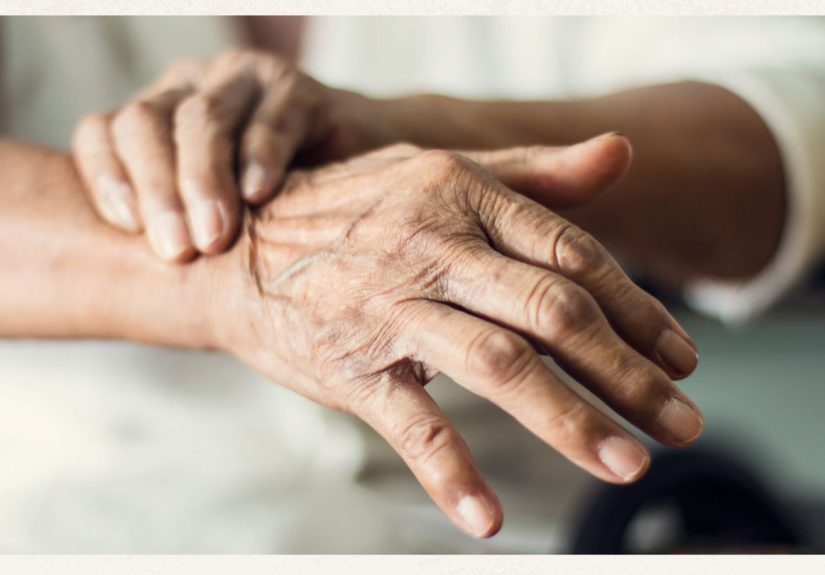
Parkinson’s tremor often starts on one side, commonly in one hand, and is typically most noticeable when the hand is resting (for example, sitting on your lap). It may lessen when you reach for something or use your hand. Not everyone with Parkinson’s has tremor, and tremor can also come from other conditionsso it’s a clue, not a verdict.
Rigidity: Stiffness That Doesn’t Negotiate
Rigidity is muscle stiffness that can make the arms, legs, neck, or trunk feel tight or achy. Some people notice shoulder pain or a “frozen” arm swing before they notice obvious slowness. Clinicians may feel a smooth, steady resistance (sometimes described as “lead-pipe” rigidity) when gently moving a relaxed limb.
Gait and Balance Changes
Walking can become more shuffling, with shorter steps and reduced arm swing. Turning may take multiple steps (“turning like a cautious robot”). Balance issues often develop later, but everyone’s timeline differs.
Freezing of Gait
Freezing is exactly what it sounds like: your feet feel “glued” to the flooroften when starting to walk, turning, or entering tight spaces (like doorways). It can be scary, but it’s also a recognizable pattern that clinicians take seriously.
2) Non-Motor Symptoms (Often Underestimated)
Non-motor symptoms are extremely common in Parkinson’s and can affect quality of life as much assometimes more thanmovement symptoms. They can appear early, even years before a formal diagnosis.
Sleep Changes
- REM sleep behavior disorder (RBD): acting out dreams (talking, punching, kicking) rather than staying still during REM sleep
- Insomnia, frequent waking, restless sleep
- Daytime sleepiness or sudden “sleep attacks” (sometimes medication-related)
Smell Loss (Hyposmia/Anosmia)
A reduced sense of smell can show up early. Many people chalk it up to allergies, aging, or that one time they “definitely didn’t need” a COVID test (kiddingplease test when appropriate).
Constipation and Other Autonomic Symptoms
The autonomic nervous system handles background tasks you never asked forblood pressure, sweating, digestion, bladder function. In Parkinson’s, this system can be affected, leading to:
- Constipation
- Lightheadedness on standing (orthostatic hypotension)
- Urinary urgency or frequency
- Sexual dysfunction
- Sweating changes
Mood, Anxiety, and Apathy
Depression and anxiety can appear early and are not “just a reaction” to diagnosis. Apathy (low motivation) is also common and can be misunderstood as lazinesswhen it’s actually a brain-based symptom. (Your brain is not being dramatic; it’s being neurologic.)
Thinking Changes
Some people notice slowed thinking, trouble multitasking, or word-finding issues. Cognitive symptoms vary widely. They may be mild for many years, or become more significant later in the disease.
Pain, Fatigue, and Sensory Symptoms
Muscle pain, cramps, shoulder discomfort, restless legs, and deep fatigue can all be part of Parkinson’s. These symptoms are real and deserve attentionbecause “toughing it out” is not a medical plan.
Early Signs vs. “Diagnosis-Ready” Signs
Parkinson’s often has a prodromal phasemeaning symptoms can show up before the hallmark movement features are clearly present. Sleep behaviors (like RBD), constipation, smell loss, and mood changes may appear years earlier. But here’s the tricky part: those early symptoms are common in other situations too. So clinicians usually need a pattern over time, plus clear movement findings, before they can confidently label it Parkinson’s disease.
How Parkinson’s Is Diagnosed: No Single Test, Mostly Great Detective Work
Despite what we all want (a simple “yes/no” blood test), Parkinson’s is currently diagnosed clinically: by history + neurological exam. Tests may support the diagnosis or rule out look-alike conditions, but they don’t usually “prove” Parkinson’s on their own.
Step 1: A Detailed History
A clinician will ask about:
- When symptoms began and how they’ve changed
- Whether symptoms started on one side
- Tremor patterns (rest vs action)
- Walking changes, falls, freezing, handwriting changes
- Sleep, bowel habits, mood, smell, dizziness on standing
- Medication list (some drugs can cause parkinsonism)
- Family history and relevant exposures
Step 2: Neurological Exam (Where the Clues Get Loud)
During the exam, the clinician looks for parkinsonism, a syndrome defined by bradykinesia plus either rest tremor or rigidity. They’ll often assess:
- Finger tapping and hand opening/closing (speed and “fade”)
- Wrist and elbow tone (rigidity)
- Tremor at rest and with posture
- Gait: stride length, arm swing, turning, shuffling
- Balance reactions (postural stability)
- Facial expression, voice volume, blink rate
Step 3: Looking for Supportive Features (and Red Flags)
Clinicians also consider features that raise confidence (like a strong response to dopamine-based medication) and “red flags” that suggest an alternative diagnosisespecially early severe balance problems, prominent early autonomic failure, unusual eye movement issues, or rapid progression. This step matters because several other disorders can mimic Parkinson’s, especially early on.
Step 4: Tests That Help (Mostly by Ruling Things Out)
Tests may be ordered depending on the story and exam. Common examples:
Brain Imaging (MRI or CT)
Standard brain scans usually don’t show “Parkinson’s” directly. Instead, they help rule out other causes of symptoms, such as strokes, tumors, normal pressure hydrocephalus, or significant vascular changes.
Lab Tests
Blood work may be used to check for thyroid issues, vitamin deficiencies, metabolic problems, or other conditions that can contribute to movement or cognitive symptomsespecially when the presentation is atypical.
DaTscan (Dopamine Transporter Imaging)
A DaTscan can show whether dopamine-related signaling in a key movement pathway is reduced. It can’t single-handedly diagnose Parkinson’s disease, but it can be helpful when the main question is: “Is this essential tremor, or is this a parkinsonian syndrome?” Think of it as a helpful supporting witness, not the judge and jury.
Emerging Biomarker Tests (Promising, Still Evolving)
Researchers and clinicians are working on biomarker-based ways to identify Parkinson’s biologyparticularly tests related to abnormal alpha-synuclein. Some specialized tests (for example, using spinal fluid or skin nerve samples) may help in select cases or in research settings. But for most people today, diagnosis still rests on clinical evaluation and follow-up over time.
Conditions That Can Look Like Parkinson’s
Several issues can mimic Parkinson’s symptoms, especially early. A careful clinician will consider possibilities such as:
- Essential tremor: typically action tremor (during movement), often affects both hands, may involve head/voice tremor
- Drug-induced parkinsonism: can occur with certain medications (some antipsychotics and anti-nausea drugs, among others)
- Atypical parkinsonian syndromes: such as multiple system atrophy (MSA) or progressive supranuclear palsy (PSP), which can have different “red flag” patterns
- Vascular parkinsonism: due to multiple small strokes; gait may be especially affected
- Normal pressure hydrocephalus: gait changes plus urinary issues and cognitive symptoms
This is one reason follow-up matters. Symptoms can evolve, and the diagnosis may become clearer with time.
How to Prepare for a Parkinson’s Evaluation
If you’re heading to an appointment, bring:
- A timeline of symptoms (even a short list is helpful)
- A full medication and supplement list
- Examples of daily tasks that have changed (buttoning, writing, turning in bed, walking in crowds)
- Videos (with permission) of tremor, freezing, or gait changesbecause symptoms love to “behave” in the doctor’s office
- A friend or family member who can describe changes they’ve noticed
What Happens After Diagnosis?
A Parkinson’s diagnosis is a beginning, not a finish line. Many people respond well to treatment strategies that may include:
- Medication to support dopamine-related function
- Physical therapy and regular exercise (often a cornerstone, not an “extra”)
- Speech therapy for voice and swallowing issues
- Occupational therapy to keep daily tasks manageable
- Targeted treatment for sleep, mood, constipation, and blood pressure symptoms
Most importantly: management is individualized. The best plan is the one that fits the person’s goals, symptoms, and lifestyle.
Experiences: What Parkinson’s Symptoms and Diagnosis Can Feel Like (Real-World, Not a Textbook)
People often imagine Parkinson’s as a visible tremorsomething unmistakable and obvious. But many real-life experiences are sneakier, and that’s part of why diagnosis can take time. A common story begins with tiny “huh” moments that don’t feel dramatic enough to mention at first. Someone notices their handwriting getting smaller, then blames the pen. They start taking longer to button a shirt, then blame the shirt (honestly, some shirts deserve it). A spouse notices less arm swing while walking or a quieter voice on phone calls. The person with symptoms may not feel weak, just slowerlike their body is running on a slightly older operating system.
For some, the earliest signs aren’t movement-related at all. Constipation becomes “my new normal.” Sleep gets weird: vivid dreams, shouting, or flailing during the night. Mood changes arrive quietlyless joy, more worry, or a flat “meh” feeling that doesn’t match the person’s circumstances. These symptoms can be brushed off for years because they’re common and have many causes. The problem is that when several of them cluster together and then movement changes join the party, the pattern starts to look less like random life chaos and more like something neurologic.
The diagnostic journey itself can be emotionally complicated. Some people want a name for what’s happening because uncertainty is exhausting. Others fear the label and hope it’s anything else. Many feel both at once, which is unfair but very human. A clinical exam can feel oddly simple: finger tapping, walking down a hallway, turning around, being asked to relax while someone moves your arms. It can be surprising (and frustrating) when the doctor says, “There isn’t one definitive test,” because modern medicine can scan galaxies and still can’t always give a neat yes/no answer on day one. That doesn’t mean clinicians are guessingit means they’re using patterns, probabilities, and follow-up, the way good detectives do.
After an initial visit, people often describe a strange mix of relief and grief. Relief, because the symptoms weren’t “in your head” (well, technically they are in your head, but you know what I mean). Grief, because a progressive condition changes how you imagine the future. Practical questions show up fast: “Will I be able to work?” “Should I tell my family now?” “What about driving?” “Which symptoms should I track?” Many people also learn that non-motor symptoms deserve equal attention. Treating constipation, sleep disruption, anxiety, or dizziness can meaningfully improve day-to-day lifeeven while movement symptoms are being addressed.
Caregivers and partners have their own experience, too. They may notice subtle changes before the person does: less facial expression, shorter steps, more hesitation in crowds, a softer voice, or increased fatigue. Some partners describe feeling guilty for noticingor for being the one who insists on an appointment. Over time, many couples and families find that learning the “why” behind symptoms reduces tension. Slowness isn’t laziness. A flat expression isn’t disinterest. Apathy isn’t stubbornness. Understanding turns blame into teamwork.
One of the most helpful themes people share is the value of tracking patterns rather than single moments. A one-off stumble is just a stumble. But repeated near-falls, frequent freezing at doorways, steadily shrinking handwriting, or dream enactment behaviors over months are worth bringing to a clinician. If you’re in the middle of this process, it’s okay to want answers quicklyand it’s also okay if diagnosis unfolds over a few visits. Parkinson’s symptoms can be subtle early, and careful diagnosis is a sign of thorough care, not delay for delay’s sake.
Conclusion
Parkinson’s disease symptoms can start small and build slowly, with movement changes (bradykinesia, tremor, rigidity, gait issues) often sharing the stage with non-motor symptoms like sleep disruption, constipation, smell loss, mood changes, and fatigue. Diagnosis is primarily clinicalbased on history and a neurological examsupported by tests when needed to rule out mimics or clarify uncertain cases. If you’re noticing a pattern of symptoms, especially ones that are progressing over time, getting evaluated is a practical step toward clarity and a personalized plan.