Table of Contents >> Show >> Hide
- Why This Pizza Dough Recipe Works
- Homemade Pizza Dough Recipe
- Best Flour for a Pizza Dough Recipe
- Same-Day vs. Overnight Pizza Dough
- How to Shape Pizza Dough Without Tears
- How to Bake Pizza Dough for the Best Crust
- Easy Topping Ideas That Work with This Dough
- Troubleshooting a Pizza Dough Recipe
- Make-Ahead and Storage Tips
- Frequently Asked Questions About Pizza Dough Recipe
- Pizza Dough Experiences: What Repeated Pizza Nights Teach You
- Conclusion
- SEO Tags
If you have ever pulled a homemade pizza out of the oven and thought, “Well, the toppings are doing a lot of emotional labor here,” this article is for you. A great pizza starts with great dough. Not fancy-dough-with-a-PhD. Just reliable, flavorful, stretchy, bake-it-tonight-or-tomorrow dough that works in a normal home kitchen without requiring a brick oven, a meteorological report, or a spiritual awakening.
This pizza dough recipe is built for real life. It gives you a crust that is chewy at the edges, crisp on the bottom, tender in the middle, and sturdy enough to handle sauce and cheese without collapsing like it got bad news. It is beginner-friendly, flexible, and honest about what matters most: good flour, proper rest, a hot oven, and the confidence to stop overloading the pizza like it is a grocery delivery app.
Why This Pizza Dough Recipe Works
The best pizza dough recipe is not always the most complicated one. In fact, the magic usually comes from balance. You want enough water to create an airy, pliable dough. You want enough salt to make it taste like pizza instead of plain bread. You want yeast to do its job without taking over the whole party. And for a home oven, a little olive oil helps the crust brown beautifully and stay pleasantly tender.
This version is especially good for home cooks because it works whether you bake on a pizza stone, a steel, a sheet pan, or a preheated baking sheet. It also gives you two timing options: make it the same day, or let it chill overnight for even better flavor. Translation: weeknight-friendly and weekend-worthy.
Homemade Pizza Dough Recipe
Yield: 2 medium 12-inch pizzas or 1 large sheet-pan pizza
Ingredients
- 3 3/4 cups bread flour, or all-purpose flour if that is what you have
- 1 1/2 cups warm water
- 2 1/4 teaspoons instant yeast
- 2 teaspoons kosher salt
- 2 teaspoons olive oil
- 1 teaspoon sugar or honey
- Extra flour or semolina for shaping
- Extra olive oil for the bowl
Instructions
- Mix the dough: In a large bowl, stir together the warm water, yeast, and sugar or honey. Let it sit for a few minutes until the yeast looks dissolved and slightly foamy. Add the flour, salt, and olive oil. Stir with a wooden spoon or your hands until a shaggy dough forms. It will look rough at first. That is normal. Pizza dough is not trying to win a beauty contest at this stage.
- Knead until smooth: Turn the dough onto a lightly floured surface and knead for 8 to 10 minutes, or until it becomes smooth, elastic, and slightly tacky but not sticky enough to glue itself to your soul. If using a stand mixer with a dough hook, knead on medium-low speed for about 5 to 6 minutes.
- First rise: Lightly oil a clean bowl. Place the dough inside, turn it once to coat, and cover it with plastic wrap, a lid, or a damp towel. Let it rise until doubled in size, about 1 to 1 1/2 hours at room temperature.
- Choose your timing: For same-day pizza, move on after the first rise. For better flavor, refrigerate the covered dough after the first rise for several hours or overnight. Slow fermentation develops a deeper, more bakery-style flavor and often makes the dough easier to digest and stretch.
- Divide and rest: Turn the dough out onto the counter and divide it into 2 equal pieces. Shape each into a ball. Let the dough balls rest, covered, for 20 to 30 minutes before stretching. This rest matters. It is the difference between “nice, supple dough” and “why is this thing fighting me like a gym resistance band?”
- Preheat like you mean it: Heat your oven to 500°F, or as hot as it safely goes. If you have a pizza stone or steel, preheat it for at least 30 to 45 minutes. A hot surface helps create better oven spring, better browning, and a crispier bottom.
- Stretch the dough: On a lightly floured surface, press one dough ball into a disk. Use your fingertips to push from the center outward, leaving a slightly thicker rim if you like a puffy crust. Gently stretch it into a 12-inch round. If it keeps shrinking back, cover it and let it rest for 10 to 15 minutes, then try again. Dough needs boundaries, but it also needs a nap.
- Top lightly: Transfer the dough to parchment, a floured peel, or an oiled pan. Add a thin layer of sauce, a moderate amount of cheese, and your chosen toppings. Resist the urge to pile on everything in your refrigerator. Too many toppings can make even great dough bake up soggy.
- Bake: Bake for 10 to 14 minutes, depending on your oven and the thickness of your crust, until the edges are golden and the bottom is crisp. If using a sheet pan, the time may run slightly longer. Let the pizza cool for a minute or two before slicing.
- Repeat and enjoy: Bake the second dough ball the same way, then congratulate yourself on becoming the person who casually “just makes pizza dough.”
Best Flour for a Pizza Dough Recipe
If you are wondering whether bread flour or all-purpose flour is better for a pizza dough recipe, the answer is delightfully annoying: both can work. Bread flour usually gives you more chew and structure because of its higher protein content. All-purpose flour is a little softer and more forgiving. If you want a classic chewy homemade crust, bread flour is a great choice. If you want an easier, everyday option, all-purpose flour will still give you excellent results.
You can also use 00 flour if you have it, especially if you like a silkier dough texture. But there is no need to postpone pizza night just because your pantry is not auditioning for an Italian cooking show.
Same-Day vs. Overnight Pizza Dough
Same-Day Dough
Same-day dough is perfect when the craving hits hard and takeout feels both too expensive and emotionally unsatisfying. It bakes up beautifully, especially if your oven is hot and your toppings are restrained. The flavor is mild, clean, and crowd-pleasing.
Overnight Dough
Overnight dough is where things get a little more dramatic in a good way. Time develops flavor. The dough relaxes, the yeast works slowly, and the finished crust tends to have better bubbles, deeper taste, and a more complex texture. It is the pizza version of letting soup sit overnight. Tomorrow you will be smug, and deservedly so.
How to Shape Pizza Dough Without Tears
Shaping is the part that intimidates many beginners, but it does not need to. The goal is not to toss dough into the air while your family applauds. The goal is a roughly round shape that bakes well.
Start with rested dough. Press from the center outward using your fingertips. Lift and rotate the dough gently, allowing gravity to help stretch it. Avoid smashing the outer edge if you want a puffier crust. And if the dough resists, do not force it. Let it rest. Tight gluten relaxes with time. Pizza dough is surprisingly similar to people in that way.
How to Bake Pizza Dough for the Best Crust
For a Crisp Bottom
Preheat your baking surface thoroughly. A hot stone, steel, or sheet pan helps the dough set quickly so the crust browns instead of steaming. This is one of the biggest differences between “pretty good homemade pizza” and “wait, this is actually excellent.”
For a Chewy Rim
Do not flatten the edge too much while shaping. A slightly thicker border traps air and puffs up in the oven. That is how you get those lovely blistered edges that make people hover around the cutting board pretending not to steal the first slice.
For Even Baking
Use toppings with a light hand. A few ounces of sauce and cheese go a long way. Fresh mozzarella should be drained well. Vegetables with a lot of moisture, like mushrooms or zucchini, are often better cooked first. Pizza should be balanced, not burdened.
Easy Topping Ideas That Work with This Dough
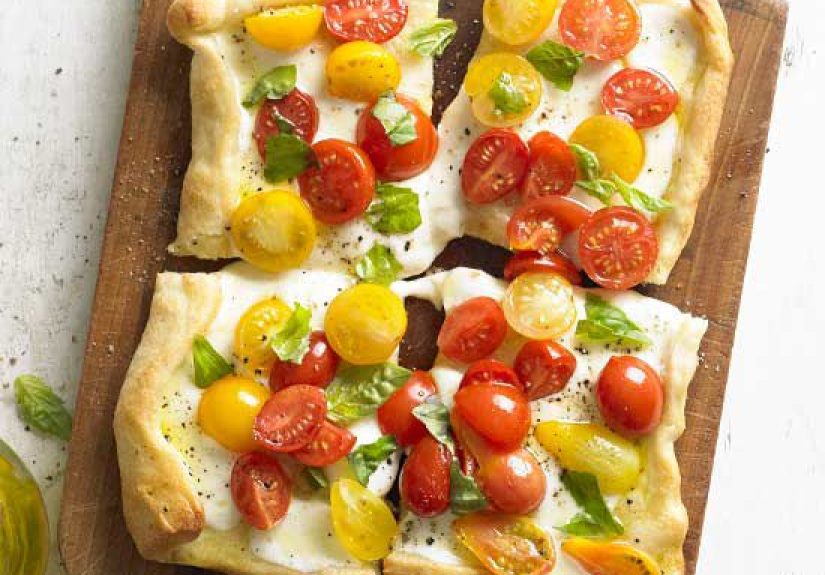
- Classic Margherita: Crushed tomatoes, mozzarella, olive oil, basil
- Pepperoni Night: Tomato sauce, mozzarella, pepperoni, red pepper flakes
- White Pizza: Olive oil, ricotta, mozzarella, garlic, spinach
- Veggie Favorite: Tomato sauce, mozzarella, mushrooms, red onion, bell peppers
- Sheet-Pan Comfort Pizza: Extra cheese, sausage, caramelized onions, oregano
The dough is versatile enough for thin crust, regular hand-stretched pizza, or a casual sheet-pan pie. It is basically the little black dress of homemade dough, except edible and much friendlier.
Troubleshooting a Pizza Dough Recipe
The dough is too sticky
A slightly tacky dough is good. A dough that behaves like wet glue is not. Add a little more flour, one tablespoon at a time, while kneading. Do not dump in a random snowstorm of flour or you may end up with a dry, dense crust.
The dough is too dry
If the dough feels stiff and rough, add a teaspoon or two of water and keep kneading. Flour absorbs moisture differently depending on brand, humidity, and whether your kitchen currently feels like a bakery or a desert.
The dough will not rise
Your yeast may be old, your water may have been too hot, or your kitchen may be chilly. Move the bowl to a warmer spot and give it more time. Dough is often slower than people expect, but it is usually not broken.
The dough shrinks back while stretching
That usually means the gluten is too tight. Cover the dough and let it rest for 10 to 15 minutes, then stretch again. This tiny pause can save a huge amount of frustration.
The crust is pale
Your oven may not be hot enough, or your baking surface may not have preheated long enough. A little sugar or honey in the dough also helps with browning, especially in regular home ovens.
Make-Ahead and Storage Tips
This pizza dough recipe is excellent for meal prep. You can mix it ahead, let it rise, divide it into balls, and refrigerate until you are ready to bake. Just let the dough relax a bit before stretching if it feels too cold and tight. For longer storage, freeze individual dough balls well wrapped, then thaw in the refrigerator before using.
That means future-you gets homemade pizza with past-you doing all the responsible work. A rare and beautiful household achievement.
Frequently Asked Questions About Pizza Dough Recipe
Can I make pizza dough without a stand mixer?
Absolutely. A bowl, a spoon, your hands, and a little patience are more than enough.
Can I use all-purpose flour instead of bread flour?
Yes. Bread flour gives a slightly chewier crust, but all-purpose flour still makes a very good pizza dough recipe.
Can I freeze pizza dough?
Yes. Freeze it after the first rise or after dividing it into dough balls. Thaw it in the refrigerator before shaping and baking.
Do I need a pizza stone?
No. A baking steel is wonderful, a pizza stone is great, but an upside-down sheet pan or regular sheet pan can still produce a very satisfying pizza.
Why does my homemade pizza get soggy in the middle?
Usually because of too much sauce, too much cheese, watery toppings, or an underheated baking surface. Pizza dough can only do so much heavy lifting.
Pizza Dough Experiences: What Repeated Pizza Nights Teach You
There is something oddly charming about learning pizza dough through repetition. The first time most people make it, they expect instant perfection. They picture a glorious round pie with a bubbly crust, a crisp bottom, and a triumphant moment where everyone says, “You made this from scratch?” What often happens instead is a dough blob that looks mildly suspicious, a shape that resembles a map of nowhere, and a crust that is good but not yet glorious. That is normal. In fact, that is part of the fun.
With each batch, you start noticing little things. You learn the dough feels different on humid days than it does in dry weather. You learn that when the dough fights back, it is not personal; it just needs to rest. You learn that rolling pin pizza and hand-stretched pizza are not exactly the same creature. You also learn that too many toppings are the fastest route to disappointment, no matter how convincing that mountain of mushrooms looked in your imagination.
One of the most useful experiences people have with pizza dough is realizing that perfection is not the goal. Consistency is. Once you find a dough that works in your oven, on your pan, with your flour, you stop chasing the internet’s most dramatic pizza and start making one that suits your life. Maybe your favorite version is a thin and crispy weeknight pizza with jarred sauce and shredded mozzarella. Maybe it is a slower Saturday dough with fresh basil, fresh mozzarella, and the kind of confidence that makes you casually dust semolina on the counter like a person who has definitely done this before.
Pizza dough also teaches patience in the sneakiest possible way. You mix a few ingredients, knead until your arms wonder what they did wrong, and then the best next step is to leave it alone. That is not always intuitive. But dough rewards patience more than fussing. A relaxed dough stretches better. A rested dough tastes better. An overnight dough often bakes better. This is one of the few kitchen tasks where stepping back can honestly improve the outcome.
And then there is the emotional side of pizza night. Homemade pizza has a way of making an ordinary evening feel slightly festive. People gather in the kitchen. Everyone suddenly has strong opinions about toppings. Someone asks if there is extra cheese. Someone else claims pineapple is a personality test. The dough becomes more than a recipe. It becomes the base for a small ritual: stretching, topping, baking, slicing, and reaching for a second piece before the first one has fully cooled.
After enough pizza nights, you stop seeing dough as difficult. You start seeing it as dependable. A good pizza dough recipe becomes one of those kitchen skills that feels generous. It feeds people, adapts easily, and makes your home smell outrageously inviting. That is why so many home cooks keep coming back to it. Not because every pizza is flawless, but because even the imperfect ones are usually delicious, and the process itself gets better every time.
Conclusion
A great pizza dough recipe does not need to be complicated to be memorable. With a few pantry staples, a hot oven, and the willingness to let the dough rest when it needs to, you can make crust that tastes far better than its humble ingredient list suggests. This recipe is flexible enough for beginners, satisfying enough for serious pizza lovers, and practical enough to become part of your regular rotation.
So the next time pizza night calls, skip the cardboard box and make the dough yourself. Your kitchen will smell amazing, your crust will have actual personality, and your dinner will feel a little more like an event and a lot less like an emergency.