Table of Contents >> Show >> Hide
- Why LA Is a Natural Fit for a Remodelista Market
- The LA Design Mood: Sunlight, Craft, and a Little Swagger
- Our Favorite Artists, Makers, and Design Names to Shop in the LA Orbit
- Nickey Kehoe: California Layering Done Right
- Lawson-Fenning: The Melrose Standard for Handmade Furniture
- Heath Ceramics: California Heritage with Everyday Usefulness
- Block Shop: Pattern, Color, and the Handmade Textile Revival
- Croft House: Relaxed Furniture with Strong Bones
- Commune and the Artful Edge of LA Living
- Beyond the Big Names: Why Local Makers Matter Most
- How to Shop the Market Without Losing Your Mind or Your Wallet
- What the Experience Feels Like in Real Life
- Conclusion
Los Angeles has always understood one important design truth: a home should look polished enough for guests, but relaxed enough for someone to kick off their sandals and leave a half-read art book on the coffee table. That is exactly why a Remodelista-style market makes so much sense in LA. It is not just about shopping. It is about discovering the people behind the pieces, the stories behind the objects, and the quietly thrilling moment when you realize a lamp, a linen pillow, or a handmade bowl can change the mood of an entire room.
In the Los Angeles edition, the formula is especially irresistible. The city’s design culture is built on contrasts that somehow get along beautifully: polished and imperfect, vintage and modern, studio-made and gallery-worthy, serious craftsmanship and laid-back California ease. This is a place where a ceramic mug can feel like sculpture, where a sofa can be tailored without looking uptight, and where sunlight does half the decorating for free. Not bad for a town accused of being superficial. LA, as usual, would like the record corrected.
A Remodelista Market in Los Angeles is best imagined as a living sourcebook. Instead of scrolling through a hundred tabs while pretending that is “research,” you get a real-world encounter with the region’s favorite makers, artists, and design-minded shops. Think sculptural furniture, artisan ceramics, block-printed textiles, hand-finished wood, thoughtful lighting, and the kind of home goods that make people say, “Where did you get that?” with a level of intensity usually reserved for celebrity sightings.
Why LA Is a Natural Fit for a Remodelista Market
The original appeal of Remodelista markets has always been their focus on regional makers and craftsmen. In Los Angeles, that regional identity is unusually rich. The city’s home scene pulls from Midcentury Modern architecture, California craft traditions, global influences, artist studios, flea-market culture, and an indoor-outdoor lifestyle that encourages homes to feel open, tactile, and deeply personal.
That means the LA version of the market is never going to feel stiff or overly precious. It is edited, yes. It is refined, absolutely. But it is also warm, human, and a little sun-drunk in the best way. You can see it in the materials that dominate Southern California interiors: oak, linen, leather, plaster, clay, brass, jute, and glass. You can feel it in the preference for pieces with visible handwork, subtle irregularity, and enough character to keep a room from slipping into showroom blandness.
Right now, that handmade sensibility is more than a passing aesthetic crush. It reflects a broader shift in how people want their homes to feel. The appeal of artisan-made decor is rooted in authenticity, texture, and a sense of soul. In other words, homeowners are increasingly less interested in spaces that look algorithmically optimized and more interested in spaces that feel lived in, layered, and memorable. LA did not invent that instinct, but it certainly knows how to style it.
The LA Design Mood: Sunlight, Craft, and a Little Swagger
Southern California design is often described as effortless, but let us be honest: truly effortless-looking rooms usually involve a heroic amount of effort. What LA does better than most places is hide the labor without hiding the artistry. The best spaces in the city feel airy and relaxed while still being anchored by beautifully made objects. There is a reason so many local designers and shops lean into craftsmanship. The light here is unforgiving in the best way. Cheap finishes get exposed. Generic pieces fall flat. But materials with depth, texture, and visible handwork absolutely sing.
That is one reason the local market scene matters. A city known for production value also has an enormous appetite for authenticity. Buyers want objects that look good in a sun-filled bungalow, a Spanish Revival dining room, a Venice Beach cottage, or a minimalist hillside home. The through line is not a single style. It is quality with personality.
And perhaps that is the most LA thing of all: the pieces are stylish, but they are not trying too hard. The room might be very carefully composed, yet it still says, “Come in,” not, “Please admire me from behind the velvet rope.”
Our Favorite Artists, Makers, and Design Names to Shop in the LA Orbit
Nickey Kehoe: California Layering Done Right
If Los Angeles had an official language of “collected but not cluttered,” Nickey Kehoe would be one of its most fluent speakers. The studio and shop have become shorthand for a layered California look that mixes antiques, contemporary pieces, and custom furnishings without tipping into chaos. Their aesthetic feels whimsical, bohemian, and fresh, but never messy. That is harder than it sounds.
What makes Nickey Kehoe so Remodelista-friendly is the balance. Their pieces are elegant without being icy, and playful without becoming novelty acts. This is the kind of design that rewards repeat viewing. A chair has beautiful lines, then better upholstery than you first noticed, then a finish that becomes more charming in afternoon light. It is all very dangerous for your budget.
Lawson-Fenning: The Melrose Standard for Handmade Furniture
Lawson-Fenning has spent years building a reputation around furniture that translates Southern California’s raw beauty into clean, grounded design. The brand’s Melrose presence and deep ties to Los Angeles fabrication make it a standout in any discussion of local design talent. Their work lives in that sweet spot between midcentury restraint and contemporary warmth.
What shoppers love is the mix: bench-crafted furniture, refined lighting, vintage finds, and maker collaborations that keep the showroom feeling alive rather than overly fixed. A Remodelista-style market thrives on exactly that energy. You want recognizable taste, but you also want surprise. Lawson-Fenning delivers both, with enough texture and form to keep modern rooms from feeling sterile.
Heath Ceramics: California Heritage with Everyday Usefulness
Heath Ceramics is practically a civic religion for design lovers on the West Coast, and for good reason. The brand’s history in California craft, its visible respect for process, and its Los Angeles showroom’s collaboration with Commune Design all make Heath a cornerstone of any serious LA design conversation. Heath pieces do not scream for attention. They do something better: they get better the longer you live with them.
That is the genius of good ceramics. A bowl is a bowl until it becomes the bowl. The one you always reach for. The one guests ask about. The one that somehow makes roasted carrots look like they have a publicist. Heath understands that beautifully designed daily-use objects can be quietly transformative, which is very much the Remodelista ethos.
Block Shop: Pattern, Color, and the Handmade Textile Revival
For anyone who thinks LA style is all neutrals and expensive beige, Block Shop would like a word. Founded by Los Angeles-based sisters, the studio has become a favorite for textiles that bring art, craft history, and serious visual punch into the home. Their Atwater Village flagship gives the brand an even stronger physical presence in the city, but the real appeal is the work itself: block prints, bold color, graphic rhythm, and a sense that a room should have a pulse.
Block Shop represents a crucial side of the LA market conversation. Not every great California interior is whisper-soft and monochrome. Some are playful, pattern-rich, and gloriously expressive. A market worth visiting should make room for both, and Block Shop is the proof.
Croft House: Relaxed Furniture with Strong Bones
Croft House brings another distinctly Los Angeles note to the mix: furniture that feels sturdy, natural, and unfussy while still looking sharply designed. The company’s emphasis on thoughtful manufacturing, hand-selected materials, and locally handmade production gives its pieces the sort of integrity that shoppers can feel, even before they know the backstory.
This is the furniture equivalent of someone who is casually well-dressed without making a speech about it. It works because the proportions are right, the materials are honest, and the pieces carry a quiet confidence. In a market setting, Croft House-style work helps anchor all the smaller temptations around it. Yes, buy the candle. But also maybe buy the table that makes the candle look smarter.
Commune and the Artful Edge of LA Living
Commune occupies a slightly different corner of the LA design universe, one where interiors, product design, graphics, and handcrafted goods all speak to one another. Their work helps define a more artistic, more atmospheric side of Southern California taste. It is not merely about decorating. It is about world-building.
That matters because a good market is not just a marketplace. It is a point of view. Commune’s influence can be felt in the way many LA shoppers now look for objects that have both utility and mood. A tray should be useful, of course, but it should also make the room feel more interesting. A bookend can still be a tiny sculpture. Everyday objects should not have to apologize for being beautiful.
Beyond the Big Names: Why Local Makers Matter Most
The real magic of a Los Angeles design market is not only in the established brands. It is in the broader ecosystem of makers working in ceramics, wood, glass, fiber, and metal across the region. Local institutions and initiatives have made that ecosystem easier to see. LA Original champions homegrown creative businesses. Craft Contemporary has turned ceramic marketplaces like CLAY LA into meaningful platforms for emerging and established artists. The Los Angeles Times has spotlighted independent makers whose work ranges from surf-inflected pottery to wood furniture and glass vessels with real personality.
All of that points to the same conclusion: LA is not just a place where design is consumed. It is a place where design is made. A Remodelista Market works best when it reflects that reality. You want the household names, yes, but you also want the studio potter from a garage workshop, the textile maker with a devoted following, the woodworker rethinking salvage, and the artist whose pieces feel too alive to be mass-produced.
How to Shop the Market Without Losing Your Mind or Your Wallet
Shopping a design market in LA requires a little strategy, because the temptation level is extreme. The smartest approach is to shop the way a good editor edits: start with the big picture, then choose the details that support it.
Start with one room
Do not tell yourself you are “open to anything.” That is how you end up buying a hand-thrown platter, a striped throw, a brass sconce, and absolutely nothing your living room needed. Pick one space and shop with intention.
Mix hero pieces with supporting characters
Every room needs at least one object with enough charisma to carry a conversation. That could be a chair, a light fixture, a ceramic lamp, or a large textile. Then build around it with smaller pieces that add texture and context.
Touch everything you can
One of the advantages of a market is that you can experience materials in person. Feel the linen. Check the weight of the mug. Notice the wood grain. See how glaze shifts in light. Online shopping is convenient, but it cannot compete with the thrill of a piece proving itself in your hands.
Ask about process
The story behind a piece often reveals whether it belongs in your home. Was it made locally? Is it hand-finished? Does the maker work in small batches? Is the material reclaimed, natural, or custom developed? Good design gets even better when you understand how it came to be.
What the Experience Feels Like in Real Life
Imagine walking into the market on a bright LA morning with every intention of being sensible. You tell yourself you are just there to “look around,” which is the design-lover version of saying you are only going to Target for toothpaste. Immediately, the plan begins to collapse.
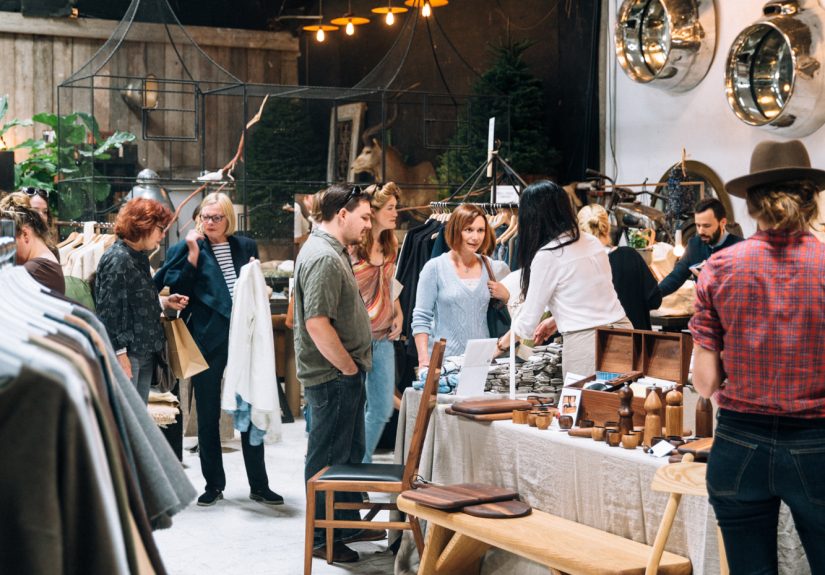
There is a table of ceramics catching the light in a way that feels almost rude. Across the aisle, a block-printed textile hangs like it knows it is about to ruin your current pillow situation. Someone has styled a shelf with a vase, a folded throw, a strange little wooden object, and one perfect lamp, and now you are reconsidering your entire entryway. Not in a dramatic way, of course. In a completely normal, deeply expensive way.
That is the pleasure of a Remodelista-style market in Los Angeles. It feels both inspiring and oddly intimate. The city is huge, but markets like this shrink it to a human scale. You are not scrolling past brands. You are meeting the people who make the things. You hear how a glaze was developed, why a chair leg is shaped that way, what kind of wood was chosen, why a certain pattern was printed in that exact shade, and suddenly the object in front of you becomes more than decor. It becomes evidence of attention.
You notice, too, how different the crowd feels from the average shopping environment. People linger. They discuss proportions. They compare finishes. They hold a mug like it is a philosophical proposition. Nobody seems in a hurry, which may be the most unrealistic and magical LA fantasy of all. But the mood is real. It is curious, appreciative, and quietly joyful.
And then there is the sensory part. The low murmur of conversations. The rustle of linen. The coolness of ceramic. The grain of unfinished oak. The gleam of brass that looks better because it is next to something matte and handmade. A good market reminds you that a well-designed home is not just visual. It is tactile. It is atmospheric. It is built on textures and objects that ask to be used, not merely admired from a safe distance.
By the time you leave, you may not have purchased the biggest thing in the room. In fact, you might go home with a small vessel, a striped napkin set, a hand-carved spoon, or a beautifully odd little lamp. But the experience follows you. You start looking at your own rooms differently. You edit a shelf. You move a chair. You retire the sad old bowl that has been doing its best for ten years. You begin to understand why the best LA interiors feel so personal: they are built one meaningful object at a time.
That is what a market like this really sells. Not just products, but perspective. Not just style, but permission. Permission to care about materials. Permission to buy fewer, better things. Permission to make a home feel sunnier, softer, more collected, more alive. In Los Angeles, where design can sometimes seem like a performance, that kind of honest encounter with craft feels refreshingly real. And yes, dangerously inspiring.
Conclusion
Remodelista Market, LA is at its best when it captures the city’s most appealing contradiction: polished taste with real warmth. The appeal is not simply that the objects are beautiful, though many of them absolutely are. It is that they reflect a larger way of living in Southern California, one built around light, texture, utility, personality, and a respect for the handmade.
From the layered elegance of Nickey Kehoe and the locally made furniture language of Lawson-Fenning to the ceramic legacy of Heath, the graphic confidence of Block Shop, the strong simplicity of Croft House, and the art-meets-function spirit of Commune and local makers, Los Angeles offers a deep bench of talent for anyone looking to shop with more intention. A great design market does not just help you buy better things. It helps you notice what better looks and feels like.
And in a city where every square foot of sunlight seems contractually obligated to make interiors look cinematic, that is no small advantage.