Table of Contents >> Show >> Hide
- Why This Sink Stops the Scroll
- The Sink ID: What It Is (and Why It Works)
- Why Concrete Makes Sense in a Coastal Bathroom
- The Supporting Cast: Fixtures, Finishes, and “Yes, That Mirror Matters”
- Coastal Reality: Designing for Sand, Salt, and Water Spots
- How to Steal the Look: A Practical Recipe
- Common Mistakes (and How to Avoid Them)
- Design Rules You Can Steal (Even If You Don’t Own a Beach House)
- Conclusion: The Quiet Flex of a Minimalist Sink
- Experiences: Living With a Minimalist Sink in a Beach House (Real-World Notes)
- SEO Tags
Some homes have a “statement chandelier.” Others have a “statement staircase.” And then there are the rare, blessed spaces
where the sink is the main characterquietly, politely, and with zero need for jazz hands.
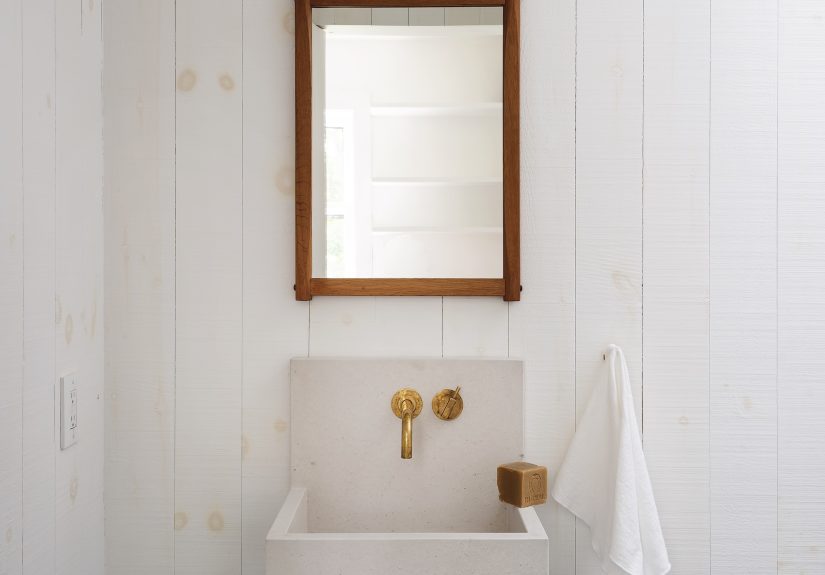
That’s the vibe behind the minimalist wall-mounted sink spotted in a Shelter Island beach house: clean-lined, concrete,
and so calm it practically lowers your blood pressure on sight. It’s the kind of design detail that makes you whisper,
“Oh. That is why people talk about restraint like it’s a superpower.”
In this article, we’ll break down what makes this sink moment workwhy it feels so right for a coastal home, what you can
learn from the surrounding design choices, and how to steal the look without accidentally creating a bathroom that feels
like an art gallery where you’re not allowed to touch anything (including soap).
Why This Sink Stops the Scroll
Minimalist design gets misunderstood as “empty.” But the best minimal spaces aren’t emptythey’re edited. The difference is
huge. Empty feels unfinished. Edited feels intentional, like every object passed a strict audition and signed a behavior
contract.
This wall-mounted sink nails that edited feeling because it does three big things at once:
- It clears visual clutter: No bulky vanity, no fussy legs, no “mystery cabinet items” gathering under the basin.
- It makes the room feel larger: When you can see more floor, your brain registers more space.
- It looks architectural: The sink reads like part of the building, not just a fixture bolted on at the last second.
In a beach housewhere sandy feet, wet towels, and “Where did the kids put the sunscreen?” are daily plotlinesminimalism
isn’t just pretty. It’s practical. The trick is choosing minimal pieces that can actually survive real life.
The Sink ID: What It Is (and Why It Works)
The sink in question is a wall-mounted concrete basin with squared-off corners and a built-in backsplash. That backsplash is
not just a nice design gestureit’s a functional move that protects the wall, visually anchors the basin, and keeps the
silhouette crisp.
Concrete is doing a lot of heavy lifting here, tooliterally and aesthetically. It has presence, but it doesn’t shout.
It’s matte where glossy would glare. It’s solid where delicate would feel precious. In other words, it’s confident.
Minimalism with a Backstory
What makes this sink moment even better is the setting: a Shelter Island home designed with a “low-key but subtly luxe”
sensibility. It’s not trying to become a showpiece. It’s trying to become a place where you can come in from outside,
rinse off the day, and breathe.
That’s why the sink feels so right: it’s sculptural but not fragile, modern but not cold, and simple without being sterile.
Why Concrete Makes Sense in a Coastal Bathroom
Concrete in a bathroom can sound like a bold choice until you remember: bathrooms are already full of hard, durable surfaces.
Tile. Stone. Porcelain. Glass. The question isn’t “Is concrete allowed?” The question is: “Will it age well, and can I care
for it without a PhD in sealants?”
The Good News
- Texture that softens a space: Concrete adds a gentle, powdery visual texture that can make minimal rooms feel warmer.
- Color that feels coastal without clichés: Instead of seashell motifs and rope mirrors (no shade, just… maybe less rope), concrete can echo sand, stone, driftwood, and weathered boardwalk tones.
- A sculptural presence in small rooms: In compact bathrooms, a strong, simple object can replace a bunch of “extra” decor.
The Reality Check
Concrete sinks are durable, but they’re not indestructible. They typically rely on sealers to resist water and staining.
Translation: you don’t want to attack them with harsh cleaners or let puddles camp out overnight like they pay rent.
The payoff is worth it, though: you get a basin that looks quietly custom, feels grounded, and pairs beautifully with woods,
limestone, plaster, and soft metal finishes.
The Supporting Cast: Fixtures, Finishes, and “Yes, That Mirror Matters”
A minimalist sink works best when the rest of the bathroom respects the assignment. This is not the place for a faucet that
looks like it belongs on a spaceship. Or a mirror framed in rhinestones. (Unless your brand is “Minimalism, but make it disco,”
in which case: carry on.)
Faucets: Keep the Shape Simple, Upgrade the Finish
One of the sneaky challenges in beach houses is what the environment does to metal. Salt air, humidity, and constant wet use
can speed up corrosion and dulling over time. The smartest move is to choose a finish and manufacturing process built for long-term
durabilityespecially in coastal conditions.
Look for finishes that are designed to resist corrosion and tarnish, such as PVD-treated finishes. They’re popular for a reason:
they tend to hold up better against day-to-day wear and cleaning.
Style-wise, minimalist bathrooms often look best with:
- Simple silhouettes: clean levers, restrained curves, or crisp right angles
- Wall-mount or streamlined deck-mount options: fewer visual interruptions around the basin
- Metal that complements concrete: brushed nickel, stainless, aged brass, or softened polished brass
Mirrors: The Quiet Power Move
In a minimalist bath, the mirror is basically wall art that also tells you if you’ve successfully removed toothpaste from your chin.
A vintage or midcentury-style mirror (especially with a warm tone) can keep concrete from feeling too severe.
The best approach is contrast: pair the sink’s modern geometry with a mirror that has history, softness, or a slightly imperfect
patina. It makes the whole room feel human.
Coastal Reality: Designing for Sand, Salt, and Water Spots
Let’s talk about the three horsemen of the beach house apocalypse: sand, salt, and water spots.
They don’t care how expensive your fixtures are. They show up anyway.
Choose Metals That Don’t Give Up Easily
If your bathroom is near open windows or salty air, corrosion resistance becomes more than a spec-sheet detail. It’s a lifestyle.
When stainless steel is part of the equation, you’ll often see guidance that stepping up from 304 stainless to 316 stainless can
improve corrosion resistance in salt-exposed environments.
Make Cleaning “One-Minute Easy”
Minimalist bathrooms feel best when they’re also easy to reset. Wall-mounted sinks help because you can wipe the basin,
swipe the wall behind it, and mop underneath without gymnastics.
If you want that same “quick reset” feeling at home, focus on:
- Open floor space under the sink
- Low-fuss surfaces that don’t demand special rituals
- Storage that’s intentional (a slim cabinet, a recessed shelf, a basketsomething, anything, that prevents countertop pileups)
How to Steal the Look: A Practical Recipe
You don’t need Shelter Island square footage or a design studio to borrow the principles behind this sink moment. Here’s how to
recreate the vibe in a real-world bathroom.
Step 1: Pick a Sink Style That Fits Your Life
Minimalist doesn’t mean “one-size-fits-all.” Choose the sink type based on how the bathroom is used:
- Wall-mounted sink: best for small baths, easy cleaning, modern lines. Requires solid wall support and careful planning for plumbing.
- Console sink: a good compromiseopen and airy, but with a little structure (and sometimes a towel bar).
- Pedestal sink: classic and space-friendly, but with minimal storage (and that’s the trade-off).
If you love the wall-mounted look, plan early. The wall needs proper blocking/support, and plumbing placement has to be precise.
This is one of those times where “measure twice” is not enough. Measure twice, then measure again after coffee.
Step 2: Nail the Proportions (So You Don’t Create Splash City)
Minimalist sinks look sleek, but they can punish bad proportions. A few practical guidelines:
- Spout reach matters: You want water landing near the drain, not ricocheting off the slope like a tiny fountain show.
- Basin depth matters: Shallow basins can look elegant but may splash more, especially with higher water pressure.
- Mounting height matters: Too high feels awkward; too low feels like you’re washing your hands in a dollhouse.
Step 3: Keep the Palette Calm (But Not Boring)
The Shelter Island look works because it’s restrained but layered. Think:
- Concrete + warm wood (softens the edges)
- Concrete + limestone or pale tile (coastal without “theme”)
- Concrete + aged brass (adds warmth and a touch of quiet luxury)
If you want to add color, do it like a whisper, not a megaphone: a muted towel, a single art print, or a vintage mirror with a warm frame.
Step 4: Choose Finishes Built to Last
In high-use bathrooms, durability is a design feature. Look for faucet finishes designed to resist corrosion and tarnish (often associated
with PVD processes) and follow brand cleaning recommendations so your “minimalist moment” doesn’t become a “why is my faucet sad?” situation.
Common Mistakes (and How to Avoid Them)
-
Mistake: No storage plan.
Fix: Add a slim wall cabinet, recessed niche, or a dedicated basket for daily items so the sink stays visually calm. -
Mistake: Overdecorating to “warm it up.”
Fix: Warmth comes from materials (wood, linen, aged metals), not from adding twelve objects that need dusting. -
Mistake: Harsh cleaners on specialty materials.
Fix: Use gentle, pH-neutral cleaners and soft clothsespecially for sealed concrete surfaces. -
Mistake: Ignoring coastal wear.
Fix: Pick corrosion-resistant finishes and set a “quick wipe” habit for metal and sink surfaces after heavy use.
Design Rules You Can Steal (Even If You Don’t Own a Beach House)
- Choose one hero element. Here, it’s the sink. Let it shine, then keep everything else supportive.
- Prioritize floor visibility. Open space reads as calm and clean.
- Repeat shapes. Square sink corners? Echo that with a rectangular mirror or simple tile lines.
- Mix “new” with “lived-in.” Concrete looks modern; a vintage mirror keeps it grounded and human.
- Make it easy to reset. If it’s hard to clean, it won’t stay minimalist for long. Real life always wins.
Conclusion: The Quiet Flex of a Minimalist Sink
The minimalist sink in the Shelter Island beach house works because it’s more than a pretty objectit’s a smart, edited choice
that fits the rhythms of a coastal home. Wall-mounted for openness, concrete for grounded texture, and paired with finishes and
elements that add warmth without clutter.
If you want to borrow the magic, don’t chase “minimal” as a style. Chase it as a system: fewer, better choices; materials that
age gracefully; and layouts that make daily maintenance feel almost unfairly easy.
Because the real dream isn’t a bathroom that looks perfect for photos. It’s a bathroom that looks calm even after someone
stumbled in with sandy ankles, sunscreen hands, and the emotional intensity of a seagull that stole their snack.
Experiences: Living With a Minimalist Sink in a Beach House (Real-World Notes)
People often assume minimalist bathrooms are “for looking, not living.” But homeowners and designers who actually use these spaces
tend to describe a different experienceone that’s surprisingly practical, especially in a beach house where the bathroom is basically
the first stop after the outdoors.
1) The daily reset feels fastalmost suspiciously fast.
With a wall-mounted sink, there’s no cabinet toe-kick to collect mystery dust bunnies, and no vanity corners that require a yoga pose
to clean. You wipe the basin, swipe the faucet, and the floor underneath is wide open for a quick pass with a mop or towel.
After a beach day, that matters. Sand doesn’t politely stay near the doorit travels like it has a connecting flight.
2) The sink becomes a “calm zone” in a high-chaos house.
Beach houses often run on joyful chaos: wet swimsuits, towels everywhere, friends popping in, kids who somehow need water the second
they’re already wet. A minimalist sink setup creates a visual pause. When the counter isn’t crowded, the room feels calmereven when
the rest of the house is throwing a party. It’s a small psychological win that you notice most on busy weekends.
3) Concrete looks amazing… and it politely demands respectful behavior.
Sealed concrete basins are meant to be used, but they tend to reward gentle cleaning habits. People who love them often keep a soft cloth
or microfiber towel nearby and do a quick wipe after heavy use. Not because they’re obsessivebecause it prevents water marks and keeps the
surface looking consistent. The vibe is less “constant maintenance” and more “tiny habits that save big effort later.”
4) Guests notice the sink more than you think.
A sculptural, wall-mounted basin is one of those features that quietly sparks conversation. Guests walk in, pause, and say something like,
“Okay, this is nice,” even if they can’t explain why. It’s the combination of shape, texture, and the way the sink seems to float.
Minimalism is dramatic when it’s done rightit’s just dramatic in a whisper.
5) The biggest “real life” challenge is storage (and it’s solvable).
Without a vanity, you have to plan where the everyday stuff lives. People who succeed with minimalist sinks usually set up one of these
systems: a recessed medicine cabinet, a slim wall cabinet, a shelf niche in the shower, or a lidded basket that keeps items contained.
The best trick is to decide what deserves to be visible (soap, maybe a hand towel) and what needs a home behind a door (everything else).
Once that system is in place, the sink area stays calm instead of slowly turning into a countertop garage sale.
6) Coastal wear is realso the finish choices matter.
In beach environments, metals can show wear faster. Homeowners often say the “best decision” wasn’t the sink itself, but choosing hardware and
finishes meant to handle frequent cleaning and moisture. Finishes designed to resist corrosion and tarnish can keep the bathroom looking fresh
even when it’s used hardlike during summer weeks when everyone showers twice a day and the house is basically a towel-powered ecosystem.
The overall takeaway from lived experience is simple: a minimalist sink isn’t fragile when the design is thoughtful. It’s a high-functioning
setup that can make daily life easierespecially in a beach housebecause it’s cleaner visually, easier to reset physically, and calmer
emotionally. Which is a lot of value for something that mainly just… holds water.