Table of Contents >> Show >> Hide
- Why Oversized Scrabble Tiles Make Genius Wall Art
- Plan Your Scrabble Family Names Layout
- Materials & Tools You Will Need
- How to Make Your Scrabble Living Large Art
- Styling Ideas: Where Scrabble Tiles Shine
- Smart Tips, Common Mistakes & Easy Fixes
- Will This Trend Last?
- Scrabble Living Large in Real Homes: Stories, Lessons & Pro Tips
- Conclusion
Got a big blank wall silently judging you every time you walk past?
Bring it to life with oversized Scrabble tiles that spell out the people, pets, and little inside jokes that make your house feel like home.
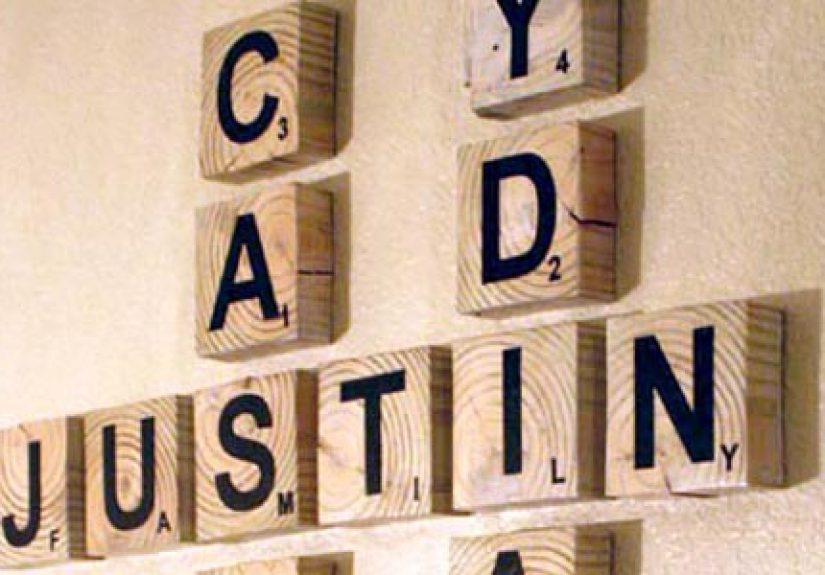
Inspired by the much-loved Scrabble Living Large: Family Names Art Project on Remodelaholic, this creative wall decor idea turns simple wooden tiles into bold, custom artwork that celebrates your family story in full caps.
In this guide, you will learn how to plan your layout, choose the right materials, build durable tiles, and style them so they look high-end (not like a rushed craft night gone wrong).
Whether you are a hardcore DIYer with a miter saw or a renter armed with command strips and optimism, this project is totally doable, scalable, and surprisingly affordable.
Why Oversized Scrabble Tiles Make Genius Wall Art
1. Personal, not generic
Unlike mass-produced “Live Laugh Love” signs, Scrabble family name tiles are unapologetically yours.
You can weave together first names, last names, nicknames, anniversary dates, pet names, or meaningful words like HOME, GRACE, or PIZZA (no judgment).
The crossword-style arrangement instantly reads as custom art, even though it is built on a familiar, nostalgic game.
2. Perfect for large, awkward, or tall walls
Tall stairwells, long hallways, and weird blank spaces over couches or sectionals can be hard to decorate without spending big.
Oversized Scrabble tiles scale beautifully: increase tile size, add more names, extend the layout.
Instead of one tiny frame floating on a huge wall, you get a bold grid of letters that visually anchors the space and pulls the eye upward.
3. Budget-friendly, high-impact DIY
Pre-made wooden letter sets and custom Scrabble art are widely sold, but making your own costs significantly less and lets you control stain, color, size, and font.
With basic lumber or craft wood, paint or stain, letter stencils or vinyl, and a free afternoon, you can create statement art that looks like a pricey custom order.
4. A built-in conversation starter
Guests love decoding the names and words. Kids love finding their tiles.
It is one of those projects that feels fun, interactive, and sentimental all at once, especially in a game room, family room, or entryway.
Plan Your Scrabble Family Names Layout
Before you touch a saw or open the paint, map out your crossword. Good planning is what makes the finished wall look intentional instead of accidental.
Step 1: List your “must-include” words
- All family members’ first names.
- Your last name or shared family name.
- Optional extras: pets, meaningful words, a wedding year, hometown, or a favorite place.
Step 2: Build a crossword on paper (or screen)
Use graph paper, a simple spreadsheet, or an online crossword tool.
Start with the longest or most central name (often your last name) and intersect shorter names where letters overlap.
Aim for a connected layout, with all words touching at least one other word.
Tip: Avoid layouts that drift too far in one direction; you want a balanced overall shape (a loose square, plus sign, or organic cluster) that fits your wall.
Step 3: Size it for your wall
Common DIY tile sizes range from 3.5″–8″ squares; larger walls can handle 7–8″ tiles, while hallways or gallery walls look great with 3.5″–5″ tiles.
Multiply tile size by your planned rows and columns to confirm everything fits your space with a bit of breathing room at the edges.
Materials & Tools You Will Need
You can customize, but a tried-and-true setup for a Remodelaholic-style Scrabble wall includes:
- Wood tiles: 1×6 boards cut into squares, precut craft wood, or MDF squares.
- Sandpaper: For smooth edges and splinter-free surfaces.
- Stain or paint: Classic Scrabble look (warm wood + black letters) or modern (white, charcoal, greige, or bold colors).
- Letters and numbers: Vinyl decals, stencil + paint, paint pen, or printed cardstock sealed with Mod Podge.
- Clear sealer: Polycrylic, polyurethane, or clear topcoat to protect the finish.
- Hanging hardware: Sawtooth hangers, D-rings, French cleats, or damage-free strips for renters.
- Optional: Thin backing board if you want one unified panel instead of separate tiles.
How to Make Your Scrabble Living Large Art
1. Cut and prep your tiles
Cut your boards into equal squares. Sand all sides and edges until smooth.
Wipe away dust so your stain or paint adheres evenly.
2. Stain or paint
Apply stain for a warm, classic look, or paint for a modern farmhouse or minimalist vibe.
Let each coat dry completely. If you want a slightly aged aesthetic, lightly sand the edges again after staining.
3. Add letters and point values
Each tile gets one letter plus a small number in the lower right corner for that letter’s Scrabble “value,” if you want to stay true to the game.
You can:
- Use vinyl cut on a cutting machine for crisp, repeatable letters.
- Stencil with acrylic paint.
- Use a paint pen or permanent marker guided by a printed template.
Make sure letters are consistently sized and aligned. The uniformity is what makes the wall feel polished.
4. Seal the surface
After the letters are fully dry, brush on a clear sealer. This protects from dust, fingerprints, and the occasional flying toy.
5. Layout and hang
On the floor, arrange your tiles according to your planned crossword. Adjust spacing until it feels balanced.
Take a photo for reference.
Transfer the layout to the wall:
- Measure and lightly mark horizontal reference lines with painter’s tape.
- Start from the center tile and work outward to keep the design balanced.
- Use a level so your words do not “slide downhill.”
- Secure with chosen hardware or strong removable strips for rentals.
Styling Ideas: Where Scrabble Tiles Shine
In the entryway
Greet guests with your family name intersecting meaningful words like “WELCOME” or “HOME.”
Add hooks, a bench, and a plant to turn a plain entry into a personality-packed landing zone.
Above the sofa or sectional
Oversized tiles can visually anchor a long sofa better than one small frame.
Center your crossword over the middle cushion and pair it with throw pillows and textures that echo the tile colors.
Game room or basement
This is Scrabble’s natural habitat. Surround your wall art with shelves of board games, a dart board, or a console setup.
Use words like “PLAY,” “LAUGH,” or “SCORE” woven between names.
Kids’ rooms and nurseries
Spell siblings’ names in intersecting tiles for a playful yet timeless look.
Keep edges smooth and finishes non-toxic so it is safe for little hands.
Smart Tips, Common Mistakes & Easy Fixes
- Don’t go too small on a big wall: Undersized tiles will look cluttered and timid. Size up for drama.
- Watch your contrast: Dark letters on dark stain disappear. Choose a combo with clear readability.
- Keep spacing consistent: Uneven gaps between tiles are distracting. Use a spacer (scrap wood, ruler) while hanging.
- Test your layout first: Take a photo of the floor layout; it is your roadmap on the wall.
- For renters: Use high-quality removable strips and avoid overly heavy backing boards.
Will This Trend Last?
Scrabble wall art has been circulating in U.S. homes for well over a decade, and it keeps evolving because it is rooted in personalization, not a passing slogan.
When you base your design on real names and real stories, it reads as memory art instead of a fad.
Even if your decor style shifts from farmhouse to modern, you can refresh stain colors or tile style while preserving the layout that tells your family story.
Scrabble Living Large in Real Homes: Stories, Lessons & Pro Tips
The magic of the Scrabble Living Large concept is not just in how it looks on Instagram, but how it actually feels in day-to-day life.
Homeowners who have embraced oversized Scrabble tiles consistently describe the same moment: someone walks in, squints for half a second, then starts tracing the names out loud
“Oh, that’s your dog… and that’s your son… and your anniversary is up there!”
It instantly breaks the ice in a way a generic framed print never could.
Families with young kids love how the wall becomes both art and alphabet.
Little ones point out their letters, spell their names, and follow the intersections like a built-in word game on the wall.
In playrooms and homeschool spaces, parents often report that the tiles evolve into a casual literacy tool:
kids notice patterns, recognize letters faster, and feel proud seeing their names featured as “real” decor instead of just taped-up drawings.
Many DIYers who recreated the project in stairwells or two-story living rooms mention one big win: finally taming the “giant blank wall problem.”
Traditional artwork can feel lost at that scale, but a grid of substantial tiles creates strong architectural presence.
One homeowner used 7″ tiles to connect every family member, including grandparents and pets, forming a tall, vertical crossword that visually pulled the eye up toward a second-floor balcony.
Another filled a long hallway with a horizontal layout that threaded together last name, children’s names, and values like “KIND” and “BRAVE,” turning a previously ignored corridor into a meaningful gallery.
There is also a practical learning curve that seasoned makers talk about.
First-timers often start with thin or flimsy wood and regret it when tiles warp or look cheap; switching to slightly thicker lumber or MDF makes a huge difference in perceived quality.
Others admit they rushed the lettering and ended up redoing tiles because inconsistent fonts or crooked numbers threw off the whole design.
The projects that look most polished usually follow three quiet rules: consistent letter style, consistent tile size, and a cohesive finish that matches nearby furniture or trim.
Another recurring insight: layout emotionally matters.
Some people choose to intersect spouses’ names at a shared letter, place kids branching from the family name, or tuck a wedding year or “EST.” tile at the center.
These small decisions subtly communicate relationships and history.
When visitors ask, “Why does this name connect to that one?” it opens the door to storytelling how you met, where you moved, the pets you adopted, the traditions you built.
For gift-givers, Scrabble-style family name art has become a thoughtful, custom present for weddings, anniversaries, and housewarmings.
A carefully planned crossword based on the couple’s last name, wedding date, and shared interests feels far more personal than another registry vase.
Makers often share that these pieces become the “we hung it the same day” gift the one that earns permanent wall space instead of being quietly re-gifted.
Perhaps the most telling feedback from long-term use is this: even after repainting rooms, swapping rugs, or changing furniture, most families keep the Scrabble wall.
Tiles may get rearranged, recolored, or moved to a new wall, but the idea remains.
Because at its core, Scrabble Living Large is not about following a decor trend it is about spelling out the people and memories you never plan to phase out.
Conclusion
The Scrabble Living Large: Family Names Art Project is the perfect blend of meaningful, playful, customizable, and budget-friendly decor.
With a bit of planning, a handful of materials, and a willingness to measure twice, you can create a wall feature that feels like custom artwork and family history rolled into one.
Hang it in your entry, your family room, your game room, or that impossible double-height wall wherever it goes, it will look like it was always meant to be there.