Table of Contents >> Show >> Hide
- Why Simple Linen Napkins Work So Well
- What Makes Linen Different From Other Napkin Fabrics?
- How to Choose the Best Simple Linen Napkins
- How to Style Simple Linen Napkins Without Overcomplicating Things
- Simple Linen Napkins for Everyday Meals
- How to Wash and Care for Linen Napkins
- How Many Linen Napkins Do You Actually Need?
- Are Linen Napkins Worth the Investment?
- Simple Linen Napkins as a Style Statement
- Real-Life Experiences With Simple Linen Napkins
- Conclusion
Some home upgrades are dramatic. A new dining table? Dramatic. A chandelier that looks like it belongs in a castle? Also dramatic. But simple linen napkins are the quieter kind of upgradethe kind that slips onto the table, looks effortlessly polished, and somehow makes even Tuesday night pasta feel like it has a reservation. They are practical, reusable, and unfussy, yet they bring a level of warmth that paper napkins simply cannot fake. In a world full of disposable everything, linen napkins feel like a tiny rebellion wrapped in good taste.
That is the real charm of simple linen napkins: they do not try too hard. They do not need rhinestones, complicated embroidery, or a folding technique that requires an engineering degree. Their beauty comes from texture, softness, and a relaxed elegance that works for family dinners, brunch with friends, holidays, and the occasional meal where the best dish is takeout eaten from very nice plates. If you want your table to look thoughtful without becoming theatrical, linen napkins may be the most useful little luxury you can bring home.
Why Simple Linen Napkins Work So Well
Linen has a look that is hard to duplicate. It is crisp without feeling stiff, natural without looking plain, and polished without becoming precious. That combination matters because table linens should do more than match the plates. They should help set the mood. Linen napkins bring softness to hard surfaces like ceramic, wood, glass, and metal, which is why they instantly make a table feel more welcoming.
Simple linen napkins are especially appealing because they can move easily between casual and formal settings. A white or flax-colored linen napkin next to stoneware plates says laid-back and lovely. The exact same napkin folded neatly with a ring beside china says holiday dinner at six. That flexibility makes them a smart buy for people who want one dependable staple instead of a closet full of single-purpose entertaining pieces.
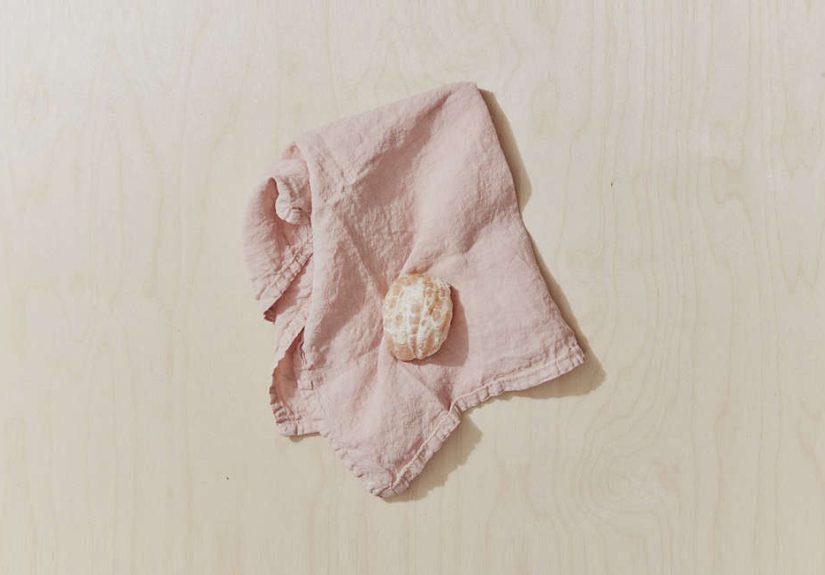
They also age well. Linen tends to soften with use, which means your napkins do not merely survive repeated meals and wash cyclesthey often become more appealing over time. That slightly relaxed texture is part of the appeal. A perfectly pressed napkin looks elegant, but a lightly rumpled linen napkin can look just as beautiful, only less fussy and more alive.
What Makes Linen Different From Other Napkin Fabrics?
If cotton is the friendly everyday classic, linen is the charming cousin who always arrives looking casually put together. Linen is valued for its breathable weave, natural texture, and durability. It feels substantial in the hand without being bulky, and it absorbs well, which is useful when someone enthusiastically attacks a plate of barbecue or buttery corn.
Compared with synthetic fabrics, linen usually looks more elevated and feels more natural. Compared with some cotton napkins, it tends to have more visual texture and a more relaxed drape. That does not mean linen is automatically better for every single household, but it does mean it offers a specific style advantage: it makes a table feel designed without making it feel staged.
For many shoppers, the sweet spot is washed or pre-washed linen. This type usually feels softer from the start and often comes with that casually crinkled finish people love. In practical terms, it can also mean less ironing drama. And fewer ironing battles are good for family peace.
How to Choose the Best Simple Linen Napkins
1. Start with color
If you are buying your first set, start with easy neutrals. White, ivory, natural flax, soft gray, muted green, dusty blue, and earthy tones are all versatile choices. These shades mix well with seasonal table settings and can be dressed up or down. White is classic and bright, but natural flax can be more forgiving when life includes sauces, coffee, and children with excellent aim.
2. Think about size
A larger napkin often feels more luxurious and works better for full place settings. It also gives you more flexibility for simple folds, knots, or napkin rings. Smaller napkins can still be charming for brunch, lunch, or casual family meals, but if you want the most versatile option, a generously sized square usually wins.
3. Look at the finish
Details matter. Mitered corners, tidy hems, and pre-washed fabric often signal a more refined product. These features do not need to scream for attention, but they help a simple napkin look finished rather than flimsy.
4. Buy for real life
If you host often, machine-washable linen is your friend. If you rarely entertain but love a beautiful table, you may want a slightly dressier set. The best napkins are not the ones that photograph well for twelve seconds. They are the ones you will actually reach for again and again.
How to Style Simple Linen Napkins Without Overcomplicating Things
The easiest way to style linen napkins is to remember that simple does not mean boring. It means edited. Thoughtful. Calm. No need to fold a swan unless the swan brings emotional closure.
The casual fold
A neat rectangle or square placed on the plate is timeless. It looks clean, approachable, and works with nearly every kind of dinnerware. If your napkins have beautiful texture or a subtle stripe, this fold lets the material do the talking.
The relaxed knot
A loose knot is one of the best ways to make a table feel modern and effortless. It works beautifully with washed linen because the natural wrinkles become part of the charm. Add a small sprig of rosemary or olive branch if you want a gentle decorative touch.
The napkin ring approach
Napkin rings can instantly sharpen the look of a simple linen napkin. Wood, brass, rattan, ceramic, and velvet-covered rings all create different moods. The key is balance. If your dishes or centerpiece are already making a statement, use understated rings. If the whole table is minimalist, a more decorative ring can add personality.
The layered setting
Linen napkins look especially good when paired with chargers, placemats, or contrasting plates. A soft linen texture against glossy ceramics or woven rattan creates dimension. This is one of the reasons linen feels so rich even when the color palette is restrained.
Simple Linen Napkins for Everyday Meals
One of the biggest mistakes people make is saving linen napkins only for holidays. That is like owning excellent sneakers and wearing them only to stare at them. Simple linen napkins are at their best when they become part of your regular rhythm.
Use them at weekday breakfasts to make a quick table feel intentional. Bring them out at lunch when you are working from home and need a small reminder that life is not meant to be eaten entirely over the sink. Use them at dinner to turn an ordinary meal into something with a little more ceremony. The point is not perfection. The point is presence.
Because linen napkins are reusable, they can also make everyday dining feel less wasteful. Instead of tearing through endless stacks of paper, you build a small routine: use, wash, fold, repeat. It is one of those household habits that feels both old-fashioned and unexpectedly modern.
How to Wash and Care for Linen Napkins
The care question scares some people away from linen, but it really should not. Most simple linen napkins are far less high-maintenance than their fancy reputation suggests. The main rule is to check the care label first, then treat stains promptly and wash with a little common sense.
Wash gently but consistently
For many machine-washable linen napkins, cool or cold water and a gentle or permanent-press cycle work well. Separating lights and darks is still smart, especially with newer or richly colored napkins. A mild detergent is usually enough, though a heavier-duty option can help with food stains after a lively dinner party.
Do not let stains settle in forever
Napkins live a dangerous life. They meet red wine, tomato sauce, candle wax, gravy, lipstick, coffee, berry desserts, and occasionally a child who believes napkins are performance art. Pretreating stains early makes a huge difference. Waiting three business days while the napkin sits in a mysterious kitchen pile is not the finest strategy.
Dry with care
Low heat is generally safer than blasting linen into another dimension. Some people prefer air-drying or removing napkins from the dryer while they are still slightly damp. That helps reduce wrinkling and can make pressing easier if you want a crisper finish.
Iron only if your heart desires
Linen is famous for wrinkles, but that is not always a flaw. A lightly textured, relaxed finish can look beautiful on a casual or modern table. If you prefer a more tailored look, iron or steam the napkins while they are still slightly damp. If not, embrace the softness. Linen does not need to look like it just graduated from military school.
How Many Linen Napkins Do You Actually Need?
For daily use, a set of six to eight is a comfortable starting point for many households. That gives you enough for family meals and a few extras in case one disappears into the mysterious laundry universe. If you host often, two sets in complementary colors can be more useful than one large matching set. Mixing shades can make the table look collected and personal rather than overly coordinated.
You may also want to keep one neutral set for year-round use and one seasonal or accent set for holidays, birthdays, or outdoor dinners. Linen is especially good at mixing patterns and colors, so there is no rule that every napkin must be identical. In fact, a slightly varied table can look more inviting.
Are Linen Napkins Worth the Investment?
For many households, yes. The value comes from longevity, versatility, and daily usefulness. A good linen napkin can move from weekday dinner to brunch to Thanksgiving to a summer patio meal without looking out of place. That kind of range matters more than trend-driven decor that looks exciting for one season and tired by the next.
They also offer a visual upgrade that is surprisingly affordable compared with bigger home purchases. You do not need a renovation budget to make your dining area feel better. Sometimes a new set of linen napkins, a bowl of lemons, and the confidence to dim the overhead lights are enough.
Simple Linen Napkins as a Style Statement
There is something subtly confident about choosing simple linen napkins. They suggest that you care about the details, but not in a rigid or performative way. They say you want the table to feel special, but you also want people to relax, laugh, reach for seconds, and maybe spill a little wine without needing a formal apology.
That balance is what makes them enduring. Trends in entertaining come and go. Maximalist tables, minimalist tables, rustic tables, monochrome tableseach has its moment. Simple linen napkins fit into all of them because they are grounded in texture, utility, and ease. They are not trying to become the main character. They just make the whole scene better.
Real-Life Experiences With Simple Linen Napkins
The first time many people switch from paper to linen napkins, the change feels almost suspiciously small. You set the table, step back, and think, “That is it?” But then dinner starts. The glasses catch the light differently. The plates seem more intentional. Even leftovers look a bit more charming. It is not magic exactly, but it is very close to domestic sorcery.
One of the most common experiences people describe is how quickly linen napkins become part of normal life once they are easy to reach. If they are buried in a cabinet behind the giant platter you use once a year, they will remain “special occasion napkins.” But if they are folded in a drawer near the everyday dishes, they become automatic. Suddenly they are on the table during spaghetti night, soup-and-salad lunches, birthday breakfasts, and random Saturday sandwiches that now feel much more distinguished than they probably deserve.
There is also the tactile pleasure. People notice it right away. Linen feels different in the handsofter, more textured, more real. Guests often comment on it without even realizing why the table feels nicer. Children notice too, though sometimes their main contribution is turning the napkin into a cape, a puppet, or a blanket for a stuffed dinosaur. That may not be classic etiquette, but it is memorable.
For hosts, linen napkins often remove pressure rather than add it. That sounds backward, but it makes sense. Once you have a dependable set, you stop scrambling for the “good paper napkins” or wondering whether your table looks unfinished. A simple fold or loose knot is enough. The napkins do some of the styling work for you. They fill space, soften hard edges, and make the place settings look complete. In other words, they are the kind of home item that quietly earns their keep.
Then there is the laundry reality, which is usually less dramatic than people fear. After a party, you gather them up, pretreat the obvious offenders, wash them, and move on. Yes, sometimes one napkin will emerge looking like it survived a sauce tornado. Yes, some people will always be afraid of red wine. But most of the time, the routine becomes easy. In fact, many linen owners say the biggest surprise is not how hard they are to care for, but how sturdy they feel once they are part of the weekly wash cycle.
Another real-life pleasure is that linen napkins get better with repetition. The first few uses may feel crisp and slightly formal. After more washing, they soften and drape beautifully. That evolution is part of the appeal. They become familiar. They look like they belong in your home because they do. A napkin with a little history often feels more welcoming than one that looks like it was ironed by a perfectionist who fears human joy.
People also discover how flexible simple linen napkins are across seasons. In spring and summer, they feel fresh beside flowers, fruit, and lighter tableware. In fall, they pair beautifully with earthy ceramics, wood tones, and candlelight. In winter, they can make even a modest meal feel cozy and intentional. You do not need to redecorate the entire house. Swapping napkin colors or rings can shift the whole mood of the table.
And perhaps the best experience connected to simple linen napkins is emotional rather than decorative. They slow things down just a little. Setting them out sends a small signal that the meal matters. Not because it has to be fancy, and not because every dinner should feel like a magazine spread, but because a shared table is one of the simplest places where daily life becomes meaningful. Linen napkins do not create that feeling on their own, of course. But they support it beautifully. They remind us that usefulness and beauty can live in the same square of fabricand sometimes that is exactly the kind of simplicity a home needs.
Conclusion
Simple linen napkins prove that everyday beauty does not have to be loud, expensive, or complicated. They add softness, character, and practicality to the table while working just as well for casual lunches as for holiday dinners. They are reusable, adaptable, and quietly luxurious in the best sense of the word. If you want a home staple that makes meals feel more intentional without demanding constant fuss, simple linen napkins are one of the smartest upgrades you can make. Small fabric, big payoff.