Table of Contents >> Show >> Hide
- What counts as a real sleep apnea diagnosis?
- Which doctors can diagnose sleep apnea?
- Who can diagnose other sleep disorders besides sleep apnea?
- How the diagnosis process usually works
- When should you see a sleep specialist instead of “waiting it out”?
- What kind of doctor is best for you?
- Real-world experiences: what patients often go through on the road to diagnosis
- Final thoughts
If you have ever been told that you snore like a leaf blower, stop breathing in your sleep, or wake up feeling like you wrestled a mattress all night, you may be wondering one very practical question: What kind of doctor do I actually need? The answer is not always obvious. Sleep medicine is a team sport. Depending on your symptoms, your first stop could be a primary care doctor, a pulmonologist, a neurologist, an ENT, a psychiatrist, a psychologist, a pediatrician, or a dentist trained in dental sleep medicine. Yes, sleep is apparently too important to fit into one specialty. Rude, but true.
When people search for sleep apnea doctors, they are usually asking two things at once: who can spot a problem, and who can officially diagnose it. Those are not always the same job. A family doctor may be the first person to suspect obstructive sleep apnea. A dentist may notice signs like a narrow airway, heavy tooth grinding, or a large tongue. An ENT may find enlarged tonsils, a deviated septum, or other structural issues. But the actual diagnosis of a sleep disorder usually depends on a medical evaluation plus the right sleep testing.
This guide breaks down who does what, how sleep disorders are diagnosed, and how to figure out which specialist makes the most sense for your symptoms. We will focus on sleep apnea diagnosis, but we will also cover the broader question of who can diagnose other common sleep disorders.
What counts as a real sleep apnea diagnosis?
A true diagnosis is not just a guess based on loud snoring, morning headaches, or your spouse filing a formal complaint. Those clues matter, but they are only clues. To diagnose obstructive sleep apnea, doctors typically combine three pieces of information:
- Your medical history and symptom review
- A physical exam and risk assessment
- An objective sleep test, such as an in-lab sleep study or a home sleep apnea test
That third piece is the game changer. Questionnaires and symptom checklists can raise suspicion, but they do not replace testing. In other words, if you snore like a freight train, that is important. It is just not the entire diagnosis.
In-lab sleep study vs. home sleep apnea test
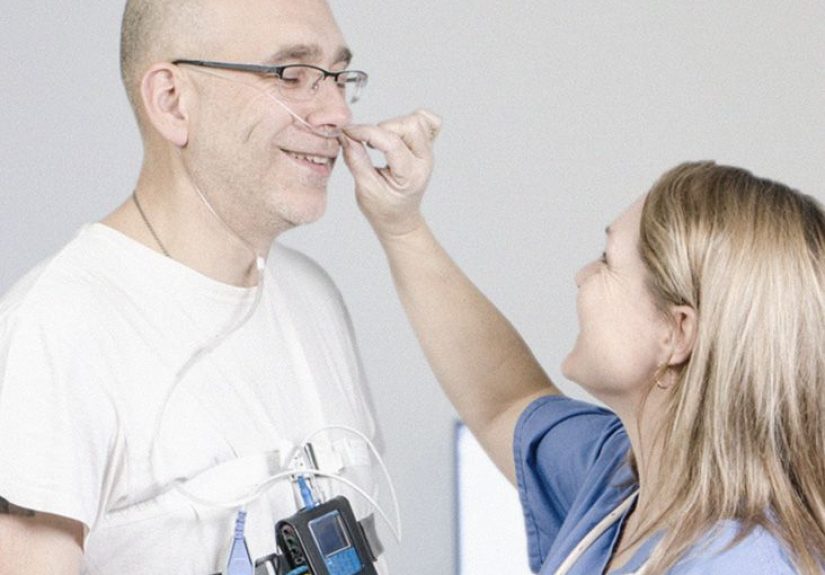
The gold-standard style evaluation for many patients is polysomnography, often called an overnight sleep study. This test is usually done in a sleep lab and records breathing, oxygen levels, heart rate, body movement, and sleep stages. It gives doctors a much richer picture of what happens after the lights go out.
A home sleep apnea test, on the other hand, can be an excellent option for certain adults with a strong suspicion of uncomplicated obstructive sleep apnea. It is more convenient and often less intimidating. However, it has limits. A home sleep apnea test is mainly used to diagnose sleep apnea, not the full menu of sleep disorders. If the home test is negative, incomplete, or just plain unhelpful while symptoms still scream “something is wrong,” doctors may send you for an in-lab study next.
Which doctors can diagnose sleep apnea?
1. Primary care doctors
Your primary care physician is often the first person to connect the dots. If you report chronic snoring, witnessed pauses in breathing, daytime sleepiness, trouble concentrating, or waking up gasping, a primary care doctor may suspect sleep apnea right away. They can review your symptoms, check your blood pressure, look at risk factors such as obesity or neck circumference, and order a referral for testing.
In many cases, primary care is the front door, not the entire house. Think of them as the doctor who says, “This needs a proper sleep workup,” then helps you get to the right specialist.
2. Sleep medicine specialists
If you want the most direct answer to “Who diagnoses sleep disorders?” this is it: a board-certified sleep medicine specialist is usually the most targeted expert. These doctors are specially trained to evaluate a wide range of sleep conditions, including obstructive sleep apnea, central sleep apnea, insomnia, narcolepsy, parasomnias, restless legs syndrome, and circadian rhythm disorders.
Sleep medicine specialists may come from different original backgrounds, including internal medicine, pulmonology, neurology, psychiatry, pediatrics, or otolaryngology. What makes them a sleep specialist is the additional sleep medicine training and certification. If your symptoms are complex, mixed, or unusual, this is often the smartest place to land.
3. Pulmonologists
Pulmonologists specialize in the lungs and breathing, so they are commonly involved in diagnosing and treating sleep apnea. They are especially important when a patient has overlap between sleep-disordered breathing and conditions such as asthma, COPD, obesity hypoventilation, or other respiratory issues.
If your sleep problem seems tightly linked to breathing, oxygen levels, or nighttime respiratory symptoms, a pulmonologist with sleep medicine training can be a strong fit.
4. Neurologists
Neurologists are often involved when the problem goes beyond airway blockage and into the brain’s control of sleep and wakefulness. They may diagnose conditions such as narcolepsy, hypersomnia, REM behavior disorder, certain parasomnias, and some cases of central sleep apnea.
They also matter when excessive sleepiness seems out of proportion to snoring alone. If someone falls asleep in meetings, during movies, or in the middle of a sentence and the story sounds more like a brain-based sleep disorder than straightforward OSA, neurology may step in.
5. ENT doctors (otolaryngologists)
ENTs are experts in the nose, throat, and airway anatomy. They can diagnose structural contributors to snoring and obstructive sleep apnea, such as enlarged tonsils, adenoids, nasal blockage, a deviated septum, or collapse in the upper airway.
In children, ENTs are especially important because enlarged tonsils and adenoids are major causes of sleep-disordered breathing. In adults, an ENT may evaluate whether anatomy is making CPAP harder to tolerate or whether surgery could help selected patients. If your symptoms come with chronic nasal obstruction, mouth breathing, or obvious throat issues, an ENT belongs on the shortlist.
6. Pediatricians and pediatric sleep specialists
Children do not always present like miniature adults with tiny sleep masks. Pediatric sleep apnea may look like loud snoring, pauses in breathing, restless sleep, bedwetting, behavioral issues, mouth breathing, poor school performance, or hyperactivity. A pediatrician may be the first to suspect the problem, but diagnosis often moves to a pediatric sleep specialist or pediatric ENT depending on the case.
That point matters because a child who looks “wired” all day may actually be exhausted. Kids do not always advertise sleep deprivation in the calm, yawning way adults do.
7. Dentists trained in dental sleep medicine
Dentists have an important role, but it is usually a supporting role in diagnosis and a starring role in treatment. A dentist may screen for sleep apnea risk by noticing tooth wear from grinding, a crowded airway, jaw position issues, or a patient history that sounds suspicious. Dentists trained in dental sleep medicine can provide oral appliance therapy, which may be helpful for some patients with snoring or obstructive sleep apnea.
But here is the key distinction: a dentist generally does not replace a medical sleep diagnosis. In most cases, the patient first needs a physician-led evaluation and confirmed diagnosis before an oral appliance becomes part of the treatment plan.
Who can diagnose other sleep disorders besides sleep apnea?
Not every sleep complaint is sleep apnea wearing a fake mustache. Different sleep disorders often call for different specialists.
Insomnia
Insomnia is often diagnosed clinically through a careful history, sleep habits, medication review, mental health screening, and sometimes a sleep diary. A primary care doctor, sleep medicine physician, psychiatrist, or psychologist trained in behavioral sleep medicine may all be involved. Unlike sleep apnea, insomnia does not always require an overnight lab study.
Narcolepsy and hypersomnia
These disorders are usually evaluated by a sleep specialist, often with help from neurology. Diagnosis may involve an overnight polysomnogram followed by a multiple sleep latency test (MSLT), which measures how quickly a person falls asleep during scheduled daytime naps.
Restless legs syndrome and movement disorders
Primary care doctors can identify many cases, but neurologists and sleep specialists are often involved when symptoms are severe, confusing, or resistant to treatment.
Parasomnias
Sleepwalking, night terrors, REM behavior disorder, and other unusual nighttime behaviors may need evaluation by a sleep specialist or neurologist. Sometimes the issue is benign. Sometimes it is not. This is not the category for “Let’s just see what happens.”
How the diagnosis process usually works
- You notice symptoms. Snoring, choking awake, unrefreshing sleep, morning headaches, daytime fatigue, or weird nighttime behaviors.
- You see a clinician. Often primary care, but sometimes an ENT, neurologist, or sleep specialist first.
- You get a focused evaluation. Medical history, medications, family history, physical exam, and risk review.
- You complete the right test. Home sleep apnea test, in-lab sleep study, MSLT, actigraphy, or no sleep study at all depending on the suspected disorder.
- A qualified medical professional interprets the results. This is where the formal diagnosis happens.
- Treatment gets matched to the diagnosis. CPAP, oral appliance, weight-loss strategies, positional therapy, surgery, cognitive behavioral therapy for insomnia, medications, or combinations of these.
When should you see a sleep specialist instead of “waiting it out”?
You should move beyond wishful thinking and internet quizzes if you have any of the following:
- Loud chronic snoring with witnessed pauses in breathing
- Waking up gasping, choking, or short of breath
- Daytime sleepiness that affects driving, work, or safety
- Morning headaches or dry mouth
- Hard-to-control high blood pressure
- Insomnia that lasts for weeks and affects daily functioning
- Sudden muscle weakness with emotions, vivid dream-like hallucinations, or severe daytime sleep attacks
- Unusual nighttime behaviors such as acting out dreams or frequent sleepwalking
If you are wondering whether your symptoms are “bad enough,” that is usually a sign they are worth discussing. Sleep disorders love to masquerade as stress, aging, burnout, laziness, or “just being a bad sleeper.” They are sneaky like that.
What kind of doctor is best for you?
Here is the practical shortcut:
- Start with primary care if you need a first evaluation or referral.
- Choose a sleep medicine specialist if symptoms are mixed, complicated, or severe.
- Choose a pulmonologist if breathing problems or lung disease are part of the picture.
- Choose a neurologist if the issue looks like narcolepsy, hypersomnia, or a brain-based sleep disorder.
- Choose an ENT if airway anatomy, snoring, tonsils, or nasal blockage seem central.
- Choose a pediatric specialist for children.
- Choose a dentist trained in dental sleep medicine when oral appliance therapy is being considered after medical evaluation.
The best answer is often not one doctor, but the right sequence of doctors. Sleep medicine works best when specialists collaborate instead of acting like soloists in different songs.
Real-world experiences: what patients often go through on the road to diagnosis
In real life, the path to a sleep disorder diagnosis rarely begins with a dramatic movie scene where someone points at the ceiling and shouts, “Aha, obstructive sleep apnea!” It is usually more ordinary than that. A middle-aged office worker starts nodding off during afternoon meetings and blames stress. A spouse reports thunderous snoring and long silent pauses. A parent notices a child sleeps restlessly, breathes through the mouth, and seems oddly hyper during the day. A college student jokes about being “born tired,” not realizing that collapsing into naps every afternoon is not normal. These are the kinds of experiences that quietly lead people into sleep clinics.
One common pattern is frustration before clarity. Many adults spend months or years chasing the wrong explanation first. They blame caffeine habits, a busy work schedule, getting older, a bad mattress, or the universal modern scapegoat: screens. Then a doctor asks a few pointed questions. Do you snore? Has anyone seen you stop breathing? Do you wake with headaches? Do you feel sleepy while driving? Suddenly, the story sounds less like “I’m just tired” and more like a textbook case of sleep-disordered breathing.
Another frequent experience is surprise at how many specialists may be involved. Patients often assume there must be one single “sleep doctor” sitting in a dark room somewhere, waiting heroically beside a CPAP machine. In reality, care can involve a primary care doctor for the initial referral, a sleep physician to interpret testing, a technologist who runs the study, an ENT who checks the airway, and even a dentist who fits an oral appliance. For families, that team approach can feel overwhelming at first, but it is usually a sign that the right people are looking at the problem from different angles.
Children bring a different kind of experience. Parents may not suspect a sleep disorder at all. They may worry about behavior, school performance, mood swings, or constant mouth breathing. Then an evaluation reveals enlarged tonsils, poor sleep quality, or possible pediatric sleep apnea. For many families, the biggest emotional moment is realizing the child was not “difficult” or “lazy” or “bad at mornings.” The child was exhausted.
There is also the adjustment period after diagnosis. Some patients feel relief because they finally have a name for what has been happening. Others feel intimidated by terms like polysomnography, apnea-hypopnea index, CPAP titration, or oral appliance therapy. That reaction is normal. Sleep medicine can sound like a club with too many acronyms and not enough coffee. But once the diagnosis is clear, treatment often becomes much less scary. People who start effective therapy frequently describe better energy, sharper thinking, fewer headaches, and less resentment from the person sleeping next to them. In the glamorous world of adult health victories, “I no longer snore like a chainsaw” is a solid achievement.
Final thoughts
If you suspect sleep apnea or another sleep disorder, the most important move is not choosing the perfect specialist on the first try. It is starting the evaluation. Primary care doctors can open the door. Sleep specialists can connect the puzzle pieces. Pulmonologists, neurologists, ENTs, pediatricians, psychologists, psychiatrists, and dentists may all play meaningful roles depending on the problem.
So who can diagnose sleep disorders? In the broadest sense, several types of clinicians can identify, evaluate, and manage them. But when it comes to a firm sleep apnea diagnosis, the answer usually comes through a physician-led medical evaluation backed by the right test. That is the difference between guessing you sleep badly and actually knowing why.