Table of Contents >> Show >> Hide
- Is Soy Safe During Pregnancy?
- Potential Benefits of Soy During Pregnancy
- Best Soy Foods to Choose During Pregnancy
- What to Avoid or Limit
- 1. Soy isoflavone supplements and concentrated soy extracts
- 2. Unpasteurized soy beverages or homemade products with unclear safety
- 3. Raw sprouts in soy-heavy meals
- 4. Highly processed soy foods loaded with sodium, sugar, or additives
- 5. Too much soy sauce and salty condiments
- 6. Soy if you have an allergy or a medical reason to avoid it
- Does Soy Affect Hormones or the Baby?
- How Much Soy Is Reasonable During Pregnancy?
- Special Situations to Keep in Mind
- Simple Tips for Eating Soy Safely in Pregnancy
- Final Takeaway
- Real-World Experiences With Soy During Pregnancy
- SEO Tags
Pregnancy has a funny way of turning ordinary foods into dramatic conversation starters. Coffee suddenly needs a committee meeting. Deli meat gets side-eyed. And soy? Soy walks into the room wearing a tiny name tag that says, “Hi, I’m misunderstood.” One person says tofu is a pregnancy hero. Another whispers that soy is basically edible hormones. Meanwhile, you are just trying to eat lunch without turning into a search engine.
Here’s the practical truth: for most pregnant people, soy foods can absolutely fit into a healthy pregnancy diet. In fact, many pregnancy nutrition resources include soy products as solid choices for protein, calcium, and variety. The bigger question is not, “Is soy evil?” It is, “Which soy foods make sense during pregnancy, and which ones deserve a little caution?” That is where things get more useful and a lot less dramatic.
This guide breaks down what soy is, whether it is safe in pregnancy, what benefits it may offer, and which soy products are smarter picks than others. We will also cover the items to limit or avoid, because not all soy foods wear the same nutritional cape.
Is Soy Safe During Pregnancy?
For most people, yes. Moderate amounts of whole or minimally processed soy foods are generally considered safe during pregnancy. That includes foods like tofu, tempeh, edamame, roasted soybeans, and fortified soy milk. These foods show up in mainstream pregnancy nutrition guidance as acceptable protein foods or fortified dairy alternatives, not as forbidden ingredients hiding in the shadows.
One reason soy gets so much attention is that it contains isoflavones, natural plant compounds sometimes called phytoestrogens. That word tends to make people clutch their reusable grocery bags. But phytoestrogens are not the same thing as the estrogen your body makes. They act much more weakly, and eating soy food does not equal taking hormone therapy. In plain English: a tofu stir-fry is not secretly running your endocrine system.
What the evidence supports best is this: normal food amounts of soy are very different from concentrated soy supplements. The concern rises when people move from food to powders, pills, extracts, and “extra strength” wellness products. During pregnancy, that distinction matters.
Why the confusion around soy?
Most of the soy panic came from old headlines, animal studies using very high exposures, and a lot of oversimplified talk about “plant estrogen.” Real-life nutrition is messier than that. Tofu is not just isoflavones. Soy foods also bring protein, minerals, fiber, and calories that help support a growing pregnancy. Looking at soy only through the lens of one compound is a little like judging a movie by one extra in the background.
Potential Benefits of Soy During Pregnancy
Soy is not a miracle food, and it does not need a parade. But it can be genuinely useful during pregnancy, especially when you want flexible, affordable, easy-to-cook protein.
1. Soy provides high-quality protein
Protein matters during pregnancy because it supports growth in maternal tissue, the placenta, and the developing baby. Soy stands out among plant foods because it is considered a high-quality protein source. That makes tofu, tempeh, edamame, and soy milk especially helpful for vegetarians, vegans, people with meat aversions, or anyone whose first-trimester nausea has made chicken suddenly feel like a personal enemy.
If the smell of eggs makes you flee the kitchen but cold tofu with rice sounds manageable, soy can be a practical win. Pregnancy nutrition is not about perfection. It is about meeting your needs in ways your stomach will actually tolerate.
2. Fortified soy milk can help cover key nutrient gaps
Not every soy beverage is created equal, but fortified soy milk can be one of the most useful non-dairy options in pregnancy. Compared with many other plant-based milks, soy milk is usually higher in protein and may be fortified with calcium, vitamin D, and vitamin B12. That makes it especially helpful if you do not drink cow’s milk or are following a plant-based eating pattern.
The key word there is fortified. Plain soy milk without added nutrients is not the same nutritional package. Reading the label matters. You want the carton that shows up ready to work, not the one that coasts by on branding and vibes.
3. Some soy foods contribute iron, calcium, and fiber
Depending on the form, soy foods can bring more than just protein. Tofu made with calcium salts can contribute calcium. Soybeans and edamame can add fiber. Some soy foods also contribute iron, which matters because iron needs rise during pregnancy. These nutrients are especially useful when building balanced meals around grains, vegetables, fruit, and prenatal vitamins.
That does not mean soy replaces the need for a varied diet. It means soy can be a useful team player. Think of it as a strong utility infielder, not the whole roster.
4. Soy can be helpful for plant-based pregnancies
If you are pregnant and vegetarian or vegan, soy can make meal planning much easier. It works in savory dishes, snacks, smoothies, soups, and quick lunches. It also helps fill gaps that can show up when you cut back on meat or dairy. Soy is not the only way to eat well during pregnancy, but it is one of the easiest ways to keep meals satisfying without defaulting to ultra-processed snack foods.
Best Soy Foods to Choose During Pregnancy
When in doubt, lean toward soy foods that are whole, minimally processed, and nutritionally useful. These are usually the strongest choices:
Tofu
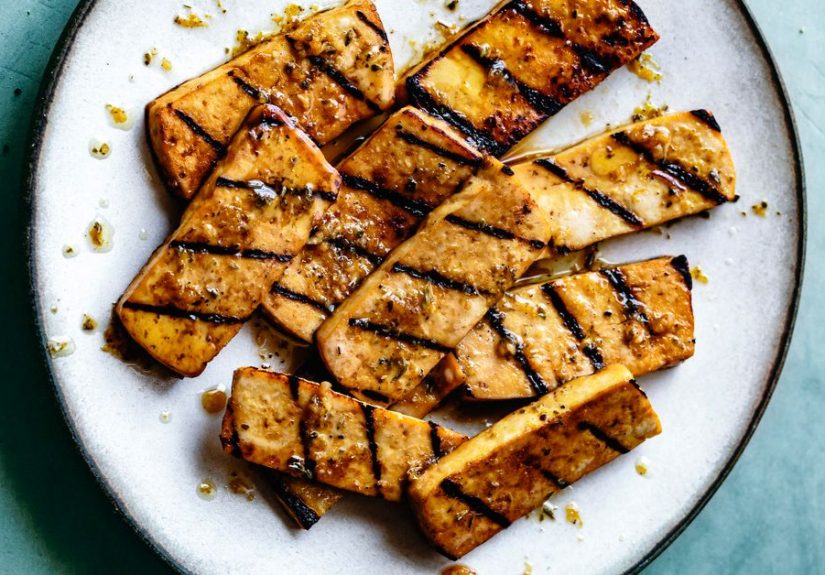
Tofu is versatile, mild, and easy on many sensitive stomachs. You can bake it, scramble it, air-fry it, blend it into sauces, or drop it into soup. Firm tofu works well in savory meals, while silken tofu can disappear into smoothies and puddings.
Tempeh
Tempeh is fermented, firmer, and nuttier than tofu. It can be a great protein option if you want something more substantial. It is also handy for sandwiches, grain bowls, and stir-fries.
Edamame
Edamame is one of the easiest pregnancy snacks on earth. Steam it, add a little seasoning, and you have a protein-and-fiber option that requires almost no emotional labor. It is the rare food that can be both practical and smugly healthy.
Fortified soy milk
Choose unsweetened or lower-sugar versions when possible. Check the label for calcium, vitamin D, and vitamin B12 fortification. This is one of the smartest soy choices if you need a milk alternative that actually contributes meaningful nutrition.
Soy yogurt and roasted soybeans
These can also fit well, especially when fortified or minimally sweetened. Again, labels matter. Some products are balanced snacks; others are basically dessert in activewear.
What to Avoid or Limit
Soy itself is not the villain here. The issue is usually form, processing, and context.
1. Soy isoflavone supplements and concentrated soy extracts
This is the biggest caution. Whole soy foods are one thing. Concentrated supplements are another. Pregnancy is not the time to freestyle with soy pills, hormone-balance powders, or trendy wellness capsules unless your healthcare provider specifically recommends them.
Supplements are not automatically safer just because they came from a plant or have soft pastel packaging. Many supplements have not been well tested in pregnant people, and concentrated soy or isoflavone products may deliver far more active compounds than a normal meal would.
2. Unpasteurized soy beverages or homemade products with unclear safety
Food safety matters more during pregnancy because foodborne illness can be more dangerous for both parent and baby. If you are buying fresh soy drinks, refrigerated soy puddings, or homemade soy beverages from small vendors, make sure they are pasteurized or prepared safely. Pregnancy is not the season for mystery beverages with excellent branding and zero food safety details.
3. Raw sprouts in soy-heavy meals
This point is not about soybeans themselves, but it comes up often in the same kinds of meals. Raw bean sprouts, including mung bean sprouts, can carry harmful bacteria. If your tofu bowl, bánh mì, salad, or noodle dish includes sprouts, make sure they are cooked. Raw sprouts are a classic example of a food that seems innocent and crunchy until it starts causing chaos.
4. Highly processed soy foods loaded with sodium, sugar, or additives
Not all soy foods are equally helpful. Some meat substitutes, frozen soy snacks, sweetened soy drinks, and soy-based snack bars are so packed with sodium, added sugar, or refined ingredients that the soy itself becomes the least interesting thing about them. That does not mean you can never eat them. It just means they should not be your main soy strategy.
A tofu vegetable stir-fry and a neon-orange soy-based “protein chip puff” are not nutritionally interchangeable. Your body knows the difference, even if the marketing department does not.
5. Too much soy sauce and salty condiments
Soy sauce, miso soup, teriyaki sauces, and packaged marinades can push sodium high in a hurry. A little is fine for flavor, but pregnancy is a good time to notice the balance of your overall diet. If a meal is built around vegetables and tofu but drowned in salty sauce, the sauce may be doing the loudest nutritional talking.
6. Soy if you have an allergy or a medical reason to avoid it
This one is simple. If you are allergic to soy, do not eat soy. If you have a condition or medication issue that makes soy intake more complicated, talk to your healthcare provider. Common sense gets a gold star here.
Does Soy Affect Hormones or the Baby?
This is the question that keeps soy on trial in online comment sections. The current practical answer is that normal dietary amounts of soy food are not considered harmful for most pregnancies. The isoflavones in soy are not identical to human estrogen, and mainstream guidance does not tell pregnant people to avoid tofu, tempeh, edamame, or fortified soy milk.
That said, pregnancy is not a great time to chase extreme intake in either direction. You do not need to avoid soy completely, and you also do not need to build an all-soy lifestyle brand. Moderate intake inside a varied diet is the most sensible lane.
How Much Soy Is Reasonable During Pregnancy?
There is no major U.S. pregnancy rule that says you must eat a certain number of soy servings daily, and there is no mainstream recommendation saying normal food amounts should be avoided. A practical approach is to treat soy as one useful protein option among many.
That might look like:
- fortified soy milk with breakfast,
- edamame as an afternoon snack, or
- tofu or tempeh in a lunch or dinner meal.
The goal is variety, not a soy marathon. Rotate soy with beans, lentils, dairy if you use it, eggs, nuts, seeds, fish that is safe in pregnancy, or lean meats if you eat them.
Special Situations to Keep in Mind
If you take thyroid medication
Soy can interfere with the absorption of levothyroxine. That does not mean you need to ban soy forever. It means timing matters. If you take thyroid medication, follow your clinician’s instructions and avoid having soy too close to your dose.
If you are vegan or mostly plant-based
Soy can be a huge help, but it should not carry the whole diet by itself. Pay attention to vitamin B12, iron, iodine, calcium, vitamin D, choline, omega-3s, and protein overall. A prenatal vitamin and a well-planned eating pattern still matter.
If you have gestational diabetes or blood sugar concerns
Unsweetened soy foods may fit nicely because they can provide protein without a large sugar load. Sweetened soy drinks and dessert-style products are a different story. This is one of those moments where the label quietly becomes your best friend.
Simple Tips for Eating Soy Safely in Pregnancy
- Choose whole or minimally processed soy foods most often.
- Pick fortified soy milk if you need a dairy alternative.
- Favor unsweetened versions when possible.
- Cook sprouts thoroughly or skip them.
- Avoid soy supplements unless your provider specifically recommends them.
- Watch sodium in sauces, soups, and packaged meat substitutes.
- Keep soy away from thyroid medication timing if instructed to do so.
- Use soy as part of a varied pregnancy diet, not the entire blueprint.
Final Takeaway
Soy in pregnancy is usually far less dramatic than the internet makes it sound. For most pregnant people, whole soy foods such as tofu, tempeh, edamame, and fortified soy milk are safe, practical, and nutritious choices. They can help with protein intake, offer useful nutrients, and make plant-based or dairy-free eating much easier.
The smarter caution is not “avoid soy at all costs.” It is “be selective.” Choose real food over concentrated supplements. Choose pasteurized, safely prepared products over risky ones. Choose balanced meals over ultra-processed soy gimmicks. And if you have a thyroid condition, food allergy, or a medically complicated pregnancy, get personalized guidance from your healthcare provider.
In other words, soy does not need to be feared, worshipped, or turned into a personality trait. It just needs to be eaten wisely.
Real-World Experiences With Soy During Pregnancy
One of the most common experiences pregnant people describe is that soy becomes useful not because it is trendy, but because it is tolerable. In the first trimester, when smells become theatrical and certain foods feel personally offensive, tofu often gets promoted simply because it is bland, cool, soft, and not aggressively aromatic. A person who cannot stand scrambled eggs or chicken may find that silken tofu in a smoothie or chilled tofu with rice and sesame feels manageable. It is not glamorous, but pregnancy nutrition often rewards the foods you can actually keep down, not the foods that look perfect on paper.
Another common experience is the “I thought all plant milks were basically the same” moment. Then pregnancy happens, and suddenly labels matter. Someone switches from almond milk to fortified soy milk and realizes they feel fuller longer because soy milk usually has more protein. They also discover that some soy milks are fortified with calcium and vitamin D, while others are basically flavored water with a nice carton. That lesson tends to stick. Pregnancy has a way of turning casual grocery shoppers into people who read the side panel like it is a mystery novel.
There is also the experience of learning that not all soy foods feel equally good. One person may do great with tofu and soy milk but feel bloated after a giant bowl of edamame. Another may love tempeh but find heavily processed soy burgers too salty or too greasy. Pregnancy can make digestion more sensitive, so the “best” soy food often becomes the one that fits your stomach, your appetite, and your energy level that week. Sometimes the ideal meal is a carefully planned grain bowl. Sometimes it is toast, fruit, and a cold glass of fortified soy milk because survival is a valid meal-planning theme.
Some people also run into soy through cultural foods they already love. Miso soup, tofu stews, soy milk drinks, stir-fries, noodle bowls, and bean-curd dishes may already be normal parts of family life. In those cases, the experience is less about adding soy and more about adjusting it. That might mean using less soy sauce to keep sodium in check, choosing cooked sprouts instead of raw ones, or making sure homemade soy drinks are prepared safely. Pregnancy does not always demand a brand-new diet. Often it just asks for smarter edits to the one you already have.
A particularly eye-opening experience happens for people taking thyroid medication. They may feel proud of a very healthy breakfast of soy latte, fortified cereal, and tofu scramble, only to learn later that soy can interfere with levothyroxine absorption if the timing is too close. The lesson is not “soy is bad.” It is “timing matters.” Once they separate the medication from soy-containing meals, the issue usually becomes much more manageable.
Then there is the emotional side. Many pregnant people feel relieved when they realize they do not need to fear normal soy intake. Nutrition advice during pregnancy can become so full of warnings that every grocery trip starts to feel like a pop quiz. Discovering that tofu is allowed, soy milk can be useful, and edamame is a perfectly reasonable snack can make eating feel less stressful. That relief matters. A calmer relationship with food is not a side benefit during pregnancy. It is part of good care.
So the real-world experience with soy in pregnancy often looks like this: a little label reading, a little trial and error, a few food aversions, a few pleasant surprises, and eventually a routine that feels normal again. Not dramatic. Not magical. Just practical, nourishing, and refreshingly unscandalous.