Table of Contents >> Show >> Hide
- What Makes a “Strong Female Character” (and What Doesn’t)
- Why 2024–2025 Marked a Real Shift
- Iconic Film Badasses: Then and Now
- Television Titans Who Redefined “Strong”
- How to Spot the Real Thing (A Quick Checklist)
- Industry Trendlines: Where We Go Next
- Case Studies: Texture Over Tropes
- FAQ: Common Myths, Quickly Debunked
- Conclusion
- 500-Word Experience: Watching Women Badasses Rewire the Screen
If you’ve ever wanted an action scene where the high heels come off, the hair goes up, and the plot armor finally fits women as well as it’s always fit menwelcome. Today’s screen heroines run the gamut from quiet schemers to sledgehammer-swinging road warriors, and the data finally backs up what fans have been shouting for years: women aren’t the side quest; they’re the main storyline. In 2024’s top-grossing films, female-led and co-led stories hit historic levels of parity with male-led filmsa sea change that’s reshaping what “strong female character” really means.
What Makes a “Strong Female Character” (and What Doesn’t)
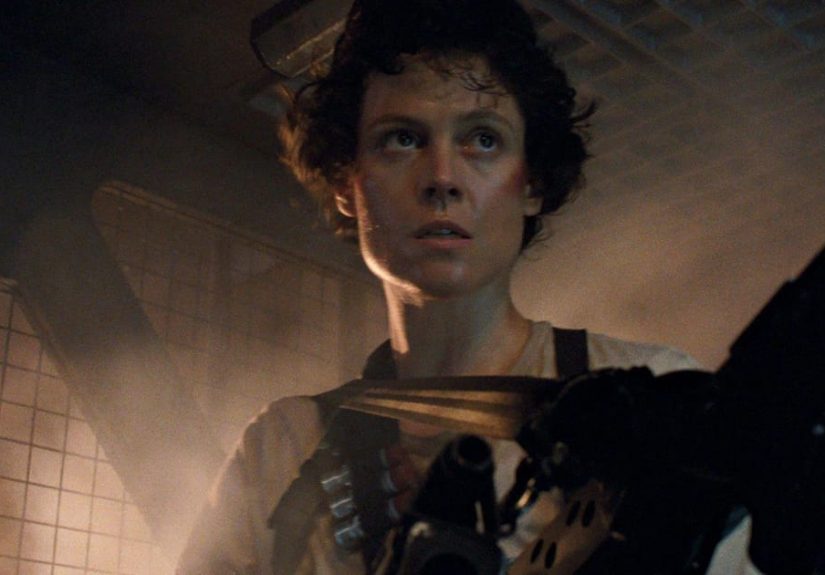
Let’s retire the checkbox: “tough, snarky, good with knives.” Strength isn’t a single trait; it’s narrative agency. It’s choices with consequences, goals beyond romance props, and arcs that evolve. Ellen Ripley didn’t survive Alien because she snarled; she survived because she was competent, clear-eyed, and decisive, a quality that helped land her among AFI’s top cinematic heroes (alongside Clarice Starling).
Modern storytelling also embraces complicated leadershipthink senators, single moms, scientists, and slayers. It can be kinetic (Furiosa punching a diesel-addled future) or quiet (Mon Mothma pulling financial and moral levers against a fascist state). Either way, the backbone is the same: a woman whose wants propel the plot.
Why 2024–2025 Marked a Real Shift
Two things can be true at once: the industry still has work to do, and the needle movedvisibly. Multiple independent tallies reported that 2024’s top films reached parity in female protagonists, with some counts finding over half of the biggest movies featured a girl or woman as a lead or co-lead. That’s a dramatic jump from 2023. It’s not “mission accomplished,” but it is finally “mission underway.”
Age representation nudged forward, too: the number of women 45+ headlining hit films rose compared with prior yearsstill uneven, but notable for an industry that too often sidelines women past their 30s. Progress is uneven across race and ethnicity, so it’s crucial to celebrate gains while demanding broader inclusion.
Iconic Film Badasses: Then and Now
Ellen Ripley & Sarah Connor: Blueprint Builders
Ripley (Alien) and Sarah Connor (Terminator 2) rewrote the action rulebook decades ago. They weren’t “girl versions” of male heroes; they were strategic, terrified, brave, and human. Ripley’s AFI-validated stature and Starling’s investigative steel proved audiences would follow women through horror, action, and psychological cat-and-mouse.
Imperator Furiosa: Grit, Gear Shifts, and a Mythic Arc
George Miller’s Wasteland is not a subtle place, and Furiosa’s journeyfrom theft of agency to reclamation of destinyhas become a modern touchstone for action mythmaking. The 2024 prequel extended the legend with a ferocious, purpose-driven origin story that doubled down on resolve over quips.
Barbie: A Pink Popcorn Juggernaut with a Point
It’s easy to mistake glitter for fluff, but Barbie used a billion-dollar microphone to ask who gets to be “real” and why. Greta Gerwig’s film set records for a solo female director, proved commercial muscle can coexist with feminist satire, and smuggled big questions into a dance number.
Clarice Starling: Quiet Courage as Power
Starling’s strength in The Silence of the Lambs isn’t brute forceit’s intellect under pressure, ambition without cynicism, and empathy used as a weapon against monsters. AFI’s rankings recognize precisely that kind of nuanced heroism.
Television Titans Who Redefined “Strong”
Buffy Summers: The Quippy Slayer Who Grew Up
Buffy flipped horror’s damsel script, then surfed wave after wave of thematic challengesadolescence, grief, leadership, sacrificewhile staking vampires and stereotypes alike. Decades of academic analysis treat Buffy as a landmark in feminist televisual storytelling, not because she can bench-press a Bezoar, but because she fails, learns, and chooses anyway.
Xena: Warrior Princess: Camp, Steel, and Subversion
Years before “peak TV,” Xena swung into living rooms with a blend of pulp and radical possibility. Scholarship credits the show with pushing conversations about gender performance and queer subtext, all wrapped in yo-yoing chakram choreography and unblinking swagger.
Mon Mothma in Andor: The Power of Soft-Spoken Resistance
Sometimes the loudest rebellion is conducted in whispers. Andor reframed Mon Mothma as a leader who weaponizes etiquette, banking, and personal sacrifice to strangle a regime. Season 2’s bracing political beats underline how moral courage can be as “badass” as a hallway brawl.
Ellie in The Last of Us: Survivor First, Symbol Second
Ellie’s arctrauma, tenderness, terrible choicesrefuses the easy catharsis of post-apocalyptic fiction. She’s been recognized as an iconic figure in modern character polls, spanning the original game and the acclaimed TV adaptation, and her complexity challenges tidy labels like “strong” or “weak.”
Starlight in The Boys: Calling Out the Spotlight
In a show built to torch corporate hero myths, Starlight’s journey exposes exploitation and image management. Offscreen, the discourse around the actor’s harassment underscores the cost of playing a woman who tells uncomfortable truths in a franchise about weaponized celebrity.
How to Spot the Real Thing (A Quick Checklist)
- Agency: She chooses, fails, recalibrates, winsor loseson her terms.
- Interior Life: Goals exist beyond serving others’ arcs (romantic, paternal, or “manpain” adjacent).
- Consequences: Decisions ripple through plot and theme, not just stunt reels.
- Range: Stoic, playful, ruthless, maternal, ambitiousmore than one setting on the dial.
- Community: Allies and rivals who aren’t just mirrors; women can disagree without one being “the problem.”
Industry Trendlines: Where We Go Next
Parity in leads is a milestone, but parity behind the camera remains stubborn. To keep momentum, studios must invest in writers, editors, and department heads who can birth complex women from page to screen. That means recommitting to inclusion during boom and bust cyclesbecause when the economics waver, representation shouldn’t be the first budget cut.
Case Studies: Texture Over Tropes
Furiosa vs. the Wasteland
Her strength isn’t a single set piece; it’s a strategy: adapt, ally, and outlast. The prequel clarifies how a child of theft becomes an architect of liberationless “invincible,” more “inevitable.”
Barbie vs. Expectation
When a comedy tops global charts, it complicates old studio arguments that “female-led” is a niche risk. It wasn’t; it was a phenomenon, and it kicked the door wider for the next wave.
Mon Mothma vs. Complicity
Rather than lightsaber duels, we get social maneuvering under surveillanceproof that “badass” can mean signing the most dangerous check in the galaxy.
FAQ: Common Myths, Quickly Debunked
“Strong means flawless.”
Nope. Flaws create arcs. Buffy stumbles; Ellie breaks; Furiosa compromises; Starling doubts. Strength is staying in the fight.
“Audiences won’t show up.”
They did. They do. They willwhen the story slaps. See also: Barbie’s marathon sprint through the record books.
Conclusion
“Strong female character” isn’t a genre; it’s a promiseto write women with stakes, skill, and souls. The last two years proved there’s an appetite (and a business case) for complex heroines across tones and media. Now it’s on studios and storytellers to keep supplying the good stuff: less stereotype, more specificity; fewer tokens, more titans.
sapo: Women aren’t sidekicks anymorethey’re the mission. This in-depth guide tracks how strong female characters conquered the box office and prestige TV alike. We break down what “strength” truly means, spotlight legendary heroines (Ripley, Clarice, Buffy), unpack 2024’s parity milestone, and map what comes next. Whether you love road-warrior epics or political intrigue, here’s how to spot authentic women badassesand why audiences keep showing up for them.
500-Word Experience: Watching Women Badasses Rewire the Screen
Confession: I measure time by fight scenes and speeches. One clock starts with Ripley in a loader suit hissing “get away from her,” the other with Starling refusing to blink as a monster tries to crawl inside her head. Those moments reprogrammed my expectations for what a heroine can do on screenand what audiences will accept from her. Years later, in a packed theater for Furiosa, I listened to the hush that falls when a character chooses pain today for freedom tomorrow. You could feel the room lean in, collectively realizing this wasn’t just stunt work; it was fate wrestling with free will.
On TV, my litmus test became Buffy’s tiny, ferocious kindnessthe way she jokes to keep friends breathing and then carries a world that won’t return the favor. Xena swung the pendulum the other way: brash, operatic, generous in the ways camp can be when it refuses to apologize. These shows taught me that strength often looks like care with consequences, that being “the leader” means giving up what you want so someone else gets to want anything at all.
Then came the quieter revelations. Andor turns rebellion into spreadsheets and social traps, and somehow Mon Mothma’s still the bravest person in the room. Watching her dance on a knife’s edge between family duty and moral duty hit like a new category of action scene: one where the cut is internal, the blood metaphorical, and the stakes terminal. That’s when I stopped arguing about definitions. “Badass” is an energy, not a weapon list. It’s a woman choosing the hard right over the easy wrongand owning the fallout.
And yes, the discourse can be rough. Actors who carry these roles absorb a blast radius of online noise. But even that backlash is an omen: culture fights hardest right before it shifts. The box office, the viewership, the critical reappraisalsthose are the receipts. Every time the lights go down and a woman walks into danger with purpose, I watch a thousand old notes of caution get rewritten into chords of possibility. This, finally, is what progress feels like: not a straight line, but a road trip with the right driverand a lot of miles left to cover.