Table of Contents >> Show >> Hide
- Bob Vila’s Tested Winners (2026 Snapshot)
- The Best Faucet Water Filters (Based on Bob Vila’s Testing)
- 1) Brita Elite Advanced Water Filter Faucet System (Best Overall)
- 2) Brita Basic Faucet Mount Water Filter System (Best Bang for the Buck)
- 3) Culligan FM-15A Advanced Faucet Mount Filter (Best Compact)
- 4) PUR PFM150W Horizontal Faucet Filtration System (Best for Well Water)
- 5) Culligan FM-25 Faucet Mount Filter System (Best for Lead)
- 6) PUR Plus PFM350V Faucet Water Filtration System (Best for Pesticides)
- How Bob Vila Tested Faucet Water Filters (Why These Picks Aren’t Guesswork)
- What Faucet-Mounted Water Filters Actually Do (and Don’t Do)
- They’re great for: Taste, odor, and common nuisance stuff
- They can be strong for: Lead and select health contaminants (with the right certification)
- They’re not the best tool for: Microbes, extreme contamination, or whole-house needs
- PFAS note: Don’t assume every faucet filter handles “forever chemicals”
- Certification Cheat Sheet (Read This Before You Pay for Promises)
- How to Choose the Right Faucet Water Filter
- Installation & Maintenance Tips (The Stuff Nobody Reads Until Something Drips)
- When a Faucet Filter Isn’t Enough
- FAQs
- Bottom Line
- Real-World Experiences: What Happens After the “New Filter” Honeymoon (500+ Words)
Tap water is a modern miracle… right up until it tastes like you’re licking a swimming pool noodle. If you’re tired of “essence of chlorine,” nervous about old pipes, or just trying to make your coffee taste like coffee instead of “municipal vibes,” a faucet-mounted water filter is one of the fastest upgrades you can make. No plumber. No countertop appliance hogging space. No complicated commitment. Just cleaner-tasting water on demand.
This guide pulls together Bob Vila’s hands-on testing (the real-world kind where flow rate, leaks, and daily usability actually matter), plus what reputable U.S. standards bodies and water-safety agencies say about certifications and contaminants. The goal: help you pick a faucet water filter that fits your faucet, matches your water concerns, and won’t make you regret every time you fill a pasta pot.
Bob Vila’s Tested Winners (2026 Snapshot)
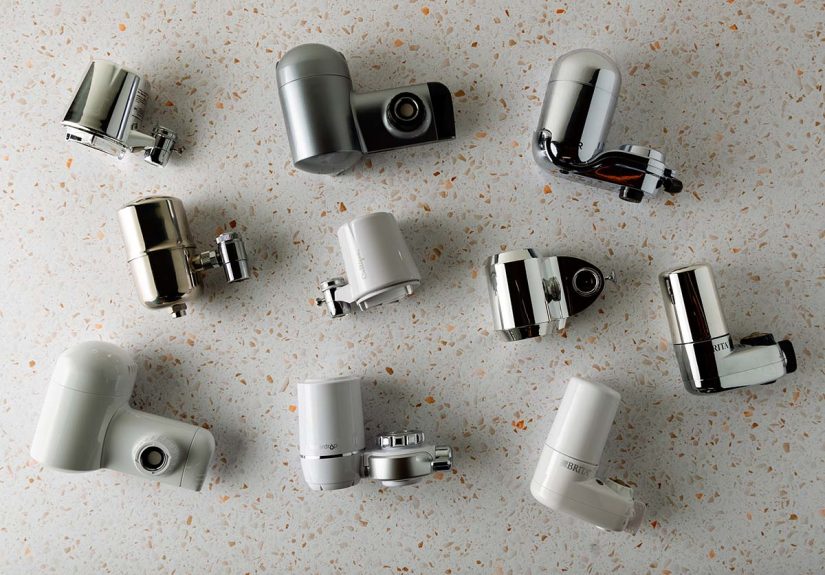
Bob Vila’s product review team researched dozens of faucet filters, chose a short list, and tested 10 models in-home for usability, flow, taste, and practicality. The picks below are the headline winners from that testingorganized by what you’re trying to solve.
| Category | Tested Pick | Why It Wins | Typical Filter Life | Max Flow (Approx.) |
|---|---|---|---|---|
| Best Overall | Brita Elite Advanced Water Filter Faucet System | Strong certifications + easy install + balanced performance | 100 gallons | ~0.5 GPM |
| Best Bang for the Buck | Brita Basic Faucet Mount Water Filter System | Great value, user-friendly indicator, solid filtration | 100 gallons | ~0.58 GPM |
| Best Compact | Culligan FM-15A Advanced Faucet Mount Filter | Compact build + longer filter life (for a faucet unit) | 200 gallons | ~0.5 GPM |
| Best for Well Water | PUR PFM150W Horizontal Faucet Filtration System | Targets a wide mix of contaminants; great taste in testing | 100 gallons (or ~3 months) | ~0.52 GPM (often feels slower) |
| Best for Lead | Culligan FM-25 Faucet Mount Filter System | Lead-focused performance + durable components | 200 gallons | ~0.5 GPM |
| Best for Pesticides | PUR Plus PFM350V Faucet Water Filtration System | Broad reduction claims including pesticides (tradeoff: slow flow) | 100 gallons (or ~3 months) | ~0.52 GPM (slowest in testing) |
Quick reality check: faucet filters are awesome at improving taste/odor and reducing certain contaminants, but they’re not universal “turn-any-water-into-mountain-spring” machines. The best one is the one that fits your faucet, matches your water issues, and doesn’t drive you nuts to use daily.
The Best Faucet Water Filters (Based on Bob Vila’s Testing)
1) Brita Elite Advanced Water Filter Faucet System (Best Overall)
If you want a strong all-around faucet-mounted water filter that’s easy to live with, Bob Vila’s testing puts the Brita Elite Advanced at the top. It’s built for normal humans: quick installation, a practical flow rate for daily kitchen tasks, and third-party certifications that indicate meaningful contaminant reduction.
- Best for: Most households (taste + odor + a wide range of contaminants)
- Heads-up: Like most faucet systems, it’s for standard faucetsnot pull-down sprayers or fancy integrated wand setups
- Why you’ll like it: Balanced performance without turning “fill my bottle” into a hobby
2) Brita Basic Faucet Mount Water Filter System (Best Bang for the Buck)
Want the “good enough to brag about” option without paying extra for bells and chrome? The Brita Basic is a wallet-friendly faucet water filter that still checks key boxes: easy installation, useful replacement indicator, and solid performance for everyday drinking and cooking water.
- Best for: Renters, first apartments, anyone testing the waters (pun fully intended)
- Heads-up: Plastic housing is light, but it may not feel as premium as metal-heavy units
- Pro move: Use filtered water for drinking/cooking onlyflip to unfiltered for dishes to stretch filter life
3) Culligan FM-15A Advanced Faucet Mount Filter (Best Compact)
Some kitchens have limited sink space, limited patience, and a faucet that already looks like it’s wearing jewelry. The Culligan FM-15A was highlighted by Bob Vila as a compact option that still offers a respectable flow rate and a longer cartridge life than many faucet-mounted competitors.
- Best for: Smaller sinks, tighter spaces, minimalists who hate bulky add-ons
- Heads-up: Some users dislike manual valve/activation stepsminor, but it can feel like an extra “task”
- Why it matters: A filter you actually use beats a “better” filter that’s annoying enough to ignore
4) PUR PFM150W Horizontal Faucet Filtration System (Best for Well Water)
Well water can be perfectly fineor it can be a chemistry pop quiz. Bob Vila’s testing favored this PUR model for well-water use because it targets a broad mix of contaminants that can show up from runoff and local conditions. The tradeoff? It may feel slower in daily use, but it scored well for taste.
- Best for: Homes on well water, rural areas, mixed contaminant concerns
- Heads-up: Replace on schedule even if you don’t hit the gallon limitwet filters can get funky if left too long
- Good fit if: You value “better water” more than “fastest fill time in the West”
5) Culligan FM-25 Faucet Mount Filter System (Best for Lead)
If your home is olderor you simply don’t trust what’s happening between the street main and your glasslead reduction is the headline concern. The Culligan FM-25 was Bob Vila’s “best for lead” pick, pairing a durable build with lead-focused filtration performance and a decent flow rate.
- Best for: Older homes, older neighborhoods, anyone prioritizing lead reduction
- Heads-up: Some faucet filters reset to unfiltered mode by default (you’ll need to switch it back)
- Sanity tip: Keep a spare replacement cartridge on hand so you don’t “accidentally” stop filtering for two months
6) PUR Plus PFM350V Faucet Water Filtration System (Best for Pesticides)
If you live near agricultural regions or want broader reduction claims that include certain pesticides, Bob Vila’s testing singled out the PUR Plus PFM350V. It’s built to reduce a wide range of contaminants, but you pay in speed: it was the slowest-flowing model in the test group.
- Best for: Agricultural regions, pesticide concerns, “filter more stuff” priorities
- Heads-up: Slower flow and heavier unit can feel clunky on some faucets
- Worth it when: Contaminant reduction matters more than rapid-fire bottle filling
How Bob Vila Tested Faucet Water Filters (Why These Picks Aren’t Guesswork)
A faucet-mounted water filter can look great on paper and still be miserable at the sink. That’s why Bob Vila’s testing leaned into real-life factors: installation time, day-to-day switching between filtered/unfiltered, flow rate, taste improvement, and overall workflow in a working kitchen.
- Products tested: 10 faucet water filters
- Testing period: 30 days
- Tests performed: 6
- Typical price range tested: about $25–$45
In testing, they measured incoming water pressure, followed each manufacturer’s setup instructions, flushed systems before use, timed bottle fills, and did blind taste comparisonsthen lived with each model for several days to spot annoyances like awkward valves, finicky fit, or the kind of drip that slowly drives a person to start Googling “how to become a person who only drinks sparkling water.”
What Faucet-Mounted Water Filters Actually Do (and Don’t Do)
Most faucet-mounted filters rely on activated carbon (often carbon block) and sometimes ion exchange or “mineral core” media. That combo is typically excellent for improving taste and reducing chlorine odor, and it can reduce certain health-related contaminants if the model is properly certified for those reduction claims.
They’re great for: Taste, odor, and common nuisance stuff
If your biggest complaint is “my water tastes like the public pool’s less-fun cousin,” faucet filters are in their comfort zone. Aesthetic reduction is exactly what many people want day-to-day.
They can be strong for: Lead and select health contaminants (with the right certification)
If you’re shopping because of lead concerns, don’t buy based on vibes. Buy based on certification for lead reduction and the cartridge’s rated capacity. Lead is a “no safe level” contaminant from a health perspective, and agencies consistently encourage practical steps to reduce exposureespecially in older housing.
They’re not the best tool for: Microbes, extreme contamination, or whole-house needs
Faucet filters generally aren’t designed to be your primary defense against bacteria/viruses the way UV or certain specialized systems are. And they’re not meant to treat water for the whole home at shower-level flow rates. If you suspect microbial issues (or have a boil-water advisory), follow local guidance and consider a system built for that job.
PFAS note: Don’t assume every faucet filter handles “forever chemicals”
PFAS is a moving target in both regulation and product claims. Some filters are certified for certain PFAS reduction under specific standards, but many faucet-mounted filters are primarily aimed at chlorine, taste, lead, and other common contaminants. If PFAS is your concern, look specifically for certification claims (and verify them) rather than assuming “carbon = covers everything.”
Certification Cheat Sheet (Read This Before You Pay for Promises)
Certifications matter because they’re third-party verification that a filter reduces specific contaminants under defined test conditions. The key word is “specific.” A filter can be amazing at chlorine taste and do nothing for something elseso match the certification to your concern.
NSF/ANSI 42: Aesthetic effects
Think taste, odor, and chlorinethings you notice immediately. If your water tastes off, NSF/ANSI 42 is a common baseline to look for.
NSF/ANSI 53: Health effects
This is the big one for many shoppers because it includes health-related contaminants such as lead (depending on the product’s certified claims). If you’re shopping for a lead reduction water filter, this certification category is often part of the conversation.
NSF/ANSI 401: Emerging compounds
This standard covers certain “emerging contaminants” (often things that weren’t historically regulated the same way). Not every faucet filter has it, and that’s okayjust know what you’re paying for.
WQA / IAPMO certifications
You may see certification through organizations like WQA or IAPMO that test to relevant NSF/ANSI standards. The practical takeaway is the same: look for what the product is certified to reducethen match it to your needs.
How to Choose the Right Faucet Water Filter
1) Confirm your faucet type (before you fall in love)
Most faucet-mounted filters fit standard faucets where the aerator unscrews. They often do not work with pull-down, pull-out, or integrated sprayer faucets. If your faucet has a detachable wand like it’s ready for a shampoo commercial, assume compatibility is tricky until proven otherwise.
2) Identify your actual problem: taste, lead, pesticides, or “I have no idea”
The fastest way to waste money is to buy the wrong filter for the wrong concern. If you can, check your local Consumer Confidence Report (city water) or consider a reputable water test (well water). Then choose a faucet filter whose certifications and claims match that reality.
3) Balance filtration with flow rate
Many faucet filters cluster around roughly half a gallon per minute. That can feel fine for bottles and cooking, but slower models will test your patience when you’re filling a large potor when you’re late and your reusable bottle is judging you from the counter. If fast flow is your priority, lean toward models that tested well for fill time, not just lab claims.
4) Think in cost-per-gallon, not just sticker price
Faucet-mounted systems are often affordable up front. The long-term cost depends on cartridge price and how often you replace it. A “cheap” system with pricey cartridges can quietly become your most expensive kitchen subscription. Look at rated gallons, replacement schedule, and how often your household actually uses filtered water.
5) Consider durability and weight
Lightweight plastic units put less stress on your faucet, but metal components can feel sturdier and resist leaks better over time. If your faucet already wobbles like a baby deer, don’t add a heavy filter system unless you like living on the edge.
Installation & Maintenance Tips (The Stuff Nobody Reads Until Something Drips)
- Use cold water for drinking and cooking. Hot water can leach metals more easily; heat cold water if you need it hot.
- Flush after installation. Follow the manual and flush long enough to clear carbon fines and “new filter” taste.
- Hand-tight is usually enough. Over-tightening can damage threads or washers and cause leaks.
- Replace cartridges on schedule. Even if you didn’t hit the gallon number, time-based replacement helps avoid buildup and performance drop-off.
- Use filtered mode strategically. Filter for drinking, cooking, baby formula, and coffee/tea. Use unfiltered for dishwashing and general cleanup.
When a Faucet Filter Isn’t Enough
If you’re dealing with serious contamination concernsespecially microbial risksor you want whole-house coverage, a faucet-mounted water filter may not be the right tool. That’s when people step up to under-sink systems (often multi-stage), reverse osmosis for broader contaminant reduction, or UV treatment for microbes. Faucet filters shine as a practical, budget-friendly “daily drinking water” upgrade, not as a universal solution for every water quality issue on Earth.
FAQs
Do faucet-mounted water filters fit pull-down or pull-out faucets?
Usually not. Many faucet-mount systems require a standard aerator connection. If your faucet has an integrated sprayer or a pull-down head, compatibility can be limited. Check the manufacturer’s adapter list before buying.
How often should I replace a faucet filter cartridge?
Most faucet filters are rated by gallons (commonly around 100–200 gallons) and/or a time window (often 2–4 months). Heavy use means faster replacement. If taste changes, flow drops, or the indicator says it’s time, believe it.
Will a faucet filter remove lead?
Some will, some won’t. Look for models that are certified for lead reduction and follow the cartridge replacement schedule. If lead is your top concern, don’t compromise on certification clarity.
Is filtered water better for coffee and tea?
Often, yesespecially if your tap water has noticeable chlorine taste or odor. Coffee and tea are basically flavor amplifiers, which means they amplify the good… and the “why does this taste like a Band-Aid?” too.
Bottom Line
For most households, Bob Vila’s tested “best overall” pickthe Brita Elite Advanced Faucet Systemhits the sweet spot: credible certifications, easy installation, and a flow rate that works for everyday life. If you want a cheaper entry point, the Brita Basic is a strong value. If you’re prioritizing lead, the Culligan FM-25 is built for that mission. And if pesticides or well-water concerns are high on your list, PUR’s models can make sensejust be prepared for slower flow in exchange for broader reduction claims.
Real-World Experiences: What Happens After the “New Filter” Honeymoon (500+ Words)
The first day you install a faucet water filter is weirdly satisfying. You twist off the aerator, click in the adapter, and suddenly your sink looks like it’s wearing a tiny jetpack. You take the first sip and think, “Wow. So this is what water tastes like when it’s not auditioning for a role as ‘Pool Chlorine #3.’” Then real life beginsand that’s where faucet filters either become your favorite kitchen upgrade or your most politely ignored accessory.
The biggest “experience gap” for most people is flow rate. On paper, half a gallon per minute sounds fine. In practice, it depends on your habits. Filling a reusable bottle? Totally fine. Making coffee? Great. Filling a stockpot for pasta night? Suddenly you’re standing there like you’re waiting for a dial-up modem to connect. This is why Bob Vila’s testing notes about fill times matter: the difference between “35 seconds” and “53 seconds” doesn’t sound dramaticuntil you do it every morning while half-awake and bargaining with time.
The second real-life lesson is compatibility drama. Lots of people don’t realize how many faucet “personalities” exist until they try to attach a filter. Standard faucets are easy. But if you’ve got a pull-down sprayer faucet, your odds drop fast. The practical experience here is simple: check your faucet head before you buy. If the aerator doesn’t unscrew, or if the faucet head is one integrated piece, you may need a different filtration style (like under-sink or countertop). Nothing ruins the joy of “clean water” like holding a brand-new filter system next to a faucet that refuses to cooperate.
Third: the lever becomes muscle memory. Most faucet-mounted filters let you switch between filtered and unfiltered water. At first, you’ll forget and filter everythingdishes, hand-washing, rinsing vegetables, the emotional support mug you keep re-rinsing for no reason. Then you’ll realize you’re burning through cartridges faster than expected. The experienced move is to treat filtered water like “premium mode”: drinking, cooking, baby formula, coffee/tea, and maybe your pets if you’re feeling fancy. Use unfiltered for the rest. Your cartridge (and budget) will last longer.
Fourth: maintenance is not optional. Faucet filters are not “set it and forget it.” You’re threading water through media that traps stuff. Over time, filters can clog (flow drops), or performance can fade (taste changes). Many people notice this first with beverages: coffee starts tasting flatter, ice cubes pick up a smell, or the water loses that “clean” snap. The most consistent experience among long-term users is that keeping one spare cartridge at home prevents the classic pattern: “I’ll replace it later” → “later becomes three weeks” → “why does my water taste like old pennies again?”
Fifth: filtered water changes what you actually drink. A surprisingly common experience is drinking more water simply because it tastes better. That’s not a medical claimjust a human one. When water tastes clean, people refill bottles more often and reach for water instead of soda “just because the water is gross.” It’s also common for households to stop buying bottled water for daily use, because filtered tap becomes “good enough” (and often better). That’s the underrated win of a faucet filter: not perfection, but consistency.
Finally, there’s the “grown-up moment” experience: you start caring about certifications. Once you’ve owned a filter for a while, marketing claims start to sound like background noise. People begin asking better questions: “Is this certified for lead reduction?” “Which standard?” “What’s the rated capacity?” That’s the right direction. The best faucet water filter experience is the one where you trust what’s coming out of your tapbecause you matched the filter’s verified claims to your actual needs, replaced the cartridge on time, and didn’t try to force it onto a faucet it was never meant to fit.