Table of Contents >> Show >> Hide
- What Actually Counts as a Newborn Essential?
- Sleep Essentials: Start Here, Because Sleep Safety Is Non-Negotiable
- Feeding Essentials: Keep It Simple, Clean, and Flexible
- Diapering Essentials: Prepare for a High-Volume Operation
- Clothing Essentials: Buy Less, Wash More
- Bath and Health Essentials: Small Category, Big Peace of Mind
- On-the-Go Essentials: Safety First, Convenience Second
- What Parents and Experts Agree You Can Usually Wait On
- Final Thoughts: The Best Newborn Essentials Are the Ones You’ll Actually Use
- Parent-and-Expert Experience Notes: What Real Newborn Life Teaches Fast
Shopping for a newborn can feel like preparing for a tiny celebrity who has a very particular rider: a safe place to sleep, a reliable way to eat, a mountain of clean diapers, and an uncanny ability to need all of it at 2:17 a.m. The good news is that babies actually need less stuff than the internet would have you believe. The better news is that the gear they do need is fairly simple when you strip away the marketing glitter.
The smartest newborn essentials list is built around real life, not fantasy nursery photos. Experts focus on safety, hygiene, feeding, transportation, and sleep. Parents focus on survival, convenience, and reducing the number of times they have to sprint across the house while holding a crying baby and one sock. When you blend both perspectives, a clear picture appears: the best newborn essentials are the ones that keep baby safe, make daily care easier, and do not turn your living room into a baby superstore.
This guide breaks down the best newborn essentials recommended by both parents and experts, including what is truly worth buying before baby arrives, what can wait, and which “must-haves” are really just “nice if someone gifts them to you.”
What Actually Counts as a Newborn Essential?
A real newborn essential does one of three things: protects your baby, supports feeding and hygiene, or makes frequent daily tasks easier. That is why the short list always starts with sleep space, car seat, diapers, clothing basics, feeding supplies, and health items. Everything else belongs in the helpful-but-optional category.
Parents often discover this the hard way. They register for adorable shoes, a fancy wipe warmer, and a gadget that promises to decode every whimper, then realize what they truly needed was more burp cloths, another fitted sheet, and pajamas with a zipper that works at midnight. Experts agree with that practical approach. Safety and function matter more than trends, and for the first several weeks, simple gear usually wins.
Sleep Essentials: Start Here, Because Sleep Safety Is Non-Negotiable
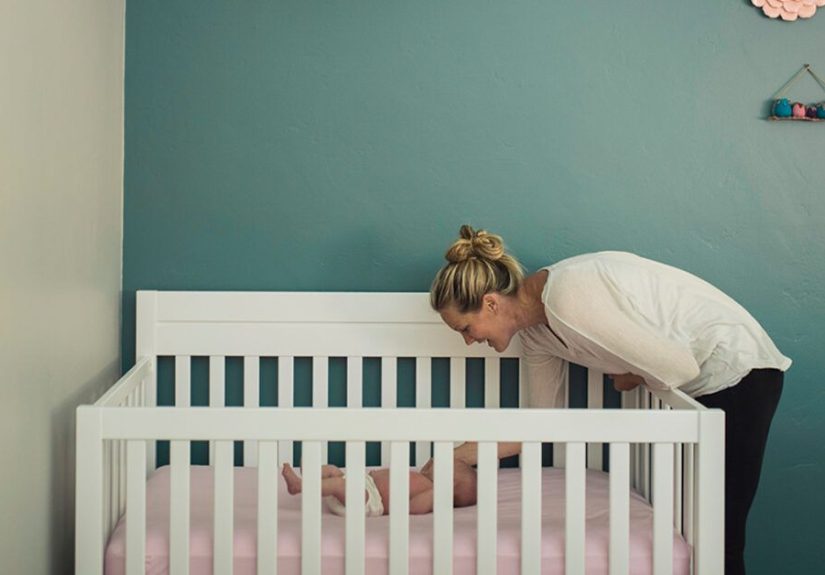
If you buy only a few big-ticket newborn items before birth, make the sleep setup one of them. A newborn needs a dedicated sleep space that is firm, flat, and designed for infant sleep. That can be a crib, bassinet, portable crib, or play yard, depending on your home and budget.
1. A safe crib, bassinet, or play yard
This is the centerpiece of your newborn setup. Many families start with a bassinet in the parents’ room for convenience, especially during nighttime feeds. Others skip straight to a crib or portable play yard. The best option is the one that fits your space, lifestyle, and safety standards. Cute is fine. Safe is better.
Look for a snug, firm mattress and a fitted sheet made for that exact product. Skip extra bedding, blankets, pillows, bumpers, loungers, and anything that makes the sleep area look like a miniature hotel suite. For newborn sleep, boring is beautiful.
2. Two to four fitted sheets
Yes, you need backups. Babies are masters of surprise spit-up, diaper leaks, and dramatic midnight messes. One fitted sheet on the mattress and a few in rotation will save your sanity.
3. Wearable blankets or sleep sacks
Loose blankets do not belong in a newborn sleep space. A sleep sack or other wearable blanket can help keep baby warm without turning the crib into a fluffy danger zone. It is one of those items that feels small until you realize you use it every single day.
4. A pacifier, if your baby takes one
Not every baby is interested, because newborns are tiny people with surprisingly firm opinions. Still, it is smart to have a few pacifiers on hand. If you are breastfeeding, many families wait until feeding is going well before introducing one. If your baby rejects every pacifier known to humankind, congratulations, you now own several very small floor decorations.
Feeding Essentials: Keep It Simple, Clean, and Flexible
Feeding is where parents can get overwhelmed fast. Breastfeeding parents wonder what gear they really need. Formula-feeding parents get hit with shelves full of bottles, sanitizers, warmers, and mysterious accessories that look like lab equipment. The truth is simpler: newborn feeding essentials depend on how you plan to feed, but every family benefits from having a small, practical system in place.
5. Bottles and slow-flow nipples
Even if you plan to breastfeed, keeping a few bottles on hand is practical. They can help if you pump, combo-feed, or simply want another caregiver to handle a feeding. Start small before buying an army of bottles, since babies can be weirdly brand loyal. One nipple shape is apparently acceptable, another is “an insult,” and your newborn will not be taking questions.
Slow-flow nipples are usually the best place to start for newborns. If baby is choking, sputtering, or gulping too fast, the flow may be too fast. If feeding feels frustratingly hard work, talk with your pediatrician or lactation consultant about what to adjust.
6. Formula, if needed, and a clean prep routine
If you are formula-feeding, buy enough for the early days but do not panic-buy an entire bunker full unless your pediatrician advises a specific reason. Choose a standard formula unless your baby has a medical need for something specialized. It is also worth paying attention to preparation and storage directions rather than relying on social media “hacks.” Newborn feeding is not the time for improvisational kitchen chemistry.
7. Burp cloths, and then more burp cloths
A dozen is not excessive. It is realistic. Keep them by the couch, the bed, the changing station, the diaper bag, and anywhere else you might be holding a baby after a meal. Burp cloths are the unsung heroes of newborn life: cheap, useful, and somehow always missing when needed most.
8. Breastfeeding basics
If you plan to breastfeed, the truly helpful items are often modest ones: nursing bras or tanks, breast pads, nipple cream if desired, a water bottle you actually remember to refill, and a comfortable place to sit. A breast pump may also be essential for some families, especially if pumping is part of the plan or if advised medically. Storage bags and a few bottles can round out the setup.
One note that experts emphasize and exhausted parents eventually tattoo onto their souls: feeding gear must be kept clean. Bottles, nipples, caps, valves, and pump parts need proper washing and drying. Fancy sterilizing gear is optional; cleanliness is not.
Diapering Essentials: Prepare for a High-Volume Operation
Newborns go through diapers at a pace that feels both impressive and slightly personal. A smooth diapering station saves time, reduces stress, and lowers the odds of discovering you ran out of wipes at the worst possible moment.
9. Diapers in a couple of sizes
Newborn size is useful, but not every baby stays in it long. Buying a moderate stash of newborn diapers plus one box of size 1 is often smarter than loading up on only the smallest size. If you prefer cloth diapers, make sure your system is ready before birth, including covers, inserts, and a washing plan.
10. Fragrance-free wipes
Wipes are a real daily essential. Many parents do well with simple, fragrance-free options. If your baby has sensitive skin, minimal ingredients can be a lifesaver. No, a wipe warmer is not a true necessity. Your baby may have opinions on that, but your budget probably has stronger ones.
11. Diaper cream or ointment
Some babies need it often, others only occasionally, but keeping diaper cream on hand is wise. Moisture, friction, and frequent diaper changes create the perfect conditions for irritation. The best diaper cream is the one you already have in the drawer when you notice redness at 1 a.m.
12. A changing pad or safe changing surface
You do not need an elaborate changing table if your space or budget says no. A secure changing pad on a dresser or another stable setup can work well. The real goal is convenience, safety, and keeping supplies within arm’s reach.
13. Diaper pail or trash solution
A specialized diaper pail is helpful but optional. Some families swear by them; others do just fine with a standard trash can emptied often. The essential part is less about branding and more about odor control and convenience.
Clothing Essentials: Buy Less, Wash More
Baby clothes are adorable enough to inspire temporary financial amnesia. Resist. Newborn wardrobes should be practical, soft, and easy to change.
14. Zip sleepers and bodysuits
Start with a handful of high-rotation basics: bodysuits, zip pajamas, a few pairs of pants, socks if needed, and weather-appropriate layers. Experts and parents both tend to agree that easy-on, easy-off beats intricate fashion. In the newborn stage, snaps at 3 a.m. can feel like a personal challenge from the universe.
15. Side-snap or kimono-style tops
These can be especially handy while the umbilical cord stump is still healing because they are gentle and easy to put on. They are not mandatory, but many parents find them unexpectedly useful in the first days.
16. Hats and seasonal layers, used sensibly
A soft hat for outdoor cold weather can be useful, but avoid overheating your baby indoors. Newborns generally need one more layer than a comfortable adult would wear in the same environment, not seventeen layers and a blanket burrito.
Bath and Health Essentials: Small Category, Big Peace of Mind
Bathing and basic health supplies do not take up much room, but they can make new parents feel much more prepared.
17. Baby wash and a soft washcloth
You do not need a giant spa collection. A gentle cleanser, soft washcloths, and a hooded towel are enough for most families. In the beginning, baths are more about basic hygiene than creating a luxury wellness retreat.
18. A baby bathtub or simple bath support
This is helpful, especially if you are nervous about handling a slippery newborn. Still, it does not need to be fancy. Simple and stable is the goal.
19. Digital thermometer
This is one of the most important small purchases you can make. Fever in a very young baby is taken seriously, so having a reliable thermometer at home matters. It is not the most glamorous registry item, but neither is a 2 a.m. pharmacy run with a crying infant.
20. Nail file or baby nail clippers
Newborn nails are tiny, sharp, and somehow fully committed to self-sabotage. A baby nail file or clippers can prevent face scratches before your child stars in their own accidental boxing match.
21. A basic baby first-aid kit
Think practical: thermometer, saline drops, bulb syringe or nasal aspirator if you prefer, diaper cream, and any pediatrician-approved items you want on hand. The point is readiness, not turning your linen closet into a clinic.
On-the-Go Essentials: Safety First, Convenience Second
22. Rear-facing infant car seat or rear-facing convertible seat
This is non-negotiable if you travel by car. A newborn should ride rear-facing, and proper installation matters just as much as the seat itself. Some parents prefer an infant-only seat because it clicks into a stroller and can be easier for short outings. Others go with a convertible seat from day one to save money long term. Both can work if they fit your baby and your vehicle properly.
23. Diaper bag
It does not need to be a designer backpack with fourteen zip compartments and a built-in espresso machine. It just needs to hold diapers, wipes, a change of clothes, feeding supplies, and a few small extras without making you feel like you packed for a polar expedition.
24. Baby carrier or stroller, depending on your lifestyle
For some families, a baby carrier becomes an everyday essential because it keeps hands free and helps soothe fussy babies. For others, a stroller is more useful right away. City parents, suburban parents, apartment dwellers, and dog walkers may all land differently here, which is why this is an “essential for some” rather than a universal must-buy-before-birth item.
What Parents and Experts Agree You Can Usually Wait On
Here is where money gets saved. Plenty of baby gear is helpful, but not urgent. Bottle warmers, wipe warmers, dedicated formula gadgets, elaborate swings, smart bassinets, baby shoes, heaps of newborn-size clothing, and decorative bedding often fall into the wait-and-see category. Some families love these items. Some use them twice. Some end up storing them in a closet where they silently judge everyone.
The smartest strategy is to buy the true essentials first, then fill gaps based on your actual baby. One newborn loves a pacifier, another acts insulted by it. One baby lives in sleepers, another spits up on five outfits before lunch. One family uses a carrier daily, another barely touches it. Real life is the best registry consultant.
Final Thoughts: The Best Newborn Essentials Are the Ones You’ll Actually Use
The best newborn essentials are not the flashiest, trendiest, or most expensive products on the market. They are the items that support safe sleep, reliable feeding, healthy diapering, basic hygiene, and secure travel. They work at 10 a.m. and at 3 a.m. They help parents feel prepared instead of overwhelmed. And they leave enough room in the budget for the one thing every new family really needs: flexibility.
If you remember nothing else, remember this: newborns need safety, comfort, food, clean diapers, and caregivers who are not buried under unnecessary gear. Start with the basics, keep your setup practical, and let your baby teach you what matters most. They are very opinionated little consultants.
Parent-and-Expert Experience Notes: What Real Newborn Life Teaches Fast
Ask enough parents about newborn essentials and you will hear a funny pattern: almost nobody regrets buying the safety basics, but plenty of people regret overbuying the “maybe” items. Parents consistently say the most-used newborn gear is the least exciting on paper. It is the extra fitted sheet you grab after a diaper leak. It is the stack of zip sleepers you rotate every day. It is the burp cloth draped over your shoulder so often it becomes part of your personality. Experts come at the topic from a different angle, but the overlap is striking. They focus on safe sleep, feeding support, car-seat safety, and hygiene. Parents focus on convenience and what saves time when they are exhausted. In practice, those viewpoints meet in the middle.
One of the most common parent experiences is realizing that “minimalist” does not mean “underprepared.” It means preparing for the tasks you will repeat constantly. Feeding, changing, and sleep happen over and over, so the gear connected to those tasks earns its keep quickly. Parents often say they were surprised by how little they used decorative nursery items in the beginning. The baby did not care about themed wall art. The baby cared deeply about being fed on time and having a clean diaper. Experts would nod at that. A newborn does not need aesthetic perfection; a newborn needs a secure environment.
Another repeated experience is that flexibility matters more than perfection. Some parents plan to breastfeed exclusively and end up needing bottles or pumping supplies sooner than expected. Others buy a whole bottle set before birth only to learn their baby strongly prefers a different nipple shape. Many parents say the best approach was starting with a manageable number of feeding items, then adjusting once they understood their baby’s patterns. Experts support that kind of responsive approach because it reduces clutter and keeps the focus on safe, effective feeding rather than gadget collecting.
Sleep is where expectation and reality often have their biggest showdown. Parents may imagine a sleepy newborn peacefully resting in a picture-perfect bassinet. Real life can involve cluster feeds, contact naps, and repeated attempts at a careful transfer worthy of an action movie soundtrack. This is exactly why experts stress a safe, simple sleep space from the start. Parents who understand the basics ahead of time often feel more confident, even when sleep is messy. The safe setup removes guesswork. You may not control how long your newborn sleeps, but you can control where and how they sleep.
Parents also frequently mention that the small health items end up feeling disproportionately important. A digital thermometer, diaper cream, saline drops, and a few basic care supplies can provide a huge sense of reassurance. They are not dramatic purchases, but they matter when a baby feels warm, congested, or uncomfortable. Experts emphasize these basics because newborn issues can escalate quickly, and calm preparation helps families respond better.
Perhaps the clearest shared lesson is this: the best newborn essentials are not just products. They are systems. A safe sleep system. A feeding system. A diapering system. A grab-and-go system for leaving the house. When those systems are simple and realistic, parents feel less frazzled and babies are easier to care for. That is why the strongest recommendations from both parents and experts sound so similar. Buy the essentials that support daily life, skip the fluff until you know you need it, and remember that in the newborn stage, useful beats impressive every single time.