Table of Contents >> Show >> Hide
- Lizzo and the Grammys: A Long History of Viral Moments
- The Bikini Twerk Video That Started the Conversation
- Why Lizzo’s Message Resonated With Fans
- Body Positivity vs. Body Neutrality
- Celebrity Fitness Journeys Under a Microscope
- Why Moments Like This Matter in Pop Culture
- The Bigger Message: Confidence Isn’t Perfection
- Real-Life Experiences With Body Transformation
- Conclusion
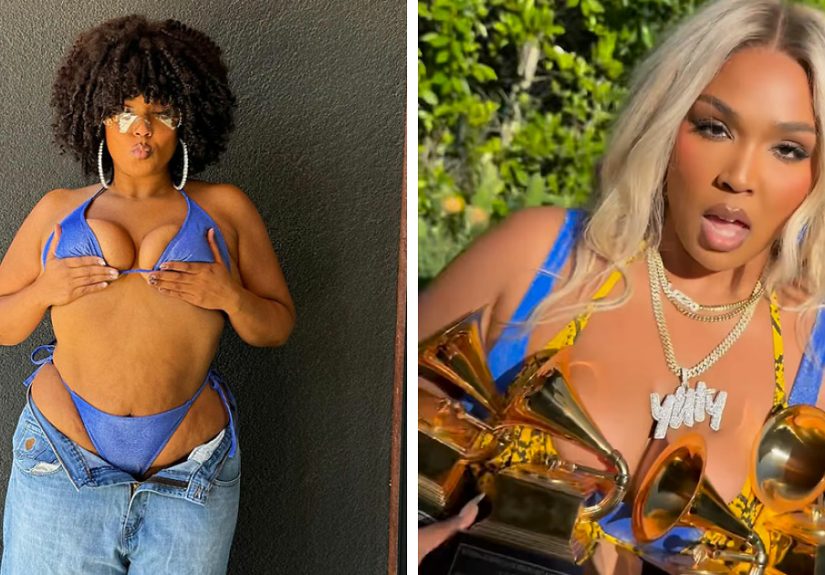
Pop culture rarely sits still, and neither does Lizzo. Known for her powerhouse vocals, unapologetic confidence, and bold social commentary, the Grammy-winning artist once again ignited online conversation when she shared a bikini twerk video connected to the Grammys celebration. The clip quickly spread across social media platforms, sparking admiration, debate, memes, andperhaps most importantlyan ongoing discussion about body positivity, weight loss, and the reality of living in the public eye.
One quote from Lizzo that particularly resonated with fans and critics alike was her candid remark: “The extra skin will never go away.” It wasn’t just a statement about physical changeit was a reflection on transformation, self-acceptance, and the pressures celebrities face when their bodies become headline material. In today’s internet culture, where every post can become a trending topic, Lizzo’s message struck a chord with millions.
Lizzo and the Grammys: A Long History of Viral Moments
The Grammys have long been a stage where music’s biggest personalities shine, and Lizzo has repeatedly turned the spotlight into something bigger than music. From electrifying performances to unforgettable fashion statements, she has become a fixture in award-season conversations.
Over the past several years, the singer behind hits like “Truth Hurts” and “About Damn Time” has used award-show appearances to celebrate empowerment and individuality. Her Grammys presence often blends high-energy performance with humor and authenticityqualities that fans love and critics constantly analyze.
So when a playful bikini twerk video surfaced around the Grammys buzz cycle, it didn’t take long for it to dominate trending pages. Within hours, clips circulated across TikTok, Instagram, and X (formerly Twitter), triggering commentary ranging from praise for her confidence to debates about celebrity body transformations.
The Bikini Twerk Video That Started the Conversation
The now-viral clip shows Lizzo dancing confidently in a bikini, laughing and celebrating in a way that felt spontaneous and joyful. For fans who have followed her career, the moment seemed very on brand. Lizzo has always championed body positivity and self-expression, often reminding audiences that dancing, fashion, and fun are not limited by body size.
But the moment also became a flashpoint for conversation about her recent fitness journey. Over the past year, Lizzo has spoken publicly about adopting healthier habits, including exercise routines and changes to her diet. As with many celebrities who document lifestyle changes online, speculation and commentary followed closely behind.
Instead of ignoring the attention, Lizzo addressed it head-on. Her message was clear: body changes are complicated, and transformation isn’t always as simple as social media narratives suggest.
The Meaning Behind “The Extra Skin Will Never Go Away”
Lizzo’s statement about “extra skin” reflects a reality often overlooked in mainstream conversations about weight loss and body transformation. When people lose a significant amount of weight, their skin may not immediately tighten or return to its previous shape.
For many individuals, loose skin becomes a visible reminder of physical change. It can be influenced by several factors, including genetics, age, and the speed of weight loss. While some people pursue cosmetic procedures to address it, others embrace it as part of their journey.
By acknowledging this publicly, Lizzo touched on an important truth: transformation is rarely perfect or Instagram-ready. Instead, it’s messy, personal, and sometimes unpredictable.
Why Lizzo’s Message Resonated With Fans
Part of Lizzo’s cultural influence comes from her willingness to speak openly about topics many celebrities avoid. In an industry often dominated by carefully curated images, her candid comments feel refreshingly honest.
Fans praised the singer for acknowledging the realities of body change rather than promoting unrealistic expectations. In a digital environment saturated with filtered photos and transformation trends, Lizzo’s honesty stood out.
Many social media users responded by sharing their own experiences with weight loss, body image, and self-acceptance. Threads filled with personal storiespeople discussing stretch marks, loose skin, and the emotional complexities that come with physical transformation.
The Internet’s Reaction: Praise, Debate, and Everything in Between
Of course, not every reaction was supportive. As with many viral celebrity moments, the bikini video triggered heated debate. Some commentators criticized the attention around Lizzo’s body entirely, arguing that celebrity physiques receive too much scrutiny.
Others applauded the moment as a celebration of confidence. For many fans, seeing a major pop star dancing joyfully without apology represented a powerful cultural statement.
The conversation ultimately highlighted how polarized discussions about body image can become online. A single videoespecially one featuring a globally recognized figurecan spark thousands of interpretations within minutes.
Body Positivity vs. Body Neutrality
Lizzo has long been associated with the body positivity movement, which encourages people to appreciate and celebrate their bodies regardless of size or shape. However, recent conversations have also introduced the concept of body neutrality.
Body neutrality shifts the focus away from appearance altogether. Instead of loving or hating one’s body, the goal is simply to respect it as a functional part of life. For many people, this approach feels more attainable and less pressured.
Interestingly, Lizzo’s remarks about extra skin align closely with body neutrality principles. Rather than pretending physical changes are flawless, she acknowledged them as natural outcomes of life and health decisions.
Celebrity Fitness Journeys Under a Microscope
Whenever a high-profile celebrity talks about fitness or weight changes, public interest tends to skyrocket. Media outlets analyze workout routines, diet habits, and before-and-after photos in extraordinary detail.
This intense scrutiny can create unrealistic expectations for everyday people. When transformation stories are simplified into dramatic headlines, the complexities behind themmental health, lifestyle adjustments, geneticsoften disappear.
Lizzo’s situation reflects a broader pattern seen with many public figures. From actors preparing for blockbuster roles to musicians touring globally, celebrities frequently face commentary about their bodies whether they invite it or not.
The Role of Social Media in Shaping the Narrative
Platforms like Instagram, TikTok, and YouTube amplify celebrity moments faster than ever before. A short clip can reach millions within hours, fueling conversations across news sites, podcasts, and entertainment blogs.
For Lizzo, social media has always been both a tool and a stage. She uses it to connect with fans, share humor, and discuss serious topicsfrom mental health to body image.
At the same time, social media also magnifies criticism. Every viral moment becomes an opportunity for debate, parody, and commentary from strangers around the world.
Why Moments Like This Matter in Pop Culture
Beyond the memes and headlines, moments like Lizzo’s Grammys-related bikini twerk reveal something deeper about modern pop culture. They demonstrate how celebrity behavior, body image, and online conversation intersect in powerful ways.
In previous decades, celebrity narratives were largely shaped by magazines and television interviews. Today, artists control much of their storytelling through social media posts and livestreams.
This shift has allowed stars like Lizzo to address topics directlysometimes humorously, sometimes seriouslywithout relying on traditional media filters.
The Bigger Message: Confidence Isn’t Perfection
Perhaps the most important takeaway from the viral moment isn’t the dance itself. It’s the underlying message about authenticity.
Confidence doesn’t mean pretending everything about one’s body is flawless. Instead, it often means acknowledging imperfections while still choosing joy and self-expression.
By sharing a playful video and following it with honest commentary, Lizzo reminded fans that bodies evolve. They stretch, shrink, change shape, and tell stories about where we’ve been.
In a culture obsessed with polished images, that kind of honesty can feel surprisingly revolutionary.
Real-Life Experiences With Body Transformation
The discussions sparked by Lizzo’s video reflect experiences shared by countless people outside the celebrity spotlight. Across gyms, doctor’s offices, and online support communities, individuals talk about the emotional and physical challenges of changing their bodies.
For many people, losing weight or adopting healthier habits begins with a desire for improved well-being. However, the physical outcomes often come with unexpected adjustments. Loose skin, stretch marks, and shifts in body composition can create a new set of self-image challenges.
Some individuals describe feeling proud of their progress yet uncertain about how their bodies look afterward. Others find empowerment in embracing the marks of transformation as symbols of resilience.
Health professionals frequently emphasize that body transformation is rarely linear. Plateaus, setbacks, and emotional fluctuations are normal parts of the process. Social media success stories can sometimes make these realities seem unusual, but they are actually quite common.
Fitness trainers and nutrition experts also stress that sustainable change focuses on long-term habits rather than quick results. Balanced nutrition, consistent movement, and mental health support often play a bigger role than dramatic short-term dieting strategies.
Interestingly, many people who share their experiences online report that honest conversationslike the one Lizzo sparkedhelp reduce stigma. When public figures acknowledge the imperfect side of transformation, it encourages others to speak openly about their own journeys.
Communities built around body acceptance and health have grown rapidly in recent years. Online forums, wellness podcasts, and support groups provide spaces where individuals can discuss body image without judgment.
In those conversations, one theme appears repeatedly: bodies tell stories. Every scar, stretch mark, or fold represents a chapter of lifegrowth, healing, struggle, or change.
That perspective shifts the focus away from perfection and toward appreciation. Instead of asking whether a body meets cultural standards, people begin asking what it has endured and accomplished.
Lizzo’s candid remark about extra skin fits squarely within this mindset. It acknowledges reality while celebrating confidence, reminding audiences that transformation doesn’t erase the pastit builds on it.
For many people watching the conversation unfold online, that message felt deeply relatable.
Conclusion
Lizzo’s bikini twerk video tied to Grammys buzz may have started as a playful social media moment, but it quickly evolved into something larger. Her comment about extra skin sparked thoughtful discussion about body transformation, self-acceptance, and the pressures of celebrity culture.
In an era where viral content often disappears as quickly as it appears, the conversations surrounding this moment highlight the enduring importance of authenticity. By speaking honestly about physical change, Lizzo reminded millions that bodies are not static imagesthey are living records of our journeys.