Table of Contents >> Show >> Hide
- The Mistake: Treating the Walls Like Furniture Magnets
- Why Designers Care So Much About Scale
- The Sofa Is the Anchor, Not the Entire Personality
- The Rug Problem: Too Small, Too Sad
- Coffee Table Distance: The Reach Test
- Traffic Flow: The Invisible Design Feature
- Conversation Areas Beat Furniture Perimeters
- Matching Sets Can Make a Room Feel Flat
- Lighting Is Part of Furniture Planning
- How to Fix the Mistake Without Starting Over
- Real-Life Examples of Better Living Room Layouts
- Designer-Approved Rules That Actually Help
- Experience Notes: What This Mistake Looks Like in Real Homes
- Conclusion
The living room is supposed to be the easy room. A sofa, a coffee table, a rug, maybe a chair with enough personality to make guests say, “Oh, that’s fun.” Simple, right? And yet somehow this one room can turn into a furniture obstacle course, a waiting room, or a mysterious echo chamber where every conversation requires shouting across a decorative void.
The biggest living room furniture mistake designers want you to avoid is not just buying the wrong sofa or choosing a coffee table shaped like a shin injury. It is arranging furniture without considering scale, conversation, traffic flow, and how people actually live in the room. In plain English: pushing every piece against the wall, buying furniture before measuring, and hoping the room will “come together later.” Spoiler alert: “later” is not an interior designer.
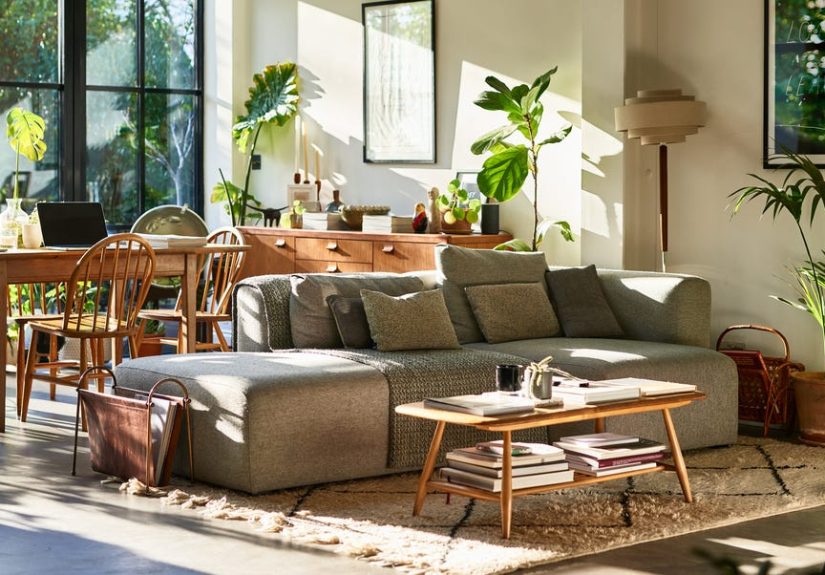
A beautiful living room does not happen because the furniture is expensive. It happens because the furniture belongs to the space. The sofa fits the wall without swallowing it. The rug anchors the seating area instead of floating like a postage stamp. The coffee table is close enough to reach without performing couch yoga. The chairs invite people into a conversation instead of punishing them for visiting.
Let’s break down the mistake, why it happens, and how to fix it without replacing your entire home or developing a suspiciously close relationship with a measuring tape.
The Mistake: Treating the Walls Like Furniture Magnets
One of the most common living room layout mistakes is pushing every major piece of furniture against the walls. Many people do this because it seems logical. If the sofa is against the wall, the middle of the room looks open. Open means bigger, right?
Not always. In many rooms, this layout creates the opposite effect. Instead of looking spacious, the living room can feel flat, cold, and disconnected. The seating becomes too far apart, the coffee table feels stranded, and the center of the room turns into a decorative no-man’s-land. Guests sit around the edges like they are waiting for a very stylish bus.
Designers often recommend “floating” furniture, which simply means pulling pieces away from the wall and arranging them around a focal point. That focal point might be a fireplace, a television, a large window, a bookshelf, or even a beautiful coffee table. Floating furniture creates a defined conversation zone and makes the room feel more intentional.
This does not mean every sofa must hover dramatically in the center of the room like it is auditioning for a design magazine. In small living rooms, placing a sofa against a wall may be completely practical. The real problem is doing it automatically, without thinking about comfort, movement, and balance.
Why Designers Care So Much About Scale
Scale is the quiet hero of good living room design. When scale is right, most people simply say, “This room feels nice.” When scale is wrong, people say things like, “Why does this sofa look like it’s trying to eat the house?”
Scale means the size of each piece in relation to the room and to the other furniture. A giant sectional in a narrow living room can make the space feel cramped, even if the sectional is gorgeous. A tiny loveseat in a large room can look lonely, as if it is waiting for emotional support furniture. A coffee table that is too small may look decorative but fail at its main job, which is holding drinks, books, remotes, and the occasional bowl of snacks that mysteriously becomes dinner.
Before buying living room furniture, measure the room carefully. Measure doorways, windows, wall lengths, traffic paths, and the existing pieces you plan to keep. Use painter’s tape on the floor to outline the sofa, rug, chairs, and coffee table. This simple trick can prevent expensive mistakes. It is not glamorous, but neither is realizing your new sofa blocks the front door.
The Sofa Is the Anchor, Not the Entire Personality
The sofa is usually the largest piece in a living room, so it sets the tone. But that does not mean it should dominate the entire space. A well-chosen sofa supports the room’s function. It gives people a comfortable place to sit, works with the traffic flow, and leaves enough breathing room for tables, chairs, lamps, and movement.
A common furniture mistake is choosing a sofa based only on how it looks in a showroom. Showrooms are sneaky. They are large, perfectly lit, and free of backpacks, dog toys, laundry baskets, and real-life chaos. A sofa that looks normal in a showroom can become a luxury cruise ship in a modest apartment.
For small living rooms, consider a sofa with slimmer arms, raised legs, or a cleaner profile. These details make the room feel lighter. For larger living rooms, a sectional may work beautifully, but only if it supports conversation and does not cut off movement. The goal is not to buy the biggest sofa possible. The goal is to buy the sofa that helps the room function.
The Rug Problem: Too Small, Too Sad
If the sofa is the anchor, the rug is the stage. It defines the seating area and visually connects the furniture. Unfortunately, one of the most common living room design mistakes is choosing a rug that is too small.
A tiny rug in the middle of a seating area can make the room look unfinished. It may be adorable on its own, but once surrounded by a sofa, chairs, and a coffee table, it starts to resemble a bath mat with ambition.
A better approach is to choose a rug large enough for at least the front legs of the sofa and chairs to rest on it. In many average living rooms, an 8-by-10-foot or 9-by-12-foot rug works better than a smaller option. Of course, the best size depends on the room, but the principle remains the same: the rug should connect the furniture, not avoid it.
Quick Rug Rule
If every piece of seating looks like it is politely standing outside the rug’s personal space, the rug is probably too small. Go larger when possible. A bigger rug can make a living room feel more generous, more grounded, and more pulled together.
Coffee Table Distance: The Reach Test
A coffee table should be close enough to use but not so close that sitting down requires folding yourself into a decorative pretzel. Designers often suggest leaving roughly 16 to 18 inches between the sofa and coffee table. This gives enough space to move while keeping the table functional.
The height matters too. A coffee table usually works best when it is close to the height of the sofa seat cushions. If it is much higher, it can feel awkward and bulky. If it is too low, it may look stylish but become annoying in daily life. Good design should not require a fitness warm-up every time you want to set down a mug.
Shape also matters. A rectangular coffee table pairs well with a standard sofa. A round or oval table can soften a room with sharp angles and is often helpful in smaller spaces because it improves movement. Storage coffee tables are great for families, renters, and anyone who owns more remote controls than they are willing to admit.
Traffic Flow: The Invisible Design Feature
Traffic flow is how people move through a room. It is invisible when done well and extremely obvious when done poorly. If guests have to squeeze between a chair and a table, climb around a sofa, or dodge an ottoman like they are in a living room video game, the layout needs help.
A comfortable living room should have clear pathways. Major walkways often need about 30 to 36 inches of space. Smaller paths between pieces can sometimes be narrower, but they should still feel natural. The goal is to move through the room without turning sideways, apologizing to furniture, or knocking over a lamp with your hip.
When arranging furniture, think about where people enter the room, where they sit, where they place drinks, and how they get to other areas. A beautiful chair placed directly in a walkway is not a design success. It is a stylish roadblock.
Conversation Areas Beat Furniture Perimeters
A living room is not just a place to look at furniture. It is a place to talk, relax, watch movies, read, host friends, and occasionally pretend you are not scrolling your phone. The seating arrangement should support those activities.
For conversation, place seating close enough that people can speak comfortably without leaning forward like they are sharing secrets in a spy movie. Sofas and chairs should face each other or sit at friendly angles. If every seat points only at the television, the room may be functional for movie night but less welcoming for guests.
This is where floating furniture can work magic. Pulling chairs inward, placing a console table behind a sofa, or angling accent chairs toward the main seating can instantly make the space feel warmer. The room begins to say, “Come sit,” instead of “Please admire my wall collection.”
Matching Sets Can Make a Room Feel Flat
Another living room furniture mistake is buying a full matching set without adding contrast. Matching sets are convenient, and there is nothing wrong with wanting a cohesive look. But when the sofa, loveseat, chairs, tables, and media console all match perfectly, the room can feel more like a furniture store display than a home.
Designers usually prefer a layered look. That might mean pairing a neutral sofa with leather chairs, a wood coffee table, metal accents, textured pillows, and a patterned rug. The pieces should relate to each other, but they do not need to be identical twins wearing the same outfit.
A simple way to avoid the showroom effect is to mix materials. Combine fabric, wood, metal, glass, rattan, stone, or woven textures. Repeat colors thoughtfully, but vary shapes and finishes. This creates a collected, personal look that feels warmer and more expensive, even when the budget is very much still drinking store-brand coffee.
Lighting Is Part of Furniture Planning
Living room furniture does not exist alone. It works with lighting. A sofa without a nearby lamp may look good in daylight and become useless for reading at night. A chair placed in a dark corner may become the place where nobody sits, unless they are trying to look mysterious.
A good living room usually has layered lighting: overhead lighting, table lamps, floor lamps, and sometimes accent lighting. When arranging furniture, plan where lamps will go and how cords will be managed. Side tables should be close enough to hold lamps and drinks. Floor lamps should support seating areas without blocking pathways.
Lighting can also help balance a room. If one side of the living room has a large sofa, a tall floor lamp or substantial side table on the opposite side can create visual weight. Good lighting makes furniture look better, people look better, and snack plates look less like evidence.
How to Fix the Mistake Without Starting Over
The good news is that most living room furniture mistakes are fixable. You do not need to donate your entire room to the curb and begin a dramatic new chapter. Start by moving what you already own.
Step 1: Pull Furniture Away From the Walls
Try moving the sofa or chairs a few inches away from the wall. Even a small gap can create depth. If the room is large enough, pull the seating into a tighter conversation area and place a console table behind the sofa.
Step 2: Create a Focal Point
Decide what the room is organized around. It may be a fireplace, television, window, artwork, or coffee table. Arrange seating to acknowledge that focal point instead of scattering pieces randomly.
Step 3: Check the Rug
If the rug looks too small, consider replacing it or layering it over a larger natural fiber rug. Layering can be a budget-friendly way to add scale while keeping a smaller rug you love.
Step 4: Measure the Pathways
Walk through the room the way you use it every day. If you bump into furniture, shift pieces until movement feels easy. Your knees will send a thank-you note.
Step 5: Edit One Piece
Sometimes the problem is not the layout but the amount of furniture. Remove one unnecessary chair, table, basket, or ottoman. A little breathing room can make the whole living room feel more expensive.
Real-Life Examples of Better Living Room Layouts
Example 1: The Long Narrow Living Room
In a long narrow room, pushing the sofa against one wall and the television against the other can create a bowling alley effect. Instead, place the sofa along the long wall but pull accent chairs inward. Use a rectangular rug to define the seating zone, and choose a slim coffee table or nesting tables to preserve movement.
Example 2: The Small Apartment Living Room
In a small apartment, every inch matters. A wall-hugging sofa may be necessary, but balance it with a floating accent chair, a round coffee table, and a properly scaled rug. Choose furniture with exposed legs to create a lighter visual feel. Avoid bulky arms and oversized sectionals unless the room truly supports them.
Example 3: The Large Open-Plan Living Room
In an open-plan space, the mistake is often letting furniture drift without structure. Use a large rug to create a living zone. Float the sofa so it acts as a subtle divider between the living area and dining or kitchen space. Add chairs opposite or beside the sofa to create a comfortable conversation area.
Designer-Approved Rules That Actually Help
Design rules are not laws, and nobody will arrest you for owning a small rug. Still, a few practical guidelines can help you avoid the most common living room furniture mistakes.
- Measure before buying any major piece of furniture.
- Leave clear pathways so people can move comfortably.
- Choose a rug large enough to connect the seating area.
- Keep the coffee table close enough to reach from the sofa.
- Avoid pushing every piece of furniture against the walls.
- Mix materials and finishes instead of relying only on matching sets.
- Plan lighting at the same time as furniture placement.
These rules are not about making your home look like everyone else’s. They are about making the room work. Once the basics are right, your style can shine through art, pillows, books, plants, color, vintage finds, and that one weird object you bought on vacation and still insist is “sculptural.”
Experience Notes: What This Mistake Looks Like in Real Homes
In real homes, the living room furniture mistake designers warn about rarely looks dramatic at first. It usually looks normal. That is why it is so easy to miss. The sofa is against the wall because that is where sofas “go.” The chairs are in the corners because corners looked empty. The rug is small because the larger one seemed expensive. The coffee table is far away because everyone wanted more floor space. Each decision makes sense alone, but together they create a room that feels awkward.
One common experience is the “museum living room.” Everything is lined up neatly around the perimeter, and the middle is wide open. It looks clean, but nobody knows where to sit. Conversations feel formal. Guests perch on the edge of the sofa. The coffee table is too far away to use, so drinks end up on the floor or balanced dangerously on sofa arms. The room is technically furnished, but emotionally it feels like it has not been introduced to itself.
Another familiar experience is the “giant sofa problem.” Many homeowners buy a sectional because it promises comfort, movie nights, and room for everyone. Then it arrives, and suddenly the living room has one setting: sectional. The piece blocks a walkway, crowds the window, and makes every other item look tiny. The solution is not always to avoid sectionals. The solution is to choose one based on the room’s measurements, not on showroom excitement. A smaller sectional, a sofa with chairs, or a chaise-style sofa may serve the space better.
There is also the “tiny rug regret.” At first, a smaller rug feels like a smart savings decision. But once placed under a coffee table with no connection to the sofa or chairs, it can make the entire living room look less finished. Many people notice the room feels off but cannot identify why. The furniture may be beautiful, the colors may be right, and the lighting may be decent, but the seating area lacks an anchor. A larger rug often solves the problem quickly because it visually gathers the pieces into one zone.
In family homes, the biggest issue is often traffic flow. A living room may look great in a photo but fail during daily life. Kids need room to move. Pets need paths that do not involve launching over ottomans. Adults need a place to set coffee without twisting like a magician escaping a box. When furniture blocks natural movement, the room becomes stressful even if it is stylish. The best layouts support real routines: watching TV, reading, playing games, entertaining, cleaning, and collapsing onto the sofa after a long day.
Small homes bring another lesson: less furniture does not always mean better design. Sometimes a small room feels awkward because the furniture is too small and scattered. A properly scaled sofa, a generous rug, and one useful side table can feel more luxurious than five tiny pieces trying to prove they are space-saving. Designers often focus on proportion, not just square footage. A small living room can still have presence when the pieces are chosen with confidence.
The most successful living rooms usually share one thing: intention. The furniture is arranged for people, not just walls. Seats relate to each other. Tables are within reach. Light falls where it is needed. The rug makes the space feel grounded. Nothing feels accidental, even if the room is casual and cozy. That is the real design goal. Not perfection. Not a showroom. Just a living room that makes people want to sit down and stay awhile.
Conclusion
The living room furniture mistake designers want you to avoid is arranging the room on autopilot. Pushing everything against the walls, ignoring scale, choosing the wrong rug size, and forgetting traffic flow can make even beautiful furniture feel uncomfortable. The fix is thoughtful planning. Measure first, create a conversation area, use a properly sized rug, keep tables functional, and allow people to move naturally through the space.
A great living room does not need to be huge, expensive, or professionally styled within an inch of its life. It needs balance. It needs comfort. It needs furniture that understands the assignment. When the layout works, the room feels warmer, smarter, and more welcoming. Best of all, nobody has to shout across the coffee table desert anymore.