Table of Contents >> Show >> Hide
- What Is the Macklemore Thrift Shop Challenge?
- Why “Thrift Shop” Became a Cultural Cheat Code
- Challenge Rules That Keep It Fun (and Not a Greedy Free-For-All)
- How to Thrift Like You’ve Done This Before
- Upcycling: Tiny Tweaks That Make Thrift Finds Look Custom
- Why This Challenge Hits Even Harder in 2026
- Three Outfit Wins (With Realistic Thrift-Store Math)
- Common Mistakes (and How to Avoid Them)
- Conclusion: A Little Ridiculous, Surprisingly Useful
- Experiences Related to the Macklemore Thrift Shop Challenge (500+ Words of Real-World Lessons)
- SEO Tags
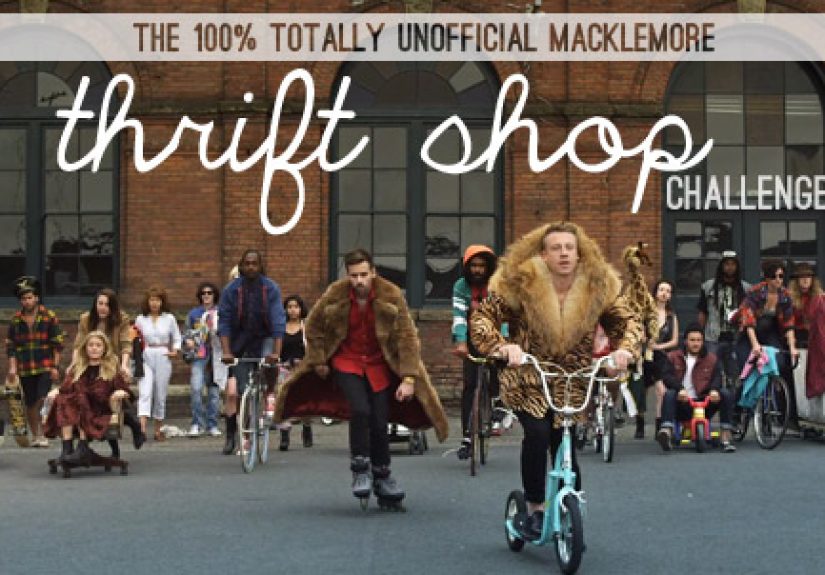
You know a song has permanent “stuck in your brain” status when a single line can turn grown adults into bargain-hunting raccoons. One minute you’re minding your business, the next you’re whispering, “This is… awesome,” while petting a $6 blazer like it’s a rescue puppy. Welcome to The Macklemore Thrift Shop Challengean unofficial, internet-friendly game inspired by the pop-sax anthem that made secondhand cool, loud, and weirdly triumphant.
This challenge isn’t about cosplaying the music video or trying to look like you just escaped a closet full of faux fur (although… respect). It’s about thrift shopping with intent: building a killer outfit on a budget, keeping good stuff in use, and learning how to spot quality hiding in plain sight between a “World’s Okayest Dad” tee and a haunted-looking lamp.
What Is the Macklemore Thrift Shop Challenge?
The core idea is simple: create a head-to-toe outfit from a thrift store (or secondhand marketplace) under a set budget, then share the resultsphotos, a mini haul, a “fit check,” or a full-blown runway walk in your kitchen while your roommate judges silently. Some people treat it like a fashion scavenger hunt. Others do it as a sustainability challenge. The best versions do both.
The classic challenge format
- Pick a budget: $20, $30, or $50 (choose your difficulty level like it’s a video game).
- Pick a time limit: 30–60 minutes in-store, because chaos is part of the fun.
- Build a full look: top, bottom, and shoes (accessories are your “bonus points”).
- Add one wildcard: the weirdest item you can style without looking cursed.
- Share the story: what you found, what you paid, and what surprised you.
That’s it. No gatekeeping. No perfection. Just you, a rack of mystery garments, and the thrilling possibility that today is the day you find a leather jacket that makes you feel like the main character in a movie with a surprisingly big soundtrack budget.
Why “Thrift Shop” Became a Cultural Cheat Code
“Thrift Shop” didn’t just climb chartsit rewired how people talked about secondhand. It turned thrift stores from “somewhere my aunt goes” into “somewhere I might find a treasure while spending less than a streaming subscription.”
An indie underdog moment (with a very loud horn section)
In early 2013, major outlets were pointing out how rare it was for an independent act to top the U.S. chartsan “is this 1994?” kind of moment that made the song feel even more rebellious in a strangely wholesome way. It wasn’t just catchy; it was a reminder that a hit could come from outside the usual label machine.
Chart domination that lasted beyond the joke
The song’s staying power was ridiculous (in a good way). “Thrift Shop” didn’t merely have a momentit became a year-defining track, showing up as a top performer on 2013’s big U.S. lists and turning “pop tags” into a phrase you can still say to instantly summon nostalgia.
Diamond-level longevity
The “funny thrift song” label didn’t stop it from becoming a giant in sales and streaming. Over time, it earned elite-tier recognition in U.S. music certifications, joining a club that requires truly massive consumption at scale. Translation: people kept listening, long after the first wave of memes moved on.
Challenge Rules That Keep It Fun (and Not a Greedy Free-For-All)
Thrifting is joy. Thrifting is community. Thrifting can also become “competitive sprint shopping” if you’re not careful. These rules keep the challenge playful and ethical.
Rule 1: Budget with fairness in mind
Choose a budget that fits your location and your goals. In some areas, $20 is “legendary difficulty.” In others, it’s “normal Tuesday.” If you’re filming content, consider a slightly higher budget and commit to donating one quality item afterward. Balance the thrift universe.
Rule 2: Don’t hoard; curate
The goal is a wearable outfit, not a cart full of “maybe I’ll alter this someday” projects that end up living in a guilt pile. Pick fewer pieces, pick better pieces, and let other shoppers have their own “wait, is this cashmere?” moment.
Rule 3: Respect the mission behind the racks
Many thrift stores fund community programs through sales of donated goods. Shopping secondhand can support job training and placement, or recovery services, depending on the organization and region. If you love thrifting, it’s worth knowing who your purchase helps.
How to Thrift Like You’ve Done This Before
The difference between “I found nothing” and “I found a full outfit plus a vintage belt that makes me feel like a stylish time traveler” is rarely luck. It’s strategy.
Step 1: Start with your anchor piece
Pick one item to build around: a jacket, jeans, boots, or a dress. Anchors make the rest of the hunt faster. If you start with “I need a whole outfit,” your brain will overheat and you’ll buy a neon vest out of panic.
Step 2: Do the “three-zone sweep”
- Zone A (high probability): denim, blazers, coats, sweatersdurable pieces with strong resale and styling value.
- Zone B (the magic): accessoriesbelts, scarves, hats, bags. This is where cheap upgrades live.
- Zone C (wildcard chaos): the weird aisle. You need one oddball item for points and personality.
Step 3: Quality check in 20 seconds
Run a quick inspection: seams (tight and even?), fabric (does it feel substantial?), stains (especially underarms and collars), and closures (zippers, buttons). If it needs a repair you won’t actually do, it’s not a bargainit’s a future apology to your closet.
Step 4: Fit hacks that save the day
- Blazers: shoulders matter most. Sleeves can be rolled or altered; shoulders are harder.
- Pants: waist and rise first. Hemming is easy; a too-tight waist is a heartbreak poem.
- Shoes: check soles and insides. If they smell like regret, walk away with dignity.
Step 5: Clean like a responsible adult (even if your outfit screams “feral”)
Wash or dry-clean items appropriately, especially anything close to skin. The point is “secondhand style,” not “mystery rash roulette.” If you’re unsure about fabric care, a quick check of the label is your friend.
Upcycling: Tiny Tweaks That Make Thrift Finds Look Custom
You do not need a sewing studio or a fashion degree. You need one small win. Upcycling is where thrifting graduates from “good deal” to “how is this not designer?”
Easy upgrades
- Swap buttons: a $3 set of buttons can make a thrift blazer look expensive.
- Crop or hem: turning “awkward length” into “intentional silhouette.”
- Add patches or simple embroidery: cover flaws, add personality.
- Belt it: shape + styling in one move.
Why This Challenge Hits Even Harder in 2026
“Thrift Shop” made secondhand fashionable in pop culture. But the modern challenge sticks because the world changed: budgets tightened, sustainability got louder, and resale became a real economynot just a hobby.
Secondhand is booming (and not quietly)
The U.S. resale and secondhand market has been growing fast, with industry reporting pointing to strong annual gains and major projections for the years ahead. Online resale, in particular, keeps expanding as shopping platforms get better at search, personalization, and discoverybasically making thrifting feel less like digging and more like finding.
It’s not just moneyit’s waste and climate, too
Reuse has real environmental upsides. Buying used can reduce the demand for new production, which helps cut resource use, energy consumption, pollution, and greenhouse gas emissions. In plain English: wearing a jacket that already exists is often kinder to the planet than manufacturing a brand-new one.
Your purchase can support real community programs
Many thrift organizations are built around mission funding. Some use revenue from donated goods to support job training and employment services. Others fund rehabilitation programs and recovery services through store proceeds. The “challenge” becomes bigger than the outfit: it becomes a small, repeatable way to support local impact.
The “treasure hunt” effect is part of the appeal
Thrifting has evolved into an experiencepart bargain, part sport, part therapy, part “I can’t believe someone donated this.” In some places, local reporting describes secondhand retail as a fast-growing sector that people treat like an outing, not an errand. And when economic shifts make new goods pricier, more shoppers experiment with secondhand apps and stores first.
Luxury resale went mainstream, too
Secondhand isn’t only for $8 hoodies and ironic tees anymore. Luxury resale platforms publish data-backed trend reports, and major fashion conversations now treat resale as a serious channel with cultural influence from social media, entertainment, and shifting consumer values. Even high-end shoppers increasingly want authentication, curation, and a smoother selling experience which pushes the entire resale ecosystem forward.
Three Outfit Wins (With Realistic Thrift-Store Math)
1) The “I have a meeting” outfit (budget: $35)
Goal: Look polished without looking like you borrowed a suit from a mannequin.
- Neutral blazer ($12)
- Cotton button-down or knit top ($6)
- Straight-leg slacks or dark jeans ($10)
- Leather belt ($4)
- Simple loafers or flats ($3–$10 depending on your thrift gods)
Pro move: Roll sleeves once, add a belt, and suddenly you’re “effortlessly competent.”
2) The festival fit that doesn’t scream “fast fashion impulse buy” (budget: $30)
- Vintage tee or graphic shirt ($5)
- Denim shorts or relaxed jeans ($8)
- Flannel or lightweight jacket ($7)
- Hat + sunglasses combo ($6)
- Wildcard accessory (bandana, funky bag, statement belt) ($4)
Pro move: Choose one loud item and keep the rest calm. You want “cool,” not “thrift store explosion.”
3) Date-night “this is totally vintage” energy (budget: $50)
- Silk-ish blouse or textured sweater ($10–$15)
- Black denim or a midi skirt ($10–$18)
- Statement jacket (leather, denim, wool) ($12–$25)
- Accessories: one great bag or one great pair of earrings ($5–$12)
Pro move: Steam it. The difference between “thrifted” and “elevated” is often just wrinkles.
Common Mistakes (and How to Avoid Them)
- Buying for fantasy-you: If you’ve never worn orange corduroy, the challenge won’t magically change your personality.
- Ignoring repair costs: A cheap item needing expensive tailoring is not a dealit’s math.
- Forgetting comfort: Great style is hard when your shoes are actively negotiating your downfall.
- Turning it into a shopping spree: The challenge is a curated outfit, not a new habit of overconsumption in a different costume.
- Not learning your local store patterns: Some locations restock certain days. Ask politely. Become a regular. Become legendary.
Conclusion: A Little Ridiculous, Surprisingly Useful
The Macklemore Thrift Shop Challenge is fun because it’s playful. It’s also practical because it teaches you to shop with your eyes open: quality over hype, creativity over convenience, and reuse over constant newness. Whether you’re doing it for the laughs, the budget wins, the sustainability angle, or the thrill of the hunt, the best part is simple: you walk out with an outfit and a story.
And if anyone asks why you’re so excited about a $9 coat, you can smile and say, “Because I’m about to wear the heck out of it.” That’s not just thrifting. That’s a lifestyle upgrade.
Experiences Related to the Macklemore Thrift Shop Challenge (500+ Words of Real-World Lessons)
If you actually do the challengelike, in real life, in a real thrift store, under real fluorescent lightingyou learn fast that thrifting is a mix of strategy, patience, and emotional resilience. The first experience most people report is the “false confidence lap.” You walk in thinking, “I have taste. I have a budget. I have a plan.” Then you see twelve racks of shirts organized by a system that appears to be “vibes,” and your plan dissolves into a polite panic.
The second experience is the discovery that your hands are smarter than your eyes. You start doing that thing where you slide hangers quickly, touching fabric as you gobecause your fingers can spot quality before your brain catches up. A thick knit feels different. A sturdy denim has weight. A cheap synthetic sometimes squeaks (and yes, it’s as unsettling as it sounds). This is how thrifters become human metal detectors, except the treasure is a wool coat that costs less than lunch.
Then comes the fitting-room plot twist. Items that look “meh” on the hanger can look amazing on your body, and items that look amazing on the hanger can make you look like you joined an improv troupe that only performs as “Business Clown.” A common challenge moment is realizing you need to style the piece to understand it: cuff the jeans, tuck the shirt, add a belt. Suddenly it’s not “random pants,” it’s “effortless vintage silhouette,” and you feel like you hacked the fashion matrix.
There’s also a social experience: thrift stores are quietly full of characters. Someone is always hunting for a very specific thing (a blue mug from 1998, a jacket like their grandpa’s, a Halloween costume that will absolutely offend someone). If you go with friends, you’ll inevitably become each other’s stylists and comedians. One friend will insist you can “totally pull off” something you cannot, and another friend will find a perfect piece you would have missed because you were distracted by a lamp shaped like a dolphin. This is why the challenge is better with a buddy: you get better outcomes and funnier stories.
Over time, you also learn the emotional rhythm of thrifting. The “dry spell” is normal. Some days you find nothing, and that’s not failureit’s the cost of hunting for unique things. The real win is learning to leave empty-handed without feeling defeated. That’s the difference between mindful secondhand shopping and just buying stuff because it’s cheap. Experienced challengers often set a rule: if it doesn’t make you excited to wear it within the next two weeks, it stays on the rack.
Finally, the most meaningful experience is realizing the challenge isn’t only about you. You start noticing the donation side: what’s in good shape, what’s overproduced, and what clearly had a long life before it reached the rack. You begin to appreciate repair, reuse, and longevity in a way that fast shopping never teaches. The outfit becomes a small act of creativityproof that style isn’t reserved for people with huge budgets, and that “new to you” can be better than brand new.
When you finish the challenge, you don’t just have an outfit. You have skills: how to judge materials, how to build a look, how to resist impulse, and how to laugh at yourself when you accidentally try on something that makes you look like a very confident curtain. That’s the real Macklemore energy: joy, humility, and a little bit of swaggerpreferably purchased for under $30.