Table of Contents >> Show >> Hide
- What Is Sleepytime Tea?
- How Sleepytime Tea May Support Better Sleep
- Potential Health Benefits of Sleepytime Tea
- Possible Side Effects of Sleepytime Tea
- What About Sleepytime Extra?
- Who Should Be Careful With Sleepytime Tea?
- How to Drink Sleepytime Tea Safely
- Sleepytime Tea vs. Melatonin: Which Is Better?
- Realistic Expectations: What Sleepytime Tea Can and Cannot Do
- 500-Word Experience Section: What It Feels Like to Add Sleepytime Tea to a Nightly Routine
- Conclusion
Sleepytime tea sounds like something a cartoon bear would sip before pulling on a nightcap and saying, “That’s enough adulting for today.” But behind the cozy name is a real herbal tea blend that many people use as part of a calming bedtime routine. It is caffeine-free, warm, aromatic, and pleasantly low-dramabasically the opposite of checking email at 11:47 p.m.
Still, “natural” does not automatically mean “perfect for everyone.” Sleepytime tea may help some people relax, unwind, and settle into a better evening rhythm. It may also cause side effects or interact with medications in certain situations. This guide explores the potential benefits and side effects of Sleepytime tea, what is usually inside the blend, who should be cautious, and how to use it wisely without treating it like a magical sleep potion.
What Is Sleepytime Tea?
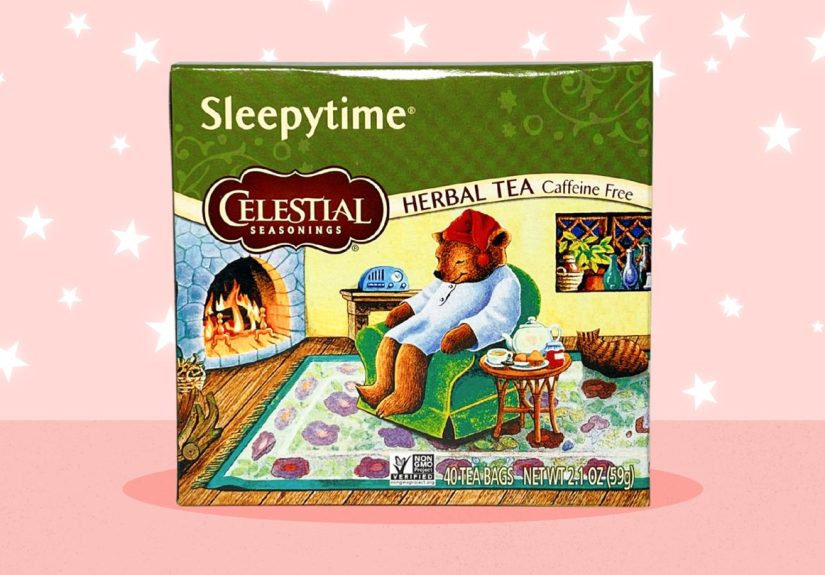
Sleepytime tea is a popular caffeine-free herbal tea blend made famous by Celestial Seasonings. The classic version typically contains chamomile, spearmint, lemongrass, tilia flowers, blackberry leaves, hawthorn, and rosebuds. Because formulas can change, the most accurate ingredient list is always the label on the box in your kitchennot the one living rent-free in your memory from three grocery trips ago.
Unlike black tea, green tea, or oolong tea, Sleepytime tea is not made from the Camellia sinensis plant and naturally contains no caffeine. That matters because caffeine can interfere with sleep for many people, especially when consumed in the afternoon or evening. A warm caffeine-free herbal tea can feel comforting without sending your brain into “let’s reorganize the pantry at midnight” mode.
How Sleepytime Tea May Support Better Sleep
Sleepytime tea is not a sleeping pill, and it should not be expected to knock you out like a movie villain with a frying pan. Its effects are usually gentler. For many people, the benefit comes from a combination of herbal compounds, warmth, hydration, aroma, and the ritual of slowing down before bed.
Chamomile May Encourage Relaxation
Chamomile is the star ingredient in many bedtime teas. It contains plant compounds, including apigenin, that may support relaxation by interacting with calming pathways in the brain. Research on chamomile and sleep is mixed, but some studies suggest it may modestly improve sleep quality in certain groups, such as postpartum women or older adults.
The key word is “modestly.” Chamomile tea is more like a soft blanket than a medical treatment. It may help create the right conditions for sleep, especially when paired with good sleep habits, but it is unlikely to fix chronic insomnia, sleep apnea, restless legs syndrome, or a racing mind fueled by three coffees and a dramatic group chat.
A Bedtime Ritual Can Train the Brain to Wind Down
One of the strongest benefits of Sleepytime tea may come from routine. When you repeat the same calm behavior every nightboiling water, steeping tea, dimming lights, putting the phone awayyour brain begins to recognize the pattern. It learns, “Ah, we are not starting a new project. We are landing the plane.”
Sleep experts often recommend consistent sleep schedules, relaxing evening routines, cool and quiet bedrooms, and avoiding late caffeine or heavy meals. Sleepytime tea can fit neatly into that routine. The tea itself may be helpful, but the larger bedtime pattern may do a lot of the heavy lifting.
It Replaces Less Sleep-Friendly Drinks
Sometimes the benefit of Sleepytime tea is not only what it adds, but what it replaces. Swapping evening soda, coffee, energy drinks, or alcohol for a caffeine-free herbal tea can make a meaningful difference. Caffeine can linger for hours, and alcohol, although it may make you sleepy at first, can disrupt sleep later in the night.
A cup of Sleepytime tea gives your hands something warm to hold and your taste buds something pleasant to notice, without loading your system with stimulants. That is a small change, but small bedtime changes can have surprisingly large effects over time.
Potential Health Benefits of Sleepytime Tea
While most people drink Sleepytime tea for relaxation, several ingredients may offer additional wellness perks. These benefits should be understood as possible supportive effects, not guaranteed medical outcomes.
1. May Help Reduce Occasional Stress
Chamomile has been studied for anxiety and mood support, and some research suggests chamomile extract may have mild anti-anxiety effects. Drinking tea is also naturally calming for many people because it forces a pause. You cannot chug hot tea while sprinting through your evening like a caffeinated raccoon. You have to slow down, breathe, and wait.
For everyday stress, that pause can matter. A quiet cup of tea may help signal the transition from “doing mode” to “resting mode.” However, people with persistent anxiety, panic attacks, depression, or severe sleep problems should seek professional guidance rather than relying on tea alone.
2. May Soothe the Stomach
Several herbs in Sleepytime tea, especially chamomile, spearmint, and lemongrass, are traditionally used to support digestion. Spearmint may help some people feel less bloated or queasy, while chamomile is often used for mild stomach discomfort.
This does not mean Sleepytime tea is a cure for digestive disease. But after a reasonable dinner, a warm cup may feel soothing. If your sleep is often disturbed by indigestion, it is also worth reviewing meal timing, portion size, spicy foods, alcohol, and late-night snacking habits.
3. May Support Hydration Without Caffeine
Hydration matters for overall comfort, and herbal tea contributes fluid without caffeine. That said, drinking a huge mug right before bed can backfire if it sends you to the bathroom at 2 a.m. like your bladder has scheduled a staff meeting.
For most people, one cup about 30 to 60 minutes before bed is a reasonable starting point. If nighttime urination is an issue, drink it earlier in the evening or use a smaller cup.
4. May Offer Antioxidant Compounds
Herbs such as chamomile, spearmint, lemongrass, hawthorn, blackberry leaves, and rosebuds contain various plant compounds with antioxidant activity. Antioxidants help the body manage oxidative stress, which is part of normal metabolism and is influenced by diet, lifestyle, pollution, and other factors.
However, Sleepytime tea should not be marketed as a miracle antioxidant solution. It is a pleasant beverage, not a superhero cape for your cells. The best antioxidant strategy still comes from a balanced diet rich in fruits, vegetables, whole grains, legumes, nuts, seeds, and other minimally processed foods.
5. May Be a Better Evening Choice for Sensitive Sleepers
Some people are highly sensitive to caffeine. Even a small amount in the afternoon can make sleep harder. Because classic Sleepytime tea is caffeine-free, it may be a better nighttime beverage than green tea, black tea, yerba mate, or coffee.
It may also be useful for people trying to reduce caffeine gradually. Replacing one evening caffeinated drink with Sleepytime tea can be an easy, low-pressure step toward better sleep hygiene.
Possible Side Effects of Sleepytime Tea
For many healthy adults, Sleepytime tea is well tolerated when consumed in normal food-like amounts. But side effects can happen, especially if you drink large amounts, have allergies, take certain medications, or use a stronger version such as Sleepytime Extra.
Allergic Reactions
Chamomile belongs to the daisy family. People who are allergic to ragweed, chrysanthemums, marigolds, daisies, or related plants may be more likely to react to chamomile. Symptoms can include itching, rash, swelling, throat irritation, wheezing, or, rarely, a severe allergic reaction.
If you have a history of serious plant allergies, be cautious. If you develop trouble breathing, facial swelling, or severe hives after drinking any herbal tea, seek emergency medical care.
Drowsiness and Next-Day Grogginess
Sleepytime tea is designed to be calming. That is the point. But for some people, especially those who are sensitive to herbs or who drink multiple cups, it may contribute to extra drowsiness. This is more important if you take sedatives, sleep medications, anti-anxiety medications, antihistamines, opioids, muscle relaxers, or drink alcohol.
Do not combine sleepy herbs with alcohol or sedating medications unless your healthcare provider says it is safe. Also, avoid driving or operating machinery if you feel unusually drowsy after drinking it.
Medication Interactions
Chamomile may interact with blood thinners or antiplatelet medications because it contains natural coumarin-like compounds. It may also affect sedatives and certain medications processed by liver enzymes, although the clinical importance can vary.
Hawthorn, another ingredient in classic Sleepytime tea, may affect blood pressure and heart-related medications. People taking drugs for heart failure, blood pressure, angina, arrhythmias, or digoxin should be especially careful with hawthorn-containing products.
The occasional cup may not be a problem for many people, but “I drink this every night forever” is exactly the kind of detail your doctor or pharmacist should know about.
Pregnancy and Breastfeeding Concerns
Pregnant or breastfeeding people should talk with a healthcare professional before using herbal teas regularly. Some herbs have limited safety data during pregnancy and lactation. Chamomile, valerian, hawthorn, and other botanicals may not be appropriate for everyone in these stages.
A casual sip is different from daily use, but pregnancy is not the time to play herbal roulette. Ask first.
Stomach Upset
Although chamomile and mint are often used to soothe digestion, some people may experience nausea, reflux, or stomach discomfort. Mint can aggravate reflux in certain individuals because it may relax the lower esophageal sphincter. If you notice heartburn after Sleepytime tea, try drinking it earlier, using a weaker brew, or choosing a non-mint herbal tea.
What About Sleepytime Extra?
Sleepytime Extra is not the same as classic Sleepytime tea. The “Extra” version often includes valerian root, an herb commonly used for sleep support. Valerian may cause drowsiness, headache, dizziness, stomach upset, vivid dreams, or, oddly enough, sleeplessness in some people. Herbal irony has range.
Valerian may also interact with alcohol, sedatives, sleep medications, and other central nervous system depressants. It is usually not recommended during pregnancy or breastfeeding unless a clinician specifically approves it. If you want a gentle bedtime tea, classic Sleepytime may be a milder choice than Sleepytime Extra.
Who Should Be Careful With Sleepytime Tea?
Sleepytime tea may not be ideal for everyone. Use extra caution if you:
- Are allergic to ragweed, daisies, chrysanthemums, or related plants
- Take blood thinners such as warfarin or antiplatelet medications
- Take sedatives, sleep aids, opioids, antihistamines, or anti-anxiety medications
- Use medications for heart disease, blood pressure, arrhythmia, or heart failure
- Are pregnant, trying to become pregnant, or breastfeeding
- Have liver disease, kidney disease, or a complex medical condition
- Are preparing for surgery
When in doubt, ask a healthcare provider or pharmacist. Herbal products can be useful, but they still contain active compounds. Your body does not give an herb a free pass just because it came in a cute box.
How to Drink Sleepytime Tea Safely
For most healthy adults, one cup in the evening is a sensible place to start. Steep the tea according to package instructions, usually in hot water for several minutes. Avoid making it extremely concentrated unless you already know how your body responds.
Try drinking it 30 to 60 minutes before bed. Pair it with low lighting, a consistent bedtime, reduced screen exposure, and a quiet activity such as reading, stretching, journaling, or listening to calming music. Skip the sugar-heavy add-ins if they make you feel more alert or trigger reflux.
If you feel dizzy, unusually sleepy, itchy, nauseated, short of breath, or notice any unusual symptoms, stop drinking it and seek medical advice.
Sleepytime Tea vs. Melatonin: Which Is Better?
Sleepytime tea and melatonin are different tools. Sleepytime tea is a beverage that supports relaxation and routine. Melatonin is a hormone-related supplement that may help shift sleep timing, especially for jet lag or circadian rhythm issues. Melatonin is not always necessary for everyday sleeplessness, and more is not always better.
If your main problem is stress, racing thoughts, or poor bedtime habits, Sleepytime tea plus better sleep hygiene may be a gentle first step. If your sleep schedule is severely delayed or you suspect a sleep disorder, speak with a healthcare professional.
Realistic Expectations: What Sleepytime Tea Can and Cannot Do
Sleepytime tea can help make bedtime feel calmer. It can replace caffeine. It can become a comforting nightly cue. It may gently support relaxation. It may soothe mild digestive discomfort for some people.
But it cannot erase chronic stress, cure insomnia, treat sleep apnea, override poor sleep habits, or cancel out doom-scrolling under the covers. It is a helper, not a hero. Think of it as part of your sleep team: useful, cozy, and dependable, but not responsible for doing everyone else’s job.
500-Word Experience Section: What It Feels Like to Add Sleepytime Tea to a Nightly Routine
Adding Sleepytime tea to a nighttime routine can feel less like taking a supplement and more like creating a small ceremony. That may sound dramatic for a tea bag, but rituals are powerful. Many people spend the day moving from task to task: emails, errands, family needs, bills, notifications, traffic, dinner, dishes, and the mysterious pile of laundry that somehow regenerates like a fantasy creature. By the time bedtime arrives, the body is tired, but the brain is still running laps.
This is where a cup of Sleepytime tea can be surprisingly useful. The experience starts before the first sip. Filling the kettle, hearing the water heat, choosing a mug, and watching steam rise from the cup all create a sense of transition. The smell is soft and herbal, with chamomile’s floral warmth, spearmint’s cool freshness, and lemongrass’s bright citrus note. It is not a loud flavor. It does not burst through the door yelling, “I am wellness!” It simply arrives, sits down quietly, and suggests that maybe the day can end now.
Many people notice that the biggest effect is not instant sleepiness but a change in pace. You sit a little longer. You breathe a little deeper. You stop multitasking because hot tea demands basic respect. Sip too fast and your tongue files a formal complaint. This slower rhythm can be especially helpful if your evenings usually involve screens, stressful news, or mental replay of everything you should have said differently in a meeting three years ago.
Another common experience is the comfort of consistency. Drinking Sleepytime tea at the same time each night can become a cue that tells the brain bedtime is approaching. Over several nights or weeks, that cue may become stronger. The tea becomes associated with pajamas, dim lights, quieter thoughts, and fewer demands. In this way, the cup works almost like a bookmark between the day and the night.
There can also be practical lessons. Some people learn that drinking tea too close to bed wakes them later for a bathroom trip. Others discover that a full mug is too much, but a small cup is perfect. Some prefer it plain, while others add a little honey. People with reflux may find minty herbal teas uncomfortable and may need another option. The “best” routine is not the fanciest one; it is the one your body actually likes.
The most realistic experience is this: Sleepytime tea may not make you fall asleep like flipping a switch, but it can make bedtime feel more intentional. It gives you a reason to stop, soften the lights, put the phone away, and let the nervous system downshift. That may not sound spectacular, but for modern sleep, ordinary calm is practically a luxury item.
Conclusion
Sleepytime tea may offer gentle benefits for relaxation, bedtime consistency, caffeine-free hydration, and occasional digestive comfort. Its classic ingredients, especially chamomile, have a long history of use in calming herbal teas, and some research suggests mild sleep-supporting effects in certain groups. However, it is not a cure for insomnia or a replacement for medical care.
The main side effects and safety concerns include allergic reactions, drowsiness, medication interactions, pregnancy and breastfeeding uncertainty, stomach upset, and extra caution with formulas that contain valerian. For many healthy adults, one evening cup can be a pleasant part of a smart sleep routine. The best results usually come when Sleepytime tea joins other sleep-friendly habits: a consistent schedule, less late caffeine, a calm bedroom, fewer screens, and a brain that has been gently informed that midnight is not the ideal time to solve every life problem.