Table of Contents >> Show >> Hide
- What “Masterpiece Series Combination Oven” Actually Means
- The Headliner: Masterpiece Series Combination Wall Oven (Microwave + Wall Oven)
- How It Cooks: The Convection Oven Side
- How It Microwaves: The “Upper Oven” Reality Check
- Design and Build: Why the Masterpiece Series Looks So “Built-In”
- Smart Features: Useful, Not Gimmicky (If You Actually Use Them)
- Planning and Installation: Measure Twice, Celebrate Once
- Should You Get a Microwave Combo, a Speed Oven, or Steam + Convection?
- Pros and Cons (The Honest Version)
- Care, Cleaning, and “Please Don’t Ignore This” Maintenance
- Conclusion: Is the Thermodor (Thermador) Masterpiece Combo Worth It?
- of Real-World Experiences: Living With a Masterpiece Series Combination Oven
If you searched for “Thermodor,” you’re in excellent companyautocorrect and tired thumbs have claimed many victims.
The brand most people mean is Thermador, and their Masterpiece Series combination ovens are basically the
built-in equivalent of showing up to a potluck with a chef’s knife and a flamethrower: extra, impressive, and weirdly practical once you live with it.
In plain English, a combination oven in the Masterpiece Series is about stacking (or blending) different cooking technologies
into one sleek built-in footprinttypically pairing a full-size wall oven with something faster up top (microwave or speed oven), or pairing
steam with convection for next-level texture and moisture control. The pitch is simple: do more cooking with less waitingand make it look
ridiculously good while doing it.
What “Masterpiece Series Combination Oven” Actually Means
The phrase “Masterpiece Series combination oven” gets used a few different ways in kitchen showrooms and online listings. Here are the most common
Masterpiece-style “combo” setups you’ll see:
1) Wall Oven + Microwave (a true two-in-one stack)
This is the classic “I want a real oven, but I also want to reheat coffee like a modern person” configuration: a full convection wall oven below,
a built-in microwave above, all in one tall unit.
2) Wall Oven + Speed Oven (microwave power + convection browning)
A speed oven typically combines microwave energy with convection heat to cook faster while still browning and crisping. Great for
weeknights, even better for anyone who refuses to eat “microwaved” anything (because the speed oven can make it taste like you didn’t take a shortcut).
3) Steam + Convection (moisture meets crunch)
Steam-and-convection combinations are for people who want restaurant-ish results: juicy proteins, tender vegetables, bread that doesn’t dry out,
and leftovers that reheat without turning into sadness.
The rest of this guide focuses on the most widely discussed style of Masterpiece combothe wall oven + microwave stackthen zooms out
to help you decide whether a speed oven or steam combo fits you better.
The Headliner: Masterpiece Series Combination Wall Oven (Microwave + Wall Oven)
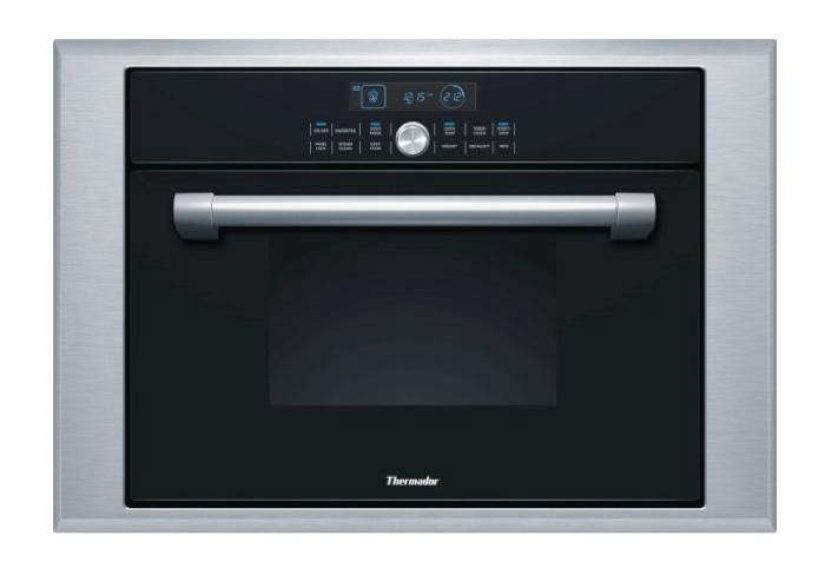
One popular example in this category is the 30-inch Masterpiece combination wall oven built around a full-size convection oven with a
built-in microwave above (often listed as a 6.1 cu. ft. total capacity setup, with a 4.5 cu. ft. oven and a 1.6 cu. ft. microwave). Translation:
you get a real oven cavity that can handle a serious roast, plus a microwave that doesn’t hog your counter space.
Key specs and what they mean for real cooking
-
Full-size convection oven (around 4.5 cu. ft.):
Big enough for sheet pans, holiday casseroles, and “I invited everyone and now I’m coping” cooking. -
Built-in microwave (around 1.6 cu. ft.):
Practical for reheating, melting, softening, and quick cooking taskswithout a countertop box stealing your prep space. -
Multiple microwave programs:
Presets for common tasks like melting butter or softening ingredients can save time and prevent “Oops, I made lava.” -
Convection modes + specialty modes (often including Air Fry):
Convection isn’t just a fanit’s your cheat code for even browning, multi-rack baking, and crisp textures without babysitting. -
Fast preheat:
Because waiting for an oven to preheat is the kitchen equivalent of watching paint dry… while hungry. -
Temperature probe support:
Extremely useful if you cook meat (or bread) and prefer “nailed it” over “I hope it’s done.” -
Self-clean cycles:
A shorter “quick clean” option is great for maintenance; deep-clean modes are for after the lasagna overflow incident. -
Wi-Fi connectivity / smart app control:
Remote monitoring, notifications, and sometimes voice assistant integration can help you multitask without hovering. -
Flush or standard installation:
Flush looks custom and seamless, but it can require more planning for cabinet depth and cutout dimensions.
If you’re renovating or building new, this combo format is a smart “space efficiency” move: you get two appliances in one vertical bay, which can free up
room for a coffee station, extra pantry storage, or a dedicated drawer for your collection of whisks you swear are all different.
How It Cooks: The Convection Oven Side
Let’s talk about what matters: the oven performance. In a Masterpiece Series combo, the lower wall oven is typically the workhorsehandling bake, broil,
roast, convection, and specialty settings. Convection is especially helpful if you:
- Bake on multiple racks (cookies, meal prep trays, muffins for the school fundraiser you forgot about)
- Roast proteins and vegetables and want consistent browning without rotating pans every 12 minutes
- Care about crisp textures but don’t want to deep fry (or smell like you did)
Specific examples you’ll actually use
Two-rack cookie bake: Convection helps even out browning so one tray doesn’t look like it vacationed in the sun while the other stayed in shade.
You’ll still want to follow your recipe’s guidance, but convection can make batch baking feel less like a chore.
Weeknight chicken and vegetables: Roast chicken thighs on one rack while vegetables caramelize below. Convection’s airflow helps finish both
with better color and less “steamed in its own moisture” vibes.
Air-fried “snack dinner”: Specialty modes like Air Fry can deliver crisp results on wings, fries, or cauliflower bitesespecially when you use
a perforated tray or rack to encourage airflow. (Yes, you can feed a family with “snacks.” No, I won’t tell.)
How It Microwaves: The “Upper Oven” Reality Check
Built-in microwaves in combo units are designed for convenience, not necessarily for winning a speed-heating contest against a basic countertop microwave.
The best experience usually comes from using the microwave for what it’s great at:
- Reheating leftovers (especially soups, rice, and saucy dishes)
- Melting and softening (butter, chocolate, cream cheese)
- Defrosting with more control than “blast it and hope”
- Quick steaming (vegetables with a splash of water in a covered bowl)
Tips for better microwave results
- Stir and rotate when reheating thicker foods (pasta, casserole portions).
- Use lower power levels for more even heatingyes, it’s slower; yes, it’s worth it.
- Cover food to trap steam and prevent moisture loss (and to reduce splatter cleanup).
- Lean on sensor programs for simple reheats when you don’t want to do microwave math.
If your household uses the microwave constantly (multiple times an hour, every day), it’s worth paying attention to user-interface ergonomics.
Some people love a button-based approach; others prefer minimal taps. In other words, the best microwave is the one that doesn’t make you sigh before your coffee is hot.
Design and Build: Why the Masterpiece Series Looks So “Built-In”
The Masterpiece aesthetic is intentionally modern: clean lines, premium finishes, and a look that pairs nicely with other high-end appliances.
A big selling point is the ability to do flush installation so the unit sits sleekly in cabinetry instead of protruding.
Flush mounting tends to elevate the whole kitchen visuallylike your cabinets got a tailored suit.
Small details that matter more than you think
- Soft-close feel: Doors that close smoothly sound like a luxury until you realize how often you close an oven door with your hip.
- Interior lighting and window visibility: Being able to see what’s browning without opening the door is a true adult joy.
- Rack quality: Sturdy racks and smoother glides make heavy roasts and sheet pans feel less like a gym exercise.
Smart Features: Useful, Not Gimmicky (If You Actually Use Them)
Many Masterpiece combination ovens offer app connectivity for remote monitoring, notifications, and sometimes remote preheating (depending on model and settings).
This can be genuinely helpful if you:
- Want a notification when the oven hits temperature
- Prefer checking timers from your phone while you’re outside with guests
- Like having service diagnostics available if something acts up
The best way to think about “smart oven” features is this: they don’t make you a better cook; they make you a less distracted cook. That’s still a win.
Planning and Installation: Measure Twice, Celebrate Once
Combination units are tall and heavy, and they demand accurate cutout dimensions. Before you buy, make sure your plan accounts for:
1) Cutout and cabinet requirements
Standard vs. flush installation can change required cutout height, width, and depth. Flush installs often require more depth and a slightly different cutout.
The takeaway: decide on flush vs. standard early, not after your cabinets are already installed.
2) Electrical requirements
Built-in ovens typically require hardwiring and proper circuit planning. Your installer (or electrician) will thank you for not “winging it” here.
You will also thank youbecause the alternative is rescheduling, and that’s a whole emotional journey.
3) Ventilation and heat management
Even when a unit is designed for built-in use, the surrounding cabinetry needs to be appropriate for heat. Follow manufacturer installation instructions closely.
This is not the moment for DIY improvisation.
Should You Get a Microwave Combo, a Speed Oven, or Steam + Convection?
Here’s the simplest decision framework:
Choose a microwave + wall oven combo if…
- You want maximum practicality (reheat + full baking/roasting power)
- You use a microwave daily and want a clean countertop
- You want a straightforward learning curve
Choose a speed oven setup if…
- You want faster cooking and better browning than typical microwaving
- You cook lots of quick meals (or reheat often and hate soggy results)
- You like the idea of one appliance doing “fast” and “crisp” together
Choose steam + convection if…
- You care about moisture retention (bread, fish, vegetables, reheats that stay tender)
- You’re into healthier cooking techniques without losing texture
- You want a pro-style toolset and don’t mind a bit more learning
If you’re building a Thermador suite, consistency matters: matching handles, trim, and finishes can make the whole kitchen look intentionally designed
rather than “I bought these during three different sales events.”
Pros and Cons (The Honest Version)
Pros
- Space efficiency: Two appliances in one built-in footprint.
- Serious oven capacity: You still get a real wall oven for big cooking jobs.
- Convenience: Microwave tasks stay fast and easy without cluttering the counter.
- Premium look: The Masterpiece design is built to elevate a kitchen visually.
- Helpful features: Convection, specialty modes, probes, and smart notifications can reduce cooking stress.
Cons
- Premium price: You’re paying for design, engineering, and integrationnot just heat.
- Installation complexity: Tall units require precise cutouts and solid planning.
- Microwave expectations: Built-in microwaves can feel different from countertop models in speed and interface.
- Service costs: Repairs (if needed) can be expensive compared to commodity appliances.
Care, Cleaning, and “Please Don’t Ignore This” Maintenance
To keep a premium combo oven feeling premium:
- Wipe spills quickly (especially sugary ones) so they don’t bake into permanent reminders.
- Use self-clean strategically: quick cycles for maintenance, deeper cycles only when necessary.
- Clean the microwave interior regularlysteam a bowl of water with lemon, then wipe. Simple, effective, smells like you have your life together.
- Follow cookware guidance: the wrong pan can sabotage convection airflow and browning.
Conclusion: Is the Thermodor (Thermador) Masterpiece Combo Worth It?
A Thermodor Masterpiece Series combination ovenespecially the microwave + wall oven stylemakes the most sense for homeowners who cook often,
care about performance, and want a built-in look that feels architectural. It’s for the person who wants a kitchen that works like a tool and photographs like a magazine.
And yes, it’s absolutely possible to appreciate both of those things.
If your daily life involves juggling dinner, work, kids, friends, and the occasional “Why did I open the fridge?” moment, a combination oven can genuinely reduce friction:
bake below, reheat above, and keep your counters clear. If you’re after even faster cooking with better crisping, consider a speed oven configuration. And if you love
moisture-perfect results, steam + convection is a compelling upgrade.
Bottom line: choose the combo that matches how you actually cook, not how you imagine you’ll cook after watching one cooking show and buying a mortar and pestle.
of Real-World Experiences: Living With a Masterpiece Series Combination Oven
Owning a Masterpiece Series combination oven is a little like adopting a very talented pet: it can make your life better every day, but it also prefers a bit of routine.
The first week is usually pure honeymoon energy. You’ll open and close the door just to feel how smoothly it moves. You’ll preheat the oven like it’s a sport.
You’ll tell someone (anyone) that you now have convection and a built-in microwave, as if you personally invented modern kitchens.
Then real life kicks inwhich is where the combo format shines. A common “oh, this is nice” moment happens during multi-task dinners: the oven handles the main event
(say, salmon or a roast chicken), while the microwave quickly steams vegetables, reheats rice, or softens butter for the emergency batch of cookies you promised
you’d bring “in a bit.” The workflow feels efficient because you’re not fighting for appliance time. The appliances stop being “features” and start being “habits.”
People who bake a lot tend to appreciate convection consistencyespecially for two-rack baking or when the kitchen is busy and you don’t want to rotate pans.
Hosts love the flexibility too: warming and reheating becomes less chaotic, and the main oven stays dedicated to the bigger items.
It’s the difference between a smooth dinner party and a kitchen where everyone is asking, “Where should I put this?” while you whisper, “Anywhere… just not in my way.”
On the microwave side, experiences are more mixedbut predictable. Many owners love having it integrated and off the counter. What trips some people up is that a
built-in microwave’s “feel” can differ from the cheap countertop unit they’ve used for years. Reheat times can be different, popcorn can be an adventure,
and the control flow may require more button presses than expected. The best workaround is embracing power levels and shorter bursts: a little patience produces
more even heating and fewer “hot edges, cold middle” surprises.
Maintenance is where the Masterpiece ownership mindset pays off. If you wipe minor spills early and use self-clean strategically, the oven stays showroom-pretty.
If you ignore the little messes, they will eventually unionize and demand permanent residence. Owners who treat the combo like a daily toolrather than a “special occasion”
appliancetend to be happiest. The combo format is built for real cooking, not just holiday heroics.
The honest “grown-up” note: premium appliances can have premium repair bills. That doesn’t mean you should fear themit means you should buy from a reputable dealer,
register the product, and consider service coverage if that helps you sleep at night. The best experience is when performance, planning, and support all line up.
When they do, the Masterpiece combo becomes one of those appliances you don’t think about much… because it just quietly makes dinner easier.