Table of Contents >> Show >> Hide
- What Is the Clever Amazon Tool Everyone Should Know About?
- Why a Toilet Auger Works So Well
- Toilet Auger vs. Plunger: Which One Should You Use First?
- How to Use a Toilet Auger Without Turning the Bathroom Into a Crime Scene
- What Not to Do When Unclogging a Toilet
- Is a Pressure Plunger or Air Blaster Better Than a Toilet Auger?
- How to Prevent Future Toilet Clogs
- When You Should Skip DIY and Call a Plumber
- Real-World Experiences With This Clever Toilet Tool
- Conclusion
There are few household moments more humbling than watching toilet water rise while you perform the ancient dance of panic, denial, and bargaining. First you stare. Then you flush again, which is usually an emotional decision rather than a strategic one. Then you start wondering whether today is the day your bathroom becomes a swamp. The good news is that many everyday toilet clogs can be cleared quickly with the right tool. The even better news is that the smartest tool is not glamorous, not high-tech, and not pretending to be a space-age plumbing laser. In most cases, it is a simple toilet auger, sometimes called a closet auger, and yes, you can easily find one on Amazon.
If you have been searching for a toilet unclogger that actually works, this is the tool worth knowing. A good toilet auger is built to travel through the toilet’s curved trap, break up or grab common blockages, and do it without scratching the porcelain when used properly. Think of it as the practical hero of bathroom emergencies: not flashy, but very good under pressure. In this guide, we will break down what the tool is, why it works, how it compares with a plunger, what to avoid, and how real homeowners tend to experience the whole messy adventure.
What Is the Clever Amazon Tool Everyone Should Know About?
The tool is a toilet auger. If that name sounds like something a medieval blacksmith would carry, do not worry. It is simply a flexible cable with a crank handle that is designed specifically for toilets. Unlike a standard drain snake, a toilet auger is made to navigate the toilet’s built-in curves. Many models also include a rubber or vinyl sleeve to help protect the bowl from scratches.
This is what makes the toilet auger so useful. A plunger can clear a lot of common clogs by creating pressure and suction. But when the blockage sits deeper in the trap or drain path, the plunger may turn into a motivational speaker rather than a problem solver. A toilet auger physically reaches the clog. It can break it apart, hook it, or push it through. That hands-on approach is exactly why so many plumbing experts recommend keeping one around.
Amazon carries a wide range of toilet augers, from compact manual models for occasional clogs to heavier-duty versions marketed for tougher bathroom backups. You will also see pressure plungers, bellows plungers, and air-powered gadgets in the same search results. Some of those can help in the right situation, but the toilet auger tends to be the most dependable “serious but still DIY-friendly” option for a truly stubborn toilet clog.
Why a Toilet Auger Works So Well
It Is Designed for Toilet Geometry
A toilet is not just a hole with ambitions. It has a curved internal pathway called a trap. That shape helps block sewer gases, but it also means clogs can get lodged where a generic tool struggles. A toilet auger is shaped for that route, which is why it can reach places a basic stick, hanger, or bad idea cannot.
It Deals With Deeper Clogs
If the blockage is made of too much toilet paper, wipes, hygiene products, or a small object that should never have gone on a plumbing field trip, a toilet auger can often reach it more effectively than repeated plunging. This is especially helpful when the toilet drains slowly, backs up repeatedly, or seems fine until the next flush turns dramatic.
It Can Be Faster Than Bathroom Chemistry
Many people try to solve a clog with chemical drain cleaners, homemade mixtures, or a prayer circle around the toilet. The problem is that toilet clogs often respond better to mechanical removal than chemical softening. A toilet auger gives you direct control. You insert it, rotate the handle, feel the obstruction, and work on the clog right where it lives. No waiting around while the bowl marinates in mystery liquid.
Toilet Auger vs. Plunger: Which One Should You Use First?
For most clogs, start with a flange plunger, which is the type made for toilets. A flat sink plunger is usually the wrong tool for the job. If the plunger gets the water moving again after a few well-sealed plunges, congratulations: you may avoid further bathroom negotiations.
But when the plunger does not work, the toilet auger is the logical next move. It is especially useful when:
- The toilet bowl fills high and drains slowly
- The clog keeps coming back after plunging
- You suspect a deeper blockage in the trap
- Someone flushed an object that definitely was not born to be flushed
- You want a more precise tool than brute-force plunging
Here is the practical rule: plunger first, toilet auger second, plumber third if the problem keeps fighting back. That order saves time, reduces mess, and helps you avoid turning a basic clog into a full plumbing headache.
How to Use a Toilet Auger Without Turning the Bathroom Into a Crime Scene
Step 1: Stop the Water if the Bowl Is Rising
If the toilet is threatening to overflow, turn off the water supply valve behind the toilet. This buys you time and lowers the odds of an emergency mop session. Lay down old towels or paper towels around the base because reality is rarely tidy.
Step 2: Put on Gloves and Position the Tool
Wear gloves. Your dignity may already be compromised, but your hygiene does not have to be. Place the auger’s curved end into the bowl and guide it carefully toward the drain opening.
Step 3: Crank Clockwise and Feed the Cable Gently
Turn the handle slowly while applying light forward pressure. The goal is to let the cable follow the toilet’s natural curve. Do not force it. This is plumbing, not sword fighting.
Step 4: Feel for Resistance
When you hit resistance, you have probably found the clog. Continue rotating the handle while gently pushing and pulling. The cable may break up the blockage or snag it so you can remove it.
Step 5: Retract, Clean, and Test Flush
Pull the auger back slowly. Have a bucket or trash bag ready for anything the cable brings back from the underworld. Once the cable is out, flush the toilet. If the water drains normally, you win. Clean and disinfect the tool before storing it.
What Not to Do When Unclogging a Toilet
Do Not Use the Wrong Snake
A standard drain snake is not the same as a toilet auger. Some experts warn that generic snakes can scratch or even crack toilet porcelain if used carelessly. That is why the toilet-specific design matters. The right tool is not just more effective; it is kinder to your bathroom.
Do Not Mix Chemicals
If you already poured in a chemical cleaner, stop before adding anything else or using a plunger or auger aggressively. Chemical mixtures can splash, fume, or damage surfaces and pipes. Even when chemical products are marketed as quick fixes, many home and plumbing experts treat them as a last resort, not a first move.
Do Not Pour Boiling Water Into the Bowl
Hot water can sometimes help soften an organic clog, but boiling water is a risky move because it can damage porcelain or create thermal stress. When people say hot water, they should mean hot, not lava.
Do Not Keep Flushing to “See What Happens”
We all know what happens. The bowl rises. Your stress rises. Nothing else improves. If the first flush already told you there is a problem, believe it.
Is a Pressure Plunger or Air Blaster Better Than a Toilet Auger?
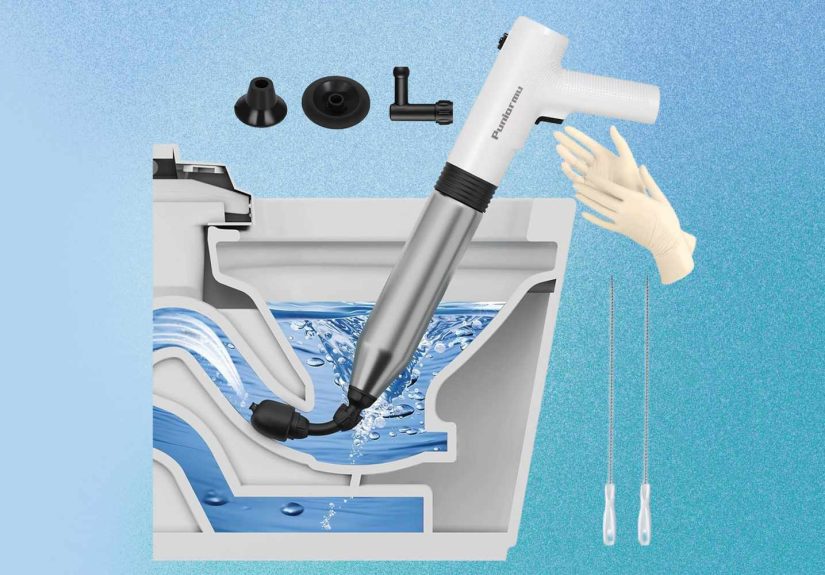
You will find plenty of high-pressure toilet unclogger tools on Amazon. Some have gauges, some promise one-click power, and some look like they are preparing for launch. These tools can clear certain clogs quickly by using bursts of air pressure. That sounds appealing, especially when you want a fast fix before guests arrive and start asking why the guest bath sounds like a troubled aquarium.
Still, pressure tools are not always the safest or smartest first buy for every home. They may be effective on soft blockages, but they can also be overkill, and a user who applies too much force may create splash-back or stress on older plumbing. A manual toilet auger is usually easier to control, easier to store, and more consistent for typical household toilet clogs. If you want one reliable bathroom backup plan, the auger usually beats the gadget parade.
How to Prevent Future Toilet Clogs
Flush Only What Should Be Flushed
The safest rule is wonderfully boring: human waste and toilet paper only. Not wipes. Not paper towels. Not cotton swabs. Not floss. Not “flushable” products that become plumbing folklore. If it began life in packaging, it probably belongs in the trash.
Use Less Toilet Paper at One Time
Even a good toilet can struggle when it is asked to swallow half a roll in one heroic attempt. Smaller flushes are easier on the drain path and reduce the chances of a sudden clog.
Pay Attention to Warning Signs
Slow draining, bubbling, gurgling, and recurring backups can signal a bigger issue. If multiple fixtures are draining poorly, the problem may not be the toilet at all. It could be farther down the line, and that is when a licensed plumber deserves the spotlight.
Keep a Basic Bathroom Emergency Kit
A smart household setup includes a flange plunger, a toilet auger, gloves, disinfectant, and old towels. This is not glamorous, but neither is sprinting through your house looking for supplies while the toilet bowl performs interpretive flooding.
When You Should Skip DIY and Call a Plumber
Sometimes the toilet auger does its job and the clog still wins. That is your sign to stop escalating. Call a plumber when:
- The toilet overflows repeatedly
- The clog returns soon after clearing
- Other drains in the home are backing up too
- You hear frequent gurgling from nearby fixtures
- You suspect a toy, brush, or other solid object is lodged in the line
- You have already used chemicals and do not want to risk a messy reaction
At that point, the issue may involve the main drain line, a venting problem, or an obstruction deeper than household tools can safely reach. There is no shame in calling for help. Plumbing is one of those skills that looks easy until your bathroom floor disagrees.
Real-World Experiences With This Clever Toilet Tool
One reason the toilet auger earns such a loyal following is that it tends to solve exactly the kind of clog people remember forever. Not because they want to remember it, but because bathroom disasters are strangely excellent at staying in the memory. Ask around and you will hear the same pattern again and again: someone starts with a plunger, spends too long hoping, tries a few internet hacks, and finally reaches for a proper auger. Suddenly the problem that felt enormous becomes a ten-minute fix.
A very common experience is the “weekend panic clog.” Hardware stores are closing soon, guests are coming over, and the bathroom chooses chaos. Homeowners who already have a toilet auger tucked away tend to describe the same relief: instead of experimenting with dish soap, baking soda, boiling-not-boiling water debates, and general emotional collapse, they can go straight to the tool that physically reaches the clog. It feels less like guessing and more like solving.
Another familiar situation happens in homes with kids. Children are wonderful, imaginative, and absolutely capable of flushing an object that has no business entering a drain. A plunger often cannot do much in that scenario because suction does not always move a lodged item. A toilet auger, on the other hand, at least gives the homeowner a chance to feel where the blockage is and sometimes catch or shift it. It is not magic, but it is a lot more useful than pleading with the toilet in a respectful tone.
Then there is the repeated slow-drain problem. The toilet seems mostly fine, but every few days it flushes sluggishly, gurgles a little, or threatens to rise too high before calming down. People often describe this as the most annoying stage because it is not dramatic enough to force immediate action, yet it keeps ruining the vibe. In these cases, using a toilet auger can reveal whether the issue is a partial blockage in the trap or something deeper in the line. Even when it does not fully solve the problem, it often helps homeowners figure out when the issue has moved beyond DIY territory.
There is also an emotional side to the experience that is rarely discussed in glamorous home blogs. Fixing a clog yourself can be gross, yes, but it can also be weirdly satisfying. You buy one inexpensive, specialized tool, learn how to use it once, and suddenly you are no longer helpless in one of the most irritating household emergencies. That confidence matters. The next time the bowl rises, you do not spiral. You move. Gloves on. Towels down. Auger in. Problem addressed.
And finally, many homeowners come away from the experience with the same lesson: the best bathroom tool is usually the least theatrical one. Not the gadget making wild promises. Not the bottle of chemicals pretending to be a shortcut. Just a properly designed toilet auger that does one job extremely well. It is not exciting in the way a gadget ad wants to be exciting. It is exciting in the way a functioning toilet is exciting, which is honestly the better kind.
Conclusion
If you are looking at Amazon and wondering which toilet unclogger is actually worth buying, the safest bet is usually a toilet auger. It is designed for toilet clogs, easier to control than many novelty pressure tools, and more precise than relying on chemicals or improvised hacks. Pair it with a good flange plunger, and you have a simple two-step defense against one of the most annoying household problems on earth.
The main takeaway is simple: when your toilet clogs, start smart, not dramatic. Use the right plunger first. Move to a toilet auger when the blockage is deeper or more stubborn. Avoid reckless chemistry experiments. Watch for warning signs of larger plumbing issues. And keep your bathroom emergency kit ready, because homeownership has a terrific sense of timing and a terrible sense of humor.