Table of Contents >> Show >> Hide
- Meet the Artist Behind the Secret Roof-of-the-Mouth Tattoos
- Why the Roof of the Mouth Is the Ultimate Hidden Tattoo
- How Do You Even Tattoo the Roof of a Mouth?
- The Not-So-Secret Risks of Secret Mouth Tattoos
- Should You Get a Secret Tattoo on the Roof of Your Mouth?
- Beyond the Mouth: Other Unconventional Tattoo Canvases
- Experiences and Reflections Inspired by Secret Mouth Tattoos
- Conclusion
Imagine sitting in a tattoo studio, opening your mouth wide… and instead of your arm or your back, the artist leans in toward the roof of your mouth with a needle.
No, this isn’t a dare from a wild Friday night it’s an actual niche of body art that one Belgian tattoo artist has turned into his signature.
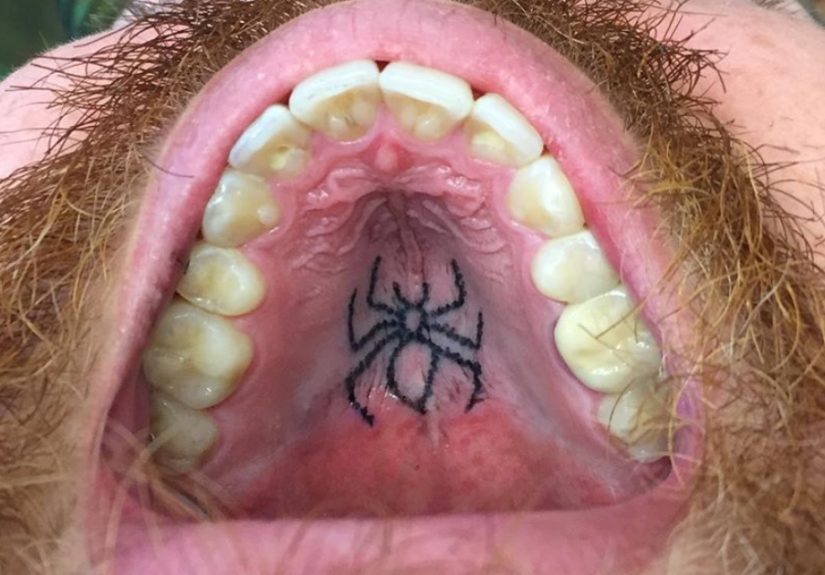
Roof-of-the-mouth tattoos sometimes called secret mouth tattoos or palate tattoos are exactly what they sound like:
tiny designs inked on a spot that only you, your dentist, and maybe your very closest loved ones will ever see. Thanks in part to viral features on platforms like Bored Panda,
plus social buzz from tattoo fans and curious onlookers, these hidden pieces have become one of the most extreme but oddly charming examples of unconventional tattoo placement.
In this article, we’ll explore the tattoo artist who helped popularize this trend, why people choose such a hidden and painful place, what actually happens during the procedure,
and very importantly the health risks and aftercare you absolutely need to understand before you even think about booking an appointment. We’ll also look more broadly at
unconventional body parts as tattoo canvases and share some experience-based insights inspired by this unusual art form.
Meet the Artist Behind the Secret Roof-of-the-Mouth Tattoos
The best-known name associated with these secret palate tattoos is Belgian tattoo artist Indy Voet, who works out of Brussels and has a background in both tattooing
and body piercing. Features in tattoo media and online magazines note that Voet has been experimenting with unconventional body canvases for several years,
including eyelids, ears, gums, finger webs, and the roof of the mouth. These aren’t random stunts this is his niche.
Rather than focusing on large, visible designs, he specializes in small, highly personal tattoos placed in spots that are either barely visible
or completely hidden in everyday life. The roof of the mouth is one of the most extreme examples: a smooth, curved, constantly moist surface that moves every time you talk,
swallow, or breathe.
According to interviews and social posts, Voet typically uses a hand-poked technique for these tattoos instead of a traditional tattoo machine.
Hand poking gives him more control on delicate tissue and helps reduce trauma, which matters a lot when your “canvas” is inside someone’s mouth.
Clients report that the experience is intense but surprisingly tolerable more weird and pressure-filled than outright unbearable pain,
although pain perception is very individual.
Why the Roof of the Mouth Is the Ultimate Hidden Tattoo
A Tattoo Only Your Dentist Will See
Most people think of “hidden” tattoos as something on the ribs or the upper thigh. A tattoo on the roof of the mouth, however, is on a completely different level of secrecy.
You have to deliberately open wide and tilt your head back to show it off. For some people, that intense privacy is the main attraction.
Fans of these tattoos often like the idea that:
- The tattoo is just for them, not for likes or comments.
- It can hold deeply personal symbolism without the pressure of public interpretation.
- It feels like a tiny act of rebellion that leaves their outward appearance completely unchanged.
In a world where lots of body art trends are driven by visibility and social media, a secret tattoo on the roof of the mouth is almost the opposite:
it’s an unapologetically private statement.
Symbolism and Personal Meaning
Because the space is small, designs are usually minimal: tiny symbols, initials, simple line drawings, or minimal text. People choose:
- A single letter or number with personal significance.
- Micro symbols like stars, arrows, or simple geometric shapes.
- Short words that mean something privately sometimes in another language.
Some clients view the roof of the mouth as a symbolic gateway: everything you say passes over that spot. For them, a tattoo there might represent
truth, vows, restraint, or self-expression. Others just love the sheer absurdity of knowing they have artwork in one of the last places anyone would expect.
How Do You Even Tattoo the Roof of a Mouth?
From Chair to Canvas: What Actually Happens
While every studio and artist has their own routine, the general process of a roof-of-the-mouth tattoo usually includes:
-
Consultation and screening.
A reputable artist will ask about your general health, oral health, medications, and any history of allergic reactions.
They may recommend you see a dentist first if you have gum disease, cavities, or other issues. -
Design selection.
Because space is limited, the design has to be very simple. Think tiny symbols, not elaborate portraits.
The artist may sketch how it will sit along the curve of the palate. -
Hygiene prep.
The artist should wear gloves, use sterile needles, and follow strict hygiene protocols. You’ll typically rinse with an antiseptic mouthwash before they start. -
Positioning.
You lean back, open wide, and try to stay as still as possible. This part feels a bit like a dental visit with more adrenaline. -
Hand-poke tattooing.
Using a hand-poked approach, the artist carefully deposits ink into the mucosal tissue. This usually takes longer per dot than a machine,
but offers better control in such a slippery, curved spot.
Does a Roof-of-the-Mouth Tattoo Hurt?
Pain is subjective, but oral tissues are sensitive. Many people compare the sensation to a mix of:
- Sharp pinpricks.
- Pressure on the palate.
- The awkwardness of holding your mouth open for an extended time.
Some clients say eyelid or rib tattoos hurt more; others insist the palate is among the most intense spots. The main challenge is less about pain
and more about the mental discomfort of having a needle in a space usually reserved for food and dental tools.
Healing and Longevity: Do Mouth Tattoos Last?
Tattoos on mucous membranes like inner lip, gums, and inner cheek are notorious for fading quickly. Constant moisture, saliva,
heat, and movement make it harder for the ink to stay crisp. Inner lip tattoos often blur or fade significantly within months and need frequent touch-ups.
A tattoo on the roof of the mouth faces similar challenges. Some people report surprisingly decent longevity, while others see rapid fading or blurring.
There’s a real chance that your “forever” secret tattoo might become more of a “for a while” tattoo.
During healing, you’ll typically be advised to:
- Avoid spicy, very hot, or acidic foods for a few days.
- Rinse gently with an alcohol-free antiseptic or saltwater solution as recommended.
- Maintain excellent oral hygiene without aggressively scrubbing the area.
- Skip smoking, vaping, or alcohol for a period, as directed by your artist (and ideally your dentist).
The Not-So-Secret Risks of Secret Mouth Tattoos
At this point, it’s time for the serious part. Tattooing any area of the body involves risk, but tattoos inside the mouth come with extra concerns
that professionals in dentistry and oral health repeatedly emphasize.
Infection Risk
The mouth is packed with bacteria. Any wound inside the mouth including a tattoo creates a vulnerable entry point.
Oral health organizations note that intraoral tattoos can increase the risk of infection, especially if you don’t maintain excellent oral hygiene
or if aftercare instructions aren’t followed carefully. Infection can mean pain, swelling, and, in severe cases, systemic illness.
Allergic and Inflammatory Reactions
Tattoo inks contain pigments like metallic salts and organic dyes. In medical literature on oral and cosmetic tattoos,
red pigments in particular have been associated with higher rates of allergic reactions and inflammatory responses.
These reactions can cause chronic irritation, redness, ulceration, or lesions that may need medical treatment.
Nerve, Tissue, and Structural Concerns
Oral health experts warn that piercings and tattoos inside the mouth can potentially affect:
- Nerves, leading to temporary or sometimes persistent changes in sensation.
- Soft tissues, which are more delicate than skin and may not heal as predictably.
- Gums and surrounding structures, where repeated trauma or touch-ups could be problematic.
This doesn’t mean every palate tattoo will cause serious damage, but the risk profile is different from an ankle or forearm tattoo.
Dentists are often openly cautious or critical of oral tattoos for exactly these reasons.
Difficulty Monitoring Problems
Another underrated issue: you can’t easily see the roof of your own mouth. That makes it harder to monitor:
- Persistent redness or lesions.
- Changes in color or texture.
- Signs of infection or delayed healing.
If you do get a tattoo there, it’s smart to let your dentist know and have them keep an eye on the area at regular checkups.
Should You Get a Secret Tattoo on the Roof of Your Mouth?
Let’s be honest: just because something is possible doesn’t mean it’s a good idea for you personally.
A roof-of-the-mouth tattoo might appeal to you if:
- You already have tattoos and understand the realities of body modification.
- You’re comfortable with dental procedures and don’t panic when someone is working inside your mouth.
- You’re looking for a highly private, symbolic piece instead of Instagram-friendly ink.
On the flip side, this trend is likely not for you if:
- You have ongoing dental or gum issues.
- You have a history of keloid scarring or strong allergic reactions to tattoo ink or metals.
- You’re immunocompromised or have medical conditions that affect healing.
- You’re mainly attracted to the shock value rather than the personal meaning.
If you’re even remotely considering it, talk to both a licensed, experienced tattoo artist and a dental professional.
You want both the artistic and medical perspectives before you decide.
Beyond the Mouth: Other Unconventional Tattoo Canvases
Roof-of-the-mouth tattoos are part of a broader universe of unconventional body-part tattoos that artists like Indy Voet and others have explored:
- Eyelids: Extremely delicate skin, only for very experienced artists and extremely committed clients.
- Gums: Designs along the gum line or even on the gingiva visually striking but medically controversial.
- Finger webs: The thin skin between the fingers; very visible and prone to fading.
- Inner lips: Short-lived but popular for funny or secret messages.
- Behind the ears or inside the ear: Less extreme medically, but still “hidden” and playful.
All of these placements come with different levels of risk and visibility, but they share one thing: they push tattoos beyond the usual sleeves, backs, and chests
into the realm of niche, personal experimentation.
Experiences and Reflections Inspired by Secret Mouth Tattoos
To understand why anyone would volunteer to get a needle on the roof of their mouth, it helps to imagine the experience from the client’s side
and to listen to how the tattoo and dental communities react to trends like this.
The Client’s Journey: From Idea to Ink
Picture someone who already has a few visible tattoos. They’ve got a forearm piece they love, maybe something on a shoulder or ankle.
Over time, the novelty of “another visible tattoo” starts to fade. They’re not chasing attention anymore; they’re looking for a
deeply personal ritual.
They stumble across photos of roof-of-the-mouth tattoos online and feel that mix of fascination and disbelief: “That can’t be real… can it?”
They start researching scrolling through social posts, reading dentist opinions, watching videos about inner lip tattoos and oral modifications.
The more they learn, the more it becomes less of a shock gimmick and more of a strange, intimate symbol.
Maybe they choose a small symbol tied to a private promise, a recovery milestone, or a word that has helped them through hard times.
They’re not planning to flash it for clout; in fact, most people in their life might never see it. The idea that this little mark will sit silently in a place
every word passes over feels powerful.
On appointment day, the vibe is part tattoo session, part dental visit. They sign the waiver, review aftercare, and spend an extra few minutes with their toothbrush
and mouthwash because now, suddenly, they feel self-conscious about every corner of their mouth. When the artist asks them to open wide, there’s a brief wave of
“What am I doing?” and then the needle touches the palate.
It hurts, but not in the way they expected. It’s sharp, but there’s also this odd vibration they feel in their sinuses and skull.
The biggest challenge is staying still and breathing calmly while someone works in a spot their brain labels as “danger zone.”
When it’s over, they sit up, swallow carefully, and realize the only visible sign of their new tattoo is… nothing at all. To the outside world, they look exactly the same.
Community Reactions: Artists, Dentists, and Onlookers
In tattoo communities, reactions to roof-of-the-mouth tattoos tend to fall into a few camps:
- Respectful awe: Some artists admire the technical skill and control it takes to hand poke on such a fragile, moving surface.
- Skeptical concern: Others worry about the medical implications, healing quality, and long-term results.
- Dark humor: Plenty of onlookers are equal parts horrified and amused, joking that even their dentist doesn’t need that kind of surprise.
Dentists and oral health professionals, meanwhile, often come at it from a health-first perspective. They’re used to treating infections, ulcers,
allergic reactions, and other oral issues so for them, adding elective trauma to the palate for artistic reasons can feel risky at best and reckless at worst.
Some caution strongly against any form of intraoral tattooing; others simply stress that people should fully understand the risks, maintain great oral hygiene,
and get regular checkups.
What’s interesting is that these perspectives don’t necessarily cancel each other out. Both can be true:
- Roof-of-the-mouth tattoos are a fascinating, boundary-pushing form of body art.
- They also carry real health risks that deserve serious respect.
What These Tattoos Say About Modern Body Art
At a deeper level, the popularity of this artist and his “secret” tattoos on unconventional body parts says a lot about where tattoo culture is today.
Tattoos are no longer limited to sailors, bikers, or underground communities; they’re mainstream. That shift pushes some artists and clients to explore
new forms of meaning and identity and sometimes that exploration leads to places as unexpected as the roof of the mouth.
Whether you personally would ever consider such a tattoo or not, it sparks important questions:
- How far should body art go?
- Where do creativity and health risks need to meet in the middle?
- What does it mean to have art that almost no one will ever see?
For some, the answer might be, “That’s too far, hard pass.” For others, a tiny tattoo hidden above the tongue feels like the perfect reminder that some of the most meaningful
things in life don’t need an audience.
Just remember: if you ever decide to make the roof of your mouth your canvas, bring more than just bravery. Bring questions, research, a trusted professional artist,
and a dentist who’s ready to keep a close eye on your very secret piece of art.
Conclusion
Secret tattoos on the roof of the mouth sit at the intersection of art, anatomy, and pure audacity. Thanks to a creative tattoo artist who treats unconventional body parts
as his canvas, we now have a trend that turns one of the most overlooked areas of the body into a tiny gallery one that’s hidden in plain sight every time you talk or smile.
Whether you admire the concept from a safe distance or feel tempted to book a session, the key is balance: respect the artistry, respect your body, and respect the medical
realities of tattooing inside the mouth. If you do that, you can appreciate this bizarre, captivating corner of tattoo culture for what it is a reminder that self-expression
can be both intensely visible and completely secret at the same time.