Table of Contents >> Show >> Hide
- What Is “Tinted Water Glass in Jett,” Exactly?
- Why the Jett Color Works So Well
- Glass Look, Plastic Reality: Pros and Trade-Offs
- Safety Checklist for Tinted Drinkware
- Sustainability Claims Without the Greenwashing Confusion
- How to Style Tinted Water Glass in Jett Like a Pro
- Care and Longevity: Keep Jett Looking Sharp
- Smart Buying Guide: 9 Questions Before You Check Out
- Common Mistakes People Make with Dark-Tinted Drinkware
- Experience Section: Real-Life Lessons from Using Tinted Water Glass in Jett (500+ Words)
- Final Thoughts
Some products whisper. This one enters the room in a tailored black jacket, pours sparkling water, and somehow makes Tuesday dinner feel like a boutique hotel tasting menu.
Tinted Water Glass in Jett is one of those deceptively simple tabletop pieces that can transform the mood of a meal without demanding a full dining-room makeover.
You get depth, contrast, and a “yes-I-planned-this” lookwithout necessarily spending a fortune.
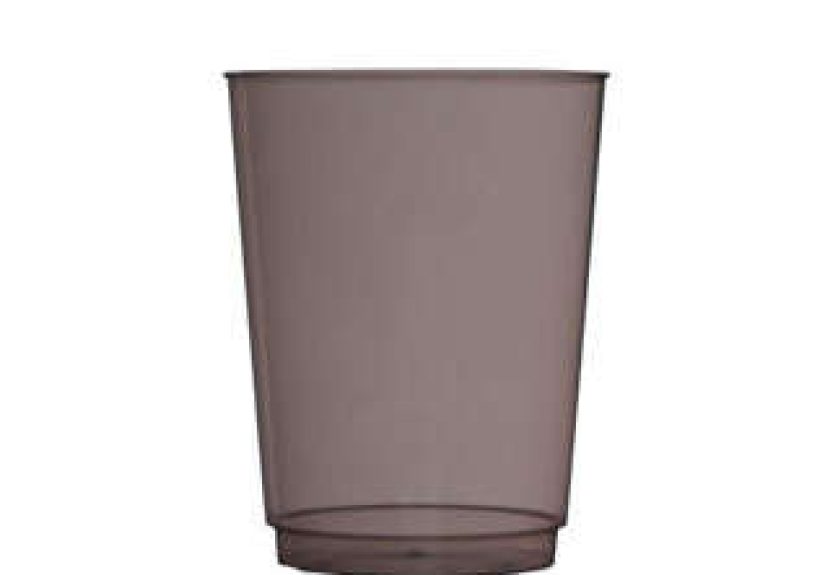
But here’s the twist: the iconic listing that made this product popular describes a black-tinted, 10-ounce plastic water glassnot traditional glass.
That detail matters for styling, durability, sustainability claims, and long-term care.
If you came in expecting museum-grade smoked crystal, you’re not wrong to raise an eyebrow.
If you came in wanting something practical, modern, and event-friendly, you may have just found your favorite host hack.
In this in-depth guide, we’ll break down what “Jett” really gives you, how to style it like a pro, what to watch for in safety and eco claims, how to care for tinted drinkware, and how to buy smart if you can’t find this exact item.
We’ll keep it practical, honest, and slightly funbecause glassware should not be stressful.
It should hold water, not your unresolved emotions.
What Is “Tinted Water Glass in Jett,” Exactly?
At its core, Tinted Water Glass in Jett is a dark, black-tinted tumbler designed to add sophistication to both formal and everyday table settings.
It became design-famous through home and tabletop curation channels, where it was praised for delivering color impact with a clean silhouette.
Quick Specs You Should Know
- Color: Jett (black-tinted / dark smoke look)
- Capacity: 10 ounces
- Material (as listed in the original product feature): Plastic
- Use case: Formal events, cocktail soirées, and upgraded everyday dining
- Original value proposition: Affordable “designer look” drinkware
Translation: this is design-forward drinkware that gives you high visual contrast and lower breakage risk than fragile stemware.
If your guest list includes one enthusiastic hand-talker, one toddler, and one friend who always says “Oops, was that mine?”plastic can be a strategic lifestyle decision.
Why the Jett Color Works So Well
1) It Creates Instant Contrast
Clear water glasses tend to disappear visually.
Jett doesn’t.
Against white plates, linen napkins, stoneware, or wood tabletops, dark tint gives you sharp contrast and depth.
You don’t need elaborate centerpieces when your glassware already provides visual structure.
2) It Plays Nicely with Nearly Any Palette
Black-tinted drinkware is surprisingly flexible.
It works with neutral minimalism (white, sand, charcoal), natural palettes (olive, rust, clay), and metallic accents (brass, matte gold, black steel).
If your table style changes seasonally, Jett can stay put while everything else rotates.
3) It Supports the “One-Color” Styling Logic
Modern tablescape advice often recommends a dominant color story with layered textures instead of color chaos.
Jett is an easy anchor: use it as the dark foundation, then build with soft neutrals, greenery, or a single accent color.
The result feels cohesive rather than busy.
4) It Feels Elevated Without Looking Precious
Some statement pieces are so delicate they cause social anxiety.
Jett-style tinted tumblers look polished but still feel practical.
Guests can actually relax and drink from them instead of holding them like museum artifacts.
Glass Look, Plastic Reality: Pros and Trade-Offs
Let’s address the elephant in the room: the product name says “water glass,” but the featured material is plastic.
That is not automatically a downside.
It simply changes your expectations and buying criteria.
Where Plastic Wins
- Lower break risk: Better for outdoor dining, parties, and family use.
- Lighter weight: Easier for large table setups and buffet service.
- Budget-friendly replacement: Less painful if pieces get lost or damaged.
- Transport-friendly: Great for picnics, rooftop dinners, and event rentals.
Where Plastic Can Disappoint
- Surface scratching: Frequent abrasive washing can dull clarity or finish.
- Heat sensitivity: Some plastics can warp in high dishwasher heat.
- Feel in hand: The tactile experience may not match real weighted glass.
- Aging: Over time, lower-quality plastics can haze or stain.
Bottom line: if your priority is style plus practicality, Jett-style tinted plastic can be a strong choice.
If your priority is heirloom-quality hand feel, look for dark-tinted tempered or borosilicate options that mimic the same aesthetic.
Safety Checklist for Tinted Drinkware
Most people shop glassware by vibe first and safety second.
Let’s reverse that.
Whether you buy Jett specifically or a similar dark tumbler, use this checklist.
Check #1: Food-Contact Claims
Verify that the product is intended for beverage use and explicitly labeled food-safe.
Avoid mystery marketplace listings with vague material descriptions and no compliance language.
Check #2: Painted or Printed Surfaces
With any colored or painted drinkware, avoid using chipped, flaking, or heavily worn pieces for regular drinking.
Surface degradation is a sign to retire the item or move it to decorative duty.
Check #3: Hot vs. Cold Use
Not all tinted drinkware is suitable for hot beverages.
Some pieces are cold-drink specialists.
If you plan to serve hot tea, mulled cider, or anything steaming, confirm heat tolerance first.
Check #4: Dishwasher Guidance
If dishwasher-safe, place delicate or plastic drinkware on the top rack and avoid overcrowding.
High heat and friction are the fastest way to shorten the life of pretty cups.
Check #5: Vintage Caution
Vintage colored drinkware can be gorgeous, but unless tested and verified, many hosts reserve older decorative pieces for display rather than daily drinking use.
Style is important; so is common sense.
Sustainability Claims Without the Greenwashing Confusion
“Recyclable.” “Compostable.” “Biodegradable.”
These words often appear together, but they do not mean the same thing.
If you’re choosing Jett-style drinkware for events and care about environmental impact, this section saves you from wishful recycling.
Recyclable
A recyclable product is not automatically recycled.
Local collection rules, resin type, sorting infrastructure, and contamination all matter.
Compostable
Compostable plastics typically require specific managed conditions.
Many are designed for commercial composting systems, not backyard piles.
Translation: check local acceptance before buying a truckload for your garden wedding.
Biodegradable
Biodegradable is broad and often misunderstood.
A material can be technically biodegradable but still perform poorly in real-world disposal pathways.
What Smart Buyers Ask Vendors
- Is this product certified for industrial composting standards?
- What exact material is used (e.g., Tritan, acrylic, polycarbonate, PLA blend)?
- Is it curbside-recyclable in most U.S. municipalities?
- What conditions are required for claimed biodegradation?
- Do claims align with recognized U.S. guidance and labeling standards?
If the seller can’t answer these questions clearly, that’s your answer.
How to Style Tinted Water Glass in Jett Like a Pro
Look 1: Minimalist Dinner (Effort Level: Low, Impact: High)
- White or bone dinner plates
- Charcoal or black linen napkins
- Brushed metal flatware
- Single-stem greenery or low candlelight
Why it works: Jett becomes the visual punctuation mark in a restrained palette.
Think “quiet luxury,” not “I bought every decor item in aisle seven.”
Look 2: Warm Rustic Contrast
- Stoneware in oatmeal, sand, or terracotta tones
- Wood charger or woven placemat
- Amber candle holders or brass accents
- Jett tumbler for contrast and depth
Why it works: dark drinkware grounds earthy textures and prevents the table from looking flat.
Look 3: Formal Black-Tie-at-Home
- Crisp tablecloth (white or black)
- Jett water glass + clear wine stemware
- Monochrome florals or deep red blooms
- Optional place cards for polished hosting
Why it works: combining one tinted piece with classic clear stemware keeps drama intentional instead of heavy-handed.
Look 4: Outdoor Party (No Panic Edition)
- Use tinted plastic tumblers for safety
- Add labeled drink tags to avoid cup mix-ups
- Serve sparkling water, citrus slices, or batch cocktails
- Keep one “refill station” to reduce single-use waste
Why it works: you keep the chic look while dramatically lowering breakage drama.
Nobody wants to mop glass shards in sandals.
Care and Longevity: Keep Jett Looking Sharp
Dishwasher vs. Hand Wash
Hand washing is usually gentler for tinted and decorative drinkware, but if your pieces are labeled dishwasher-safe, use the top rack and mild cycles.
Skip high-heat settings and harsh abrasives.
Storage Position
For sturdy everyday tumblers, storing rim-down can help keep dust out if glasses are fully dry first.
For delicate pieces, rim-up storage helps protect fragile edges.
Match the method to the fragility level and frequency of use.
Scratch Prevention
- Separate stacked cups with soft liners if surfaces are prone to marking.
- Avoid scouring pads and powder cleansers.
- Use soft cloths for drying and polishing.
- Retire deeply scratched pieces from guest service.
Stain and Odor Management
For lingering odors or cloudy film, soak briefly in warm water with a little baking soda, then rinse thoroughly.
For acrylic-like materials, avoid long exposure to high-acid liquids and direct heat.
Smart Buying Guide: 9 Questions Before You Check Out
- What is the exact material? (Don’t settle for “premium quality.”)
- Is it truly food-safe for regular beverage use?
- Is 10 ounces enough for your household habits?
- Dishwasher-safeyes, but under what conditions?
- Will the tint be integral or surface-coated?
- How does the rim feel when drinking?
- Can it stack safely without scratching?
- Are sustainability claims certified or just marketing adjectives?
- Can you reorder matching pieces later?
A good glass is not only pretty in a product photo.
It should survive your real life: rushed dishwashing, guests, clinking ice, and the occasional “I thought this was mine” migration across the table.
Common Mistakes People Make with Dark-Tinted Drinkware
- Buying only for color: aesthetics without material clarity causes regret.
- Ignoring scale: oversized tumblers can crowd compact place settings.
- Over-theming: if everything is dark, the table can feel heavy. Add light and texture.
- Using harsh cleaners: quickest path to dull, scratched surfaces.
- Assuming “eco” labels mean local compatibility: always verify disposal pathways.
Experience Section: Real-Life Lessons from Using Tinted Water Glass in Jett (500+ Words)
I’ve watched Jett-style tinted tumblers in action across very different hosting moments: a formal birthday dinner, a casual weeknight pasta, a backyard brunch, and one mildly chaotic holiday open house where someone’s toddler insisted every cup was a drum.
The takeaway is simple: this style works best when you treat it as a design anchor, not a novelty accessory.
At the formal dinner, the setup was intentionally restrainedwhite plates, matte black cutlery, linen napkins, low candles, and Jett tumblers.
The cups did a lot of heavy lifting.
Guests noticed the table immediately, and not because it screamed for attention.
It felt cohesive.
The darker water glasses made clear wine stems look crisper and somehow made sparkling water look fancier than it had any right to.
Nobody asked what brand the plates were.
Several people asked about the glasses.
That’s usually the sign of a strong visual anchor.
On weeknights, the same tumblers gave a different vibe.
Think sheet-pan salmon, a grocery-store salad kit, and music from a phone speaker pretending to be a sound system.
Still looked elevated.
This is where Jett really earns its keep: even low-effort meals feel more intentional.
If your home style leans minimalist or modern-industrial, dark-tinted cups bridge “casual dinner” and “I have standards.”
They are the decor equivalent of putting on clean sneakers and calling it an outfit.
Backyard hosting is where the plastic factor becomes a feature, not a compromise.
No one wants fragile crystal around patio stone, kids, pets, or moving chairs.
A set of tinted plastic tumblers reduces risk while maintaining style.
One brunch setup used Jett cups with citrus water and iced tea, plus handwritten drink tags.
Zero breakage, zero confusion, strong photos.
The host later said the biggest surprise was how often guests reused the same cup because they could easily recognize it.
That one behavior reduced random cup swapping and cut down cleanup.
There are learning moments, of course.
First: avoid abrasive scrubbers.
One overenthusiastic cleaning session can take a smooth finish from sleek to “vintage in a bad way.”
Second: stack carefully.
Even sturdy tumblers can pick up surface wear when repeatedly nested without protection.
Third: verify dishwasher guidance before assuming the hottest cycle is fine.
High heat may not cause immediate damage, but repeated stress can age plastics faster than expected.
A holiday open-house test taught the most useful lesson.
The table had mixed drinkwareclear, amber, and Jett.
The darkest cups were the first to disappear into guest hands and the easiest to spot during cleanup.
This matters when you’re hosting a crowd.
Anything that simplifies collection and sorting at the end of the night is worth its weight in dish soap.
Also, darker tint hid fingerprints better than clear glossy glass under dim evening lighting.
Small detail, big visual payoff.
If I had to summarize the lived experience in one sentence:
Tinted Water Glass in Jett makes ordinary hosting look deliberate while staying practical enough for real life.
Not every design purchase can claim that.
For people building a versatile table setup, I’d recommend starting with a set of dark-tinted water tumblers, then layering in clear stems and neutral dinnerware.
This gives you flexibility for both casual and formal settings.
You can pivot seasonally with linens and centerpieces without needing new core drinkware every time trends change.
It is one of the few tabletop choices that is visually bold yet strategically neutral.
And yes, if you host often, someone will eventually ask, “Where did you get these?”
You can smile and say, “The secret is color contrast.”
Then change the subject before they ask you to help set their table next weekend.
Final Thoughts
Tinted Water Glass in Jett sits at a sweet spot where style, function, and affordability can overlap.
Its dark tint brings polish and contrast, while the practical format supports both everyday meals and event hosting.
The key to long-term satisfaction is understanding what you’re buyingmaterial, care needs, and sustainability claims included.
If you shop intentionally and style with restraint, Jett-style drinkware can become one of the hardest-working pieces on your table:
dramatic enough for celebrations, practical enough for daily use, and versatile enough to survive trend cycles.
In other words, it’s not just a cup.
It’s a mood.