Table of Contents >> Show >> Hide
- Table of Contents
- What the twice-yearly shot actually is
- What the studies found (and what “100%” really means)
- How it compares to other PrEP options
- Safety, side effects, and the “don’t skip testing” rule
- Who may benefit most
- Access, equity, and the practical rollout questions
- Real-world experiences related to twice-yearly HIV prevention (about )
- Conclusion: what to take away from the twice-yearly PrEP breakthrough
Imagine a world where protecting yourself from HIV is something you do twice a yearlike swapping out your smoke detector batteries,
except far more life-changing and with fewer mysterious beeps at 3 a.m. That world is suddenly a lot closer.
A long-acting HIV prevention injection (lenacapavir, now FDA-approved in the U.S. as Yeztugo) delivered every six months showed
zero HIV infections in a major study of cisgender women, and extremely high protection in a second large study that included men and gender-diverse people.
It’s the kind of headline that makes scientists grin, public health teams sharpen their pencils, and everyone else ask:
“Waitdoes this mean HIV prevention is basically solved?”
Not quite “solved,” but it is a huge leap forward. This article breaks down what the research actually found, why the “100%” claim needs a tiny asterisk
(science loves asterisks), how this shot compares to existing PrEP options, and what real-world rollout could look likeespecially in the United States.
What the twice-yearly shot actually is
The twice-yearly HIV prevention shot is lenacapavir, a first-in-class medicine called an HIV-1 capsid inhibitor.
If HIV were a troublemaking DIY project (it is), the capsid is the protective shell that helps the virus survive, travel, and replicate.
Capsid inhibitors disrupt multiple steps in that viral life cycle. The result: HIV has a much harder time getting established in the body.
In the United States, lenacapavir is FDA-approved for HIV pre-exposure prophylaxis (PrEP) under the brand name Yeztugo.
It’s indicated for adults and adolescents weighing at least 35 kg (about 77 pounds) who are at risk of sexually acquired HIV.
The dosing schedule is built around long-lasting protection: an initiation phase followed by injections every six months.
One important detail: this is a prescription prevention strategy, not a superhero cape.
Yeztugo is intended to be part of an overall HIV prevention planmeaning regular HIV testing and safer-sex strategies still matter.
(Yes, public health will continue to say “condoms,” because condoms help prevent other STIs that PrEP does not prevent.)
How dosing works (high-level, not DIY instructions)
In clinical use, Yeztugo involves an initial “start-up” regimen and then a continuing injection schedule every six months.
If an injection is expected to be delayed beyond a certain window, the prescribing information describes an interim oral dosing approach
to help maintain protection until injections resume. In practice, clinicians handle this planningyour job is mainly: show up, be honest about timing,
and let your healthcare team do the math.
What the studies found (and what “100%” really means)
The headline-grabbing “100% protection” comes from a Phase 3 trial (PURPOSE 1) in cisgender women.
In that study, the lenacapavir group had zero HIV infections during the primary analysis period.
That’s extraordinaryespecially because HIV prevention options for women have faced real-world barriers like stigma, partner dynamics,
access to clinics, and the challenge of taking a daily pill consistently.
A second Phase 3 trial (PURPOSE 2) studied twice-yearly lenacapavir in a broader population that included cisgender men and gender-diverse people.
Protection was still extremely high, but not literally zero infectionsthere were a small number of cases in the lenacapavir group, which is why
you’ll see “near 100%” or “≥99.9% remained HIV-negative” language in many summaries.
PURPOSE 1: The “zero infections” moment
In PURPOSE 1, twice-yearly lenacapavir demonstrated zero HIV infections in the lenacapavir arm at primary analysis, leading to the “100%” efficacy headline.
The same trial also compared outcomes to daily oral PrEP options, highlighting a key real-world truth: even highly effective pills only work when people can
actually take them consistently.
Why this mattered so much: it showed that a long-acting option can remove a major barrierdaily adherenceand potentially bring powerful protection
to people who can’t (or don’t want to) manage pills every day.
PURPOSE 2: Extremely high protection in men and gender-diverse participants
PURPOSE 2 compared twice-yearly lenacapavir to daily oral PrEP and also looked at HIV incidence relative to a “background” rate in the screened population.
In the modified intention-to-treat analysis, HIV infections occurred in 2 participants in the lenacapavir group versus 9
in the daily oral PrEP group, with the lenacapavir incidence rate far lower than background incidence.
In plain English: the shot performed extremely welleven among people with ongoing risk exposurewhile also showing strong on-time injection adherence
in the trial setting. For public health, that combination is the dream: high biological efficacy plus a schedule humans might actually follow.
So… is it really “100% protection”?
Here’s the nuance that keeps scientists employed:
“100% efficacy” in a study means no infections were observed in that trial arm during the analysis period.
It does not mean it’s impossible to get HIV while using the medication, and it does not mean everyone will have identical protection in real life.
Real-world factorstiming, missed appointments, unrecognized early HIV infection before starting PrEP, access to follow-up testingcan change outcomes.
In fact, FDA labeling explicitly notes that the medication is not always effective in preventing HIV acquisition and emphasizes strict HIV testing
requirements before starting and before each subsequent injection. If someone starts PrEP with undiagnosed HIV, there’s a risk of developing drug resistance,
which is why clinics take HIV testing so seriously.
How it compares to other PrEP options
Before lenacapavir, HIV prevention already had strong optionsand they still matter. In the U.S., PrEP includes daily oral medications and long-acting injectables.
The difference isn’t just science; it’s lifestyle. What fits someone’s body, schedule, privacy needs, and access to care can vary a lot.
Daily oral PrEP: effective, but adherence-dependent
Daily oral PrEP has helped prevent countless HIV infections and remains a cornerstone of prevention. But daily pills can be a tough sell for many reasons:
privacy concerns (a bottle in a shared home), stigma (“what will people assume?”), travel, cost navigation, or simply the reality that daily habits are hard.
(If brushing and flossing were easy, dentists would be much less cheerful.)
Every-two-month injection: cabotegravir
Another major advance is long-acting injectable cabotegravir, administered every two months. CDC clinical guidance has described injectable PrEP with cabotegravir
as highly effective when taken as prescribed, and it can be especially useful for people who struggle with daily pills.
Still, “every two months” means more clinic visits, more scheduling, and more opportunities for life to get in the way.
Twice-yearly injection: why the schedule changes the game
A twice-yearly PrEP shot is a different category of convenience:
two protected seasons per year. That can reduce the appointment burden, lower the odds of missed doses, and potentially increase persistence
staying on PrEP over time, which is critical because risk can change across months and years.
It also offers a privacy advantage. Some people prefer an injection schedule because it’s less visible than daily pillsno daily reminder, no pharmacy bag to explain,
no need to store medication at home. That matters more than many people realize.
Safety, side effects, and the “don’t skip testing” rule
The trials found no new major safety concerns, but that doesn’t mean “no side effects.”
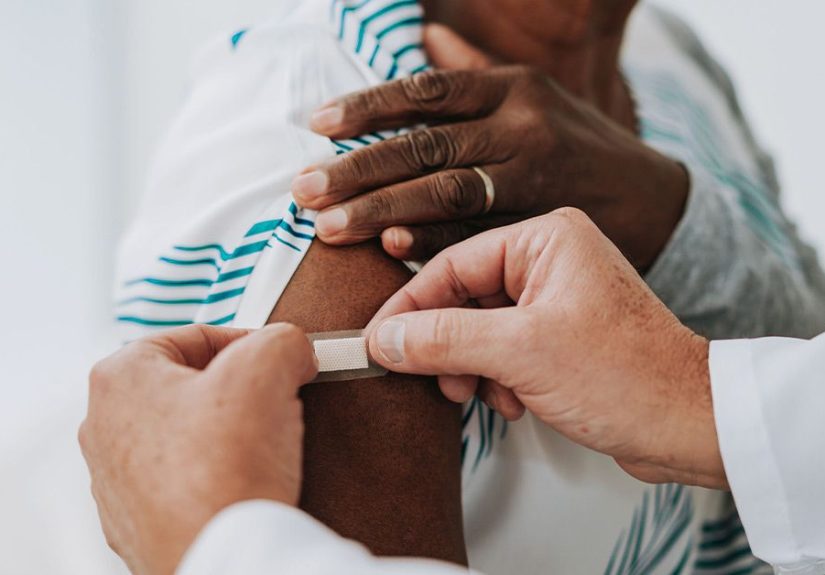
The most common issues were injection-site reactions (think: soreness, redness, or swelling where the medication was injected),
plus relatively common symptoms like headache or nausea reported in prescribing information summaries.
Injection-site reactions: common, usually manageable
In PURPOSE 1, injection-site reactions were more common in the lenacapavir group than in the placebo injection group.
Most were mild to moderate, and only a small fraction of participants discontinued because of injection-site reactions.
This is typical for long-acting injectables: the medicine has to live somewhere, and your body may have opinions about that.
Why HIV testing is non-negotiable
The biggest safety “headline” isn’t a side effectit’s drug resistance risk if someone uses lenacapavir-based PrEP while they actually have HIV
(especially if infection is undiagnosed at the start). That’s why the prescribing information requires HIV testing before initiation and before each injection.
It also notes that lenacapavir levels can persist in the body for a long time after the last injection, which affects how clinicians plan transitions off PrEP.
Translation: this is not a “set it and forget it” option.
It’s more like “set it and check in twice a year, plus STI screening as appropriate.”
Follow-up care: what typically comes with PrEP
Expert recommendations for PrEP commonly include periodic HIV testing, STI screening based on exposure sites and frequency of exposure,
and counseling about prevention strategies that fit the person’s life. Recent IAS–USA recommendations discuss HIV testing and STI testing intervals
as part of PrEP follow-up, including how testing aligns with injection schedules for long-acting PrEP.
If you’re thinking, “That sounds like a lot of testing,” here’s the upside:
PrEP care often becomes a reliable touchpoint with healthcareregular check-ins that can catch issues early, from STIs to other health concerns.
Preventive care isn’t flashy, but it’s powerful.
Who may benefit most
The “best” PrEP option is the one a person can reliably use.
Twice-yearly lenacapavir could be especially helpful for people who:
- Have trouble taking a daily pill (busy schedules, unstable housing, privacy concerns, stigma, or just… being human)
- Prefer fewer clinic visits than every-two-month injection schedules
- Want a discreet option that doesn’t involve keeping pills at home
- Have changing risk over time and want a prevention strategy that’s easier to stay on consistently
It may be less ideal for people who cannot reliably access clinic visits twice yearly (because even “twice yearly” still requires access),
or for those who have medical complexities that require individualized planningsomething a clinician would guide.
Also worth noting: HIV risk is not a moral label. It’s a health context.
People’s risk can change due to relationships, community prevalence, life transitions, or circumstances beyond their control.
A prevention tool that fits more lives is simply better public health.
Access, equity, and the practical rollout questions
Here’s where the science meets the real world, and the real world sometimes says, “Cool story, but who’s paying for it?”
Even the best prevention option can’t reduce infections if people can’t get it, can’t afford it, or don’t feel safe asking for it.
PrEP underuse is still a U.S. problem
U.S. public health experts have emphasized that PrEP remains under-prescribed relative to the number of people who could benefit.
That gap isn’t evenly distributed: women, Black communities, Latino communities, and people in parts of the U.S. South have faced persistent disparities.
A twice-yearly option could helpbut only if the rollout is intentional about equity.
Insurance coverage, patient assistance, and cost concerns
Manufacturers and advocates often highlight access programs, insurance strategies, and patient assistance approaches, but affordability is bigger than coupons.
Coverage rules, prior authorization, clinic capacity, and local funding decisions can all shape whether a new PrEP option is truly reachable.
Advocates have already flagged that if a twice-yearly option is priced out of reach, it could widen gaps instead of closing them.
Clinic workflow: a hidden make-or-break factor
A twice-yearly injection sounds simpleuntil you remember clinics are juggling staffing shortages, appointment backlogs, and paperwork.
The good news is that compared with more frequent injections, a six-month schedule may be easier to integrate.
The challenge is building systems that ensure:
- Reliable HIV testing before each dose
- Appointment reminders and rebooking pathways
- Options for interim oral dosing when injections are delayed
- Low-barrier access for people without stable transportation or schedules
None of that is impossible. It just requires planningplus the political and financial will to prioritize prevention.
Real-world experiences related to twice-yearly HIV prevention (about )
Clinical trial results are the headline. Real life is the follow-up episode where everyone asks, “Okay, but how does it feel to actually use this?”
Since twice-yearly lenacapavir PrEP is new, broad real-world experience is still emerging, but we can talk about the kinds of experiences people often report
when switching from daily pills (or from no PrEP at all) to long-acting prevention.
1) The “mental load” dropssometimes dramatically
A common theme with long-acting PrEP is relief from the daily reminder. People describe daily pills as effective but emotionally noisy:
every morning dose can feel like a tiny alarm bell about risk, stigma, or past experiences. With twice-yearly dosing, that daily friction may fade.
Instead of thinking about PrEP 365 times a year, you think about it twiceplus a couple of appointments.
Many find that freeing, like moving a recurring task off your mental to-do list and into your calendar where it belongs.
2) Privacy can improvebut clinic visits still matter
Some people avoid PrEP because they don’t want medication bottles at home or questions from family, roommates, or partners.
A clinic-administered injection can feel more private than storing pills. At the same time, injections require showing up.
For people who live far from clinics or have limited transportation, the visit itself can be the hardest part.
In those cases, the experience can depend less on the medicine and more on whether the healthcare system meets people where they are
(evening hours, walk-in capacity, community clinics, mobile services, and culturally competent care).
3) The shot can be “no big deal”… or a bit annoying
Injection-site reactions are common with long-acting meds. Many people experience mild soreness, a small lump, or tenderness for a few days
annoying but manageable. Others barely notice. A smaller number find it uncomfortable enough to dread the appointment.
People often say it helps to know what’s normal, plan a low-key day afterward, and talk openly with clinicians about pain control options.
The good news: for many, the trade-off is worth itespecially compared with daily pills that can be easier to forget or harder to keep private.
4) Regular testing can feel empowering (or stressful)
PrEP follow-up includes HIV testing and often STI screening. Some people appreciate the structure: consistent check-ins that keep them informed and supported.
Others feel anxious about testingespecially those who’ve experienced stigma in healthcare settings.
When clinics provide judgment-free care, explain results clearly, and treat prevention as normal healthcare (because it is), people tend to report better experiences.
This is one reason advocates emphasize that expanding PrEP isn’t only about new drugsit’s about improving the care environment.
5) Relationships and life changes are a big part of the story
People’s HIV prevention needs can shift with relationships, moves, new jobs, college, breakups, reconciliation, or simply entering a new phase of life.
A twice-yearly option may fit especially well for those who want steady protection through unpredictable seasonswithout needing to rebuild a daily habit each time
life gets messy. The experience many describe isn’t just “a shot,” but a sense of control: choosing prevention proactively rather than reacting to fear.
Bottom line: the science is powerful, but the lived experience will be shaped by access, stigma, and how respectfully healthcare systems deliver this option.
If those pieces improve alongside the medication, twice-yearly PrEP could feel less like a medical interventionand more like a normal part of staying healthy.
Conclusion: what to take away from the twice-yearly PrEP breakthrough
The twice-yearly lenacapavir story is a rare kind of good news: big efficacy in large studies, a schedule designed for real human lives,
and an FDA-approved path to wider U.S. access.
The “100% protection” headline is rooted in real trial outcomeszero infections in one major studybut it still comes with important conditions:
consistent scheduling, required HIV testing, and a prevention plan that fits the individual.
If implementation goes well, twice-yearly PrEP could help close the gap between “we have the tools” and “people can actually use the tools.”
That gap is where preventable infections happenand where public health progress is either made or missed.
If you’re considering PrEP (any form), the best next step is a conversation with a qualified clinician or local sexual health clinic.
The goal isn’t perfection. The goal is protection that’s realistic, sustainable, and accessible.