Table of Contents >> Show >> Hide
- What Counts as an Ultra-Processed Food?
- Why Ultra-Processed Foods Can Be Tough on the Body
- What the Research Says (And What It Doesn’t)
- Common Ultra-Processed “Traps” in the U.S. Diet
- How to Eat Fewer Ultra-Processed Foods Without Becoming a Full-Time Chef
- A One-Week Starter Plan (Flexible, Not Fancy)
- Real-World Experiences: of What People Notice (Composite Stories)
- Conclusion: The Point Isn’t PerfectionIt’s a Better Pattern
Ultra-processed foods are basically the “group project” version of eating: a little starch here, a splash of oil there,
a sprinkle of flavor wizardry, and somehow the final product tastes like it was engineered by a snack-loving superhero.
Convenient? Absolutely. Delicious? Often. But if a big chunk of your day’s calories comes from ultra-processed foods (UPFs),
your health can quietly start paying the convenience fee.
This guide breaks down what ultra-processed foods are, why they’re linked to health problems, what the research actually shows
(and what it doesn’t), and how to cut back without turning your kitchen into a full-time job. Expect practical tips, real-life
examples, and a little humorbecause if you can laugh while reading ingredient lists, you’re already winning.
What Counts as an Ultra-Processed Food?
“Processed” isn’t automatically a bad word. Washing spinach is processing. Freezing blueberries is processing. Pasteurizing milk
is processing. Ultra-processing is different: it typically involves industrial techniques and ingredients you wouldn’t use in a
normal home kitchenthink protein isolates, modified starches, hydrogenated oils, emulsifiers, flavors, and coloringscombined to
create a product that’s shelf-stable, hyper-convenient, and extremely easy to eat a lot of.
Processed vs. Ultra-Processed: A Quick Reality Check
One helpful way to think about it is: how far did the food travel from its original form?
- Minimally processed: bagged salad, frozen vegetables, plain oats, roasted nuts.
- Processed (still often fine): canned beans, canned tomatoes, whole-grain pasta, plain yogurt, cheese.
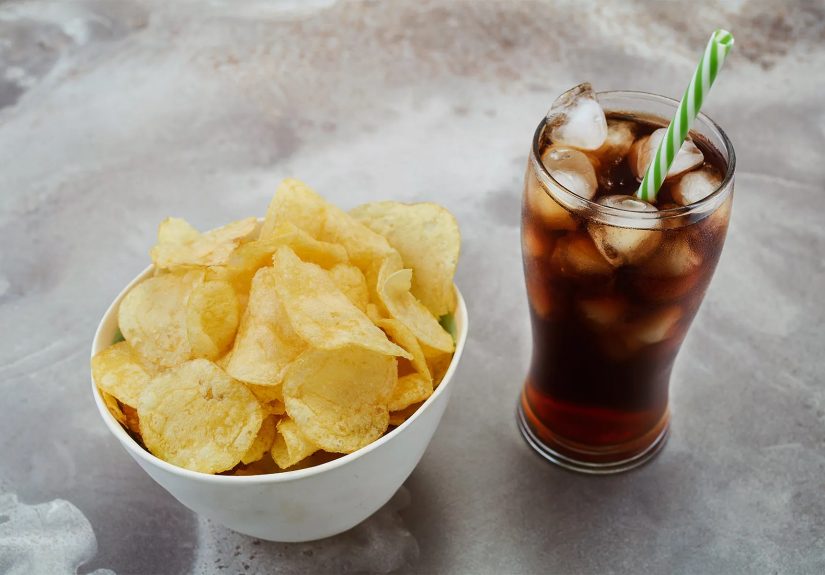
- Ultra-processed: sugary cereals, chips, soda, candy, instant noodles, many packaged pastries, most fast-food-style frozen meals, many “protein” snack bars, sweetened flavored yogurts with long ingredient lists.
A Simple UPF Spot-Check (No Lab Coat Required)
Use this quick test in the store:
- Ingredient list length: If it reads like a short novel, that’s a clue.
- “Kitchen realism”: Would you keep most of these ingredients in your pantry? If not, that’s another clue.
- Texture/lasting freshness: If it stays “perfectly soft” for weeks, it probably has help.
This isn’t about fear. It’s about awarenessbecause it’s hard to choose differently if you can’t spot the difference.
Why Ultra-Processed Foods Can Be Tough on the Body
People often assume UPFs are “bad” only because they’re high in calories. But research suggests the story is bigger than that.
Ultra-processing can change how quickly you eat, how full you feel, how your blood sugar responds, and how much nutrient “bang”
you get per bite.
1) The “Calories You Didn’t Mean to Eat” Effect
Many UPFs are designed to be easy to chew and swallow, which can speed up eating. When you eat faster, your brain may not get
the “we’re full” signal in time, so you overshoot without trying. Pair that with high energy density (lots of calories packed
into small volume), and it’s a recipe for accidental overeating.
Translation: nobody wakes up and says, “Today I will mindlessly consume 600 extra calories via crunchy, salty joy.” It just happens.
2) The Nutrient Profile vs. the Food Matrix
You can match two diets on papersame calories offered, similar fat/carbs/proteinand still get different results in real life.
Why? Whole foods come with a “matrix”: fiber, water, structure, and nutrients packaged together in a way that affects digestion,
fullness, and metabolism. Ultra-processed foods often have that structure broken down and rebuilt, which can make them easier to
overconsume.
3) Sodium, Added Sugar, and Certain Fats Add Up Fast
Many UPFs are heavy on sodium, added sugars, and saturated fat. That combination can push blood pressure upward, make it harder to
manage weight, and increase long-term risk for heart and metabolic disease. It’s not that you can never have themit’s that “sometimes”
becomes “most days” very easily when a large portion of your diet comes out of boxes and wrappers.
4) Additives and Packaging: What We Know (and What’s Still Evolving)
Ultra-processed foods commonly include emulsifiers, thickeners, artificial flavors, and sweeteners. In the U.S., many additives are
regulated under food additive rules or GRAS (Generally Recognized As Safe) pathways. That doesn’t automatically mean “health-promoting,”
and research is still evolvingespecially around gut health and how certain additives interact with the microbiome in real-world diets.
The biggest “known knowns,” though, remain the basics: UPFs often crowd out fiber-rich, nutrient-dense foods and make overeating easier.
What the Research Says (And What It Doesn’t)
Ultra-processed foods are linked with a long list of health concerns in large studies, including obesity, type 2 diabetes, cardiovascular
disease, and higher risk of early death. But it’s important to separate what’s strongly supported from what’s still debated.
Observational Studies: Consistent Links, Not Automatic Proof
Many large studies find that people who eat more UPFs tend to have worse health outcomes. That’s meaningful, but observational research
can’t prove UPFs are the only cause. People who eat fewer UPFs may also exercise more, smoke less, sleep better, have higher incomes, or
have better access to healthcare. Good studies adjust for these factors, but “adjusting” isn’t the same as eliminating every difference.
The NIH Inpatient Trial: A Big Deal Because It Was Controlled
One of the most cited studies on UPFs was an inpatient randomized controlled trial where participants ate either an ultra-processed diet
or an unprocessed diet for two weeks each. The meals were designed to be matched in key nutrients, but people ate more calories on the
ultra-processed diet and gained weightthen ate fewer calories and lost weight on the unprocessed diet. This suggests ultra-processing
itself can influence intake, not just “bad macros.”
Why Scientists Still Argue About Definitions
Some foods sit in a gray zone. Is store-bought whole-grain bread always a villain? What about fortified cereal? Or plain yogurt with a
few stabilizers? Even the American Heart Association notes that not all ultra-processed foods are equalsome can fit into a healthy
pattern, especially if they’re high in whole grains, nuts, legumes, or otherwise nutrient-dense.
So the goal isn’t perfection. It’s direction: shift your overall pattern toward more whole and minimally processed foods most of the time.
Common Ultra-Processed “Traps” in the U.S. Diet
Ultra-processed foods are everywhereoften disguised as “normal.” Here are common places UPFs quietly take over.
1) Drinks That Don’t Feel Like Food
Sugary beverages, energy drinks, sweetened coffees, and many flavored teas can deliver a surprising amount of added sugar without making you feel full.
If you want a high-impact change, start here: swap in water, sparkling water, unsweetened tea, or coffee you sweeten lightly yourself.
2) Breakfast That’s Basically Dessert in a Costume
Many cereals, pastries, toaster treats, and “breakfast bars” are ultra-processed and low in fiber and protein. They’re convenient, but they can set you up
for a mid-morning crash. Better options can still be fast: oatmeal + nuts, eggs + fruit, plain Greek yogurt + berries, or whole-grain toast + peanut butter.
3) Snack Aisles Built for “Oops, I Ate the Whole Bag”
Chips, crackers, candy, and many packaged baked goods are designed for peak craveability. If you love snacks (hi, same), you don’t need to ban them.
You do need a plan: portion them intentionally or keep more whole-food snacks on decknuts, fruit, popcorn you make at home, hummus with carrots, or cheese
with whole-grain crackers that have a short ingredient list.
4) The “Healthy Halo” Trap
Some ultra-processed foods get a nutrition makeover: “keto,” “high-protein,” “gluten-free,” “low-sugar,” “immune-support,” “collagen,” and so on.
None of those words guarantee the food is wholesome. Look past the front label and check:
fiber, protein, added sugars, sodium, and how many ingredients sound like something you’d actually cook with.
How to Eat Fewer Ultra-Processed Foods Without Becoming a Full-Time Chef
The internet sometimes makes healthy eating look like a hobby for people who own matching glass containers and have never been surprised by a 6 p.m. meeting.
Let’s be realistic.
Use the 80/20 (or 70/30) Approach
Aim for most of your meals and snacks to come from minimally processed or simply processed foods, and let the rest be flexible. That keeps it sustainable.
Stress-eating kale because you “messed up” is not the vibe.
High-Impact Swaps That Don’t Feel Like Punishment
- Swap sweetened yogurt for plain Greek yogurt + fruit + cinnamon (add honey if you wanton your terms).
- Swap soda for sparkling water + citrus, or half-soda/half-sparkling as a stepping stone.
- Swap instant noodles for quick ramen-style soup: broth + frozen veggies + egg + noodles (yes, noodles can stay).
- Swap packaged pastries for toast + nut butter, or an English muffin + egg + cheese.
- Swap candy snacks for fruit + nuts (the sweet + crunchy combo still hits).
Fast Meal Formulas (Because Life)
Formula 1: Protein + produce + carb + fat
- Rotisserie chicken + bagged salad + microwavable brown rice + olive oil vinaigrette.
- Canned beans + salsa + frozen corn + avocado in a bowl (add cheese if you want).
- Eggs + sautéed frozen veggies + whole-grain toast.
Formula 2: “Snack plate dinner” that’s actually balanced
- Hummus + carrots + whole-grain crackers + apple + a handful of nuts.
- Cheese + grapes + turkey + cucumber + a piece of dark chocolate.
Label Reading: Two Rules That Work
- Start with added sugars and sodium. If both are high, that product is likely a frequent-UPF offender.
- Check fiber. Higher fiber often signals a more filling, less “empty-calorie” choice.
Budget-Friendly Ways to Cut Back
- Frozen produce is often cheaper and just as nutritious as fresh.
- Canned beans, tuna, and tomatoes make quick meals with minimal effort.
- Oats, rice, pasta, and potatoes are affordable staplesdress them up with vegetables and protein.
- Cook once, eat twice: double a simple recipe and freeze half.
A One-Week Starter Plan (Flexible, Not Fancy)
This isn’t a strict menuthink of it as training wheels.
- Day 1: Replace one ultra-processed snack with fruit + nuts.
- Day 2: Swap one sugary drink for water or unsweetened tea.
- Day 3: Make a “formula meal” (protein + produce + carb + fat).
- Day 4: Choose a breakfast with fiber + protein (oatmeal, eggs, yogurt).
- Day 5: Build a snack plate dinner once.
- Day 6: Do a 10-minute grocery reset: buy 3 produce items, 1 protein, 1 carb staple.
- Day 7: Keep your favorite treatjust portion it intentionally and enjoy it like a human.
Real-World Experiences: of What People Notice (Composite Stories)
The experiences below are common patterns people report when they cut back on ultra-processed foods. They’re not guarantees, and they’re not medical advice
just realistic “this is what it can feel like” snapshots.
Experience 1: “My Cravings Got Loud… Then Weirdly Quiet”
A lot of people describe the first few days as the hardest. One common story: someone swaps chips and packaged sweets for more filling snacksnuts, fruit,
yogurtand suddenly the afternoon craving hits like a marching band. They worry they’re “failing,” but it’s often just adjustment. By the end of a week or
two, many notice the cravings feel less urgent. Not gone forever (this is Earth, not a wellness commercial), but quietermore like a suggestion than a demand.
A helpful trick people mention: keeping a planned “sweet finish” like fruit, dark chocolate, or a homemade treat so the brain doesn’t feel deprived.
Experience 2: “I Didn’t Change My LifeJust My Default”
Busy parents and working adults often succeed by changing defaults, not willpower. For example, instead of keeping a pantry stocked mainly with snack foods,
they keep a few ultra-processed favorites but add “grab-and-go” whole options: cheese sticks, apples, trail mix, baby carrots, canned soup with a decent
ingredient list, microwave rice, frozen veggies. The surprising part? They don’t suddenly become a meal-prep influencer. They just make it easier to choose
something filling and less processed when they’re tired. The result many report: fewer “I’m starving, I’ll eat anything” moments at 9 p.m.
Experience 3: “My Energy Felt More Even (and My Mood Didn’t Swing as Much)”
Some people notice that when they reduce sugary, low-fiber UPFsespecially at breakfastenergy feels steadier. A typical example: someone who used to do a
sweet coffee drink and pastry switches to eggs and toast or oatmeal with nuts. They still get hungry later (good, that’s normal), but fewer say they hit a
dramatic late-morning crash. Others describe feeling less “snacky” all day because meals are more satisfying. Mood is complex and influenced by sleep, stress,
and many other factorsbut people often report that eating patterns with more fiber and protein help them feel more stable.
Experience 4: “Social Life Was the Real Challenge”
One of the most relatable experiences is realizing that food isn’t just fuelit’s culture. People describe feeling fine at home, then getting thrown off by
travel, parties, late work nights, or fast-food stops with friends. The people who stick with it long-term usually don’t avoid those situations; they build a
flexible strategy. Examples include: ordering a less-processed option (like a bowl or sandwich with extra veggies), splitting fries instead of making them the
whole meal, or deciding that certain favorites are “worth it” while everyday food stays simpler. The mindset shift people mention most: “I’m not quitting fun.
I’m upgrading my regular routine.”
Conclusion: The Point Isn’t PerfectionIt’s a Better Pattern
Ultra-processed foods aren’t evil. They’re engineered for convenience, shelf life, and craveabilityso they tend to show up everywhere, and they’re easy to
overeat. Research consistently links high UPF intake to worse health outcomes, and controlled research suggests ultra-processed diets can drive higher calorie
intake even when nutrients look similar on paper.
The practical takeaway is simple: make whole and minimally processed foods your default most of the time. Keep your favorite treats on purpose,
not on autopilot. Your taste buds will adapt, your routine can stay realistic, and you don’t need to become a part-time chef to make meaningful progress.
If you have a medical condition or specific nutrition needs, a registered dietitian or clinician can help tailor changes safely.