Table of Contents >> Show >> Hide
- Why a Kitchen Stool Makes a Great Gift Wrap Caddy
- Supplies You Will Need
- Step-by-Step: How to Make an Upcycled Kitchen Stool Gift Wrap Caddy
- Smart Organization Tips for a Better Gift Wrap Station
- Design Ideas for Different Home Styles
- Why Upcycling Is Worth It
- Common Mistakes to Avoid
- Experience Notes: Living With an Upcycled Kitchen Stool Gift Wrap Caddy
- Conclusion
A lonely kitchen stool is a surprisingly dramatic character. One day it is holding a tired houseplant, the next it is wobbling in the corner of the garage, quietly wondering where life went wrong. But with a little imagination, that forgotten stool can become one of the most useful organizing projects in the house: an upcycled kitchen stool gift wrap caddy.
This project turns an old wooden stool into a vertical gift wrapping station that stores wrapping paper rolls, ribbons, scissors, tape, tags, bows, tissue paper, gift bags, and all the tiny supplies that usually disappear right when you need them. Instead of digging through bins like a holiday raccoon, you can roll or carry one compact caddy to the dining table, wrap your gifts, and put everything away again in minutes.
The beauty of this DIY gift wrap organizer is that it is practical, affordable, and charmingly imperfect. You do not need a custom craft room, built-in cabinetry, or a budget that requires a family meeting. You need a sturdy stool, basic supplies, and the willingness to look at furniture upside downliterally.
Why a Kitchen Stool Makes a Great Gift Wrap Caddy
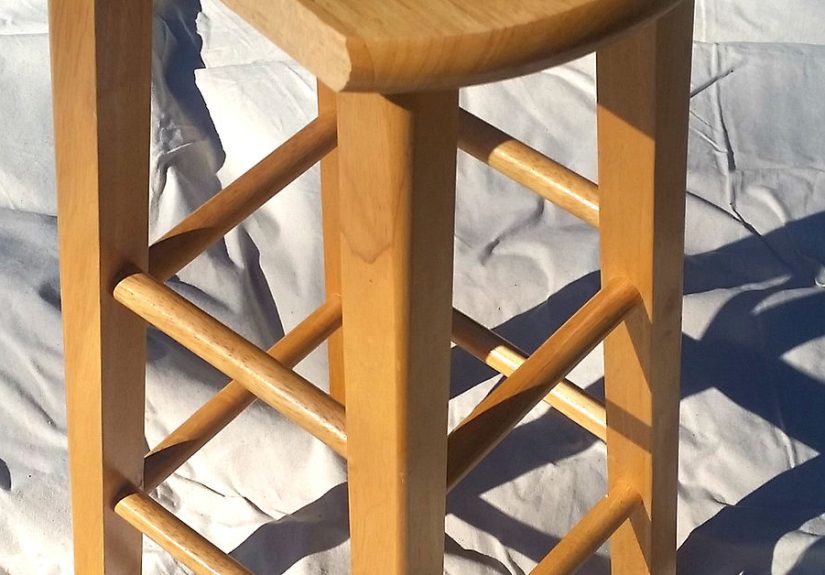
A kitchen stool already has the bones of a great storage system. Most stools are narrow, vertical, easy to move, and built with legs or rungs that can hold accessories. When flipped upside down, the stool legs create a natural “corral” for wrapping paper rolls. The seat becomes the base, and the rungs become convenient hanging bars for bags, ribbon loops, fabric pockets, or small containers.
Compared with a standard plastic storage bin, an upcycled kitchen stool gift wrap caddy keeps supplies visible. That matters more than it sounds. When you can see your paper, ribbon, tags, and tools, you are less likely to rebuy items you already own. You also reduce waste because crushed rolls, wrinkled tissue paper, and mystery bags full of half-used bows are easier to avoid.
Best Types of Stools to Use
The best stool for this project is sturdy, simple, and not too precious. A wooden kitchen stool, bar stool, or counter stool works well because wood is easy to sand, paint, screw into, and customize. Look for a stool with solid legs, a flat or slightly curved seat, and horizontal rungs if possible. Rungs are especially helpful because they give you places to tie fabric bags, hang ribbon, or clip lightweight supplies.
Avoid stools with severe cracks, rot, unstable joints, or heavy wobbling. A small wiggle can often be repaired with wood glue and tightened screws, but a stool that looks like it lost a wrestling match with a dishwasher may not be worth the effort.
Supplies You Will Need
You can make this project as simple or polished as you like. For a quick version, clean the stool, flip it over, and load it with gift wrap. For a more finished version, add paint, casters, storage pockets, hooks, and a dowel for ribbon.
Basic Materials
- One sturdy wooden kitchen stool or bar stool
- Sandpaper or sanding block
- Cleaning cloth and mild soap
- Primer and furniture paint, chalk paint, or spray paint
- Clear protective topcoat or wax, if desired
- Small casters or felt pads
- S-hooks, cup hooks, small knobs, or screw-in hooks
- Fabric scraps, canvas bags, or reusable shopping bags
- Velcro strips, ribbon, twine, or small clamps
- Gift wrap rolls, tags, tape, scissors, bows, ribbon, and tissue paper
The goal is not to buy a cart’s worth of supplies to organize supplies. That would be like purchasing a treadmill to store snacks on it. Use what you already have first: old tote bags, leftover fabric, spare hooks, ribbon scraps, drawer liner, and paint from previous projects.
Step-by-Step: How to Make an Upcycled Kitchen Stool Gift Wrap Caddy
Step 1: Clean and Inspect the Stool
Start by wiping the stool with mild soap and water. Remove sticky residue, dust, grease, and mystery kitchen history. If the stool came from a thrift store, garage sale, or basement, give it extra attention around the joints and underside.
Once clean, inspect the structure. Tighten loose screws. Add wood glue to wobbly joints if needed. Let repairs dry fully before moving on. The caddy will hold lightweight items, but it still needs to stay balanced when loaded with tall wrapping paper rolls.
Step 2: Sand the Surface
Light sanding helps paint adhere and smooths out old finishes. Use medium-grit sandpaper for rough surfaces and fine-grit sandpaper for finishing. You do not have to remove every bit of old color unless the finish is peeling badly. The goal is to remove shine, rough up the surface slightly, and create a clean base for primer or paint.
After sanding, wipe away dust with a damp cloth or tack cloth. Dust left behind can make painted furniture look gritty, which is rarely the charming rustic look people think they are getting.
Step 3: Paint or Stain the Stool
Paint gives the caddy personality. White or cream feels clean and farmhouse-inspired. Black looks modern and graphic. Red, green, or metallic gold can lean festive. A soft blue, sage, or warm gray works year-round if you want the caddy to live in a craft room instead of hiding in a closet.
Apply primer if the stool has a glossy finish, dark stain, or uneven surface. Then apply two thin coats of paint, allowing proper drying time between coats. Thin coats look smoother and last longer than one thick coat that drips down the legs like it is trying to escape.
Step 4: Flip the Stool Upside Down
Once the finish is dry, flip the stool upside down. The seat is now the base, and the legs point upward. This creates a vertical holder for wrapping paper rolls. Most standard rolls will stand neatly between the legs. If the rolls slide around, add a piece of drawer liner, cork, felt, or non-slip shelf liner to the stool seat.
This one step is the magic trick. A stool that once took up space now creates storage space. The wrapping paper stands upright, stays visible, and avoids the crushing that often happens in bins or overstuffed closets.
Step 5: Add Casters or Floor Protection
Casters are optional, but they make the caddy easier to move. Attach one caster near each corner of the seat base, following the hardware instructions. Locking casters are helpful if the caddy will sit on a smooth floor.
If you do not want wheels, use felt pads instead. They protect floors and allow the caddy to slide gently when needed. For homes with pets, young siblings, or enthusiastic holiday guests, a non-wheeled version may be more stable.
Step 6: Create Hanging Storage Pockets
Small supplies need their own home. Fabric pockets can be tied to the stool rungs or attached with Velcro. You can sew simple pouches from canvas, cut pockets from a reusable shopping bag, or repurpose small hanging organizers.
Use one pocket for bows, one for tags, one for folded tissue paper, and one for tools. Scissors and tape deserve a dedicated spot because they are professional escape artists. Add a small loop or hook for scissors so they are always easy to grab.
Step 7: Add Ribbon and Bag Storage
Ribbon spools can slide onto a removable dowel, tension rod, or wooden rod secured between the stool legs. If that feels too complicated, tie ribbon spools onto a rung with twine or stack them inside a small fabric pouch.
Gift bags can hang from S-hooks or knobs attached near the upper ends of the stool legs. Sort bags by occasion if you wrap gifts throughout the year: birthdays, holidays, baby showers, weddings, and “I bought this because I panicked at the store.”
Smart Organization Tips for a Better Gift Wrap Station
Keep Everyday Supplies at the Front
Store the items you use most often where they are easiest to reach. That usually means tape, scissors, pens, tags, and a few neutral gift bags. Seasonal items can sit toward the back or in lower pockets.
Use Neutral Wrapping Paper
Brown kraft paper, white paper, black-and-white patterns, stripes, dots, and simple solids work for many occasions. A neutral roll can become birthday wrap with bright ribbon, holiday wrap with greenery, or thank-you wrap with a handwritten tag.
Keeping a few flexible papers in your caddy saves space and makes your supplies work harder. It also prevents the dreaded collection of 17 holiday-specific rolls, each with six inches left and no clear future.
Control the Scraps
Wrapping paper scraps can be useful for small boxes, gift tags, envelope liners, or craft projects. But scraps need limits. Add one pocket or envelope labeled “small pieces.” When it is full, use them before cutting into a fresh roll.
Store Tape in Multiples
If you wrap gifts often, keep more than one roll of tape in the caddy. Tape has a gift for disappearing during the final five minutes before a party. A backup roll is not excessive; it is emotional support stationery.
Design Ideas for Different Home Styles
Farmhouse Gift Wrap Caddy
Paint the stool warm white, distress the edges lightly, and add burlap or ticking-stripe fabric pockets. Use kraft paper, cotton ribbon, twine, and kraft tags for a cozy farmhouse look.
Modern Minimalist Caddy
Choose matte black, charcoal, or natural wood. Keep supplies streamlined with solid wrapping paper, monochrome ribbon, and clear labels. Limit the caddy to a few high-use items so it looks intentional instead of chaotic.
Colorful Craft Room Caddy
Paint each leg a different color or use a bold patterned fabric for the storage pockets. Add bright hooks, playful tags, and washi tape. This version is perfect for people who believe glitter is a personality trait.
Why Upcycling Is Worth It
Upcycling gives old furniture a new purpose instead of sending it to the landfill. It also saves money and allows you to create something that fits your exact space and habits. A store-bought gift wrap organizer can be useful, but a stool caddy has character. It tells a story. It says, “Yes, I used to be seating, but I have evolved.”
The project also encourages mindful organizing. Instead of hiding supplies in three different closets, you gather everything in one place. That makes wrapping faster, cleanup easier, and shopping more intentional.
Common Mistakes to Avoid
Using a Weak Stool
A stool with loose joints or cracked legs can become unstable when flipped upside down. Choose a piece with good bones. Cosmetic flaws are fine; structural problems are not.
Skipping Surface Prep
Paint does not love dirt, grease, or glossy old finishes. Clean and sand before painting. It is not the most exciting part, but it is the difference between a lasting finish and a peeling craft tragedy.
Overloading the Caddy
The caddy should make wrapping easier, not become a rolling supply avalanche. Keep the heaviest items low, avoid overstuffing pockets, and edit your supplies once or twice a year.
Experience Notes: Living With an Upcycled Kitchen Stool Gift Wrap Caddy
The first thing you notice after using an upcycled kitchen stool gift wrap caddy is how much calmer the wrapping process feels. Before creating a dedicated caddy, gift wrapping often turns into a scavenger hunt. The paper is in the closet, the bows are in a bin, the tags are in a drawer, and the scissors are somehow under a couch cushion. With the stool caddy, the entire routine becomes more like setting up a small workstation.
In daily use, the vertical design is the biggest advantage. Wrapping paper rolls are easy to scan at a glance, so choosing a pattern takes seconds. Tall rolls stay upright instead of rolling across the floor like festive logs. If you add a non-slip liner to the base, the rolls remain surprisingly tidy even when the caddy is moved from a closet to a table.
The hanging pockets become more valuable over time. At first, you may think one pouch for “small stuff” is enough. It is not. Small stuff multiplies. A better system is to divide supplies into categories: tape and tools, tags and pens, ribbons and trims, bows and toppers, and leftover paper scraps. Once each group has a home, cleanup becomes almost automatic.
Another useful lesson is to keep the caddy stocked for more than holidays. Birthdays, teacher gifts, hostess gifts, thank-you presents, and last-minute surprises happen all year. A few neutral wrapping papers, plain kraft bags, tissue paper, and simple ribbon can cover almost any occasion. Seasonal paper can still be included, but it does not need to dominate the entire caddy.
Casters are helpful, but they should match the way the caddy will be used. If it lives in a craft room and rolls across smooth flooring, wheels are wonderful. If it is stored in a closet with carpet or near a busy hallway, felt pads may be better. Stability matters more than mobility, especially when the caddy is full of tall rolls.
The most satisfying part of the project is the small feeling of victory every time you use it. You rescued a stool, organized a messy category, and created something genuinely useful. It is not just a cute DIY project for photos. It solves a real household problem. And when someone asks where you bought it, you get to say, with appropriate dramatic flair, “Oh, this old thing? I made it.”
Conclusion
An upcycled kitchen stool gift wrap caddy is a clever, budget-friendly way to organize wrapping paper, ribbons, gift bags, tags, and tools in one compact station. It turns unused furniture into a practical storage solution, reduces clutter, and makes gift wrapping feel less like a chore and more like a creative ritual.
Whether you paint it farmhouse white, keep it natural, add colorful pockets, or install smooth-rolling casters, the project can be customized to your home and wrapping style. Best of all, it proves that good organization does not always begin at a store. Sometimes it begins with an old stool, a little paint, and the bold decision to flip things upside down.