Table of Contents >> Show >> Hide
- Meet “Perfect Storm”: The Color That Doesn’t Apologize
- Why Satin Finish Is a Smart Match for Perfect Storm
- Which Valspar Paint Should You Use for Perfect Storm?
- Test First: Perfect Storm Is Not a “Trust Fall” Color
- Prep Work: Make Perfect Storm Look Expensive (Even If Your Walls Aren’t)
- Application Tips: How to Get a Smooth Satin Finish (Without Weird Lines)
- Design Moves: How to Style Perfect Storm So It Looks Intentional
- Cleaning, Touch-Ups, and “How Long Until I Can Live Normally?”
- Ventilation and VOCs: Boring, Important, and Worth Doing Right
- FAQ: Quick Answers About Valspar Perfect Storm Interior Satin Paint
- Final Thoughts: A Storm You’ll Actually Want Indoors
- Real-World Experiences With Perfect Storm (What People Notice After the Paint Dries)
Some paint colors politely “update” a room. Valspar Perfect Storm shows up like a plot twist.
It’s moody, bold, and just refined enough to look intentional (even if your “design plan” was basically:
“I want my walls to feel expensive… but also slightly mysterious.”).
In this guide, we’ll break down what makes Perfect Storm special, why a satin finish is often the
sweet spot for real-life homes, how to test the color like a pro, and what to expect when you actually roll it onto
your walls. No fluff, no copy-paste vibesjust practical advice, sharp examples, and a few laughs because painting is
already stressful enough.
Meet “Perfect Storm”: The Color That Doesn’t Apologize
What it looks like in plain English
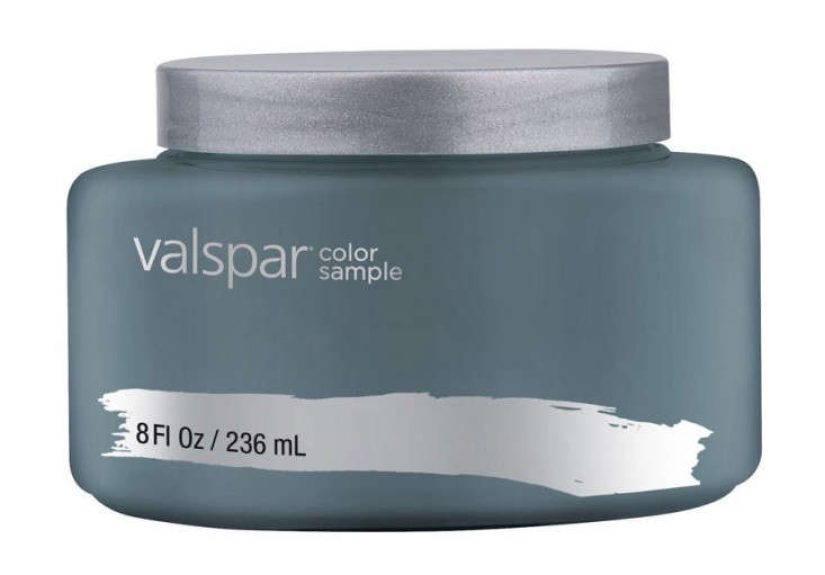
Perfect Storm is a deep, midnight-leaning teal with a cool, gray undertone. Translation: it reads sophisticated and
calm, not “kids’ playroom ocean theme.” The gray undertone keeps it grounded, so it feels more tailored and less
tropical. Think “stormy coastline at dusk,” not “mermaid parade.”
LRV: Why this color looks dramatic (and sometimes darker than you expect)
Perfect Storm has a low Light Reflectance Value (LRV)meaning it reflects relatively little light.
Low-LRV colors tend to look richer, moodier, and more saturated, especially in dim rooms. They can also feel
surprisingly dark at night under warm bulbs.
That doesn’t mean “don’t use it.” It means “use it like you mean it.” Perfect Storm is a power colorbest when you
control lighting and pair it with the right whites, woods, and metals.
Why Satin Finish Is a Smart Match for Perfect Storm
You’re not just choosing a coloryou’re choosing how that color behaves. A satin interior finish
sits in the Goldilocks zone: more durable and wipeable than flat/matte, but less shiny (and less spotlight-on-every-bump)
than semi-gloss.
Where satin shines (pun fully intended)
- Hallways & stairwells: high traffic, lots of fingerprints, plenty of “who touched the wall?” moments.
- Kids’ rooms: because crayons happen. Frequently. With enthusiasm.
- Kitchens & baths: satin handles humidity and occasional splashes better than flatter finishes.
- Living rooms: especially if you want a polished look that still feels cozy.
One satin warning (especially with dark colors)
Satin is forgiving… until it isn’t. Compared with flat paint, satin can emphasize surface texture and wall imperfections
because it reflects more light. With a dark color like Perfect Storm, prep matters. If your wall currently looks like
it has lived through three toddlers and a furniture-moving phase, patch and sand first.
Which Valspar Paint Should You Use for Perfect Storm?
“Perfect Storm” is the color. You’ll still pick a Valspar interior product line and then tint it to that color.
One popular choice for walls is Valspar Signature® Interior Paint + Primer, known for being a high-hiding,
durable option designed for everyday wear and tear.
What to look for in the label/features
- Paint + Primer: helpful for coverage, but it doesn’t magically erase glossy walls or stains (more on that below).
- Scrub/scuff resistance: useful with satin in busy rooms.
- Coverage guidance: dark-to-light or light-to-dark color changes can push you toward two coats (or more if the wall fights back).
Coverage and timing: plan your day like a grown-up (or at least pretend)
Valspar’s guidance for Signature Interior Paint + Primer typically indicates a wide coverage range depending on surface
porosity and prep. Expect to plan for two coats for a deep tone like Perfect Storm, especially if you’re covering a lighter color
or a patchy wall.
Under typical conditions, many interior acrylic paints are dry to the touch in roughly an hour or less and can be ready
for recoat in a couple hoursgreat news if you’re impatient (and if you’re painting, you probably are).
Test First: Perfect Storm Is Not a “Trust Fall” Color
Dark, saturated colors can shift a lot with lighting. That’s why sampling isn’t optionalit’s sanity insurance.
If you’re buying a small sample, paint it on more than one wall, because north-facing light and afternoon sun are basically
different planets.
How to sample like you actually want a good result
- Do two coats on your sample area. One coat can lie to you.
- Test near trim and furniturePerfect Storm changes next to bright white and next to warm woods.
- View morning, afternoon, and night with your actual bulbs turned on.
- Try a moveable sample board (foam board works) so you can see it in different corners.
Some sample sizes cover a small test patch (think roughly a few feet by a few feet). That’s enough to see undertones,
sheen, and “do I love this?” energy without committing to a full room makeover and an emotional support playlist.
Prep Work: Make Perfect Storm Look Expensive (Even If Your Walls Aren’t)
Prep is the difference between “designer drama” and “why does this look blotchy?” Perfect Storm is dark enough to be
unforgiving, but the payoff is worth it.
Step-by-step prep checklist
- Clean: remove oils and grime (especially around light switches and doorways). Paint sticks better to clean walls.
- Patch: fill dents, nail holes, and cracks. Let filler dry fully.
- Sand: smooth patches and feather edges so repairs disappear.
- De-gloss if needed: if the wall is shiny, scuff-sand or use a deglosser so your new coat bonds.
- Prime strategically: stains, repaired areas, raw drywall, or dramatic color changes usually need primer.
Primer tip for deep colors
If you’re covering a very light wall (or you have lots of fresh patchwork), consider a primer that helps with hide.
Some people tint primer toward the topcoat to speed coverage, especially with deep teals. Ask the paint desk what’s
appropriate for your surface and product line.
Application Tips: How to Get a Smooth Satin Finish (Without Weird Lines)
Dark satin colors can show lap marks and “picture framing” if you cut in and then let the edges dry before rolling.
The goal is to keep a wet edge so the brushed and rolled areas blend seamlessly.
Cut in + roll: the rhythm that saves your walls
- Cut in one wall at a time (edges, corners, around trim).
- Roll that same wall immediately while the cut-in is still wet.
- Work in sections and keep your roller loadeddon’t “dry roll” the last few feet like you’re trying to stretch paint.
- Feather lightly to blend edges where needed.
Tool choices that matter more than you think
- Brush: a quality angled sash brush helps you cut crisp lines with less drama.
- Roller nap: a medium nap is a safe choice for most wall textures; smoother walls can use a shorter nap.
- Extension pole: not glamorous, but it gives you smoother pressure and fewer “roller stop” marks.
Design Moves: How to Style Perfect Storm So It Looks Intentional
Perfect Storm plays well with contrast. The trick is balancing its depth with lighter elements so the room doesn’t feel
like a stylish cave (unless that’s your thingin which case, proceed).
Color pairings that usually win
- Crisp whites: bright trim makes Perfect Storm look sharper and more modern.
- Warm whites/creams: softens the vibe if you want cozy, not high-contrast.
- Natural wood tones: walnut, oak, or even bamboowood warms up the teal-gray undertone.
- Charcoal and soft grays: creates a moody palette that still feels clean.
Metal finishes that look great against stormy teal
- Brass: adds warmth and feels upscale.
- Matte black: modern, graphic, and slightly edgy.
- Polished nickel: classic and brightnice if the room needs a lift.
Where Perfect Storm works best
- Accent wall: easy impact, less commitment, still dramatic.
- Powder room: perfect for “wow” in a small space (add a great mirror and good lighting).
- Office/den: creates focus and a calm, grounded mood.
- Dining room: looks sophisticated under warm, dim lightinghello, dinner party energy.
Cleaning, Touch-Ups, and “How Long Until I Can Live Normally?”
Satin finishes are chosen because they’re easier to clean than flat paint. But give your paint time to cure before you
scrub it like it owes you money. In the first couple weeks, be gentle: a soft sponge, mild soap, and a light touch.
Touch-up reality check
Dark colors can be trickier to touch up invisibly, especially in satin. Keep leftover paint, stir it well before use,
and feather the edges of any touch-up area. If a wall takes a serious hit, repainting corner-to-corner on that wall
often looks better than a “spot repair” that catches the light.
Ventilation and VOCs: Boring, Important, and Worth Doing Right
Even when you’re using modern interior acrylic products, it’s smart to ventilate well during painting and as the paint
dries. Open windows, run fans, and keep the air movingespecially in smaller rooms. This matters because many household
products (including some paints) can emit volatile organic compounds (VOCs), which contribute to indoor air pollution.
Quick safety checklist
- Ventilate during application and for a while after.
- Keep kids and pets away from wet paint (and from your ladderbecause they will try it).
- Don’t store open paint cans indoors longer than needed.
- Follow label directions for drying, cleanup, and disposal.
FAQ: Quick Answers About Valspar Perfect Storm Interior Satin Paint
Is Perfect Storm more blue or more green?
It’s a teal that can lean bluer in cool daylight and slightly greener under warm bulbs. The gray undertone keeps it from
feeling neon or tropical.
Will it make my room look smaller?
Dark colors can visually “pull in” a space, but they can also add depth and make a room feel intentional and cozy.
In bright rooms, Perfect Storm often reads richnot cramped. Use lighter trim, good lighting, and reflective accents
if you’re worried.
Do I really need two coats?
For a deep color like Perfect Storm, two coats is the common path to an even, saturated finishespecially over light walls
or uneven surfaces. Skipping the second coat is how people end up staring at patchy corners at midnight.
Can I use satin on ceilings too?
You can, but most people prefer flatter finishes on ceilings because they hide imperfections. Satin on a ceiling can
reflect light and emphasize texture. For a dramatic look, it can workjust know what you’re signing up for.
Final Thoughts: A Storm You’ll Actually Want Indoors
Valspar Perfect Storm Interior Satin Paint is the kind of choice that turns a plain room into a mood.
It’s bold but not loud, deep but not muddy, and modern without trying too hard. If you sample first, prep your walls,
and keep a wet edge while painting, you can get a finish that looks like you hired helpwithout actually feeding a crew.
If you want a color that feels dramatic in the best way (and pairs beautifully with crisp whites, warm woods, and brass),
Perfect Storm is a very strong candidate. Just don’t blame the paint when you suddenly feel the urge to upgrade your light fixtures.
That’s a separate (and extremely common) condition.
Real-World Experiences With Perfect Storm (What People Notice After the Paint Dries)
Here’s the part everyone wants but few guides admit: the after. Not the “it looks nice” after. The real-world
afterwhen you’re living with the color through morning light, late-night TV glare, kid fingerprints, and the occasional
chair bump that somehow leaves a mark exactly at eye level.
1) The lighting surprise is real. Homeowners often say Perfect Storm looks “perfect” in the store, then
feels darker at homeespecially in north-facing rooms or spaces with small windows. That low-LRV depth can turn it into
a cozy, enveloping color in the evening, but it may read almost charcoal-teal at night under warm bulbs. The fix usually
isn’t repaintingit’s upgrading lighting. A brighter bulb (still warm, just not dim) or adding a lamp in the darker corner
can bring back the teal character. People who love the color long-term typically treat lighting as part of the paint plan,
not a separate “later” problem.
2) Satin feels “clean” in busy households. In family spaceshallways, living rooms, kids’ bedroomssatin
tends to earn its keep. Many folks report they can wipe down smudges without ruining the finish, especially after the paint
has had time to cure. The common pattern: the first week, everyone is overly cautious (“Don’t touch the wall!”), then by week
three, the wall becomes a wall againand satin makes that transition less stressful. People who went flat in similar colors
sometimes mention they loved the soft look but hated the maintenance. Satin is usually the compromise that keeps everyone happy.
3) Prep determines whether it looks high-end or homemade. With dark colors, patched areas can flash if they
aren’t sanded and primed well. Real-world feedback often sounds like: “It looked amazing… except where I patched the old curtain rod.”
That’s not a Perfect Storm issuethat’s a surface issue. The people who report a “luxury” look almost always did the unsexy steps:
they cleaned, sanded, spot-primed, and didn’t rush the second coat. If you want the room to look like a magazine photo,
the wall has to behave like a magazine wall.
4) Edge blending matters more than you expect. A frequent DIY frustration with deeper satin colors is a faint
border effect where the cut-in meets the rolled area. People describe it as “shadowy edges” or “a frame.” The cures that show up
again and again are practical: cut in smaller sections, roll that section immediately, and don’t let the brushed edges dry before
rolling. When someone says, “I repainted one wall and it finally looked right,” it’s often because they changed technique, not paint.
5) The color has a personality shift depending on what’s around it. In rooms with warm wood floors or brass fixtures,
Perfect Storm tends to feel richer and more welcoming. Next to cool grays, stainless steel, or bright white tile, it can look crisp
and modernalmost architectural. People who feel “meh” about it usually have a mismatch: cool lighting with warm decor, or very warm bulbs
with lots of cool finishes, which can muddy the vibe. The happiest reports come from homes that intentionally pair it with either:
(a) warm accents to cozy it up, or (b) clean whites and blacks to sharpen it.
6) It’s often loved most as an accent. Plenty of people adore Perfect Storm on one wall, built-ins, or a powder room.
The color is intense enough to carry a focal area without needing to dominate the entire space. In open floor plans, some homeowners
prefer using it in a defined zonelike a dining nook or office cornerso the drama feels curated rather than heavy. The consistent theme:
the color looks intentional when it has a “job” (feature wall, reading corner, cabinetry) rather than being everywhere without a plan.
Bottom line from the lived-with-it crowd: Perfect Storm is a keeper when you sample first, respect lighting, and do your prep. The satin
finish makes it practical enough for everyday life, while the color itself delivers that “wow” factor that makes people ask, “Okay, what is
that color?”which is basically the paint equivalent of a standing ovation.