Table of Contents >> Show >> Hide
- Jump to the good stuff
- Why This Soup Works
- Ingredients
- Stovetop Vegetable Beef Soup (Best Flavor)
- Slow Cooker Vegetable Beef Soup (Low Effort, Big Reward)
- Instant Pot Vegetable Beef Soup (Weeknight Speed, Weekend Taste)
- Flavor Boosters & Smart Swaps (Because You’re the Boss of Your Pot)
- Make It Yours: Seasonal Vegetable Ideas
- What to Serve With Vegetable Beef Soup
- Storage, Freezing, and Reheating
- Common Mistakes (and How to Avoid Them)
- Conclusion
- Kitchen Stories & Real-World Experiences (500-ish Words of Soup Reality)
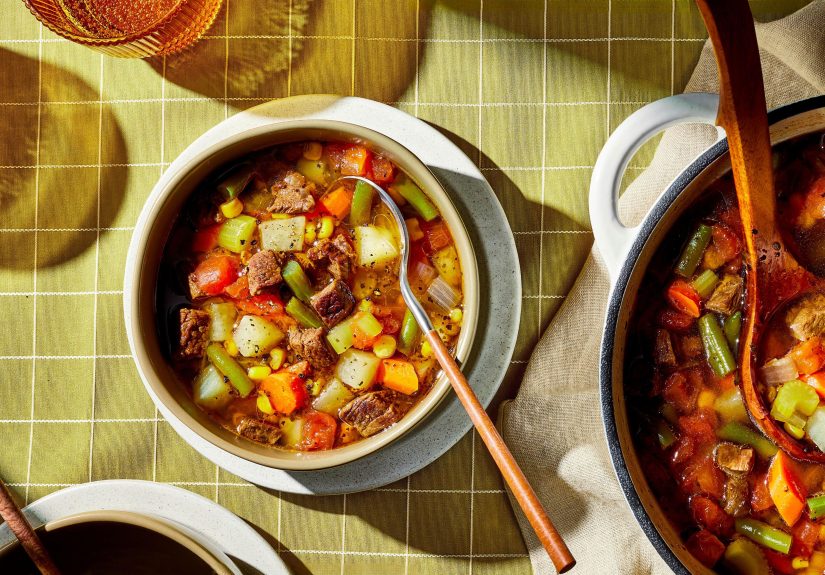
If comfort food had a publicist, vegetable beef soup would be the client who never needs crisis management. It’s hearty, practical, freezer-friendly, and somehow tastes even better the next daylike it went to bed early, drank water, and woke up with its life together.
This guide gives you a homemade vegetable beef soup recipe with real-deal flavor: deeply browned beef, a savory tomato-kissed broth, and vegetables that don’t disintegrate into sad confetti. You’ll also get smart swaps (slow cooker, Instant Pot, leftover roast beef, barley, rice), plus the most common soup pitfallsso your pot turns out bold, cozy, and brag-worthy.
Why This Soup Works
The best beef and vegetable soup is a balancing act: beefy depth + bright tomato notes + vegetables that keep their texture. Here’s the “why” behind the method:
- Browning the beef builds the foundation. Those golden bits stuck to the pot (the “fond”) are basically flavor savings accounts with a very good interest rate.
- Tomatoes bring backbone without turning it into marinara. A little tomato paste and diced tomatoes give the broth a richer, rounder taste.
- Staggered vegetables keep everything vibrant. Potatoes need time; peas do not. (Peas show up, do their job, and leave earlyhonestly, relatable.)
The result is an old-fashioned vegetable beef soup that tastes classic but cooks like you’ve learned a few tricks.
Ingredients
This is the classic “chunks of beef” versionmy recommended approach for the richest, most satisfying bowl. Right after, you’ll see quick substitutions if you prefer ground beef or leftover roast beef.
For the beef & broth
- 2 lb beef chuck, cut into 1-inch cubes (or labeled “stew meat”)
- 2 tsp kosher salt (start with 1 tsp, then adjust)
- 1 tsp black pepper
- 2 tbsp neutral oil (avocado, canola, vegetable)
- 1 large yellow onion, diced
- 2 celery stalks, diced
- 2 large carrots, sliced or diced
- 4 garlic cloves, minced
- 2 tbsp tomato paste
- 1 (28 oz) can diced tomatoes (with juices)
- 6 cups low-sodium beef broth
- 1 tbsp Worcestershire sauce
- 1 bay leaf
- 1 tsp dried thyme (or 1 tbsp fresh)
- 1 tsp dried oregano
Vegetables (add in stages)
- 2 medium potatoes, diced (Yukon Gold or red; peel if you want)
- 1 1/2 cups green beans (fresh or frozen, cut into bite-size pieces)
- 1 cup corn (frozen or canned, drained)
- 1 cup peas (frozen)
- 2 tbsp fresh parsley, chopped (optional, but very “finish-line” nice)
Optional “make it yours” add-ins
- 1–2 cups chopped cabbage (adds body and a cozy winter vibe)
- 1–2 tsp hot sauce or a pinch of red pepper flakes
- 1 tbsp soy sauce (tiny amount, big payoff)
- 1 cup tomato-vegetable juice (for a more classic diner-style tang)
- 1/2 cup pearl barley (hearty and slightly thickening)
- 3/4 cup cooked leftover roast beef (add near the end to save time)
Stovetop Vegetable Beef Soup (Best Flavor)
This method is the gold standard: it delivers tender beef, a richer broth, and vegetables that still know what shape they are. Total time is about 1 hour 45 minutes to 2 hours 15 minutes depending on your beef and how chatty your simmer is.
Step 1: Brown the beef like you mean it
- Pat the beef dry. (Moisture is the enemy of browning. We want “golden,” not “steamed and disappointed.”)
- Season beef with salt and pepper.
- Heat oil in a large Dutch oven over medium-high heat.
- Brown beef in batches, 3–4 minutes per side. Don’t overcrowd the pot. Transfer browned beef to a plate.
Step 2: Build a flavorful base
- Lower heat to medium. Add onion, celery, and carrots.
- Sauté 6–8 minutes until softened and lightly golden.
- Add garlic and cook 30 seconds.
- Stir in tomato paste and cook 1 minute to caramelize it slightly (this deepens flavor and tames raw tomato tang).
Step 3: Make the broth, then simmer
- Add Worcestershire sauce, diced tomatoes, beef broth, bay leaf, thyme, and oregano.
- Scrape the bottom of the pot to loosen the browned bits. (This is where your soup gets its “wow, what did you do?” energy.)
- Return browned beef (and any juices) to the pot.
- Bring to a gentle boil, then reduce to a low simmer.
- Simmer 60–90 minutes until beef is tender. Stir occasionally.
Step 4: Add vegetables in the right order
- Add diced potatoes (and cabbage if using). Simmer 15 minutes.
- Add green beans. Simmer another 10–15 minutes until potatoes are tender.
- Add corn and peas for the last 3–5 minutesjust long enough to heat through.
Step 5: Finish and serve
- Remove bay leaf.
- Taste and adjust: salt, pepper, a splash of Worcestershire, or a small pinch of red pepper flakes.
- Stir in parsley and serve hot.
Pro texture tip: If you want a slightly thicker broth, mash a few potato cubes against the side of the pot and stir them back in. That’s old-school soup magic.
Slow Cooker Vegetable Beef Soup (Low Effort, Big Reward)
Want a slow cooker vegetable beef soup that tastes like it simmered all day? Good news: it literally did. Browning the beef first improves flavor, but you can skip it on a chaotic weekday and still get a tasty pot.
How to do it
- Optional but recommended: brown the beef in a skillet, then transfer to the slow cooker.
- Add onion, celery, carrots, garlic, tomato paste, diced tomatoes, broth, Worcestershire, herbs, and bay leaf.
- Cook on LOW 7–8 hours or HIGH 4–5 hours, until beef is tender.
- Add potatoes halfway through if your slow cooker runs hot (so they don’t over-soften). Add frozen peas/corn in the last 20–30 minutes.
Shortcut variation: If you’re using canned green beans or canned corn, add them near the end so they don’t turn into “vintage cafeteria memories.”
Instant Pot Vegetable Beef Soup (Weeknight Speed, Weekend Taste)
The Instant Pot is great when you want tender beef without planning your entire day around “simmering.” This version keeps the spirit of the classic vegetable beef soup recipe, just faster.
Instant Pot steps
- Use Sauté to brown the beef in batches. Remove beef.
- Sauté onion, celery, and carrots 5–6 minutes. Add garlic 30 seconds.
- Stir in tomato paste 1 minute.
- Add broth (start with 5 cups), diced tomatoes, Worcestershire, herbs, bay leaf, and browned beef. Scrape the bottom well.
- Pressure cook on High for 25 minutes. Natural release 10 minutes, then quick release.
- Add potatoes and green beans. Pressure cook 5 minutes. Quick release.
- Add peas and corn on Sauté for 2–3 minutes to heat through. Adjust seasoning.
Instant Pot note: If you want extra brothiness, stir in an additional cup of broth at the end.
Flavor Boosters & Smart Swaps (Because You’re the Boss of Your Pot)
This soup is famously flexible. Here are upgrades that make your beef soup with vegetables taste more complex without turning the ingredient list into a novel.
Beef options
- Chuck roast: best all-aroundtender, flavorful, and made for simmering.
- Soup bones / shanks: extra beefy broth; skim fat after chilling if you want a cleaner finish.
- Ground beef: fastest. Brown it first, then use the drippings to sauté vegetables for extra flavor.
- Leftover roast beef: add near the end so it warms through without getting tough.
Broth upgrades
- Worcestershire: savory depth (think “beefiness in HD”).
- Soy sauce: 1 tbsp adds umami without tasting “soy saucy.”
- Tomato paste: richer color, richer taste.
- Vegetable-tomato juice: classic old-school tang and extra veggie flavor (especially if you like a tomato-forward soup).
- Deglaze with a splash of broth (or a little red wine) to lift browned bits from the pot.
How to thicken without making it “stew”
- Mash a few potatoes in the pot (easy, natural thickening).
- Add barley (it releases starch and gives the soup body).
- Lightly flour the beef before browning for a subtle, velvety broth (think “cozy,” not “gravy”).
- Rolled oats trick: finely grind oats and stir in a tablespoon at a time, simmering brieflysurprisingly effective for a gentle thickening.
Herb lane: classic vs. Italian-ish
- Classic American: bay leaf, thyme, oregano, parsley.
- Italian vibe: Italian seasoning + a handful of chopped cabbage + Parmesan at the end.
Make It Yours: Seasonal Vegetable Ideas
The best homemade vegetable beef soup often starts with this sentence: “Okay, what vegetables do I need to rescue from the crisper drawer?”
Winter (hearty and cozy)
- Potatoes, carrots, celery, cabbage
- Parsnips or rutabaga for deeper sweetness
- Barley for extra stick-to-your-ribs comfort
Spring (lighter, brighter)
- Peas, green beans, baby carrots
- Spinach or kale stirred in right before serving
- A squeeze of lemon to wake up the broth
Summer (garden clean-out)
- Zucchini, corn, green beans, tomatoes
- Fresh basil or parsley
- Optional: swap half the potatoes for diced bell peppers
Fall (sweet and savory)
- Butternut squash cubes (add with potatoes)
- Green beans, carrots, celery, onions
- A pinch of smoked paprika for warmth
What to Serve With Vegetable Beef Soup
This soup is basically a full meal, but sides make it feel like an event. Great pairings:
- Cornbread or corn muffins (classic comfort combo)
- Buttermilk biscuits or crusty bread for dunking
- Grilled cheese when you want to feel like a genius with minimal effort
- Simple green salad for contrast and crunch
Optional finishing move: a sprinkle of Parmesan or a dash of hot sauce. Your bowl, your rules.
Storage, Freezing, and Reheating
Vegetable beef soup is one of the best “cook once, eat twice (or five times)” mealsif you store it well.
Refrigerator
- Cool the soup before storing.
- Portion into smaller containers so it cools faster and reheats evenly.
- Keep refrigerated and enjoy within 3–5 days for best quality.
Freezer
- Freeze in airtight containers, leaving a little headspace for expansion.
- For best flavor and texture, aim to use within 2–6 months. (It’s safe longer if frozen properly, but the veggies can get softer over time.)
- If you know you’re freezing it, cook vegetables until just tender so they don’t collapse after reheating.
Reheating
- Stovetop is best: gently simmer until hot.
- If it thickened in the fridge (it will), add a splash of broth or water to loosen it back up.
- Finish with fresh parsley or a tiny splash of Worcestershire to “freshen” the flavor.
Common Mistakes (and How to Avoid Them)
1) Not browning the beef
You can skip it, but you’ll taste the difference. Browning creates depth you can’t fake with “extra seasoning.” If you’re short on time, brown just one batch. Even partial browning helps.
2) Cooking all vegetables for the same amount of time
Potatoes need patience. Peas need a warm welcome and a quick goodbye. Add vegetables in stages so you get tender potatoes and bright peas instead of a pot of “uniform mush.”
3) Overseasoning early
Broth reduces, tomatoes concentrate, and salt gets louder. Season lightly at the start and adjust at the end. Your tongue will thank you.
4) Letting the soup boil aggressively
A hard boil can make beef tougher and vegetables break down faster. Keep it at a gentle simmerlazy bubbles, not jacuzzi mode.
5) Forgetting acid and umami
If your soup tastes flat, it’s usually missing one of these: a bit more tomato paste, a splash of Worcestershire, a tiny bit of soy sauce, or even a squeeze of lemon at the end.
Conclusion
A truly great vegetable beef soup recipe is less about strict rules and more about smart timing: brown the beef, build a savory base, simmer gently, and add vegetables in waves. From there, you can make it classic, Italian-ish, extra-vegetable, barley-loaded, or weeknight-fast with ground beef.
And here’s the secret nobody prints on the recipe card: soup tastes like care. Even when the cook is wearing sweatpants and arguing with a bag of frozen peas. (No judgment. That bag started it.)
Kitchen Stories & Real-World Experiences (500-ish Words of Soup Reality)
People don’t just make vegetable beef soupthey develop a relationship with it. It becomes the recipe you pull out when the weather turns, the budget tightens, or your fridge looks like it hosted a vegetable support group. Over and over, home cooks describe the same pattern: the first pot is dinner, the second pot is a strategy.
One common experience is the “Sunday illusion.” You start a pot on a random Wednesday, but the smell has the emotional confidence of a lazy weekend afternoon. The onions and beef browning together make the whole house smell like someone has life figured outat least until you realize you’re out of bay leaves and you’re considering whether a rogue Italian seasoning packet counts as “herbs.” (It does. This is a safe space.)
Another real-world theme: the vegetable negotiation. Kids and picky eaters often treat soup like a detective case. Carrots? Suspicious. Green beans? “Too green.” But something interesting happens with beef-and-tomato broth: it makes vegetables taste like they belong. People frequently report that the same vegetable that gets rejected on a plate gets accepted in soup, especially when it’s cut small and cooked until tender but not floppy. If you’ve ever watched someone “accidentally” eat celery because it was hiding behind a potato cube, congratulationsyou’ve witnessed soup diplomacy.
Then there’s the leftover glow-up. Vegetable beef soup is famously better the next day because the flavors have time to mingle. This is why many cooks intentionally make a bigger batch than necessary. It’s not overcooking; it’s meal prep with a warm blanket on top. People often describe the second-day bowl as richer, smoother, and more “together,” like the soup went to therapy overnight and set healthy boundaries.
Freezer experiences are almost a genre of their own. The best feeling is opening the freezer and finding labeled containers: “Veg Beef Soup Jan.” It’s like discovering you were once a responsible adult who loved you. Many cooks learn (sometimes the hard way) that potatoes can soften after freezing and reheating, so they adjust by dicing potatoes a bit larger, cooking them just tender, or swapping in barley for a sturdier texture. Others stash the base (broth + beef + tomatoes) and add fresh or frozen vegetables when reheating, so the bowl tastes newly made.
There’s also the “use what you have” victory lap. Some pots are meticulously planned; others are built from pantry improvisation: canned corn, frozen mixed vegetables, leftover roast beef, a lonely half-head of cabbage. These versions tend to become favorites because they feel earned. The soup teaches a quiet lesson: you don’t need perfect ingredients to cook something deeply satisfyingyou just need a good method, a steady simmer, and the confidence to taste and adjust.
In the end, vegetable beef soup is more than a recipe. It’s a reliable move. It shows up when you need comfort, when you need dinner to stretch, and when you want something that tastes like homeeven if home currently includes three laundry baskets and a questionable amount of spoons in the sink.