Table of Contents >> Show >> Hide
- What is Vitamin B12 and Why is it Important?
- What Are Vitamin B12 Injections?
- Benefits of Vitamin B12 Injections
- Who Should Consider Vitamin B12 Injections?
- Potential Side Effects of Vitamin B12 Injections
- How Often Should You Get Vitamin B12 Injections?
- Can You Take Vitamin B12 Supplements Instead of Injections?
- Conclusion
- Personal Experiences with Vitamin B12 Injections
When it comes to maintaining our health, one of the essential nutrients we often overlook is Vitamin B12. Known for its vital role in keeping our bodies functioning smoothly, this water-soluble vitamin is crucial for nerve function, the production of DNA, and red blood cells. While it’s typically obtained through a balanced diet, there are times when our bodies may require a little extra boost. That’s where Vitamin B12 injections come in. In this article, we will explore everything you need to know about Vitamin B12 injections, from their benefits to potential side effects, and how they could impact your overall health.
What is Vitamin B12 and Why is it Important?
Vitamin B12, also known as cobalamin, is a nutrient that plays a key role in the proper functioning of the brain and nervous system. It helps in the formation of red blood cells, the production of DNA, and the maintenance of nerve health. Vitamin B12 is naturally found in animal products like meat, eggs, dairy, and fish. However, many people find themselves deficient in this vitamin, especially those who follow a vegan or vegetarian diet, as plant-based foods don’t contain enough B12.
Vitamin B12 deficiency can lead to symptoms such as fatigue, weakness, pale skin, shortness of breath, and memory issues. Severe deficiencies may result in nerve damage, anemia, or other serious health problems. Therefore, getting an adequate amount of this vitamin is crucial for maintaining optimal health.
What Are Vitamin B12 Injections?
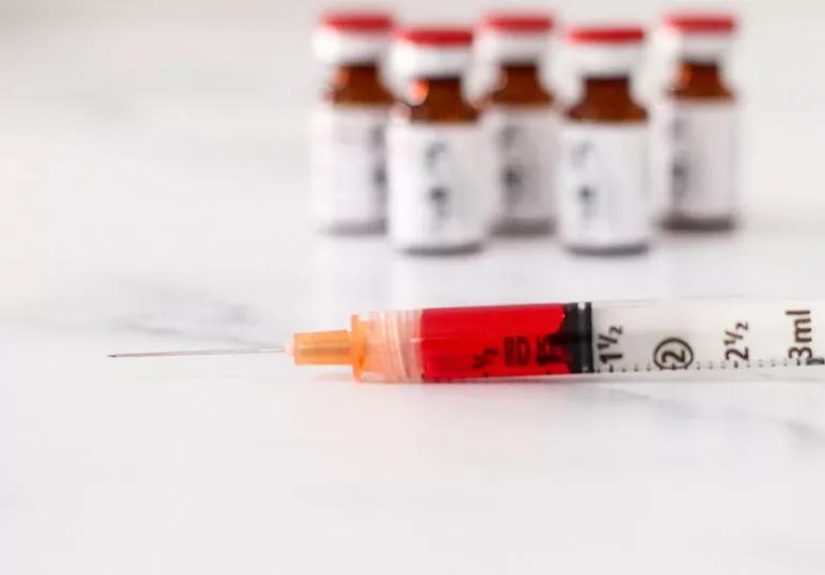
Vitamin B12 injections are a way of supplementing the vitamin directly into the bloodstream. Typically, these injections are administered in the form of cyanocobalamin, the synthetic form of Vitamin B12. The injections are usually given intramuscularly (into the muscle) or subcutaneously (under the skin) to ensure that the body absorbs the vitamin efficiently.
For those who have difficulty absorbing B12 through oral supplementsdue to issues like malabsorption, digestive disorders, or specific medicationsB12 injections provide an effective alternative. They bypass the digestive system entirely, delivering the vitamin directly into the bloodstream where it can be utilized by the body more efficiently.
Benefits of Vitamin B12 Injections
Vitamin B12 injections offer a variety of health benefits, particularly for those who suffer from B12 deficiency or have conditions that impair the absorption of the vitamin. Here are some of the key benefits:
- Improved Energy Levels: Many people report feeling more energized after receiving B12 injections. This is because B12 plays a vital role in energy production by aiding in the metabolism of fats and carbohydrates.
- Boosted Mood and Mental Clarity: B12 is essential for the production of neurotransmitters like serotonin and dopamine, which are involved in regulating mood. Some people find that B12 injections help alleviate symptoms of depression, anxiety, and brain fog.
- Enhanced Nerve Function: Since B12 is vital for nerve health, regular injections can help improve the function of the nervous system and prevent nerve-related problems like numbness, tingling, and memory loss.
- Better Immune Function: Vitamin B12 supports the production of white blood cells, which are essential for fighting infections. It also plays a role in maintaining a healthy immune system.
- Improved Red Blood Cell Production: B12 is necessary for the production of red blood cells, and a deficiency can lead to anemia. By receiving B12 injections, individuals with anemia or low red blood cell counts can see improvements in their condition.
Who Should Consider Vitamin B12 Injections?
While Vitamin B12 injections can be beneficial for many people, they are most commonly recommended for individuals who have difficulty absorbing the vitamin or who are at risk of deficiency. Some groups that may benefit from B12 injections include:
- Vegans and Vegetarians: Those who avoid animal products may not get enough Vitamin B12, as it is primarily found in meat, fish, eggs, and dairy.
- Older Adults: As we age, our bodies may become less efficient at absorbing Vitamin B12. This can lead to deficiencies, especially in people over the age of 50.
- People with Digestive Disorders: Conditions like celiac disease, Crohn’s disease, and pernicious anemia can affect the body’s ability to absorb B12, making injections a helpful solution.
- Individuals with Certain Medical Conditions: People with conditions like diabetes or those who have had gastric bypass surgery may also struggle to absorb B12 from food or supplements and may benefit from injections.
Potential Side Effects of Vitamin B12 Injections
While Vitamin B12 injections are generally considered safe, there are potential side effects, though they are rare. Some of the common side effects include:
- Pain or Swelling at the Injection Site: This is the most common side effect, and it typically resolves within a few hours after the injection.
- Headaches: Some people may experience headaches after a B12 injection, although this is generally mild.
- Dizziness or Nausea: These symptoms are uncommon but can occur, especially if the injection is administered too quickly.
- Allergic Reactions: Rarely, some individuals may experience allergic reactions such as rashes, itching, or difficulty breathing. If this occurs, immediate medical attention should be sought.
How Often Should You Get Vitamin B12 Injections?
The frequency of Vitamin B12 injections depends on the individual’s needs and the severity of the deficiency. For people with severe deficiencies, injections may be given weekly or bi-weekly at first. Once B12 levels have normalized, injections may be reduced to once a month or less. It’s essential to follow the guidance of a healthcare professional to ensure that you’re receiving the appropriate dosage and frequency.
Can You Take Vitamin B12 Supplements Instead of Injections?
For many people, taking Vitamin B12 supplements in pill form or as a sublingual tablet is an effective way to meet their nutritional needs. However, for individuals with absorption issues or specific health conditions, injections may be a better option. Supplements can be effective for those who have mild deficiencies, but if you’re experiencing severe symptoms or a significant deficiency, injections are often the most reliable solution.
Conclusion
Vitamin B12 injections can be a valuable tool for those struggling with a deficiency or absorption issues. They offer a direct and effective way to boost energy levels, improve mood, and support overall health. If you suspect you have a Vitamin B12 deficiency or are at risk, it’s essential to consult with a healthcare provider to determine if B12 injections are right for you.
Personal Experiences with Vitamin B12 Injections
For many people, Vitamin B12 injections can be a game-changer in managing their health. A few years ago, I started experiencing unexplained fatigue and brain fog. No matter how much sleep I got, I just couldn’t shake the tiredness. My doctor suggested I might have a B12 deficiency, especially given that I wasn’t consuming enough animal products in my diet.
After getting my first injection, I noticed a remarkable improvement in my energy levels within a few days. I felt more awake, more alert, and my mood improved significantly. The mental fog that had been hanging over me for months started to lift, and I was finally able to focus better at work. My doctor recommended regular B12 injections for maintenance, and I’ve continued them ever since.
Others I know have had similar experiences. One friend, who has celiac disease, struggled with B12 absorption for years. After starting B12 injections, she felt like a new person. She no longer suffers from the dizziness and lethargy she once did and is now able to keep up with her busy schedule without feeling constantly drained.
However, it’s not all sunshine and rainbows. A family member of mine experienced a mild headache after receiving a B12 injection, which lasted for a couple of hours. It wasn’t a serious issue, but it was a reminder that side effects can happen. As with any treatment, it’s important to consult with a healthcare provider to ensure that it’s the right choice for your specific needs.
In conclusion, Vitamin B12 injections can be incredibly effective for those who need a boost in their energy, mood, and overall health. They are a convenient and reliable method of addressing B12 deficiency, especially when oral supplements aren’t enough. If you’re considering B12 injections, make sure to consult with a healthcare provider to determine the best course of action for your unique situation.