Table of Contents >> Show >> Hide
- Why This Pose Gets So Many Interpretations
- The Most Common Meanings of the Hands-Behind-the-Back Pose
- Small Variations That Change the Message
- How to Interpret It Without Overreading It
- What People Might Assume If You Use This Pose
- Quick Real-World Examples (And What They Usually Suggest)
- Experiences You Might Recognize (500+ Words of Real-Life Context)
- Conclusion
You’ve seen it everywhere: the museum docent strolling like they personally curated the Renaissance, the manager
listening in a meeting like a calm lighthouse, the dad at the barbecue doing a slow lap of the yard like he’s
inspecting the perimeter. Hands behind the back. Sometimes clasped. Sometimes holding a wrist. Sometimes paired
with a thoughtful chin tilt that screams, “I am having important thoughts about… mulch.”
So what does this pose actually mean? The honest answer: it can mean several different thingsconfidence,
authority, restraint, contemplation, discomfortand you only get the “right” meaning when you read it in context.
The good news is you don’t need to be a mind reader. You just need a better method than “one pose = one truth.”
Why This Pose Gets So Many Interpretations
Body language is a probability game, not a magic decoder ring
Nonverbal cues work best when you treat them like weather forecasts: helpful, pattern-based, and occasionally
wrong because humans are complicated and sometimes just don’t know what to do with their hands. One gesture by
itself rarely tells the whole story. Clusters (multiple signals at once), baselines (what’s normal for that
person), and the situation (power dynamics, environment, stress level) are what turn “hmm” into “ohhh.”
Hands are “high-information” body parts
Hands communicate openness, readiness, tension, and intent. When hands are visible, we tend to feel more at ease
because we can see what’s going on. When hands disappearinto pockets, under tables, behind backsour brains may
start writing little stories. Sometimes those stories are flattering (“calm and in control”), and sometimes they
aren’t (“guarded,” “withholding,” “why do I suddenly feel like I’m being evaluated?”).
The Most Common Meanings of the Hands-Behind-the-Back Pose
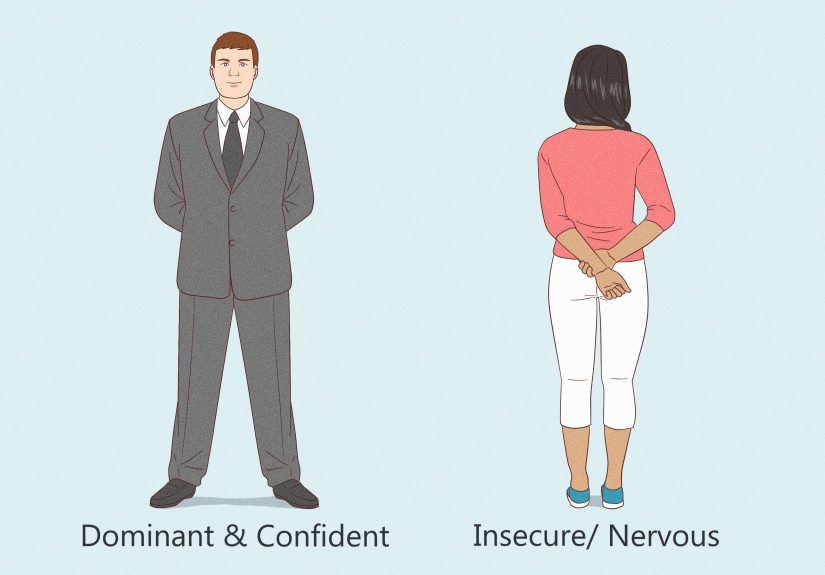
1) Quiet confidence and authority
This is the “regal stance” version: upright posture, shoulders relaxed, head level, movement unhurried. Putting
your hands behind your back can open the front of the body and remove “busy hands” from view, which often reads
as composed and confidentespecially in roles where calm authority matters (teachers, security staff, supervisors,
tour guides, military “at ease” vibes).
In other words: it can signal, “I’m not threatened here, and I don’t need to prove it.” That’s why it’s common
among people who want to project stability without looking aggressive.
2) Formality, professionalism, and “I’m listening”
Sometimes the pose is less about dominance and more about manners. Hands behind the back can look neat and
containedlike an informal version of “hands folded.” In workplaces, galleries, ceremonies, or customer-facing
settings, it can serve as a tidy default stance: attentive, respectful, not fidgety, not intrusive.
The catch: “contained” can drift into “distant” if the rest of the body isn’t warmno smile, minimal nodding,
stiff posture, feet angled away. Same pose, different vibe.
3) Self-restraint: holding yourself back (sometimes literally)
One specific variation matters a lot here: one hand gripping the other wrist behind the back.
That wrist-hold can look like someone is physically stopping themselves from gesturingor from doing something
they shouldn’t do. In tense moments, it may signal self-control, frustration management, or “I am choosing my
words carefully because my inside voice is spicy today.”
If you see this paired with a tight jaw, forced stillness, shallow breathing, or hard eye contact, it’s often a
clue that the person is managing emotion rather than simply relaxing.
4) Thoughtfulness and “processing mode”
A classic “thinking walk” is slow-paced with hands behind the back. People do this while problem-solving,
reflecting, or mentally rehearsing. It’s common when someone is observingwatching a game, surveying a project,
listening to a presentation, or deciding whether the living room rug really needs to be replaced (it
doesn’t, but the debate will continue).
5) Discomfort, anxiety, boredom, or irritation
Here’s the twist: some credible body-language guides note that clasping hands behind the back can also show up
when someone is bored, anxious, or even angryespecially if the posture is rigid, the hands are clenched, or the
person is rocking, tapping a foot, or scanning the room.
Why would a nervous person put their hands behind their back? Because it’s a convenient hiding place for
fidgeting. If your hands are wringing, rubbing, or squeezing, placing them behind you can keep those “tells” out
of sightsometimes from others, sometimes from yourself.
Small Variations That Change the Message
Hands clasped vs. wrist-grab
- Loose clasp (fingers gently interlaced): often reads as calm, formal, or reflective.
- Tight clasp (white-knuckle energy): can read as tension, impatience, or restraint.
- Wrist-grab: frequently suggests self-control, frustration management, or emotional restraint.
Elbows and shoulders tell on the hands
If elbows flare out and shoulders pull back hard, the pose takes up more space and can read as more dominant or
“don’t-mess-with-me.” If elbows stay closer to the body and shoulders are relaxed, it tends to look more neutral
and professional.
Posture and facial expression decide the “final meaning”
Same hands-behind-back position, totally different interpretation:
- Soft face + slight smile + nodding: approachable authority.
- Tight jaw + narrowed eyes + stiff neck: controlled irritation or scrutiny.
- Downcast eyes + hunched shoulders: self-soothing, insecurity, or discomfort.
Movement matters
A slow, steady walk with hands behind the back can read as thoughtful and composed. A fast pace with clenched
hands can read as keyed-up. Standing perfectly still like a statue can read as self-controlor as discomfortdepending
on the rest of the body.
How to Interpret It Without Overreading It
Step 1: Identify the situation and power dynamics
Is this a boss addressing a team? A teacher supervising a classroom? A person in a uniform on duty? A guest at a
party who doesn’t know anyone? The same stance can be “professional” in one setting and “guarded” in another.
Step 2: Compare to their baseline
Some people default to hands behind the back because it feels comfortable, keeps posture upright, or reduces
fidgeting. If they always do it, it’s less meaningful. If they suddenly switch into it during a tough question,
a disagreement, or an awkward silence, it’s more meaningful.
Step 3: Look for clusters (especially feet and face)
Feet and facial tension are hard to “manage” convincingly for long periods. Watch for:
feet angled toward an exit, foot tapping, jaw clenching, lip pressing, forced smiles, or a sudden drop in blinking.
A calm stance with calm cues likely means calm. A calm stance with tense cues often means “controlled.”
Step 4: Consider harmless explanations
Cold hands, social awkwardness, back pain, habit, cultural norms, sensory preferences, or simply not wanting to
gesture can all drive this posture. Great interpretation starts with curiosity, not certainty.
What People Might Assume If You Use This Pose
In professional settings
Used well, the hands-behind-the-back pose can help you look composedespecially when you’re listening or waiting
your turn to speak. Used poorly (rigid posture, chin up too high, elbows flared), it can look superior,
unapproachable, or like you’re silently grading everyone’s performance.
Tip: If you want “confident,” keep your shoulders relaxed, soften your face, and angle your torso
slightly toward people instead of squaring up like a final boss.
In social settings
If you’re meeting new people, hands behind the back can create distance because your handsyour most expressive,
friendly toolsaren’t available. If you notice conversations staying stiff, try bringing one hand forward
occasionally for open gestures (palms visible, movements small and natural).
In photos and on video
This pose can improve posture and look neat, but it can also look staged or overly formal. For a warmer look,
try hands relaxed at your sides or lightly clasped in front at waist level (without the “I’m bracing for impact”
grip).
Quick Real-World Examples (And What They Usually Suggest)
-
The calm manager: standing still, hands loosely clasped behind the back, relaxed face while
listening → poised authority. -
The tense meeting: wrist-grab behind the back, tight jaw, minimal blinking → self-restraint or
controlled frustration. -
The thoughtful stroll: slow pacing, gaze unfocused, hands behind the back → processing,
reflecting, planning. -
The awkward party guest: hunched shoulders, hands behind the back, scanning the room →
self-soothing, uncertainty, social discomfort. -
The “don’t touch the exhibit” vibe: hands behind the back while leaning slightly away from
objects/people → boundary-setting and formality.
Experiences You Might Recognize (500+ Words of Real-Life Context)
Let’s make this practical with experiences that show how slippery (and useful) this pose can be. Imagine you’re
waiting for a job interview. You’re early, the lobby is too quiet, and your hands suddenly feel like two
awkward accessories you forgot to return. You clasp them behind your back because it stops you from fidgeting
with your sleeves or phone. In that moment, the pose isn’t about powerit’s about containment. You’re trying to
look steady because your nervous system is doing jazz hands internally.
Now picture a different scene: you’re in a meeting and someone else is presenting. You’re standing at the edge
of the room with hands behind your back. If your face is relaxed and you’re nodding occasionally, people usually
read it as attentive and professional. But if your chin lifts, your shoulders stiffen, and you stop reacting
altogether, the same stance can feel like silent judgmentlike you’re mentally stamping “APPROVED” or “DENIED”
on every slide.
You also see hands-behind-the-back in “public responsibility” roles. Think of a teacher supervising a hallway,
a coach watching drills, or a security guard scanning a crowd. The stance keeps hands out of the way, reduces
unnecessary gesturing, and can signal “I’m on duty.” For the person using it, it often feels neutral. For the
people observing it, it can feel like authoritysometimes reassuring, sometimes intimidatingdepending on how
friendly (or stern) the face is.
There’s a family version, too: the slow backyard walk during a gathering. Someone does a lap with hands behind
the back, checking the grill, the cooler, the kids, the dog, the weather, and the mysterious noise coming from
the fence line. That can read as “host mode” or “protector mode”not aggressive, just responsible. It’s a subtle
way of saying, “I’m keeping track of things,” even if “things” is mostly just whether anyone moved the tongs.
Then there’s the conflict moment. You ask a direct question, and the other person’s hands move behind their back
and clamp onto their wrist. Their mouth tightens. They inhale sharply. They pause longer than usual. This is
where context and clusters matter: the pose may be acting like a brake pedal. They’re holding themselves in place
so they don’t gesture wildly, interrupt, or say the first (least diplomatic) thing that pops into their head.
The meaning isn’t “I’m powerful.” It’s “I’m regulating myself.”
Finally, consider the everyday “thinking walk.” Many people naturally put their hands behind their back when
brainstorming, decompressing, or taking a quiet lap around the house to remember why they walked into the kitchen
in the first place. The pose can create a sense of order: shoulders back, hands still, mind free to wander. If
you’ve ever caught yourself doing it while solving a problemor watching someone else do it while they thinkyou’ve
seen how “hands behind the back” can be less about messaging others and more about managing yourself.
The takeaway from all these experiences is simple: the hands-behind-the-back pose is often about control.
Sometimes control is confidence. Sometimes it’s composure. Sometimes it’s restraint. Your best read comes from
pairing the pose with what’s happening in the momentand what the rest of the body is quietly admitting.
Conclusion
The hands-behind-the-back pose isn’t a single messageit’s a flexible posture that can signal calm authority,
formality, thoughtfulness, or emotional restraint. If you want to interpret it accurately, don’t treat it like a
lie detector. Use context, look for clusters, compare to baseline behavior, and remember that sometimes the most
revealing meaning is the simplest one: “My hands needed a parking spot.”