Table of Contents >> Show >> Hide
- The short answer: Is there one healthiest seed?
- Why seeds are so healthy in the first place
- Ground flaxseed: The best all-around seed
- Chia seeds: The fiber superstar that deserves the hype
- Pumpkin seeds: The mineral-rich powerhouse
- Sunflower seeds: Tiny, crunchy, and loaded with vitamin E
- Sesame seeds: Small but mighty, especially in tahini
- So which seed is healthiest for your goal?
- How much should you eat?
- Best ways to eat seeds for maximum benefit
- Who should be careful with seeds?
- The final verdict on the healthiest seed
- Real-life experiences with healthy seeds: what actually happens when you start eating them
- SEO Tags
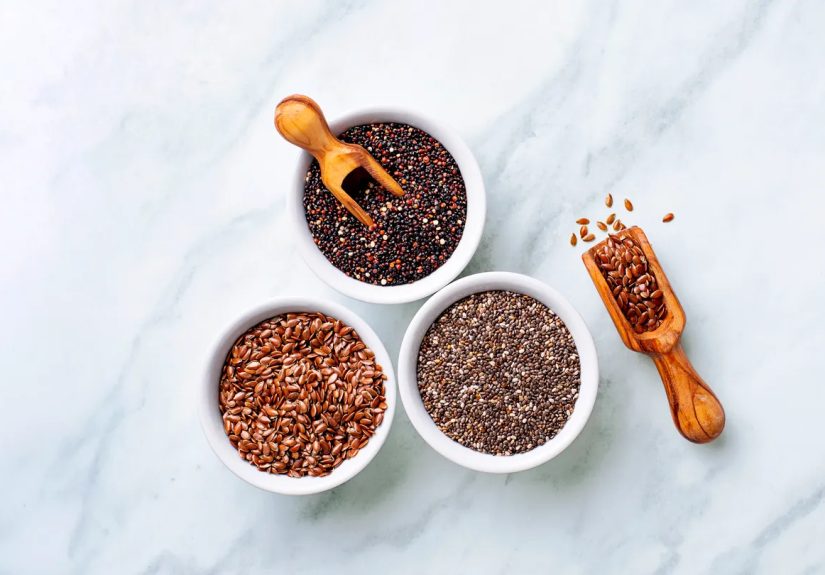
If you ask the internet for the healthiest seed, the internet usually does what the internet does best: it yells “chia!” in one corner, “flax!” in another, and “pumpkin seeds, you cowards!” from the snack aisle. The truth is less dramatic and more useful. There isn’t one single seed that wins every nutrition category. But if you insist on a champion, ground flaxseed has the strongest all-around case for the title, with chia seeds right on its heels and pumpkin seeds close behind for people focused on minerals and protein.
Why flax? Because it brings together a rare combination of benefits in one tiny package: plant omega-3 fats, fiber, and lignans, which are plant compounds with antioxidant properties. Chia is an equally impressive overachiever, especially for fiber, convenience, and texture. Pumpkin seeds are the all-star for magnesium, zinc, and satisfying crunch. Sunflower and sesame seeds also deserve a standing ovation, not a pity clap. In other words, the healthiest seed depends a little on what your body needs most.
The short answer: Is there one healthiest seed?
Not exactly. There is no seed version of a superhero cape. Nutrition does not work like a beauty pageant, and your body does not hand out a crown based on one nutrient. A smarter answer is this:
- Best overall: Ground flaxseed
- Best runner-up: Chia seeds
- Best for minerals and protein: Pumpkin seeds
- Best for vitamin E: Sunflower seeds
- Best for calcium-rich seed options and tahini lovers: Sesame seeds
So the healthiest seed is less like “the one” and more like a great cast ensemble. Still, if your breakfast is demanding a lead actor, ground flaxseed probably gets top billing.
Why seeds are so healthy in the first place
Seeds may be tiny, but they are basically lunchboxes for baby plants, which means they are naturally packed with the good stuff needed to grow. That usually includes unsaturated fats, fiber, plant protein, and minerals such as magnesium, zinc, copper, selenium, and phosphorus. Some seeds also supply powerful plant compounds that support heart and metabolic health.
This combination matters because healthy eating is rarely about one “miracle” nutrient. It is about patterns. Seeds can support a healthier pattern by replacing less nutritious toppings and snacks. A tablespoon of seeds on yogurt, oatmeal, soup, or salad can quietly improve the whole meal. That is not flashy nutrition. It is effective nutrition.
Ground flaxseed: The best all-around seed
What makes flaxseed special?
Flaxseed wins the overall title because it checks more boxes than almost any other seed. It is rich in alpha-linolenic acid, or ALA, the main plant form of omega-3 fat. It is also loaded with fiber and is one of the best food sources of lignans. Those three qualities together make flax look especially strong for people who want to support heart health, digestion, and overall diet quality.
Here is the important catch: whole flaxseed is not the same as ground flaxseed. Whole seeds can pass through the digestive system like very tiny tourists who never unpack. Ground flax is easier for your body to use. So if you buy flaxseed, buy it ground or grind it yourself. Store it well, because those healthy fats do not love heat, air, and light.
Why flaxseed often comes out on top
Flaxseed is one of the most compelling foods for plant-based eaters and anyone trying to eat more heart-smart fats. It adds nutty flavor, thickens smoothies, blends into oatmeal, disappears into muffins, and can even help in egg-free baking. That is a lot of range for something that looks like punctuation.
Flax also has a practical advantage: it is easy to use daily. A tablespoon or two in breakfast or baking is realistic for most people. The best healthy food is not the one with the fanciest label. It is the one you will actually eat often enough for it to matter.
Chia seeds: The fiber superstar that deserves the hype
Why chia is such a close second
Chia seeds are the overachiever who somehow does group projects, sports, and volunteer work without looking stressed. They are especially rich in fiber, provide plant omega-3 fats, and bring helpful minerals like magnesium and phosphorus along for the ride. Their ability to absorb liquid and form a gel is not just a neat kitchen trick. That gel can help with fullness and can make stools softer and easier to pass when chia is part of a high-fiber eating pattern.
Chia seeds are also absurdly easy to use. You do not need to grind them. You can stir them into yogurt, oatmeal, overnight oats, smoothies, pancake batter, or pudding. They have a mild taste, which is great news for anyone who wants nutrition without turning breakfast into a science experiment.
Where chia beats flax
If convenience matters most, chia may be your personal winner. It is simpler to use than flax because it can be eaten whole. It is also especially impressive for fiber. For people trying to improve digestive health, stay fuller longer, or build a more satisfying breakfast, chia is an easy daily habit.
In plain English: flax may win the nutrition trophy by a nose, but chia wins the “I can actually remember to eat this” award. And that counts for a lot in real life.
Pumpkin seeds: The mineral-rich powerhouse
Pumpkin seeds, also called pepitas, are the practical athlete of the seed world. They offer healthy fats, fiber, and a solid amount of plant protein, but their standout feature is their mineral content. They are especially prized for magnesium and zinc, two nutrients that support everything from muscle and nerve function to immune health and blood sugar regulation.
They are also just easier to snack on than, say, a spoonful of flaxseed. You can eat them by the handful, toss them on salads, add them to trail mix, blend them into pesto, or roast them with spices. If flaxseed is the academic valedictorian, pumpkin seeds are the star player who also somehow gets good grades.
Pumpkin seeds may be your healthiest seed if you want a snack that is satisfying, crunchy, and more protein-forward. They make a lot of sense for active people, people who need more magnesium, or anyone trying to stop calling potato chips “a side dish.”
Sunflower seeds: Tiny, crunchy, and loaded with vitamin E
Sunflower seeds often get overshadowed by trendier seeds with better publicists, but they are still excellent. Their standout nutrient is vitamin E, an antioxidant that helps protect cells from oxidative damage. They also offer healthy fats, selenium, copper, and B vitamins, which makes them a smart addition to meals and snacks.
Sunflower seeds are particularly useful for people who want an easy, affordable seed that works in salads, grain bowls, homemade bars, and snack mixes. They are not usually crowned “the healthiest seed,” but that says more about the competition than the seed itself. In a weaker category, sunflower would already have a movie deal.
Sesame seeds: Small but mighty, especially in tahini
Sesame seeds are another excellent option, especially if you enjoy tahini, hummus, sesame noodles, or seeded crackers. They provide healthy fats, fiber, and minerals including copper and calcium. They may not get the same wellness-influencer treatment as chia, but they are nutrient-dense and very useful in a balanced diet.
One practical note matters here: sesame is a major allergen, so packaged foods now have to label it clearly. That is good news for safety, but it also means sesame is one seed you should not casually experiment with if you know you have a seed or food allergy history.
So which seed is healthiest for your goal?
For heart health
Go with ground flaxseed or chia seeds. Both are strong sources of plant omega-3 fats, and both fit beautifully into a heart-smart eating pattern.
For digestion and fiber
Chia seeds are especially impressive, with ground flaxseed right behind. Both can help boost your fiber intake, but you need to increase fiber gradually and drink enough fluid. Your digestive tract likes ambition, not chaos.
For magnesium, zinc, and a more filling snack
Pumpkin seeds are the star. They are mineral-rich, protein-friendly, and easier to eat as an actual snack instead of a garnish.
For antioxidant vitamin E
Sunflower seeds deserve the spotlight.
For versatility in sauces and spreads
Sesame seeds, especially as tahini, are hard to beat.
How much should you eat?
For most people, one to two tablespoons of seeds a day is a simple, realistic target. That amount is enough to improve the nutritional quality of meals without turning your smoothie into wet gravel. If you are eating larger amounts, remember that seeds are nutrient-dense and calorie-dense, too. That is not a warning label. It is just nutrition being honest.
A small daily habit is usually better than a giant one-time “health kick.” Sprinkle chia on yogurt. Stir ground flax into oatmeal. Add pumpkin seeds to salads. Spread tahini on toast. Put sunflower seeds into a grain bowl. The healthiest seed is often the one you can fit into your normal life without making a spreadsheet.
Best ways to eat seeds for maximum benefit
- Use ground flaxseed instead of whole flaxseed for better absorption.
- Add chia seeds to liquid foods like yogurt, oats, or smoothies to make them more pleasant and easier to tolerate.
- Choose unsalted or lightly salted seeds when possible, especially if you are watching sodium.
- Store seeds properly in a cool, dark place; some, like flax and chia, keep better when refrigerated or frozen.
- Rotate your seeds rather than marrying one forever. It is nutrition, not reality TV.
Who should be careful with seeds?
Seeds are healthy for most people, but there are a few exceptions. If you have a sesame allergy, avoid sesame completely. If you are increasing fiber quickly with chia or flax, go slowly and drink enough water to avoid bloating or digestive discomfort. People with certain digestive disorders, swallowing difficulties, or special medical diets should ask a clinician or dietitian for personalized advice.
Also, whole foods usually make more sense than supplements unless your healthcare professional recommends otherwise. A spoonful of seeds brings fiber, healthy fats, and other nutrients together in one package. A supplement capsule usually cannot do that trick.
The final verdict on the healthiest seed
If you want one name, here it is: ground flaxseed is probably the healthiest seed overall. It earns that title because it combines plant omega-3 fats, fiber, and lignans in an unusually impressive way. But this is a photo finish, not a blowout. Chia seeds are almost tied for first, especially if fiber and convenience matter most. Pumpkin seeds may be your personal champion if you care more about magnesium, zinc, protein, and snackability.
The smartest move is not to pick one seed and build a tiny shrine to it. The smartest move is to use a variety of seeds regularly. That gives you a broader range of nutrients, more texture, more flavor, and a much lower chance of getting bored and wandering back to sad vending-machine snacks.
Real-life experiences with healthy seeds: what actually happens when you start eating them
In real life, the healthiest seed conversation usually starts in a much less glamorous place than a nutrition textbook. It starts with someone standing in a kitchen at 7:12 a.m., staring at oatmeal, wondering whether adding something tiny can make breakfast more filling. That is often where chia seeds become a gateway habit. People add a spoonful, notice the bowl stays satisfying longer, and suddenly breakfast stops feeling like a warm-up snack. It is not magic. It is fiber, fat, and a meal that finally has some staying power.
Flaxseed tends to win people over differently. It is the seed that quietly sneaks into routines. A person starts adding ground flax to yogurt because they heard it was good for heart health. Then it ends up in pancake batter, muffins, smoothies, and even soups. What surprises many people is how easy it is to use without changing the flavor of foods too much. It is the introvert of healthy ingredients. It does the work without demanding applause.
Pumpkin seeds usually earn loyalty from people who want health food to still feel like food. They crunch. They satisfy. They look like a snack instead of a science project. For busy people trying to upgrade their afternoon routine, a small handful of pumpkin seeds feels much more realistic than meal-prepping a perfectly balanced snack box that lasts exactly one day before chaos returns. That matters. Healthy eating that feels normal tends to stick.
Sunflower seeds and sesame often show up through familiar foods rather than a deliberate wellness plan. Someone starts eating more chopped salads and realizes sunflower seeds make them taste better. Someone falls in love with tahini dressing and accidentally improves the nutrient profile of lunch. That is one of the best things about seeds: they do not need to be dramatic. They just need to show up often.
Another common experience is learning that “healthy” still needs practicality. People who jump from low-fiber eating to giant chia puddings sometimes discover that their digestive system prefers a gentler introduction. Others buy whole flaxseed, use it for weeks, and then realize ground flax would have made much more sense. Healthier habits often improve when they become a little less ambitious and a little more informed. Your body appreciates enthusiasm, but it loves consistency.
Over time, most people do not stick with seeds because of one nutrition headline. They stick with them because meals become better. Oatmeal gets more texture. Yogurt gets more staying power. Salads become less sad. Toast with tahini becomes a real snack instead of a cry for help. That is the practical beauty of seeds. They can make healthy eating easier, not harder.
So if you are trying to choose the healthiest seed, think beyond the label and into your actual routine. The best seed for you may be the one that fits your breakfast, your snack habits, your grocery budget, and your taste buds. In nutrition, perfect is overrated. Repeatable is gold. A tablespoon of seeds you eat every day will do far more for you than a giant bag of “superfood” optimism you forget in the pantry.