Table of Contents >> Show >> Hide
- What Exactly Is a White Birch Round Cabinet Knob?
- Why Birch Works So Well for Cabinet Hardware
- Design Styles That Love White Birch Round Knobs
- Choosing the Right Size and Shape
- Finish Options: Natural, Whitewashed, or Sealed?
- Where White Birch Knobs Work Best (and Where You Should Be Cautious)
- Installation Basics: Getting That “Pro” Look Without a Pro Budget
- Care and Maintenance: Keeping Birch Knobs Looking Fresh
- Pairing White Birch Knobs With Cabinet Colors and Materials
- How to Spot Quality When Shopping
- Real-World Experiences With White Birch Round Cabinet Knobs (Extra )
A cabinet knob is a tiny object with an oversized job description. It has to look good, feel good, survive
spaghetti night, andif you have kidsendure being treated like a trapeze handle. That’s why the
white birch round cabinet knob has quietly become a favorite in kitchens, bathrooms, mudrooms,
and anywhere else cabinets are expected to behave like adults.
“White birch” often refers to paper birch (the North American tree known for its pale, papery bark) and
sometimes to a whitewashed or light birch finish used to keep wood looking bright and modern. Either way,
the appeal is the same: a clean, light look with the warmth of real woodlike Scandinavian design, but in knob form.
What Exactly Is a White Birch Round Cabinet Knob?
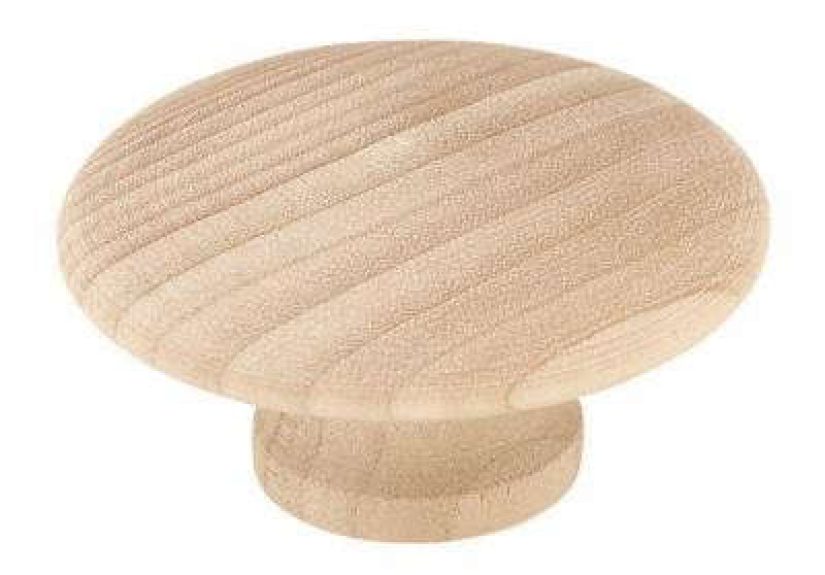
A round wooden cabinet knob is typically a small, circular handle made from solid wood (or occasionally a
wood composite) attached with a single machine screw through the cabinet door or drawer front. A “white birch”
version is usually:
- Solid birch (often paper birch or another birch species) sanded smooth and left natural, or
- Finished to look light (clear coat that keeps it pale, whitewash, or paint) while still showing grain.
In design terms, this knob sits in the sweet spot between “minimalist” and “cozy.” Metal hardware can feel sleek;
birch adds warmth without turning your cabinets into a log cabin.
Why Birch Works So Well for Cabinet Hardware
1) Birch is strong enough for daily use
Birch is widely used in cabinetry and furniture because it machines well, sands smoothly, and holds up under everyday wear.
It’s not the hardest wood on Earth, but it’s far from delicate. In practical terms: it can handle thousands of
open-and-close cycles without looking like it lost a fight with a belt sander.
2) The grain is subtle (aka: it plays nicely with others)
Birch grain tends to be fine and even, which means it won’t dominate your cabinet style. If you want the hardware to
complement the space rather than audition for a leading role, birch is a great choice.
3) It’s easy to customize
Birch takes a finish wellespecially clear coats and lighter stainsso you can match your knobs to your cabinets or make them
a gentle contrast. Want a “barely-there” natural knob on white Shaker cabinets? Great. Want a slightly warmer tone on greige
cabinetry? Also great. Birch is flexible like that.
Design Styles That Love White Birch Round Knobs
Scandinavian and Japandi
Light wood + simple shapes + calm colors = the design equivalent of a deep breath. A white birch round knob fits naturally
with flat-panel or Shaker fronts, matte finishes, and minimal ornamentation.
Modern farmhouse (the “clean” version)
If your farmhouse style leans more “fresh linen” than “rusty wagon wheel,” birch knobs are an easy win. They soften black
fixtures and keep the room from feeling too sharp.
Coastal, airy, and cottage
Light birch reads bright and breezy. It pairs beautifully with soft blues, warm whites, and natural textures like rattan or
woven shadeswithout screaming “beach theme” like a rope mirror might.
Kid-friendly and rental-friendly updates
Swapping hardware is one of the quickest ways to change a room without demolition drama. Wooden knobs also tend to feel
warmer to the touch than metalespecially in chilly climates or overzealous air conditioning.
Choosing the Right Size and Shape
Most round cabinet knobs range roughly from about 1 inch to 1.5 inches in diameter, though larger statement knobs exist.
Size affects both comfort and style:
- Small (around 1″): understated, clean, great for smaller doors or a subtle look.
- Medium (around 1.25″): a comfortable “default” for many kitchens and vanities.
- Larger (1.5″+): bold and modern, better for large drawers or tall pantry doors.
Also consider the profile. A perfectly spherical knob looks playful and modern. A slightly flattened “mushroom” or “disc”
shape can feel more contemporary and can be easier to grip.
Finish Options: Natural, Whitewashed, or Sealed?
The finish is where you decide how your knob behaves in real lifebecause kitchens and bathrooms are basically humidity
obstacle courses.
Natural (unfinished) birch
Unfinished birch looks soft and organic, but it will absorb oils from hands and cooking residue over time. This can create
a “patina,” which is a fancy design word for “this knob has a life story.” If that’s your vibe, go for it.
If not, seal it.
Clear-coated birch
A clear finish (like a water-based polyurethane) helps protect against stains and makes cleaning easier. Water-based
finishes tend to keep birch lighter than many oil-based finishes, which can warm (or yellow) the tone.
Whitewash or paint
If you want the “white birch” look regardless of the base wood tone, a whitewash or opaque paint can get you there.
Just make sure it’s durable enough for frequent handling, and consider a protective topcoat for longevity.
Staining birch: the blotch factor
Birch can stain unevenly (blotching) because of variations in density across the grain. If you plan to stain birch knobs,
using a pre-stain wood conditioner first can help you get a more even finish. This is especially helpful if you’re aiming
for a light, consistent tone rather than a “rustic surprise pattern.”
Where White Birch Knobs Work Best (and Where You Should Be Cautious)
Great uses
- Kitchens with light or warm-neutral palettes
- Bathrooms when knobs are sealed for moisture resistance
- Built-ins (bookshelves, mudroom cubbies, media cabinets)
- Dressers and nightstands for a soft, modern look
Be cautious in these situations
- High-splash zones (near sinks) if knobs are unfinished
- Heavy-use drawers (trash pullouts, pot drawers) if the knob is very small or slick
- Commercial spaces where metal may outlast wood under constant traffic
The fix is usually simple: choose a slightly larger knob, pick a grippier profile, and use a durable sealant.
Installation Basics: Getting That “Pro” Look Without a Pro Budget
Installing knobs is beginner-friendly, but accuracy matters. The difference between “high-end custom kitchen” and
“I drilled this while holding a sandwich” can be about two millimeters.
What you’ll need
- Drill
- Measuring tape or ruler
- Pencil
- Level (optional but helpful)
- Cabinet hardware jig or template (highly recommended for consistency)
- Correct screws (most cabinet knobs use standard machine screws)
Common placement guidelines (that look good and feel good)
Many installers place cabinet door knobs a consistent distance from the corner/edge. A frequently used approach is around
2.5 to 3 inches from the corner on doors, with the knob set roughly about 1 inch in from the
door edge (or frame) on the side opposite the hinges. The key is consistency: once you choose a placement, repeat it
everywhere for visual rhythm.
Step-by-step: installing a single knob
- Decide placement (and test it with painter’s tape if you want a preview).
- Mark the hole carefullymeasure twice, drill once, celebrate later.
- Drill a clean hole straight through the door/drawer front (use a backing board to reduce tear-out).
- Insert the screw from the back and thread it into the knob.
- Tighten snuglyfirm, not “I’m trying to win a strength contest with wood.”
Screw length matters more than people expect
Cabinet doors and drawer fronts vary in thickness, so you may need different screw lengths.
If the screw is too long, the knob won’t tighten; too short, and the knob won’t grab enough threads.
Many cabinet knobs use #8-32 threaded machine screws, and hardware suppliers commonly sell them in multiple lengths
so you can match your specific door/drawer thickness.
Care and Maintenance: Keeping Birch Knobs Looking Fresh
Wood knobs are low maintenance, but they’re not “never think about it again” maintenance. Here’s the simple routine:
- Weekly: wipe with a slightly damp, soft cloth; dry immediately.
- Skip harsh cleaners: strong degreasers can dull or damage finishes over time.
- For unfinished knobs: expect gradual darkening where hands touch most; it’s normal.
- Once in a while: check for looseness and re-tighten gently.
If you want extra protection, a clear topcoat can reduce staining from cooking oils and hand lotion (because yes, even your
lavender hand cream has a side hustle as a stain agent).
Pairing White Birch Knobs With Cabinet Colors and Materials
White cabinets
Birch knobs add subtle contrast and stop all-white cabinetry from feeling flat. It’s a soft, tonal lookclean, but not sterile.
Warm neutrals (greige, beige, taupe)
White birch blends beautifully with warm neutrals. If your cabinets lean beige, birch feels intentional, not accidental.
Moody colors (navy, forest green, charcoal)
Light birch creates a crisp pop against darker cabinetry. It’s a great way to add warmth without going shiny or metallic.
Mixed materials
If your kitchen mixes wood shelves, quartz counters, and matte black fixtures, birch knobs can act as the “bridge” element
that makes everything look coordinated instead of collected at random.
How to Spot Quality When Shopping
- Solid wood (not a thin veneer) for durability and refinishing potential
- Smooth sanding with no sharp edges or splinters
- Consistent finish if sealed or painted (no sticky spots, drips, or uneven sheen)
- Comfortable gripyour hand should like it as much as your eyes do
- Included hardware (and ideally multiple screw lengths)
If you’re ordering online, look for clear dimensions (diameter and projection). Projection is how far the knob sticks out,
and it affects comfortespecially if you’re opening drawers while holding something (like a pot of pasta or a determined cat).
Real-World Experiences With White Birch Round Cabinet Knobs (Extra )
When people choose a white birch round cabinet knob, they’re usually chasing a very specific feeling:
“I want my kitchen to look calmer than my life.” And honestly, knobs can help. In remodel forums, DIY blogs, and home
projects shared online, a few patterns show up again and againespecially with light wood hardware.
Experience #1: The ‘small change, big mood’ upgrade. A common story goes like this: someone has perfectly
fine cabinets, but the hardware is tired (or worse, shiny brass from a previous decade that refuses to apologize).
They swap in birch knobs and suddenly the room feels lighterless “builder basic,” more “I meant to do this.” Because birch
reads natural, it tends to make paint colors look richer and more intentional. White cabinets feel warmer. Dark cabinets feel
more designer. And the best part is you didn’t have to sand a single cabinet door for eight hours while questioning your choices.
Experience #2: The finish decision becomes a personality test. People who go with unfinished birch often
love the idea of patina: the knobs slowly deepen in tone where they’re touched most, and the kitchen develops that “lived-in”
character. People who seal them prefer the “stay pretty, stay clean” approach. Both camps are correct; they just have different
relationships with chaos. If you cook a lot with oils and spices, sealing usually wins for easy wipe-downs. If the kitchen is more
“coffee, toast, and vibes,” unfinished can age beautifully.
Experience #3: Installation is easyuntil it isn’t. Many DIYers report that drilling one knob is simple,
drilling thirty is where the plot thickens. Consistent placement is what makes hardware look expensive, and it’s also
what turns a Saturday project into a lesson in patience. That’s why so many people end up recommending a hardware jig after the
fact. The jig isn’t glamorous, but it’s the difference between “aligned” and “close enough if you don’t stare directly at it.”
The good news: once you pick a measurement and stick to it, the results look clean and professional.
Experience #4: The comfort surprise. A round wood knob feels different than a metal knobwarmer, slightly softer
in perception, and less “cold coin in winter.” People often comment that it’s especially nice in bathrooms and bedrooms where you
don’t want that icy metal touch first thing in the morning. And for households with kids, the rounded shape can feel friendlier
than sharper-edged modern pulls. (Not a substitute for supervision, of coursejust one less thing to bump into at full toddler speed.)
Experience #5: The ‘now everything else looks outdated’ effect. This is the funniest and most predictable
side effect: once the knobs look good, suddenly the light fixture is “a problem,” the faucet is “questionable,” and the paint
color is “not living up to its potential.” Consider yourself warned. Cabinet knobs are tiny gateway projects. They invite you to
imagine what else could be betterand they do it while being one of the most budget-friendly updates in the room.
Bottom line: white birch round knobs tend to deliver a high return on effort. They’re simple, natural, and quietly stylishlike
the friend who shows up on time, brings snacks, and never asks you to help them move.