Table of Contents >> Show >> Hide
- What Is a UPS, Exactly?
- Why You Should Use an Uninterruptible Power Supply
- Where a UPS Makes the Biggest Difference
- Understanding the Main Types of UPS Systems
- Why Pure Sine Wave Matters More Than People Think
- How to Choose the Right UPS
- Common Mistakes People Make with UPS Units
- Is a UPS Worth It?
- Real-World Experiences: What Using a UPS Actually Feels Like
- Conclusion
- SEO Tags
Power outages have an incredible sense of timing. They never show up when you are casually browsing cat videos or reorganizing your desktop for the tenth time. No, they arrive right when you are saving a contract, updating a spreadsheet, joining a meeting, or finally beating that boss fight you definitely did not spend three evenings learning. That is exactly why an uninterruptible power supply, better known as a UPS, deserves a place in your home office, gaming setup, or small business.
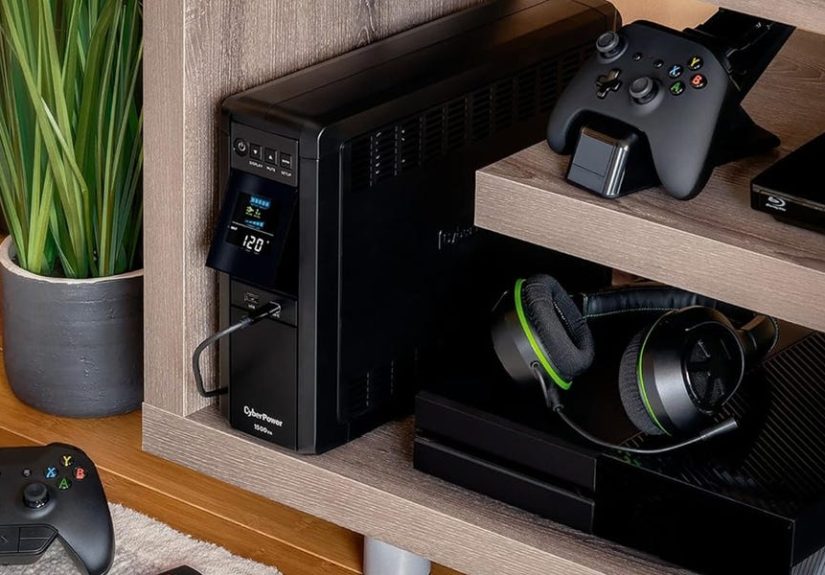
A UPS is not just a fancy power strip with a battery and a superiority complex. It is a practical piece of gear that gives your devices temporary battery backup when electricity drops, surges, or disappears altogether. Depending on the model, it can also help regulate voltage, reduce the impact of brownouts, and protect sensitive electronics from unstable power. In plain English, it buys you time, protects your equipment, and saves your sanity.
If you work from home, run a small business, manage a network closet, stream, game, edit videos, or simply hate losing unsaved work, using a UPS battery backup is one of the smartest low-drama upgrades you can make. Think of it as insurance for the moments when your wall outlet decides to become unreliable.
What Is a UPS, Exactly?
A UPS is a device that sits between your electronics and the wall outlet. Under normal conditions, it passes power through to your equipment. If the incoming power fails or becomes unstable, the UPS switches to battery power almost immediately. That fast handoff is the whole point. Your computer, router, modem, monitor, NAS, or server keeps running long enough for you to save your work, shut down safely, or ride through a short outage without interruption.
This is what separates a UPS from a regular surge protector. A surge protector helps defend against excess voltage spikes. A UPS does that and provides battery backup. So when the lights blink, your gear does not instantly face-plant.
Why You Should Use an Uninterruptible Power Supply
1. It Helps Prevent Data Loss
The most obvious reason to use a UPS is also the most persuasive: it helps you avoid losing important work. If your desktop computer suddenly shuts off during a power outage, you could lose unsaved documents, corrupt open files, interrupt updates, or damage a task that was mid-process. That can be annoying when it is a homework file. It can be expensive when it is payroll, client work, code, surveillance footage, or business records.
A good battery backup for a computer gives you a crucial window to save what you are doing and shut down properly. Even a few minutes can be enough to avoid hours of cleanup. Your future self will be grateful, and considerably less dramatic.
2. It Protects Sensitive Electronics from Dirty Power
Power problems are not limited to total blackouts. Brownouts, brief sags, line noise, and voltage fluctuations can be just as annoying and, in some cases, more damaging over time. Sensitive devices such as desktop PCs, network gear, gaming consoles, external drives, and small servers prefer clean, stable power. They are not built to enjoy surprise voltage gymnastics.
Many modern UPS models include Automatic Voltage Regulation, often called AVR. This feature helps correct low or high voltage conditions without constantly switching to battery. That matters because the issue in your building may not be a full outage. It may be power that sags every time the air conditioner kicks on, or power that flickers during storms. A UPS with AVR helps smooth that out, which can reduce stress on your equipment and keep devices running more reliably.
3. It Keeps Your Internet Alive During Short Outages
If you have ever lost power and immediately realized your laptop battery was fine but your Wi-Fi was dead, welcome to the modern tragedy. Many people assume their laptop alone is enough for outage protection. Then the modem and router shut off, and suddenly that “I can keep working” plan collapses like a lawn chair in a windstorm.
A UPS can keep your modem, router, mesh node, and even a VoIP phone running during short outages. That means you can stay connected long enough to finish a video call, send the file, back up data, or at least tell your boss that the outage is real and not your new favorite excuse. For remote workers, students, and households that rely on internet-based communication, this is a major reason to use one.
4. It Supports Safe Shutdowns for Desktops, NAS Devices, and Servers
Unlike laptops, many essential devices do not have internal batteries. Desktop PCs, network-attached storage, home lab gear, security systems, and server equipment can all be vulnerable during sudden power loss. A UPS gives these systems time to shut down properly instead of crashing out mid-operation.
Some UPS models also work with management software, allowing connected systems to begin an automatic shutdown if the battery reaches a certain threshold. That is especially useful for small offices, creative professionals, and anyone running storage hardware that really prefers not to be unplugged by surprise.
5. It Can Reduce Hardware Stress and Unexpected Reboots
A UPS is not a magic shield that makes electronics immortal. Nothing short of mythology can do that. But it can reduce the kind of abrupt power interruptions that cause stress, failed restarts, corrupted firmware updates, and random system behavior. If your computer has ever rebooted after a quick flicker and then behaved like it just woke up confused in another dimension, unstable power may have been part of the story.
Cleaner input power and a controlled shutdown process can help extend the useful life of your setup, or at least reduce the number of weird issues that send you down a three-hour troubleshooting rabbit hole.
Where a UPS Makes the Biggest Difference
You do not need a giant server room to benefit from a UPS. In fact, some of the best use cases are surprisingly ordinary.
- Home offices: Protect desktop PCs, external drives, monitors, and internet equipment.
- Remote work setups: Keep the modem and router alive so your workday does not end because the neighborhood transformer had feelings.
- Gaming stations: Prevent sudden shutdowns during downloads, updates, or long sessions.
- Small businesses: Protect point-of-sale systems, routers, switches, workstations, and entry-level servers.
- Creative workstations: Safeguard editing projects, audio sessions, and rendering jobs that do not appreciate abrupt endings.
- Home networking and storage: Keep NAS devices and network gear stable during brief outages.
- Security systems: Help cameras, recorders, and networking equipment stay operational for short interruptions.
Understanding the Main Types of UPS Systems
Not every UPS works the same way. Choosing the right one matters because different environments need different levels of protection.
Standby UPS
This is often the most affordable option. It passes utility power through under normal conditions and switches to battery when a problem occurs. A standby UPS can work well for basic home electronics and simple desktop use, especially in places with reasonably stable power.
Line-Interactive UPS
This is the sweet spot for many home offices and small businesses. A line-interactive UPS typically includes AVR, which helps correct voltage dips and spikes without draining the battery every time the power acts suspicious. For many users, this is the best balance of cost, performance, and everyday practicality.
Online Double-Conversion UPS
This is the heavyweight option for highly sensitive or critical equipment. It continuously converts incoming power and delivers a very clean output, making it ideal for servers, medical equipment, professional IT setups, and environments where power quality is mission-critical. It costs more, but it offers the highest level of protection.
Why Pure Sine Wave Matters More Than People Think
Here is where shopping for a UPS gets slightly nerdy, but in a useful way. Some modern computers and gaming systems use power supplies that work best with a pure sine wave UPS, especially systems with Active PFC power supplies. If the UPS battery output is not a good match, some devices may act unpredictably during battery mode.
That does not mean every user needs the most expensive model on the shelf. It does mean you should check compatibility if you are protecting a newer desktop PC, workstation, gaming rig, or high-end AV setup. Spending a little more on the right waveform can save you from buying a UPS that technically works but behaves like a very polite inconvenience.
How to Choose the Right UPS
Start with Watts and VA
UPS models are usually rated in VA and watts. The simple version is this: your equipment’s power draw must stay within the UPS’s watt capacity, and the VA rating helps describe the overall load it can support. Do not guess. Add up the wattage of the devices you actually need on battery backup.
Decide What Truly Needs Backup
You do not need to plug every gadget into the battery-backed outlets. Prioritize the essentials: desktop tower, main monitor, router, modem, switch, NAS, or small server. Devices like laser printers, heaters, and other high-draw equipment are usually bad candidates for battery-backed outlets because they can overload a consumer UPS fast.
Think About Runtime, Not Just Capacity
A bigger UPS does not just support more load. It can also provide longer runtime at a given load. Ask yourself what you need the UPS to do. Do you just want five minutes to save work and shut down? Or do you need 20 to 30 minutes to keep networking equipment online and finish tasks calmly? Capacity without realistic runtime planning is how people end up disappointed.
Look for Useful Features
Helpful extras include AVR, LCD status screens, replaceable batteries, USB communication, network management, alarm controls, and automatic shutdown software. For home users, these may feel optional until the first real outage. Then suddenly an easy-to-read screen and a low-battery warning sound like excellent ideas.
Common Mistakes People Make with UPS Units
- Buying only by price: The cheapest model may not support your actual load.
- Ignoring wattage: If your equipment exceeds the UPS rating, the backup time may be terrible or the unit may not support the load at all.
- Plugging in too much: A UPS is not a party bus for every device in the room.
- Skipping battery replacement: UPS batteries age. If you never check them, your “backup” may become decorative.
- Forgetting the network gear: Protecting your PC without the router is like packing an umbrella with no pants. You solved only part of the problem.
- Choosing the wrong waveform: Sensitive or Active PFC systems may do better with pure sine wave output.
Is a UPS Worth It?
In many cases, yes. A UPS is usually far cheaper than the cost of lost work, corrupted files, damaged hardware, interrupted sales, missed deadlines, or downtime that wrecks productivity. You may never think about the unit on an ordinary day, and that is actually the point. It sits there quietly doing its job until the moment it becomes the smartest device in the room.
For home users, a UPS can protect a computer setup and keep internet gear alive long enough to stay productive. For small businesses, it can protect core networking, point-of-sale systems, and basic servers. For anyone handling important digital work, it adds a layer of resilience that feels small when you buy it and huge when the power fails.
Real-World Experiences: What Using a UPS Actually Feels Like
Specs are helpful, but experience is what makes people swear by a UPS forever after one good save. Ask around and you will hear the same theme again and again: nobody gets excited about battery backup until the exact day it saves something important.
One of the most common experiences happens in a home office. Someone is halfway through a client call, the lights blink, and the neighborhood loses power. Without a UPS, the desktop shuts off, the router dies, the call drops, and the rest of the day becomes an apology tour. With a UPS, the screen stays on, the internet holds, and there is enough time to wrap up the meeting or switch plans without total chaos. That tiny buffer feels much bigger in the moment than it does on a product box.
Students have a similar story. A UPS is not glamorous, but it is wonderfully practical when a paper is unsaved, a browser has seventeen tabs open, and campus housing power decides to go on an adventure. A few backup minutes can mean the difference between “I submitted on time” and “my professor is about to receive a very creative email.”
Gamers also learn the value fast. It is not just about keeping the game running for a few extra minutes. It is about avoiding abrupt shutdowns during downloads, patches, system updates, or storage writes. Nobody wants to spend the evening reinstalling things because the lights flickered at the worst possible second. A UPS will not make you better at the game, but it can absolutely prevent a power blip from deleting your mood.
Then there are the people with network gear, smart home devices, or a small NAS. These users often discover that short outages are less about total darkness and more about annoying resets. When everything restarts at once, internet service can take several minutes to return, devices reconnect unpredictably, and storage hardware has to recover from an unsafe shutdown. A UPS smooths out that whole chain reaction. It turns a jarring interruption into a manageable pause.
Small business owners tend to talk about UPS units with the kind of respect usually reserved for locksmiths and coffee. One short outage can interrupt checkout, disconnect phones, knock a modem offline, and stop work across multiple desks. Even if the battery only holds for ten minutes, that may be enough to save transactions, close out records, and keep staff from staring helplessly at dark screens. In business, orderly failure is often far better than sudden failure.
There is also a psychological benefit that people rarely mention until after they live with one. Once a UPS is in place, power flickers become less dramatic. You stop panicking every time thunder rolls or the lights dim for half a second. There is comfort in knowing your devices have a safety net, even if it is only there to buy time.
Of course, real experience also teaches a few lessons. People learn quickly that a UPS is not a generator, not an all-day battery station, and not a magic solution for plugging in every appliance you own. They learn to prioritize essentials, test the unit occasionally, replace aging batteries, and leave power-hungry devices off the battery-backed outlets. In other words, a UPS works best when you treat it like a tool instead of a miracle.
Still, the most consistent real-world reaction is simple: once a UPS saves a computer, a file, a router, a call, or a business workflow even once, it stops feeling optional. It becomes one of those purchases people wish they had made sooner. Quiet, boring, dependable, and unexpectedly heroic when the lights go out. That is a pretty strong résumé for a box that mostly just sits under a desk.
Conclusion
If you use electronics for work, school, entertainment, communication, or business, a UPS is not overkill. It is practical preparedness. It helps protect your devices from outages and unstable power, gives you time to save your work, keeps key network gear online, and makes shutdowns safer and less chaotic. Whether you choose a simple desktop unit or a more advanced line-interactive or online model, the value is easy to understand the first time the power cuts out and your setup stays calm.
In a world where nearly everything important lives on a screen, a UPS battery backup is a smart way to add resilience without adding much hassle. It is not flashy. It is not trendy. It will never be the star of your desk setup photo. But when the power disappears and your work does not, it suddenly becomes the most impressive thing you own.