Table of Contents >> Show >> Hide
- First: Is It Really “Sewage,” or Just “Old Dinner”?
- Why Your Dishwasher Smells Like Sewage
- 1) A Dirty Filter (AKA the “Food Museum” at the Bottom)
- 2) Gunk in the Sump, Drain Area, or Hidden Crevices
- 3) Backflow from the Sink or Garbage Disposal
- 4) No High Loop (or a Sad, Droopy High Loop)
- 5) A Dirty Air Gap (If You Have One)
- 6) Standing Water (Normal… Until It Isn’t)
- 7) Door Gasket Grime and Mildew
- 8) Too Many Low-Temp Cycles + Grease Buildup
- 9) A Bigger Plumbing Issue (Vent or Trap Problems)
- 10-Minute Diagnosis: Follow the Stink (Like a Very Unfun Detective)
- How to Fix It: The Step-by-Step DIY Playbook
- Step 0: Safety First (Because We Like Eyebrows)
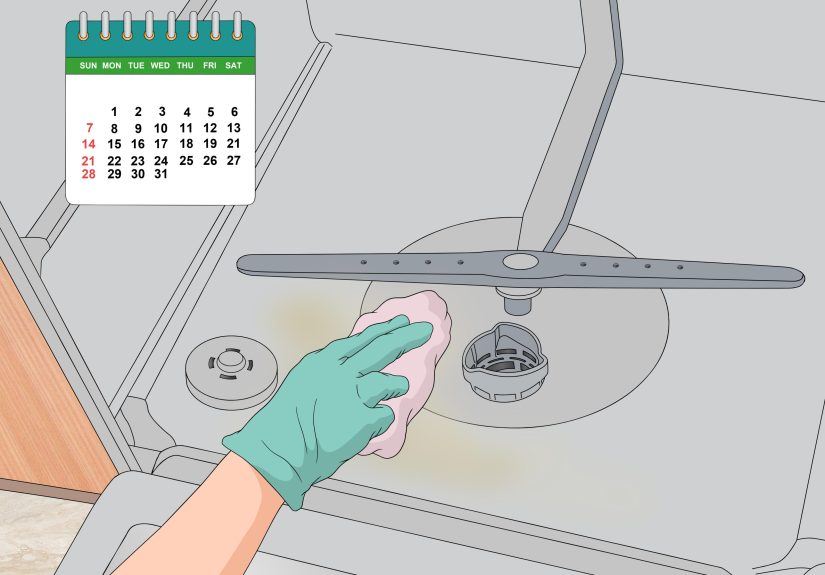
- Step 1: Clean the Filter Thoroughly
- Step 2: Clean the Spray Arms (They Can Hold Funk Too)
- Step 3: Scrub the Door Seal and Bottom Edge
- Step 4: Run a Vinegar Cycle (Then Baking SodaNot Together)
- Step 5: Check the Drain Path Under the Sink
- Step 6: De-stink the Garbage Disposal and Sink Drain
- Step 7: Clean the Air Gap (If You Have One)
- Step 8: When to Call a Pro
- Quick Troubleshooting Table
- How to Keep the Smell from Coming Back
- FAQ
- Conclusion
- SEO Tags
There are few household betrayals more personal than opening your dishwasher and getting hit with a smell that says,
“Hello, I would like to speak to you about your home’s plumbing choices.”
If the odor reminds you of sewage (or that unmistakable “public restroom at a baseball stadium” vibe), don’t panic
your dishwasher isn’t trying to become a septic tank. It’s usually reacting to one of a handful of fixable issues:
trapped food, funky drainage, or plumbing gases sneaking in where they don’t belong.
This guide walks you through the real reasons dishwashers smell like sewage, how to diagnose the culprit fast,
and the most effective DIY fixesplus how to keep that stench from returning like a bad sequel.
First: Is It Really “Sewage,” or Just “Old Dinner”?
Not all bad dishwasher smells are created equal. Identifying the type of stink helps you pinpoint the cause:
- Rotten, sewer-ish, “gas” smell: often linked to drain backflow, venting issues, or a trap problem.
- Fishy / sour garbage smell: usually decomposing food trapped in the filter, sump, or spray arms.
- Musty / mildewy smell: moisture + grime on the door gasket, corners, or detergent dispenser.
- Rotten-egg-ish smell: can be bacteria in plumbing/drain buildup (sometimes associated with sulfur odors).
Here’s the key clue: if the odor is strongest when the dishwasher drains (or right after a cycle),
that often points to a drainage or plumbing pathway issuenot just a dirty interior.
Why Your Dishwasher Smells Like Sewage
1) A Dirty Filter (AKA the “Food Museum” at the Bottom)
Modern dishwashers commonly use filters to catch food particles so they don’t redecorate your pump and drain line.
Over time, those particles collect, soften, rot, and create odors that can smell downright… municipal.
If you haven’t cleaned your filter lately, your dishwasher may be running a tiny compost bin under the lower rack.
2) Gunk in the Sump, Drain Area, or Hidden Crevices
Even if your filter looks “fine,” grime can build up in the sump area beneath it, along the bottom lip of the door,
and in the corners where water likes to loiter. Food + grease + warm water = a buffet for odor-causing bacteria.
3) Backflow from the Sink or Garbage Disposal
In many homes, the dishwasher drain hose connects to the garbage disposal or sink drain plumbing.
If the sink drain line is dirty, partially clogged, or the disposal is funky, odor can migrate back toward the dishwasher.
Worse: dirty sink water can flow backward into the dishwasher if the drain setup is incorrect.
4) No High Loop (or a Sad, Droopy High Loop)
Your dishwasher drain hose should be routed up as high as possible under the countertop before dropping down to the drain connection.
This “high loop” helps reduce the chance of wastewater flowing back into the dishwasher and can help keep the hose from holding stinky water.
If the hose sags low in the cabinet, it becomes a cozy water hammockand stagnant water is basically odor perfume.
5) A Dirty Air Gap (If You Have One)
Some kitchens have a small cylinder near the sink faucet called an air gap.
It’s designed to prevent backflow into the dishwasher. Helpful? Yes. Also a place where gunk can collect? Also yes.
When it’s dirty, it can smell like sewer gas and announce itself dramatically when the dishwasher drains.
6) Standing Water (Normal… Until It Isn’t)
A small amount of water in the filter area after a cycle can be normal in many dishwashers.
But if you’re seeing excessive water, cloudy/dirty water, or water that smells terrible, drainage is likely compromised.
That can come from a clogged filter, obstructed drain path, kinked hose, blocked disposal connection, or a drain issue in the plumbing.
7) Door Gasket Grime and Mildew
The rubber door seal is supposed to keep water in. Unfortunately, it also keeps moisture inand moisture loves to trap residue.
A slimy gasket can produce a musty funk that blends with food smells into something your nose interprets as “sewage-adjacent.”
8) Too Many Low-Temp Cycles + Grease Buildup
Energy-saving cycles are great for your utility bill, but if you always run cooler cycles, grease and biofilm can build up over time.
That buildup becomes a long-term odor source, especially in the filter, spray arms, and drain pathway.
9) A Bigger Plumbing Issue (Vent or Trap Problems)
True sewage smell can come from plumbing gases that aren’t being properly blocked or vented.
If your kitchen sink drain has venting problems, pressure changes during draining can cause odors to appear.
This is more likely if the smell shows up from the sink area when the dishwasher drains, or if multiple drains in the house smell at once.
10-Minute Diagnosis: Follow the Stink (Like a Very Unfun Detective)
-
Smell test timing: Does it stink most when draining? Or just when you open the door after dishes sit?
Draining stink often points to drain/vent/backflow issues; “door open” stink often points to filter/gasket/sump grime. -
Check the filter area: Pull the bottom rack out. Remove the filter (see your manual).
If it looks like a science fair project, congratulationsyou found a major suspect. - Look for standing water: A little may be normal; a lot (especially dirty) suggests draining trouble.
- Sniff the sink/disposal: If the sink drain smells the same as the dishwasher, the issue may be shared plumbing.
- Peek under the sink: Is the drain hose looped high under the counter, or is it lounging low like it pays rent?
- Air gap check (if present): If the smell seems to come from the air gap area during draining, it likely needs cleaning.
How to Fix It: The Step-by-Step DIY Playbook
Step 0: Safety First (Because We Like Eyebrows)
- Turn off the dishwasher and let it cool if it just ran.
- Wear gloves (filters can be… emotionally challenging).
- Never mix cleaning chemicals (especially bleach and ammonia).
- Check your owner’s manual before using harsh cleaners.
Step 1: Clean the Filter Thoroughly
- Remove the bottom rack.
- Twist/lift out the filter assembly (method varies by model).
- Rinse under hot water. Use a soft brush (like an old toothbrush) for stuck-on gunk.
- Wipe the area where the filter sitsgrime likes to hide there.
- Reinstall the filter securely (a loose filter can reduce cleaning performance).
Pro tip: If you find chunks of food, labels, or mystery debris, remove it before running any cleaning cycle.
Vinegar can’t dissolve a macaroni wedge that’s determined to live forever.
Step 2: Clean the Spray Arms (They Can Hold Funk Too)
If spray arm holes clog with food or mineral deposits, water circulation suffersand stagnant zones start smelling.
Remove the spray arms if your model allows it. Rinse and clear holes gently with a toothpick or soft tool.
Step 3: Scrub the Door Seal and Bottom Edge
Open the door and inspect the rubber gasket and the bottom lip/edge of the door.
Wipe with warm, soapy water. Get into folds and corners where residue builds up.
This is a top spot for “musty + old food” odors that mimic sewage.
Step 4: Run a Vinegar Cycle (Then Baking SodaNot Together)
- Empty the dishwasher.
- Place a dishwasher-safe bowl or measuring cup with white vinegar on the top or lower rack (depending on your model’s guidance).
- Run a hot cycle (skip heated dry if recommended by your source/manual for this method).
- After that cycle finishes, sprinkle about 1 cup of baking soda across the bottom of the tub.
- Run a short hot cycle to deodorize and freshen.
The vinegar helps break down greasy film and mineral buildup; the baking soda helps neutralize odors and lift residue.
Doing them in separate cycles avoids the foam-festival effect of mixing them together.
Step 5: Check the Drain Path Under the Sink
If the smell is strongest when drainingor returns quickly after cleaningfocus under the sink:
- High loop: The drain hose should be secured high under the countertop before dropping down.
-
Garbage disposal connection: If the dishwasher drain hose connects to a disposal, confirm the disposal’s dishwasher inlet is open.
(New disposals often have a knockout plug that must be removedif it’s still there, drainage problems can follow.) - Kinks or dips: A kinked hose or a low dip can hold water and trap odor.
- Clogged sink drain: A slow kitchen drain can push smells (and sometimes water) back toward the dishwasher line.
Step 6: De-stink the Garbage Disposal and Sink Drain
If your disposal smells bad, your dishwasher can inherit that stink through the shared drain line.
Run cold water and operate the disposal to flush debris. Clean the rubber splash guard if you have one.
For deeper cleaning, follow safe, manufacturer-appropriate disposal cleaning methods (avoid anything that could damage the unit).
Step 7: Clean the Air Gap (If You Have One)
- Remove the air gap cap (it usually lifts off).
- Clean inside with a small brush or pipe cleaner.
- Rinse by running water down it (and/or run the dishwasher and watch for proper draining).
If the air gap overflows or smells strongly during draining, it can signal a clog in the drain line or disposal connection.
Step 8: When to Call a Pro
If you’ve cleaned the filter, interior, drain path, and verified the hose routing, but the odor still smells like true sewer gas,
it’s time to consider plumbing venting/trap issues or a deeper drain blockage. Call a plumber if:
- The smell appears in multiple fixtures (sink, dishwasher, nearby drains).
- You hear gurgling, see slow drains, or get recurring backups.
- The odor is strongest during draining even after you correct the drain hose routing and clean everything.
Quick Troubleshooting Table
| What You Notice | Most Likely Cause | Best DIY Fix | When It’s Not DIY |
|---|---|---|---|
| Smell when door opens; worse after dishes sit | Dirty filter / sump / gasket | Clean filter + gasket + vinegar/baking soda cycles | If odor persists after deep clean & drain checks |
| Smell spikes when dishwasher drains | Backflow / low drain hose loop / air gap gunk | Secure high loop; clean air gap; flush drain path | If plumbing vent/trap issue suspected |
| Sink/disposal smells similar to dishwasher | Shared drain funk or partial clog | Clean disposal + splash guard; clear drain; check hose routing | If drain remains slow or backs up |
| Standing dirty water after a completed cycle | Drain obstruction or hose kink | Clean filter; inspect hose and drain connection; check disposal inlet | If repeated clogs or internal pump issues |
| Musty odor, especially near the door | Mildew on gasket / damp interior | Wipe gasket; leave door cracked open between runs | If mold keeps returning rapidly |
How to Keep the Smell from Coming Back
- Clean the filter regularly: monthly is a solid baseline in many households (more often if you cook heavily).
- Scrape, don’t stuff: remove large food scrapsyour filter is brave, but not magical.
- Run hot water in the sink first: starting with hotter water can help break down grease early in the cycle.
- Use a monthly cleaning cycle: dishwasher cleaner or the vinegar-then-baking-soda routine can help prevent buildup.
- Leave the door slightly open: letting moisture escape reduces mildew growth.
- Watch your drain setup: keep that high loop high and the hose free of kinks and low dips.
FAQ
Should I use bleach to remove dishwasher odors?
Some manufacturers provide bleach-based guidance for mildew in certain situations, but bleach isn’t universally appropriate for every model or material.
Always check your owner’s manual first, and never mix bleach with other cleaners. When in doubt, start with gentler methods (filter cleaning + vinegar/baking soda cycles)
or use a manufacturer-recommended dishwasher cleaner.
Is vinegar safe for dishwashers?
Vinegar is commonly used for periodic cleaning to help dissolve film and neutralize odors, but you should use it occasionallynot constantly.
Follow a method that places vinegar in a container on a rack and runs an empty hot cycle. If your manual warns against it, follow your manual.
Why does it smell worse after I run the dishwasher?
Heat and water can “activate” smells trapped in filters, hoses, air gaps, and drain lines.
If the stink ramps up during draining, that’s a strong hint to inspect your drain hose routing, shared sink/disposal drain, and air gap.
Conclusion
A dishwasher that smells like sewage is usually telling you one of two stories:
“I’m dirty inside” (filter, sump, gasket, spray arms) or “my drain pathway is questionable”
(hose routing, backflow, air gap, disposal/sink drain funk, or plumbing venting issues).
The good news: most cases are fixable with a thorough clean and a few under-sink tweaksno exorcist required.
Start with the basics: clean the filter and door seals, then run a vinegar cycle followed by a baking soda cycle.
If the smell is strongest when draining, investigate the high loop, air gap, disposal connection, and shared drain line.
And if you’ve done all that and it still smells like the city sewer is calling you collect, it’s time to bring in a plumber to check venting or deeper drain issues.
of Real-World Dishwasher Odor Experiences (So You Feel Less Alone)
Here’s what tends to happen in real homes: the smell shows up right when life gets busy. Someone runs a few quick loads,
dishes go in with “eh, it’ll rinse off,” and the dishwasher keeps doing its jobquietly collecting tiny leftovers like a very determined squirrel.
A week later, you open the door and get a blast of swampy funk. The first instinct is often to blame the detergent (“Maybe I bought the evil lemon scent?”),
but the real villain is usually the filter. In one common scenario, people swear they “don’t have a filter” because they’ve never seen one.
Once they discover the twist-out filter at the bottom (surprise!), the smell mystery solves itself in under ten minutesafter a brief emotional journey.
Another frequent experience: the dishwasher smells fine… until it drains. Homeowners describe a sudden sewage smell near the sink,
sometimes right at the air gap or disposal. This tends to happen after installing a new garbage disposal, changing plumbing under the sink,
or having the dishwasher moved for flooring work. Translation: the drain hose routing changed. When the high loop droops low,
water can hang out in the hose and turn nastyor sink water can sneak backward. The fix can be surprisingly simple:
secure the hose high under the countertop and flush the shared drain. People are often annoyed (understandably) that a problem this gross
can be caused by something as unglamorous as “a hose that’s too relaxed.”
Then there are the “I cleaned everything and it still stinks” cases. These usually fall into two buckets.
Bucket one: the disposal and sink drain are the real odor source. The dishwasher is basically a messenger, not the criminal.
Once the sink drain gets a proper cleaning and the disposal splash guard is scrubbed (those rubber flaps can hide a shocking amount of slime),
the dishwasher smell improves dramatically. Bucket two: the odor is actually sewer gas from a venting or trap issue.
In these stories, the smell may show up in other places toolike a gurgling sink or intermittent odors from nearby drains.
That’s the moment when DIY transitions into “call someone who owns professional tools and has seen worse.”
Finally, there’s a small but real group who discover the smell is a lifestyle pattern: constant low-temp cycles,
lots of greasy cookware, and a dishwasher that never gets a truly hot, empty cleaning run.
When they switch to a monthly maintenance routine (filter clean + cleaning cycle) and occasionally use a hotter wash,
the “sewage” smell stops making surprise appearances. The moral of these collective experiences?
Dishwashers don’t usually wake up one day and choose chaosodors build slowly, and a little preventative care keeps your kitchen from smelling like a plumbing documentary.