Table of Contents >> Show >> Hide
- Do marigolds survive winter? Here is the real answer
- Why marigolds struggle in winter
- When marigolds might make it longer than expected
- Can you overwinter marigolds indoors?
- How to protect marigolds from an early frost
- What to do with marigolds before winter arrives
- The smartest way to “save” marigolds for next year
- How different types of marigolds handle winter
- Common mistakes gardeners make with marigolds in winter
- So, should you try to keep marigolds alive through winter?
- Garden experiences: what winter really looks like for marigolds
- Conclusion
Marigolds are the golden retrievers of the flower bed: cheerful, reliable, easy to love, and somehow still adorable when they are a little scruffy by late fall. But once the weather turns, many gardeners start asking the same slightly dramatic question: Will my marigolds survive the winter, or am I about to witness a floral tragedy?
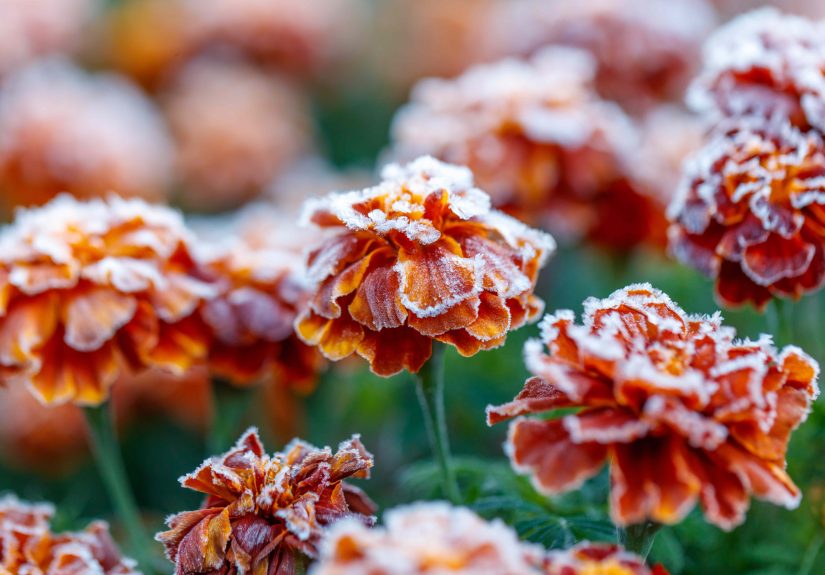
After comparing what gardeners in different climates actually see in their beds, containers, and borders, the verdict is pretty clear. In most of the United States, common garden marigolds do not survive winter outdoors. They are usually grown as tender annuals, which means frost is not a character-building experience for them. It is more of a final plot twist.
That said, the full answer is more interesting than a simple yes or no. Your climate, the kind of marigold you are growing, whether the plant is in the ground or in a pot, and whether you care more about saving the plant or saving the seeds all make a difference. Some gardeners can stretch the season with covers. Others can get volunteer seedlings next year. And in the warmest parts of the country, marigolds may keep blooming through winter like they own the place.
If you have ever wondered whether to protect, pull, replant, or just salute your marigolds and move on, here is what to know.
Do marigolds survive winter? Here is the real answer
For most gardeners, common marigolds will not survive a real winter freeze. Standard bedding marigolds, especially French marigolds, African marigolds, and signet marigolds, are generally treated as annual flowers. They thrive in heat, bloom hard through summer and fall, and then decline fast when frost arrives.
That is why marigolds are usually planted after the last frost in spring and enjoyed until the first hard frost in fall. They are built for warm-season color, not icy heroics. If you garden in a region with cold winters, you should expect your marigolds to finish their life cycle in one growing season.
Still, “won’t survive winter” does not always mean “instantly collapse the second the forecast gets moody.” In some gardens, marigolds can hang on through cool weather, especially if the cold is brief and the soil is not soggy. A chilly night is one thing. Repeated frosts or a hard freeze are another. Once temperatures stay low enough for long enough, marigolds usually turn dark, mushy, and unmistakably done.
Why marigolds struggle in winter
They are tender annuals, not cold-hardy flowers
This is the biggest reason. Some annual flowers, such as pansies and snapdragons, can handle light frost and keep going. Marigolds are not in that club. They are considered warm-season plants, so cold weather is already pushing them outside their comfort zone before a freeze ever shows up.
Frost damages both flowers and foliage
Marigold leaves and blooms are soft and moisture-rich, which is great for fast growth and nonstop flowering, but terrible for freezing weather. When frost hits, the plant’s tissues are damaged quickly. Even if the roots are still in the soil, the top growth often cannot recover well enough to be worth saving outdoors.
Cold, wet soil makes things worse
Marigolds prefer well-drained soil and generally tolerate dry conditions better than being overly wet. That matters in winter. A plant sitting in cold, soggy soil is more vulnerable to rot, decline, and general misery. In other words, winter is not just cold; it is often damp, and marigolds dislike that combination almost as much as gardeners dislike surprise hail.
When marigolds might make it longer than expected
In very warm climates
If you live in a frost-free or nearly frost-free region, marigolds can last much longer. In parts of Florida and similarly mild winter climates, some marigolds may continue blooming through winter, especially French marigolds. There, the question is less “Will they survive winter?” and more “Will summer heat or winter rain annoy them first?”
In sheltered microclimates
Plants growing near a warm wall, inside a protected courtyard, or under temporary row cover may outlast marigolds planted in a more exposed bed. These microclimates do not turn marigolds into perennials, but they can buy you extra weeks of bloom in late fall.
In containers you can move
Potted marigolds have one major advantage: portability. If a cold snap is brief, you may be able to move containers into a garage, enclosed porch, greenhouse, or other protected spot overnight. This will not usually keep marigolds thriving all winter indoors, but it can help you dodge an early frost and extend the season.
Through self-seeding, not plant survival
Sometimes gardeners say, “My marigolds came back,” when what really happened is that the original plants died, dropped seed, and new seedlings appeared later. That can happen in warm areas or in beds where spent blooms were left in place. So yes, you might see marigolds return next year, but usually as a new generation, not as the exact same plant toughing it out through winter like a botanical action hero.
Can you overwinter marigolds indoors?
You can try, but it is usually not the easiest or most rewarding plan. Marigolds are sun-loving annuals, and they generally do not perform especially well indoors over winter unless you can give them very bright light and decent growing conditions. Even then, they often get leggy, tired, or just generally unimpressed with the whole arrangement.
If your goal is simply to keep the color going for a few extra weeks, moving a container inside during a short cold spell can work. But if your goal is to preserve marigolds from fall to spring as healthy, vigorous plants, most gardeners will have better luck saving seeds and starting fresh next season.
That is the practical gardener’s answer: do not fight biology harder than necessary. Marigolds are easy from seed, fast to bloom, and inexpensive to replace. There are harder relationships in life, but there are few less stubborn than a marigold in January.
How to protect marigolds from an early frost
If you are only dealing with a brief cold snap, not full-on winter, you may be able to extend your marigold season with a few simple tricks.
Cover them before sunset
Use frost cloth, sheets, towels, or lightweight row cover material to trap warmth from the soil. The cover should be supported above the plant if possible rather than pressing directly on the blooms and leaves.
Move potted marigolds to shelter
Containers can be pulled into a garage, porch, shed, or other protected area overnight. Even a short move can save plants from a surprise early frost.
Remove covers during the day
Once temperatures rise above freezing, uncover the plants so they get air and light. Leaving heavy covers on too long can cause moisture buildup and stress the plants in a completely different way, because apparently gardening enjoys variety.
Do not expect miracles from mulch alone
Mulch is helpful for moderating soil temperature and protecting roots in many plants, but it does not make tender annual marigolds winter-hardy. It is a useful accessory, not a magic spell.
What to do with marigolds before winter arrives
Keep deadheading if you want more blooms now
Deadheading helps marigolds continue flowering because the plant does not shift its energy fully into seed production. If your priority is a colorful fall display, keep removing spent blooms regularly.
Stop deadheading if you want seeds for next year
If your priority is saving marigold seeds, let some flower heads mature and dry on the plant. The dried flower heads contain the long, slender seeds that are easy to collect once fully mature.
Pull declining plants after a hard freeze
Once marigolds are blackened and mushy after repeated frosts, it is time to remove them. Cleaning up old annuals helps tidy the bed and can reduce the chance of disease or pest issues lingering into the next season.
Compost healthy plants, discard diseased ones
If the plants were healthy, composting is fine. If they showed serious disease problems, bag and discard them instead of adding trouble to your compost pile.
The smartest way to “save” marigolds for next year
If you want marigolds again next year, the best strategy is usually seed saving.
Marigolds are among the easiest flowers to save seed from. Wait until the flower head is completely shriveled and dry. Then pull it apart and collect the thin black-and-tan seeds. Let them dry thoroughly indoors for a few days if needed, label them, and store them in a cool, dark, dry place. An airtight container works well.
There is one catch. If your marigolds were hybrids, the seedlings may not look exactly like the parent plant next year. They may still be lovely, but they can vary in size, flower form, or color. If you grew open-pollinated marigolds, your results are more likely to be consistent.
In spring, you can start seeds indoors several weeks before your last frost date or sow them outside once the soil has warmed and frost danger has passed. That is usually far more reliable than trying to nurse old plants through winter.
How different types of marigolds handle winter
French marigolds
These are often the most adaptable bedding marigolds and may perform especially well in warm climates. They are still usually grown as annuals in much of the U.S., but they can last longer in mild winter regions.
African marigolds
African marigolds are taller, bolder, and dramatic enough to act like they should come with theme music. They are excellent summer performers, but they are still tender annuals and usually finish with frost.
Signet marigolds
These are smaller, airy, and often grown for their fine-textured foliage and edible flowers. Their winter fate is basically the same story: great in warm weather, not built for freezing temperatures.
Plants with “marigold” in the name that are not the same thing
This is where gardeners get tripped up. Pot marigold is actually calendula, and some perennial plants also carry “marigold” in the common name. If your plant tag says Tagetes, you are likely dealing with the classic annual marigold story. If it says something else, the winter answer may be completely different.
Common mistakes gardeners make with marigolds in winter
Mistake #1: Assuming a little protection makes them winter-hardy.
Covering marigolds can help during a brief cold snap, but it does not convert them into cold-climate perennials.
Mistake #2: Overwatering in cool weather.
Marigolds do not love wet feet, and that becomes an even bigger issue when temperatures cool down.
Mistake #3: Saving seed too early.
If you collect seeds before the flower head is fully dry and mature, you may end up storing seeds that are not viable.
Mistake #4: Waiting too long to enjoy the flowers.
Gardeners sometimes stop deadheading too early because they are focused on seed saving. A better approach is to enjoy the blooms through early fall, then leave a few strong flowers to mature for seed later.
Mistake #5: Thinking “came back” means “survived.”
In many cases, self-sown seedlings are doing the comeback tour, not the original plant.
So, should you try to keep marigolds alive through winter?
Usually, no. At least not in the heroic, labor-intensive sense.
If you live in a cold-winter region, it is usually better to enjoy marigolds until frost, save seeds if you like, clear the plants after freeze damage, and start again next spring. If you live in a mild winter climate, you can experiment with keeping them going longer, especially in containers or protected spots.
Either way, marigolds are not a flower you need to overcomplicate. They are popular for a reason. They grow fast, bloom generously, tolerate heat, and ask for very little besides sun, decent drainage, and a gardener who occasionally remembers they exist.
That is a pretty solid resume.
Garden experiences: what winter really looks like for marigolds
To make this more practical, it helps to look at how marigolds typically behave in real gardens rather than in abstract plant charts. Once gardeners start comparing notes, the pattern becomes obvious.
In a colder northern garden, marigolds often look fantastic right up until they do not. A gardener in a place with a true fall frost may have healthy plants blooming through September and even part of October, especially during a mild stretch. Then one hard freeze arrives, and by the next morning the flower bed looks like it lost a bet. The blooms slump, the foliage darkens, and there is no realistic recovery. In that kind of climate, the most successful gardeners are usually the ones who do not try to rescue the plant itself. They collect seed from the best flowers, pull the spent plants, and make a note to start seeds indoors early next spring.
In a mid-range climate, the experience is a little less dramatic but follows the same script. Gardeners may get several chilly nights with no major damage. Marigolds keep blooming, maybe a little slower, maybe looking slightly less enthusiastic, but still pulling their weight in the border. Then a stronger freeze lands, and the season wraps up quickly. These gardeners often get the longest fall display by covering plants during short cold spells and uncovering them in the morning. It is a simple move, but it can stretch the color long enough to make the front bed look good through holiday-photo season.
Container gardeners usually report the most flexibility. A marigold in a pot can be scooted under cover, pulled onto a porch, or moved into a garage overnight. That does not mean the plant will live happily indoors all winter, but it can absolutely dodge a few early frosts. This is especially handy when the plant is still blooming beautifully and you are not emotionally ready for it to retire. And yes, gardening is partly horticulture and partly refusing to let go of a flower that is still giving main-character energy in late October.
In the warmest parts of the country, the story changes again. Gardeners in mild climates may find that marigolds cruise right through winter with surprisingly little drama, especially French marigolds. There, winter is not always the enemy. In fact, summer heat or excessive rain may be the bigger challenge. That is why one gardener’s “obviously annual” marigold is another gardener’s “still blooming by New Year’s” surprise.
Then there is the seed-saving crowd, who are arguably having the smartest marigold experience of all. Instead of fighting winter, they use the end of the season as an opportunity. They let a few flower heads dry, collect the seeds, label them, and tuck them away. By spring, they are ready to start a fresh batch of marigolds that are often better timed, bushier, and more vigorous than anything they could have limped through indoors. So if your marigolds do not survive winter, that is not really failure. It is just the normal marigold business model: bloom big, bow out, leave seed, repeat.
Conclusion
If you are growing standard bedding marigolds, the honest answer is that they usually will not survive winter outdoors in most of the United States. They are tender annuals, and frost is usually their final curtain call. But that does not mean you are out of luck. You can protect them from brief cold snaps, extend the season in containers, and most importantly, save seeds for next year.
For most gardeners, that is the sweet spot: enjoy the blooms while they last, do not panic when winter wins, and let marigolds do what they do best: come back next season with very little fuss and a lot of color.