Table of Contents >> Show >> Hide
- What Is a Wood-Slat Single Lounger?
- Why This Lounger Style Works So Well Outdoors
- Best Woods for a Wood-Slat Single Lounger
- How to Choose the Right Wood-Slat Single Lounger
- How to Style a Wood-Slat Single Lounger
- Care and Maintenance Tips
- Common Mistakes to Avoid
- Who Should Buy a Wood-Slat Single Lounger?
- Experience Notes: What Living With a Wood-Slat Single Lounger Actually Feels Like
- Final Thoughts
If your patio currently looks like it is waiting for personality to arrive by mail, a wood-slat single lounger might be the upgrade it has been begging for. This style of outdoor chaise has that rare magic combo: it looks polished, feels relaxed, and somehow makes even a small deck seem like a boutique hotel forgot to charge resort fees. Clean lines, warm wood tones, and breezy slats create a piece that feels both practical and quietly luxurious.
A wood-slat single lounger is more than just a place to park yourself with sunglasses and a cold drink. It is a design choice, a comfort decision, and in many cases, the hero piece of an outdoor setup. Whether you are building a poolside retreat, upgrading a balcony, or trying to make your backyard feel less “random folding chair energy” and more “weekend sanctuary,” this lounger style deserves a serious look.
What Is a Wood-Slat Single Lounger?
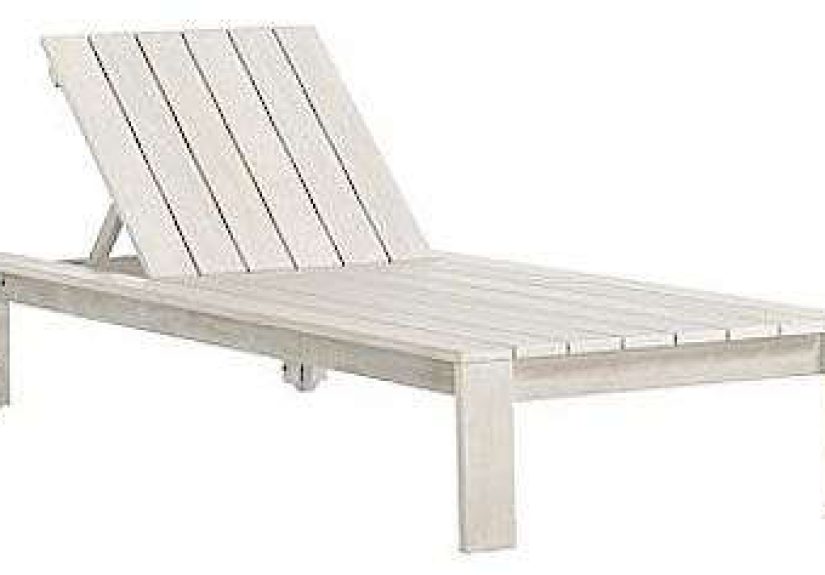
A wood-slat single lounger is an individual outdoor reclining chair or chaise made with visible horizontal or vertical wood slats along the seat, back, frame, or all three. Unlike bulky upholstered outdoor loungers, a slatted design feels open and architectural. It lets the beauty of the wood do the talking without needing a lot of decorative extras.
In practical terms, “single” means it is designed for one person, which makes it easier to place beside a pool, tuck onto a narrow patio, or use as a statement piece in a small outdoor lounge zone. Depending on the design, it may come fully slatted and cushion-free, or it may pair the wood frame with weather-resistant cushions for a softer, deeper sit.
The best versions combine attractive proportions with thoughtful function. Think adjustable backrests, supportive seat angles, sturdy joinery, and enough visual lightness to keep your outdoor space from feeling crowded. In other words, it should say “stay awhile,” not “good luck getting comfortable.”
Why This Lounger Style Works So Well Outdoors
1. Slats make sense in real life
Wood slats are not just a design flourish. They help water drain more easily than a solid surface, improve airflow, and keep the piece from looking visually heavy. On hot days, that extra breathability matters. On rainy days, it helps the chair dry faster. On every other day, it just looks good.
2. It brings warmth to modern outdoor design
Many patios lean hard into metal, concrete, and synthetic materials. A wood-slat lounger softens that mix. It adds texture, warmth, and a natural note that plays well with stone pavers, linen-look cushions, black metal planters, and leafy greenery. It works in coastal spaces, modern spaces, Japandi-inspired patios, and relaxed traditional backyards.
3. It balances form and function
Some outdoor furniture looks fantastic until you actually sit in it. Then you discover it was apparently designed by someone who has never met a human spine. A good wood-slat single lounger avoids that problem. The better pieces use ergonomic recline angles, flexible cushions, or adjustable backs so the chair can work for reading, napping, sunbathing, or pretending to read while actually scrolling your phone.
Best Woods for a Wood-Slat Single Lounger
Not all wood patio furniture performs the same way, so the species matters. If you want a lounger that looks beautiful now and still behaves well after sun, humidity, and seasonal changes, start with the material.
Teak
Teak is the gold standard for outdoor wood furniture, and for good reason. It is dense, durable, and naturally suited to exterior use. It also ages in a way many homeowners love, shifting from a warm golden tone to a soft silver-gray patina over time. If you like the weathered-luxury look, teak is basically showing off without trying too hard.
Teak loungers usually cost more, but they often earn that premium with long-term durability and a refined look. They are especially appealing if you want a minimalist, slatted piece that can stand on its own without flashy accessories.
Eucalyptus
Eucalyptus is a popular alternative for shoppers who want natural wood appeal at a friendlier price. It is durable, attractive, and often finished in tones that mimic teak’s warmth. A eucalyptus wood-slat single lounger can deliver a polished outdoor look without sending your budget into emotional distress.
This is a strong choice for medium-use patios, decks, and covered outdoor spaces. It benefits from regular care, but it offers a lot of visual value for the price point.
Acacia
Acacia is another common option in outdoor lounge furniture. It is a hardwood, it usually has rich grain variation, and it works well for casual-contemporary outdoor designs. Acacia loungers often feel stylish and approachable, especially for people furnishing first patios, rental homes, or compact backyard spaces.
The tradeoff is that acacia usually asks for a bit more maintenance discipline if you want it to stay handsome over time. Neglect it for too long and it may start looking like it has gone through something personal.
How to Choose the Right Wood-Slat Single Lounger
Check the recline options
If the lounger has an adjustable back, make sure it offers more than one useful position. You want a chair that can shift from upright reading mode to laid-back nap mode without a wrestling match. An adjustable backrest is especially useful for poolside or sunbathing setups.
Pay attention to seat height and length
A lounger should fit your body and your space. Lower-profile styles look sleek and modern, but some people prefer a slightly higher seat that feels easier to get in and out of. Length matters too. Taller users should check dimensions carefully so their feet are not hanging off the end like an afterthought.
Look at the slat spacing
Slats should feel intentional, not sparse. If the gaps are too wide, cushion support and seated comfort can suffer. If the slats are thoughtfully spaced and well-finished, the lounger feels sturdier and more inviting.
Inspect the hardware and joinery
Outdoor furniture lives a harder life than indoor furniture. Sun, moisture, temperature swings, sunscreen, spilled drinks, and the occasional dramatic thunderstorm all show up uninvited. That means hardware, fasteners, and joints need to be solid. A gorgeous lounger with flimsy assembly is just a future annoyance in a nice finish.
Decide whether you want cushions
A bare slatted lounger has a crisp, sculptural look and dries quickly. Add a performance cushion and the experience becomes softer, deeper, and more lounge-worthy for long sessions. Neither option is wrong. It depends on whether you prioritize maintenance ease, visual simplicity, or sink-in comfort.
How to Style a Wood-Slat Single Lounger
This is where the fun starts. A wood-slat single lounger is versatile enough to dress up or down depending on your space.
Poolside retreat
Pair the lounger with a crisp white or sand-colored cushion, a rolled outdoor towel, and a slim side table for drinks and sunscreen. Add a neutral umbrella and suddenly your backyard starts acting expensive.
Small patio upgrade
If you only have room for one statement seat, this is an excellent candidate. Set it beside a planter, a lantern, and a compact outdoor table. Even a narrow balcony can feel intentional with one well-chosen lounger instead of three undersized pieces that never quite work together.
Garden reading corner
Place the lounger near raised planters, ornamental grasses, or climbing vines. Add a washable throw pillow and a small stool for tea or books. This is the setup for people who say they are going outside for ten minutes and return ninety minutes later with a mild sun-kissed glow and zero regrets.
Modern mixed-material patio
Wood slats look especially sharp when paired with black metal, matte ceramics, concrete planters, or textured outdoor rugs. This mix keeps the space grounded while letting the warmth of the wood remain the visual star.
Care and Maintenance Tips
A wood-slat single lounger is not high drama, but it does appreciate routine care. Ignore it completely and nature will absolutely start redecorating.
Clean it gently
Use a soft cloth or soft-bristle brush with mild soap and water for regular cleaning. Wipe spills quickly, rinse away residue, and let the piece dry thoroughly. Harsh cleaners can damage finishes, and aggressive scrubbing can rough up the wood surface.
Keep it covered when not in use
A breathable, properly fitted outdoor cover helps reduce exposure to sun, rain, dust, and debris. Breathability matters. A cover that traps moisture can create the exact headache it was supposed to prevent.
Store cushions separately if needed
Even weather-resistant cushions prefer a little common sense. Let them dry fully before storage, especially after rain or cleaning. Mold is not a design feature.
Refresh the finish when appropriate
Some owners prefer to let teak weather naturally. Others want to preserve a more golden tone with specialized care products. Eucalyptus and acacia may benefit from periodic sealing or finish maintenance depending on the manufacturer’s recommendations. The smart move is to follow the care guidance for the specific piece you buy rather than treating every wood species the same way.
Protect it during winter or heavy storms
If you live in a climate with freezing temperatures, heavy rain, or long off-seasons, move the lounger to a covered area when possible. At minimum, clean it, dry it completely, elevate it slightly if needed, and use a well-secured cover. Wood is durable, but it is not asking to be tested for character every winter.
Common Mistakes to Avoid
One of the biggest mistakes is buying based only on appearance. Yes, the silhouette matters. Yes, the finish matters. But comfort, maintenance needs, and dimensions matter just as much. Another common mistake is assuming “outdoor wood” means “zero upkeep forever.” It does not. Outdoor-worthy wood is tough, not magical.
Some shoppers also underestimate the importance of scale. A lounger that looks airy in a product photo can overwhelm a small balcony if you do not check measurements first. Finally, do not forget the surrounding pieces. A lounger without a side table, shade, or a place to drop your book and drink is stylish, but slightly incomplete. Think of the setup, not just the chair.
Who Should Buy a Wood-Slat Single Lounger?
This lounger style is ideal for people who want a patio piece that does more than merely exist outdoors. It suits homeowners who like natural materials, appreciate clean-lined design, and want their furniture to feel both practical and pulled together. It is especially good for pool decks, patios, balconies, garden corners, and homes aiming for a warm modern look.
If you love low-maintenance synthetics above all else, a faux-wood or polymer lounger may be a better fit. But if you want the texture, warmth, and character of real wood, a wood-slat single lounger has a charm that many other materials simply cannot fake.
Experience Notes: What Living With a Wood-Slat Single Lounger Actually Feels Like
The experience of using a wood-slat single lounger day after day is part design satisfaction, part ritual. It is the kind of outdoor piece that changes how you use your space because it quietly invites you to stay longer. At first, it may simply look like the chair that completes the patio. Then a funny thing happens: it becomes the seat everyone notices, the spot you drift toward with coffee in the morning, and the place that makes an ordinary backyard feel surprisingly intentional.
In the early hours, a wood-slat lounger feels calm and architectural. The slats catch the light in a way upholstered pieces do not. Shadows fall through the frame, the grain reads warmly, and the whole setup looks cleaner and more sculptural than a bulky padded chaise. If the lounger has a cushion, the wood keeps the piece from feeling too overstuffed. If it is cushion-free, it feels refreshingly crisp and minimal, especially with a folded towel or lumbar pillow.
By midday, the practical side of the design becomes more obvious. Slats allow airflow, so the chair often feels less stuffy than a solid-surface seat. Around a pool, after a quick rinse or splash, that matters. On a covered patio, it also keeps the lounger from looking dense or visually heavy in smaller spaces. Even when it is not in use, it contributes to the atmosphere. That is the secret appeal of well-designed outdoor furniture: it decorates while resting.
There is also a tactile difference with wood that many people enjoy. Metal can feel too hot in direct sun or too cold in the evening. Cheap plastic can feel, well, cheap. Wood has a friendlier character. It feels grounded, natural, and a little more refined. The surface may warm in the sun, but it still tends to feel more organic than synthetic alternatives. Over time, the evolving tone of the wood adds to that lived-in quality. Teak aging to a soft gray, or eucalyptus developing a slightly relaxed patina, can make the lounger feel more beautiful rather than worn out.
From a daily-use standpoint, the single format is also surprisingly practical. A double chaise or daybed can be glamorous, but it demands a lot of real estate. A single lounger is easier to move, easier to style, and easier to integrate into patios that also need dining space, planters, or circulation room. One great lounger can anchor a nook without swallowing the whole yard.
The emotional payoff is real too. A good lounger creates little moments of use that add up over time: ten quiet minutes before work, a lazy weekend read, an evening stretch under string lights, or a post-swim collapse that somehow feels luxurious instead of sloppy. That is the charm. A wood-slat single lounger is not trying too hard. It simply makes outdoor living easier to enjoy, and it does it with enough style that your patio starts looking like it has its life together.
Final Thoughts
A wood-slat single lounger earns its popularity because it blends beauty, comfort, and outdoor practicality in one elegant piece. It looks lighter than many cushioned loungers, feels warmer than all-metal alternatives, and adds a natural, resort-like quality to patios of almost any size. Choose the right wood, pay attention to proportions, care for it sensibly, and this single piece can dramatically improve how your outdoor space looks and how often you actually use it.
That is the real win. A great lounger is not just furniture. It is permission to slow down outside, stretch out for a while, and make your backyard, deck, or balcony feel like a place worth lingering in. Not bad for a chair with slats.