Table of Contents >> Show >> Hide
- What Did David Corenswet Say To Jonathan Bailey?
- Why The Comment Sparked Outrage Online
- The Case For Defending Corenswet
- Jonathan Bailey's Response Was The Smoothest Part
- Why This Became Bigger Than One Interview Clip
- Masculinity, Vulnerability, And The Modern Leading Man
- What The Superman Comparison Added To The Debate
- What Celebrities Can Learn From This
- Why The Debate Is Actually Useful
- Related Experiences: What This Moment Says About Everyday Conversations
- Conclusion
Hollywood interviews are usually built for charming sound bites, awards-season sparkle, and two actors politely pretending that sitting in an armchair under studio lights is a totally normal way to discuss art. But every so often, a celebrity conversation escapes the cozy interview format and becomes a full-blown internet debate. That is what happened when David Corenswet and Jonathan Bailey sat down for Variety and CNN’s Actors on Actors series and began talking about something surprisingly specific: kissing while levitating.
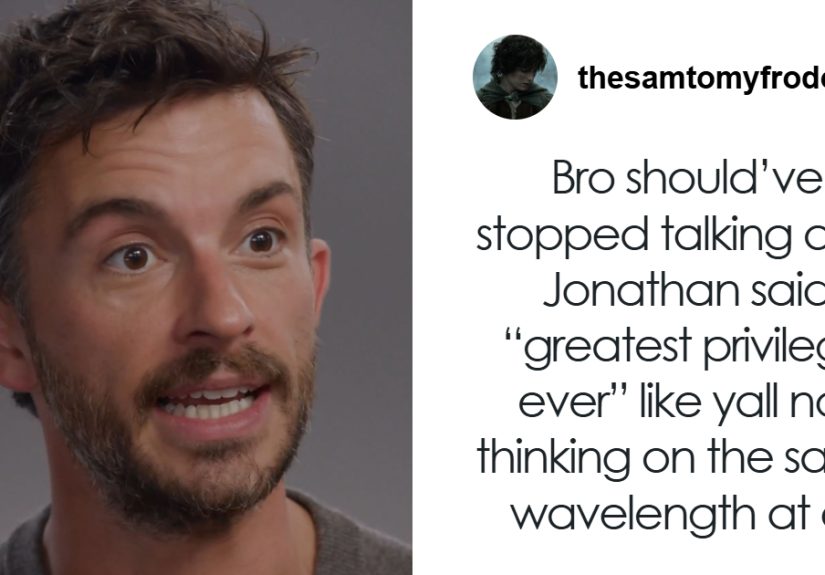
Yes, really. Corenswet, the new Superman, and Bailey, who plays Fiyero in Wicked: For Good, realized they both had romantic scenes involving mid-air kisses. What could have been a delightful little movie-musical-meets-superhero moment turned into viral discourse after Corenswet complimented Bailey for appearing masculine, powerful, and in control while being lifted by Cynthia Erivo’s Elphaba. Bailey responded with grace and humor, saying it was an honor and joking that he would happily be carried by Cynthia Erivo and Ariana Grande for the rest of his life.
The internet, however, did not simply chuckle and move on. Viewers dissected Corenswet’s wording, especially the idea that a man would need to “maintain” his masculinity while being carried by a woman. Some called the remark outdated, awkward, or sexist. Others argued that Corenswet was not endorsing that old-fashioned view but describing and gently mocking it. Either way, the exchange sparked a much larger conversation about gender roles, celebrity interviews, masculinity, vulnerability, and why a magical flying kiss can apparently carry the weight of 70 years of cultural baggage. No pressure, Oz.
What Did David Corenswet Say To Jonathan Bailey?
The viral moment began during a friendly conversation between Corenswet and Bailey about their biggest 2025 projects. Corenswet starred as Clark Kent and Superman in James Gunn’s Superman, while Bailey returned as Fiyero in Wicked: For Good. Both actors discussed their physical performances, romantic scenes, theater backgrounds, and the strange coincidence that each had filmed a kiss while floating in the air.
Bailey praised Corenswet’s climactic kiss scene with Rachel Brosnahan’s Lois Lane, particularly the small chuckle Superman gives after Lois finally says she loves him too. Corenswet explained that he had pushed to keep that reaction in the film because he felt it captured the truth of the moment. Then the conversation turned to Bailey’s Wicked: For Good scene, where Fiyero is lifted by Elphaba during the romantic number “As Long As You’re Mine.”
Corenswet told Bailey that he had the “bigger challenge” because his character was being levitated by a woman. He suggested that many men would assume it would be difficult to look masculine, powerful, and in control in that position. He then praised Bailey for maintaining his masculinity in the scene and added that it was easier when the male actor got to carry the woman.
That phrasing was the spark. Critics heard the comment as implying that being physically supported by a woman is somehow emasculating. The phrase “maintain your masculinity” became the center of the backlash because it sounded, to many viewers, as if masculinity were a fragile antique vase that might shatter if Cynthia Erivo lifted it six inches off the ground.
Why The Comment Sparked Outrage Online
The backlash was not just about one sentence. It was about the cultural assumptions packed into that sentence. The idea that men must always look dominant, physically in control, and unshaken by female strength is not new. In fact, it is so old it practically arrives wearing a fedora and asking whether dinner is ready.
Many viewers felt Corenswet’s comment echoed a traditional, 1950s-style idea of masculinity: man leads, woman follows; man carries, woman is carried; man controls, woman responds. In that framework, a woman lifting a man becomes a threat to male status rather than simply a cool piece of choreography in a fantasy musical. Critics argued that Bailey’s scene works precisely because it does not treat Elphaba’s power as a problem. She is powerful. Fiyero is vulnerable. Their romance still feels electric. Nobody needs to call a masculinity repair technician.
The reaction became even sharper because Bailey is an openly gay actor who has become widely celebrated for redefining what a modern leading man can look like. He is charismatic, romantic, playful, sincere, and not boxed into the old Hollywood mold of masculine performance. To some fans, hearing another actor praise him for “maintaining masculinity” felt oddly out of step with what Bailey represents on screen and off.
Social media users quickly turned the moment into memes, critiques, and reaction posts. Some described Bailey’s response as a polite redirection. Others said Corenswet may have meant well but chose the clunkiest possible vocabulary. The phrase “you can’t be talking like that” captured the mood perfectly: part criticism, part disbelief, part internet side-eye with perfect posture.
The Case For Defending Corenswet
Still, the reaction was not unanimous. Many viewers defended Corenswet, arguing that his intention was being misread. According to this interpretation, he was not saying that men should feel emasculated when women lead. He was acknowledging that society often teaches men to feel that way, then praising Bailey for making the scene feel romantic, confident, and emotionally alive anyway.
That defense is not unreasonable. Corenswet’s wording suggested he was talking about what “every man out there” might think, not necessarily what he personally believes. He may have been attempting to name a cultural stereotype in order to compliment Bailey for transcending it. In other words, his point may have been: many people assume a male romantic lead has to be physically dominant, but Bailey proved that vulnerability can still be magnetic.
The problem is that intent and impact are not the same thing. A person can mean to praise someone and still use language that reinforces the very stereotype they are trying to question. That is why the clip generated such a split response. Corenswet’s fans saw a sincere compliment. Critics saw an outdated framework. Everyone else saw an awards-season interview become a gender studies seminar with better lighting.
Jonathan Bailey’s Response Was The Smoothest Part
One reason the moment traveled so far online is that Bailey handled it beautifully. Rather than escalating the awkwardness, he reframed the scene around gratitude and collaboration. He said being carried by Cynthia Erivo was a privilege and added that he would be carried by both Erivo and Ariana Grande forever if given the option. It was charming, quick, and lightly comic without turning the exchange into a confrontation.
Bailey’s response mattered because it shifted the emphasis away from whether Fiyero looked dominant and toward the joy of sharing a scene with powerful female co-stars. That is a much more interesting reading of the Wicked moment. The scene is not about a man losing control. It is about romance, trust, spectacle, and emotional surrender. In a musical fantasy world where people sing their feelings and defy gravity, insisting that the man must remain “in control” feels like bringing a spreadsheet to a fireworks show.
Bailey’s career also gives the moment extra context. He has moved from acclaimed stage work to Bridgerton, Fellow Travelers, Wicked, and major film roles, becoming one of Hollywood’s most visible leading men. His appeal comes from warmth, confidence, wit, and emotional openness. That combination is exactly why the internet has embraced him: he does not need to perform masculinity like a security guard outside a nightclub.
Why This Became Bigger Than One Interview Clip
Celebrity controversies often become viral because they tap into something larger than the incident itself. This one touched several current cultural nerves: masculinity, gender roles, queer representation, female power, and the way actors talk about craft in public. A short exchange about flying kisses became a debate over whether Hollywood still defaults to old ideas about men being active and women being passive.
It also arrived at a time when the entertainment industry is full of characters who complicate traditional gender scripts. Superhero films now emphasize emotional sincerity as much as physical strength. Musical films celebrate vulnerability and theatricality. Queer actors are no longer limited to coded side characters or tragic subplots. Female characters are increasingly written as powerful agents of the story, not just romantic prizes waiting to be lifted into the sunset.
Against that backdrop, Corenswet’s comment felt jarring to some viewers because it sounded like an older vocabulary trying to describe a newer kind of romantic scene. The scene in Wicked: For Good does not need to prove that Fiyero is still masculine. It shows that desire, trust, and vulnerability can coexist. That is the point. Sometimes the hottest thing a character can do is stop trying to look in control and simply be present. Shocking, I know. Somewhere, a 1950s etiquette book just fainted.
Masculinity, Vulnerability, And The Modern Leading Man
The modern leading man is changing. Audiences still enjoy confidence, strength, charm, and good cheekbones doing honest work. But they are also responding to tenderness, emotional intelligence, humor, and the ability to share power on screen. A man being carried by a woman does not automatically make him weak. A man crying does not make him less heroic. A man admiring a powerful woman does not need to file a masculinity incident report.
That is why the Corenswet-Bailey moment resonated. It exposed the tension between two versions of masculinity. One version is defensive: masculinity must be protected, maintained, proven, and displayed. The other version is secure: masculinity can be playful, collaborative, vulnerable, and completely unthreatened by someone else’s strength.
Bailey’s Fiyero fits the second model. His romantic energy does not depend on overpowering Elphaba. If anything, the scene works because he trusts her. He allows the moment to become bigger than his own control. That is not a loss of masculinity. It is chemistry. And chemistry, unlike fragile ego, tends to photograph well.
What The Superman Comparison Added To The Debate
The comparison with Superman made the clip even more interesting. Corenswet’s own levitating kiss scene is built around a classic superhero image: Superman holds Lois Lane as they float together. It is romantic, iconic, and familiar. In that setup, the man is physically carrying the woman, which matches traditional cinematic expectations.
Bailey’s Wicked: For Good scene reverses that visual. Elphaba is the source of the lift. Fiyero is the one being carried. The emotional power still flows both ways, but the physical power is clearly hers. For some viewers, that reversal is exactly what makes the scene refreshing. It lets the female character be magical, commanding, and romantic without softening her strength to protect the male character’s image.
Corenswet seemed to recognize the reversal, but his wording framed it as a challenge to masculine presentation. That is where the debate lives. Was he pointing out a sexist expectation, or accidentally repeating it? The fairest answer may be: both readings can exist. He may have intended to praise Bailey’s performance while using language that carried old assumptions. The internet, naturally, chose to settle this with jokes, quote tweets, and the emotional restraint of a raccoon in a bakery.
What Celebrities Can Learn From This
The lesson is not that celebrities must speak like corporate crisis statements or avoid all spontaneous conversation. That would be unbearable. The best interviews feel alive because actors think out loud, make discoveries, and occasionally wander into odd phrasing. But when talking about gender, sexuality, race, or identity, words matter because they do not land in a vacuum.
A better version of Corenswet’s compliment might have been simple: “That scene works because you let Elphaba’s power lead without losing Fiyero’s confidence or romantic presence.” That praises the performance without suggesting masculinity is something that must be preserved against a woman’s strength. It also sounds less like it was translated from a manual titled How To Be A Fellow In 1954.
For actors, this is a useful reminder that discussions about craft can quickly become discussions about culture. A scene is never just blocking, choreography, or lighting. It carries ideas about power, desire, gender, and who gets to lead. When an actor describes those ideas, audiences listen closely, especially when the clip is short enough to go viral.
Why The Debate Is Actually Useful
For all the noise, the conversation was not pointless. It encouraged people to ask why certain images still feel “masculine” or “feminine” in the first place. Why does a man being lifted by a woman read as unusual? Why do audiences still associate romance with male control? Why is vulnerability treated as something a male character must survive rather than something that can deepen his appeal?
Those are valuable questions. Pop culture trains audiences in subtle ways. A thousand movie scenes of men carrying women create expectations. When a new scene flips the dynamic, people notice. Sometimes they cheer. Sometimes they get uncomfortable. Sometimes they write 900 posts about it before breakfast. But that discomfort can reveal how much old storytelling grammar still lingers in modern entertainment.
The best outcome is not simply “cancel Corenswet” or “everyone is too sensitive.” The better outcome is a more precise conversation. Corenswet’s comment can be understood as awkwardly phrased rather than malicious. The criticism can also be valid because awkward phrasing often reveals cultural habits worth examining. Two things can be true at once, which is deeply inconvenient for the internet but excellent for analysis.
Related Experiences: What This Moment Says About Everyday Conversations
The Corenswet and Bailey debate is not limited to Hollywood. Many people have heard similar comments in everyday life, just with fewer cameras and less expensive hair styling. A man lets his wife drive and someone jokes that he is “whipped.” A father stays home with his children and gets praised for “babysitting,” as if parenting his own kids is a charity event. A woman earns more than her partner and suddenly everyone becomes an unpaid sociologist. These little comments may sound harmless, but they reveal how deeply old gender scripts still shape casual conversation.
That is why the phrase “maintain masculinity” landed so strongly. It sounded familiar. Many men are taught, directly or indirectly, that masculinity is something they can lose if they are too gentle, too emotional, too dependent, too stylish, too theatrical, too impressed by women, or too willing to be cared for. That is exhausting. Imagine trying to enjoy a romantic floating kiss while also checking whether your masculinity badge is still clipped to your shirt.
In real life, the healthiest relationships usually do not work like that. Partners take turns leading. One person may be stronger in one situation and more vulnerable in another. Sometimes you carry; sometimes you are carried. Sometimes you make the big decision; sometimes you admit you have no idea where the parking ticket went. None of that makes someone less masculine, feminine, or worthy of respect. It just makes them human.
There is also an important workplace parallel. People often praise men for being “commanding” while calling women with the same qualities “intimidating.” Men may be rewarded for confidence, while women are expected to soften their authority. When a woman leads successfully, some people still frame it as a disruption rather than a skill. That same logic appears in romantic storytelling: if a woman has the power, the man must somehow prove he has not been diminished by it. The Wicked scene challenges that idea because Elphaba’s power does not reduce Fiyero. It creates the moment.
Personally, many viewers likely recognized Bailey’s response as the ideal way to handle an awkward gender comment. He did not scold. He did not shrink. He redirected the focus toward gratitude, collaboration, and the women who helped make the scene work. That is a useful model. Sometimes the best response to a dated assumption is not a lecture but a smooth reframing that shows a better way to think. Bailey essentially said: why would being carried by talented women be embarrassing? It sounds fabulous. And frankly, he had a point.
For anyone writing, speaking, teaching, managing, dating, parenting, or simply trying not to sound like a dusty advice column, this controversy offers a practical lesson: praise people without trapping them inside old stereotypes. Instead of saying a man is impressive because he stayed masculine while being vulnerable, say he made vulnerability compelling. Instead of saying a woman is strong “for a woman,” say she is strong. Instead of treating shared power as unusual, treat it as normal. The language shift may seem small, but small shifts are how culture changes without needing a dramatic monologue and a fog machine.
Conclusion
David Corenswet’s comment to Jonathan Bailey became viral because it sat at the messy intersection of intention, wording, and cultural context. He appeared to be complimenting Bailey’s performance in Wicked: For Good, but the phrase “maintain your masculinity” triggered criticism from viewers who heard it as an outdated view of gender and power. Bailey’s calm, witty response helped soften the moment while also pointing toward a more modern understanding of romance: being carried by a powerful woman is not humiliating. It can be beautiful, funny, hot, and narratively effective.
The debate is a reminder that modern audiences are paying attention not only to what celebrities say but to the assumptions behind their words. Masculinity does not need to be guarded like a museum artifact. It can be flexible, generous, vulnerable, collaborative, and still magnetic. In fact, that may be the version audiences want most now. If Hollywood is going to keep giving us airborne kisses, magical romance, superheroes, witches, and emotionally complicated leading men, the language around those scenes should probably learn to fly too.