Table of Contents >> Show >> Hide
- What Is a “Marijuana Strain,” Really?
- Indica vs. Sativa vs. Hybrid: Helpful Shortcut or Cannabis Horoscope?
- The Chemistry That Shapes What People Feel
- Why Potency (Strength) Matters More Than Most Beginners Expect
- Different Product Types, Different Risk Profiles
- Beginner Safety: What Matters Most (Especially for Teens and Young Adults)
- So How Do People “Choose” a Strain If Labels Are Messy?
- Common Beginner Questions (Answered Without the Hype)
- Conclusion: What Beginners Should Remember About Marijuana Strains
- Real-World Experiences: What People Learn the Hard Way (and What You Can Learn the Easy Way)
- Experience #1: “It’s a sativa, so I’ll be productive” (Narrator: they were not.)
- Experience #2: Two “identical” strain names, two totally different outcomes
- Experience #3: The edible misunderstanding
- Experience #4: Anxiety is more common than the internet makes it sound
- Experience #5: The social pressure moment
- Experience #6: The “I can totally drive” myth
- Experience #7: Learning the difference between information and encouragement
- SEO Tags
“What strain is it?” is one of the most common questions people ask about cannabisright up there with
“Wait… is this a cookie or an experience?”
If you’re new to the world of marijuana strains, the vocabulary can feel like you accidentally joined a book club
where everyone is speaking in tasting notes: “It’s a hybrid with citrus-forward terps and a chill, creative vibe.”
Cool cool cool. But what does any of that actually meanand what’s real science versus marketing sparkle?
This guide breaks down marijuana strain basics in plain English: what “strain” means, why “indica vs. sativa” isn’t
the crystal ball people hope it is, what cannabinoids and terpenes do (and don’t) explain, and why labels can be
confusing. It’s educational, not a “how-to.” Laws vary widely, cannabis isn’t legal everywhere, and it’s especially
risky for adolescents and young adults whose brains are still developingso the safest choice for anyone under the
legal age is not to use it.
What Is a “Marijuana Strain,” Really?
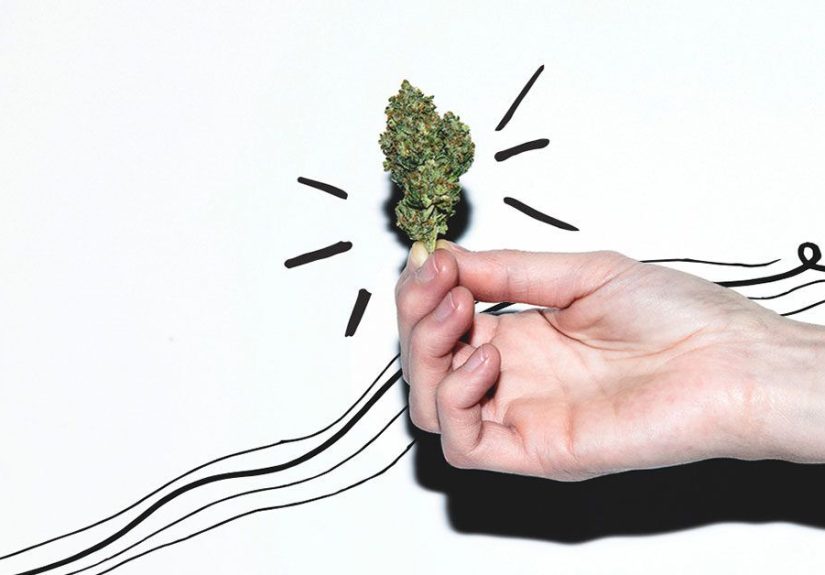
In everyday conversation, a marijuana strain is a named type of cannabislike “Blue Dream,” “OG Kush,”
or “Sour Diesel.” The word strain is convenient, but it’s also a little messy.
Botanically, cannabis plants can be bred into different cultivars (cultivated varieties). In modern cannabis
science and medicine, you’ll also hear the term chemovar (chemical variety), which focuses on the plant’s
chemical profileespecially cannabinoids (like THC and CBD) and aromatic compounds called terpenes.
Why strain names can be unreliable
Many people assume a strain name guarantees a consistent chemical profile and experience. In reality, cannabis
is a living plant, and the final product can vary a lot depending on genetics, growing conditions, harvesting,
storage, and processing.
Even products sold under the same strain name may not be chemically identical from one producer to another.
Research has found that commercial “strain” labeling can be inconsistentmeaning the name on the label may not
reliably tell you what’s actually in the product.
Indica vs. Sativa vs. Hybrid: Helpful Shortcut or Cannabis Horoscope?
Traditionally, cannabis is grouped into three buckets:
indica, sativa, and hybrid.
You’ve probably heard the stereotypes:
- Indica = relaxing, sleepy, “couch-lock”
- Sativa = energizing, uplifting, “creative”
- Hybrid = a mix of both
Here’s the beginner-friendly truth: those labels might describe how a plant looks or how it was historically
categorized, but they often do not reliably predict the chemical makeupor the effectsof modern cannabis
products.
Why the labels don’t consistently predict effects
Most cannabis sold today is the result of extensive cross-breeding. That means “indica” and “sativa” are often
more like marketing categories than scientifically consistent predictors. Studies examining genetics and chemical
profiles have found that these labels can be misleading.
A more science-forward way to think about cannabis is: What’s in it? Not just “What’s it called?”
The Chemistry That Shapes What People Feel
Cannabis contains hundreds of compounds. The two biggest categories you’ll hear about are
cannabinoids and terpenes.
They matter because they influence potency, impairment, and how the product behaves in the body.
But they’re not a magic “effects calculator.” People respond differently based on biology, tolerance,
mood, setting, and more.
Cannabinoids 101: THC, CBD, and the “supporting cast”
THC (delta-9-tetrahydrocannabinol) is the primary intoxicating compound in cannabis.
Higher THC is generally associated with stronger impairment and a higher chance of unpleasant effects
(like anxiety, panic, or feeling “too high”), especially in new or occasional users.
CBD (cannabidiol) is non-intoxicating. It’s often marketed as calming, but the relationship between CBD
and THC can be complicated, and product quality varies widely. Cannabis can also contain smaller amounts of
minor cannabinoids (such as CBG, CBC, and others) that researchers are still actively studying.
Terpenes: the aroma that became a whole personality
Terpenes are aromatic compounds found in many plants (not just cannabis). They contribute to smell and
tastethink citrus, pine, lavender, pepper. Some lab and early research suggests certain terpenes may interact with
cannabinoid pathways, but the evidence for predicting real-world “effects” from terpene lists is still limited.
You may hear the phrase “entourage effect”, which describes the idea that cannabinoids and terpenes work
better together than alone. It’s an active research area, but it’s not settled scienceand it’s often used in marketing
as if it’s already proven for every product and every person.
Why Potency (Strength) Matters More Than Most Beginners Expect
One reason strain talk gets complicated fast: cannabis today can be much stronger than what many people imagine.
Over the past few decades, average THC potency in seized cannabis has increased substantially, and concentrates can
contain far higher THC levels than typical flower.
That matters because higher potency is linked with greater impairment and may increase the risk of negative
short-term experiences. It also makes “I’ll just eyeball it” a terrible strategy in generalespecially with products
that have delayed effects (more on that in a moment).
Different Product Types, Different Risk Profiles
Even when two products come from the “same strain,” the experience can differ depending on how it’s made and used.
This section is not a usage guidejust an explanation of why product categories matter for safety and predictability.
Flower (smokable plant material)
Flower typically contains a mix of cannabinoids and terpenes in their natural ratios. Potency can vary widely, and
labeling may not perfectly reflect what’s in the product.
Concentrates and extracts
Concentrates can be far higher in THC than flower. Higher THC generally means a higher likelihood of impairment and
unwanted effectsespecially for inexperienced users.
Edibles
Edibles are notorious for delayed onset and inconsistent effects. Because the body processes ingested THC differently
than inhaled THC, people may feel effects later than expected, and the experience can last longer. This delay is a
major reason accidental overconsumption happens.
Beginner Safety: What Matters Most (Especially for Teens and Young Adults)
Cannabis is not “harmless,” and risk depends on age, frequency, potency, and personal vulnerability (including mental
health history). Public health agencies warn that cannabis can impair coordination, judgment, and reaction timemaking
activities like driving especially dangerous.
Driving and impairment
Cannabis can slow reaction time, distort perception, and impair coordination. Combining cannabis with other substances
(especially alcohol) can increase impairment. The safest move is simple: don’t drive or ride with someone who is impaired.
Mental health and brain development
For adolescents and young adults, cannabis use is associated with concerning outcomes, including effects on learning,
attention, memory, and mental health. Pediatric organizations emphasize that the brain continues developing into the
mid-20s, and cannabis can interfere with that development.
Accidental ingestion and kids
Edibles can look like regular snacks. That’s a safety issue for children and families, and it’s one reason packaging,
labeling, and secure storage are major public health concerns.
So How Do People “Choose” a Strain If Labels Are Messy?
Since this guide is educational (and not a shopping or usage guide), think of this section as “how to interpret strain
language critically,” not “how to pick a product.”
1) Treat indica/sativa as a hint, not a guarantee
Those categories can reflect tradition and marketing more than consistent chemistry. If someone claims “all sativas do X,”
take it with a grain of saltand maybe a whole salt lamp.
2) Understand the big levers: THC level and product type
THC potency and product type are often more predictive of impairment risk than the strain name itself.
Higher THC generally means stronger effects and higher risk of unwanted reactions.
3) “Terpene lists” can describe aroma better than outcomes
Terpenes help explain why one product smells piney and another smells like citrus candy. That’s real.
But turning a terpene list into a guaranteed mood forecast is… optimistic.
4) Expect variabilitybecause humans are variable
Two people can use the same product and report very different experiences. Biology, tolerance, environment, stress,
sleep, and expectations all shape outcomes. That’s one reason strain talk can feel like a debate where everyone is
technically correct about their own body.
Common Beginner Questions (Answered Without the Hype)
“Is one strain ‘stronger’ than another?”
“Strong” usually tracks most closely with THC content and concentrationespecially for extracts. A strain name alone
can’t reliably tell you potency.
“Does CBD cancel out THC?”
CBD and THC interact in complex ways, and the outcome depends on dose, timing, and individual biology. Marketing
claims that CBD always “balances” THC are oversimplified.
“Why do some people feel anxious instead of relaxed?”
Anxiety or panic can happen, particularly with higher THC or in stressful settings. Personal predisposition and the
context (“set and setting”) matter. That’s one reason public health messaging emphasizes cautionespecially for young people.
“Are strain names standardized like medicine?”
No. Unlike FDA-approved medications, cannabis strain naming isn’t uniformly standardized across the U.S., and the same
name may not mean the same chemical profile from one source to another.
Conclusion: What Beginners Should Remember About Marijuana Strains
Marijuana strains sound simpleuntil you realize the label is often the start of the story, not the whole plot.
“Indica vs. sativa” can be a cultural shorthand, but it’s not a reliable scientific predictor for modern products.
The better beginner lens is: cannabinoids (especially THC level), product type, and the reality that people respond
differently.
And the biggest safety reminder: cannabis can impair judgment and reaction time, and it carries special risks for
adolescents and young adults. If you’re under the legal age where you live, the safest choice is not to use it.
If cannabis is present in your environment (family medical use, social settings, etc.), knowing the vocabulary can help
you make safer decisions and understand what’s being discussedwithout needing to experiment.
Real-World Experiences: What People Learn the Hard Way (and What You Can Learn the Easy Way)
This section isn’t here to glamorize cannabis. It’s here because real life is where confusion happensusually at the worst
possible time, like when someone says, “Relax, it’s basically the same thing,” and you’re thinking, “That sentence has
never ended well in the history of humanity.”
Experience #1: “It’s a sativa, so I’ll be productive” (Narrator: they were not.)
One of the most common beginner misconceptions is treating “sativa” like a guaranteed energy drink and “indica” like a
guaranteed sleep aid. People often report surprise when the label doesn’t match what they expectedbecause those categories
don’t consistently map to chemical profiles. The lesson: labels are shorthand, not a promise.
Experience #2: Two “identical” strain names, two totally different outcomes
Another common story goes like this: someone tries “Strain X” from one source and feels one way, then tries “Strain X”
from another source and feels completely different. This isn’t necessarily “all in their head.” Research suggests
commercial strain naming and labeling can be inconsistent. Add natural plant variability, differences in storage, and
different THC levels, and you get the same-name-different-ride phenomenon.
Experience #3: The edible misunderstanding
Many people describe edibles as “sneaky,” because effects can be delayed and longer-lasting. The real-world pattern is that
someone expects quick feedback, doesn’t feel anything right away, and assumes the product “isn’t working.” Then the effects
arrive latersometimes at an inconvenient or overwhelming intensity. The practical takeaway isn’t a how-to; it’s a safety
principle: delayed-onset products are inherently harder to predict, which raises risk for negative experiences.
Experience #4: Anxiety is more common than the internet makes it sound
A lot of cannabis conversations online are filtered through bravado and highlight reels. In real life, some people experience
anxiety, panic, or feeling uncomfortably “out of it,” especially with higher THC products or in stressful environments.
People also vary in sensitivity, and some have mental health vulnerabilities that make cannabis a bigger risk. The lesson is
simple: “common” doesn’t mean “safe for everyone.”
Experience #5: The social pressure moment
Beginners frequently describe social pressure as the biggest factornot curiosity. Someone offers something, says “It’s mild,”
or frames refusing as “being dramatic.” A useful reality check: you never owe anyone an explanation for saying no. If you’re
underage, uncomfortable, or just not interested, a short “No thanks” is a complete sentence.
Experience #6: The “I can totally drive” myth
Public health messaging is clear that cannabis can impair reaction time, coordination, and decision-making. Yet in real life,
people still underestimate impairmentespecially when they “feel fine.” Many regrettable decisions begin with “I’m okay.”
A safer rule is to avoid driving or riding with anyone who may be impaired. When in doubt, choose a safer ride option or a
trusted adult.
Experience #7: Learning the difference between information and encouragement
Some people assume that learning strain vocabulary means they’re expected to use cannabis. Not true. Understanding what a
strain name does (and doesn’t) mean can help you navigate conversations, set boundaries, and make safer choicesparticularly
if cannabis is present in your household or peer environment. Knowledge is a seatbelt, not a gas pedal.
Bottom line: beginners often discover that cannabis “strain culture” is full of confident claims that don’t always match
science. The safer, smarter approach is to be skeptical of hype, respect the risks (especially for young people), and
prioritize safety and legality over curiosity.