Table of Contents >> Show >> Hide
- Why Bok Choy Works So Well in Easy Recipes
- How to Prep Bok Choy Without Making a Watery Mess
- 10 Bok Choy Recipes That Are Delicious and Easy
- 1. Garlicky Stir-Fried Bok Choy
- 2. Ginger-Sesame Braised Bok Choy
- 3. Roasted Baby Bok Choy with Soy-Honey Glaze
- 4. Bok Choy and Shiitake Mushroom Stir-Fry
- 5. Chicken and Bok Choy Noodle Soup
- 6. Coconut Curry Bok Choy
- 7. Grilled Bok Choy with Chili-Lime Drizzle
- 8. Beef and Bok Choy Weeknight Stir-Fry
- 9. Tofu, Bok Choy, and Rice Bowl
- 10. Crispy Garlic Bok Choy with Brown Sauce
- Common Bok Choy Cooking Mistakes to Avoid
- Final Thoughts
- Kitchen Experiences: What Happens When Bok Choy Becomes a Weekly Habit
- SEO Tags
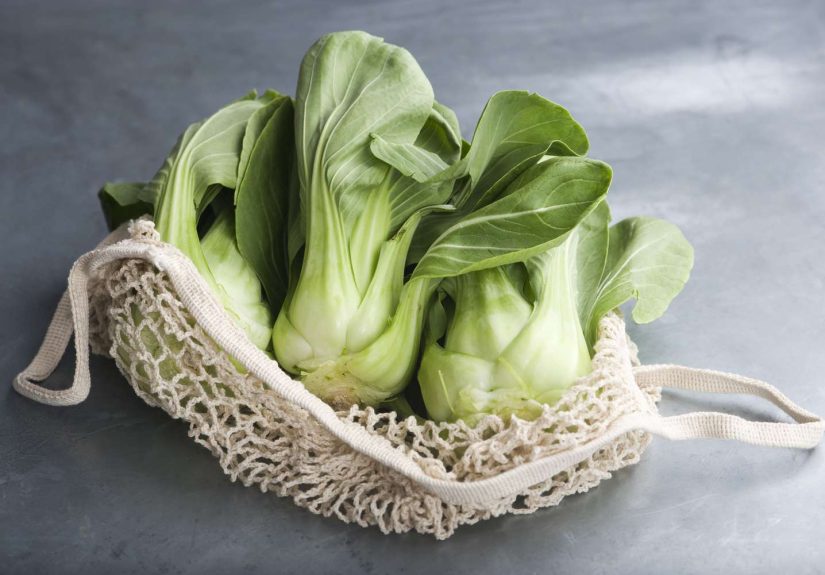
If bok choy has been sitting in your fridge drawer looking like a leafy mystery from another dimension, this is your sign to stop ghosting it. Bok choy is one of the easiest vegetables to cook, one of the fastest to get on the table, and one of the best at pretending you worked way harder than you actually did. Its pale, crunchy stems and soft green leaves bring texture, freshness, and a mild peppery-cabbage flavor that plays nicely with everything from noodles and rice to chicken, tofu, beef, mushrooms, and brothy soups.
Even better, bok choy is a weeknight overachiever. It cooks in minutes, handles high heat like a champ, and absorbs sauces the way bread absorbs gossip. A little garlic, some ginger, a splash of soy sauce, and suddenly dinner feels smarter. Whether you want a quick side dish, a light lunch, or a hearty skillet meal, there are plenty of easy bok choy recipes that do not require a culinary degree, a blowtorch, or a deep emotional relationship with your wok.
Below, you’ll find ten delicious bok choy recipe ideas that are simple, flexible, and packed with flavor. Some are classic, some are cozy, and some are ideal for those nights when your energy level is “I would like dinner to cook itself.” Let’s make bok choy the best thing on your plate.
Why Bok Choy Works So Well in Easy Recipes
Bok choy is popular for a reason: it gives you two textures in one vegetable. The stems stay juicy and crisp, while the leaves soften quickly and turn silky. That means you get contrast without adding more ingredients. Baby bok choy is especially tender and slightly sweeter, which makes it perfect for fast sautés, roasting, and simple pan sauces.
It is also incredibly flexible. You can stir-fry it, braise it, roast it, grill it, steam it, or slide it into soups and noodle bowls. Its flavor is mild enough to welcome bold sauces, but distinct enough that it never disappears into the background like the world’s saddest iceberg lettuce. In short, if your goal is a healthy vegetable side dish or a fast dinner recipe with big flavor, bok choy is a very solid plan.
How to Prep Bok Choy Without Making a Watery Mess
Before you cook bok choy, give it a proper rinse. Dirt loves to hide near the base where the stalks meet, and nobody wants a crunchy surprise that is not the good kind. Slice the bok choy lengthwise, swish the leaves in cold water, and pat them dry. If the heads are large, separate the stems from the leaves and add them to the pan first, since stems need a little more time than the leafy tops.
One more helpful tip: do not crowd the pan. Bok choy contains plenty of moisture, so if you pile too much into one skillet, it will steam instead of sear. That is great if you want soft greens, less great if you were hoping for caramelized edges and a little drama.
10 Bok Choy Recipes That Are Delicious and Easy
1. Garlicky Stir-Fried Bok Choy
This is the gateway recipe, the little black dress of bok choy cooking. Heat a skillet or wok, add a neutral oil, and toss in sliced garlic until fragrant. Add halved baby bok choy or chopped mature bok choy, then hit it with a splash of soy sauce and a tiny drizzle of sesame oil at the end. Done. Dinner’s favorite side dish has entered the chat.
The beauty of this easy bok choy recipe is that it takes almost no time and goes with nearly everything: salmon, roast chicken, fried rice, noodles, tofu, or leftover takeout that needs a vegetable intervention. For extra flavor, add ginger, red pepper flakes, or a squeeze of lime. If you only learn one bok choy recipe, make it this one.
2. Ginger-Sesame Braised Bok Choy
If stir-frying is the fast friend, braising is the cozy one. In this version, bok choy cooks gently in a shallow mixture of broth, soy sauce, ginger, garlic, and a touch of rice vinegar. The stems soften, the leaves wilt beautifully, and the cooking liquid turns into a light savory sauce you’ll want to spoon over rice.
This method works especially well with larger heads of bok choy because it gives the thicker stems time to become tender without blasting the leaves into oblivion. Finish with toasted sesame seeds and sliced scallions, and you have a side dish that tastes restaurant-level but is secretly a very manageable weeknight move.
3. Roasted Baby Bok Choy with Soy-Honey Glaze
Roasting bok choy is for the people who want edges. Glorious, slightly charred, caramelized edges. Halve baby bok choy, toss it with oil, and roast it cut-side down until the leaves crisp and the stems become tender. Then brush on a quick glaze made from soy sauce, honey, ginger, and a little rice vinegar.
The result is sweet, salty, roasty, and just fancy enough to make you feel like someone who owns matching serving bowls. This is a great recipe for holiday meals, salmon dinners, or grain bowls. It also proves a very important point: bok choy is not just for stir-fry. It can absolutely hold its own in the oven.
4. Bok Choy and Shiitake Mushroom Stir-Fry
Bok choy and mushrooms are one of those ingredient pairings that seem suspiciously well matched, like they exchanged notes before class. Earthy shiitakes bring deep umami flavor, while bok choy keeps the whole dish bright and fresh. Stir-fry sliced mushrooms first so they brown properly, then add bok choy, garlic, ginger, and a quick sauce made with soy, a little brown sugar, and cornstarch.
Serve it over jasmine rice, brown rice, or noodles for a vegetarian dinner that feels substantial without being heavy. Add tofu if you want more protein, or keep it simple and let the mushrooms do the dramatic work. This is one of the best bok choy recipes for cleaning out the produce drawer in a deliciously strategic way.
5. Chicken and Bok Choy Noodle Soup
When life gets weird, soup is still helpful. A quick chicken and bok choy noodle soup is especially helpful. Start with broth, add ginger, garlic, shredded chicken, and noodles, then stir in chopped bok choy right at the end. The leaves soften almost immediately, while the stems stay pleasantly crisp.
This recipe works with ramen noodles, rice noodles, udon, or whatever noodle box is currently judging you from the pantry. It is warm, easy, and wildly adaptable. Add mushrooms, carrots, scallions, or a soft-boiled egg if you want a little extra flair. The bok choy keeps the soup from feeling too heavy, and the broth picks up just enough sweetness from the greens to balance the savory base.
6. Coconut Curry Bok Choy
For something a little different, cook bok choy in a coconut curry sauce. Sauté garlic and curry paste in oil, stir in coconut milk, and simmer until the sauce thickens slightly. Add the bok choy stems first, then the leaves, and cook just until tender. Spoon the whole thing over rice for a deeply comforting, low-effort meal.
This recipe is ideal when you want big flavor without a mountain of ingredients. The creamy coconut milk softens the spice, the curry brings warmth, and the bok choy keeps the dish from becoming too rich. Add chickpeas, shrimp, or tofu if you want to bulk it up. Or don’t. A bowl of curry bok choy over rice is already having a pretty excellent day.
7. Grilled Bok Choy with Chili-Lime Drizzle
If you have never grilled bok choy, prepare to become slightly smug about your vegetable game. Halve the bok choy, brush it with oil, and grill it until lightly charred. Then drizzle it with a mix of lime juice, soy sauce, chili sauce, and a touch of honey. Suddenly your side dish has personality.
Grilling adds smoke and char that play beautifully against bok choy’s fresh crunch. This recipe is especially good with grilled chicken, steak, or tofu skewers. It is also perfect for summer dinners when you want a vegetable that feels a little less steamed and a little more “I have my life together,” even if you absolutely do not.
8. Beef and Bok Choy Weeknight Stir-Fry
Need a fast dinner that tastes like it took planning? Thinly sliced beef and bok choy are your answer. Cook the beef in a hot pan until browned, remove it, then stir-fry bok choy with garlic and ginger. Add the beef back with a sauce made from soy sauce, broth, and a little cornstarch, and let everything coat itself in glossy, savory goodness.
This is one of the easiest bok choy dinner recipes because it uses high heat, simple ingredients, and one pan. It also solves the eternal problem of “What do I do with this package of steak that is not tacos again?” Serve it with rice and call it a win. Bonus points if you finish with sesame seeds or chile crisp.
9. Tofu, Bok Choy, and Rice Bowl
This bowl is wholesome without being boring, which is honestly the dream. Crisp up cubes of tofu, cook bok choy in the same skillet, and layer both over rice with a gingery soy sauce or peanut-sesame dressing. Add cucumbers, carrots, or avocado if you want more color and crunch.
Bok choy works beautifully here because it adds freshness and structure without overwhelming the bowl. The stems keep their bite, the leaves soften into the sauce, and the tofu brings enough protein to make the meal satisfying. It is one of those easy healthy dinner recipes that feels organized, even if you made it while mentally composing an email you never plan to send.
10. Crispy Garlic Bok Choy with Brown Sauce
If plain vegetables are not speaking your love language, try bok choy with brown sauce and crispy garlic. Steam or sauté the bok choy until just tender, then top it with a glossy sauce made from broth, soy sauce, mushrooms, and a touch of sweetness. Finish with golden crisped garlic for texture and punch.
This is a great way to make bok choy feel special without making the process complicated. The sauce clings to the stems, the garlic adds crunch, and suddenly a humble bunch of greens tastes like something you’d order with absolute confidence. It is excellent as a side, but paired with rice it can also be lunch that punches above its weight.
Common Bok Choy Cooking Mistakes to Avoid
The biggest mistake is overcooking it. Bok choy should be tender, not tragic. Leaves that cook too long can go limp and dull, while stems lose their appealing bite. Another common issue is skipping the drying step after washing. Water clinging to the leaves can dilute your sauce and sabotage browning.
Also, do not treat all bok choy the same. Baby bok choy cooks faster and can often be left in halves or quarters, while mature bok choy usually benefits from being chopped and cooked in stages. And finally, season thoughtfully. Soy sauce, oyster sauce, chili crisp, miso, sesame oil, citrus, and broth all work beautifully, but a heavy hand can drown out the vegetable’s natural sweetness.
Final Thoughts
Bok choy is the kind of ingredient that quietly makes your whole dinner better. It is quick, affordable, versatile, and easy to pair with pantry staples. Once you understand how fast it cooks and how well it absorbs flavor, it becomes the vegetable you reach for on purpose instead of the one you buy once for a specific recipe and forget forever.
These ten bok choy recipes prove that this leafy green can do much more than sit politely beside noodles. It can be roasted until caramelized, braised until silky, tossed into soup, paired with tofu, grilled with a spicy glaze, or stirred into a quick skillet dinner. In other words, bok choy is not just delicious and easy. It is your weeknight secret weapon wearing a very crisp green coat.
Kitchen Experiences: What Happens When Bok Choy Becomes a Weekly Habit
After cooking bok choy regularly, one thing becomes obvious very quickly: it is one of the least intimidating vegetables to work with once you stop overthinking it. The first time I made it, I treated it like a fragile ingredient that required exact timing, a perfect sauce, and the confidence of a TV chef. In reality, bok choy is much more forgiving than that. It responds well to basic techniques, and even simple seasoning can make it taste complete.
The most useful lesson came from paying attention to texture. When I cooked bok choy too long, it turned soft in a way that felt a little sleepy. Still edible, sure, but not exciting. When I cooked it just until the stems were crisp-tender and the leaves had barely wilted, the whole dish tasted fresher, brighter, and somehow more expensive. That tiny difference changed everything. It made me realize that bok choy is less about complexity and more about restraint.
Another experience worth mentioning is how easily bok choy adapts to different moods in the kitchen. On low-energy nights, a simple garlic bok choy side dish with rice felt like enough. On hungrier evenings, it slipped effortlessly into noodle soup, beef stir-fry, or tofu bowls without demanding much extra work. That flexibility made it feel less like a specialty vegetable and more like a practical everyday ingredient, which is exactly the kind of kitchen promotion most vegetables dream of.
I also noticed that bok choy helped improve the rhythm of weeknight cooking. Because it cooks so fast, it teaches you to get everything else ready first. Sauce mixed? Good. Rice cooking? Great. Protein sliced? Excellent. Then in goes the bok choy for the final few minutes. It becomes the vegetable version of a closing argument: quick, effective, and surprisingly memorable. That kind of timing is useful when you want dinner to feel fresh instead of overhandled.
Perhaps the funniest experience was watching how often bok choy converted skeptics. People who usually describe vegetables with words like “fine” or “I guess” tend to perk up when bok choy arrives with garlic, ginger, and a glossy sauce. Its stems have crunch, its leaves are tender, and it does not have the aggressive bitterness that scares some people away from other greens. It feels approachable, which is a major advantage when cooking for mixed crowds or picky eaters.
After making these kinds of dishes again and again, the biggest takeaway is simple: bok choy rewards uncomplicated cooking. You do not need a long ingredient list, a trendy technique, or a dramatic origin story. You need heat, a little seasoning, and enough attention to keep the stems lively and the leaves vibrant. Once that clicks, bok choy stops being “that vegetable from the recipe” and becomes a regular part of how you cook. And honestly, that is when it gets really delicious.