Table of Contents >> Show >> Hide
- What Is Stuffed Manicotti?
- Why This Stuffed Manicotti Recipe Works
- Ingredients for Classic Stuffed Manicotti
- How to Make Stuffed Manicotti Step by Step
- Best Tips for Making Stuffed Manicotti
- Easy Variations on Stuffed Manicotti
- What to Serve With Stuffed Manicotti
- How to Make Stuffed Manicotti Ahead of Time
- Common Mistakes to Avoid
- Kitchen Experiences and Real-Life Lessons From Making Stuffed Manicotti
- Conclusion
- SEO Tags
Stuffed manicotti is one of those glorious baked pasta dishes that makes a regular evening feel like somebody lit candles, put on Sinatra, and decided dinner deserved a standing ovation. It is cozy, cheesy, saucy, and dramatically more impressive than the actual level of labor suggests. In other words, it is the culinary equivalent of wearing sunglasses indoors and somehow pulling it off.
If you have ever looked at a box of manicotti shells and thought, “These pasta tubes seem emotionally unavailable,” do not worry. This guide will walk you through how to make stuffed manicotti in a way that is practical, flavorful, and beginner-friendly. We will cover the ingredients, step-by-step instructions, smart shortcuts, common mistakes, filling ideas, make-ahead tips, and real kitchen experiences that help turn this Italian-American comfort classic into a reliable winner.
What Is Stuffed Manicotti?
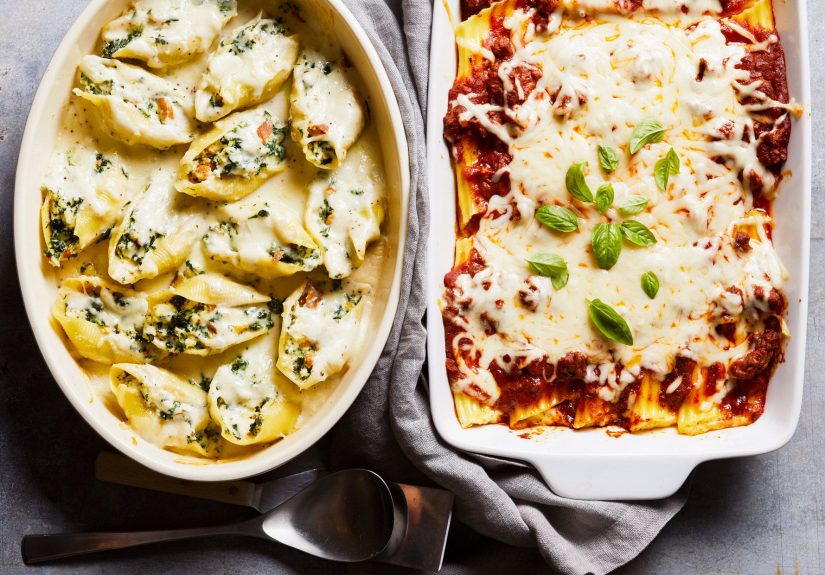
Stuffed manicotti is a baked pasta dish made with large tubular pasta that is filled, covered with sauce, topped with cheese, and baked until hot and bubbly. The most classic versions feature a creamy cheese filling based on ricotta, mozzarella, Parmesan, and egg, often with parsley or spinach mixed in. Some versions include ground beef, sausage, or other hearty additions, while others lean into the pure comfort of a cheese-forward filling.
In plain English, manicotti is basically pasta built for generosity. It is not trying to be subtle. It is trying to feed people well, make the house smell fantastic, and guarantee leftovers that taste even better the next day.
Why This Stuffed Manicotti Recipe Works
The best stuffed manicotti recipes have a few things in common: the filling is rich but not runny, the pasta stays tender without turning mushy, and the sauce keeps everything moist while the cheese on top gets beautifully melted. This version follows that winning formula while keeping the steps simple enough for a normal kitchen and a normal weeknight.
- Ricotta adds creaminess without making the filling overly heavy.
- Mozzarella and Parmesan build flavor and give the dish that classic stretchy, savory finish.
- Egg helps bind the filling so it stays neatly inside the pasta.
- Sauce on the bottom and top protects the shells and keeps them tender.
- Covered baking first, uncovered baking last gives you the best mix of moisture and browning.
Ingredients for Classic Stuffed Manicotti
For the Pasta and Sauce
- 1 box manicotti shells, about 8 ounces
- 4 to 5 cups marinara sauce, homemade or good-quality store-bought
- 1 to 1 1/2 cups shredded mozzarella for topping
- 2 to 3 tablespoons grated Parmesan for finishing
For the Cheese Filling
- 2 cups whole-milk ricotta cheese
- 1 1/2 cups shredded mozzarella cheese
- 3/4 cup grated Parmesan cheese
- 1 large egg
- 2 tablespoons chopped fresh parsley
- 1 teaspoon Italian seasoning
- 1/4 teaspoon ground nutmeg, optional but lovely
- Salt and black pepper to taste
- 1 cup chopped spinach, well-drained, optional
If you want a meat version, add 1/2 to 1 pound of cooked ground beef or Italian sausage to the filling or layer it into the sauce. If you want the classic cheese version, leave the meat out and let the ricotta do its charming little opera solo.
How to Make Stuffed Manicotti Step by Step
1. Prepare the Pasta
Cook the manicotti shells in salted water until just al dente, according to your package directions or slightly under if your brand tends to soften quickly in the oven. Be gentle. These shells are not emotionally prepared for rough handling. Drain them carefully and lay them in a single layer on a lightly oiled tray or parchment-lined surface so they do not stick together.
Some cooks use uncooked shells with extra-thin sauce or extra liquid in the baking dish. That can work, but for a dependable classic stuffed manicotti recipe, lightly pre-cooking the shells keeps the texture easier to control.
2. Make the Filling
In a large bowl, combine the ricotta, mozzarella, Parmesan, egg, parsley, Italian seasoning, nutmeg if using, salt, and pepper. If adding spinach, make sure it is squeezed very dry before mixing it in. Excess moisture is the sneaky villain of many baked pasta dishes. Nobody invites watery filling to dinner, but it shows up anyway if you do not wring out the greens.
Mix until everything is evenly combined. The filling should be creamy, thick, and spoonable, not loose or soupy.
3. Fill the Shells
You can use a small spoon, but the easiest method is to spoon the filling into a piping bag or a large zip-top bag with the corner snipped off. Pipe filling into each manicotti shell from both ends so the center gets filled properly. This trick saves time, reduces pasta breakage, and keeps your kitchen from looking like a ricotta blizzard passed through.
4. Assemble the Baking Dish
Spread about 1 cup of marinara sauce across the bottom of a 9×13-inch baking dish. Arrange the filled manicotti in a single layer on top. Spoon the remaining sauce over the shells, making sure they are well covered. Sprinkle mozzarella and Parmesan over the top.
Do not skimp on the sauce. Dry manicotti is a heartbreak nobody needs.
5. Bake Until Bubbly
Cover the dish with foil and bake at 375°F for about 25 to 30 minutes. Then uncover and bake for another 10 to 15 minutes, until the cheese is melted and the sauce is bubbling around the edges. Let it rest for 10 minutes before serving so the filling sets slightly and the servings hold together better.
Best Tips for Making Stuffed Manicotti
Use Whole-Milk Ricotta for Better Flavor
Whole-milk ricotta gives the filling a richer, smoother texture. Part-skim can work, but it tends to be a bit less luxurious. This is manicotti, not a lecture on restraint.
Drain Wet Ingredients Well
If you add spinach, thawed frozen spinach should be squeezed thoroughly until almost shockingly dry. Fresh spinach should be cooked down and drained the same way. Wet greens lead to watery filling, and watery filling leads to disappointment.
Undercook the Shells Slightly
Because the pasta continues cooking in the oven, shells that are fully soft before stuffing can tear easily and become mushy later. Aim for tender but still firm.
Use a Piping Bag
This is the trick that turns manicotti from “special occasion chaos” into “surprisingly manageable.” A disposable piping bag, reusable pastry bag, or zip-top bag works beautifully.
Let the Dish Rest Before Serving
Fresh from the oven, stuffed manicotti is molten and enthusiastic. Give it 10 minutes. You will get cleaner portions, better texture, and fewer cheese-related burns to the roof of your mouth.
Easy Variations on Stuffed Manicotti
Spinach Stuffed Manicotti
Add 1 cup of very well-drained spinach to the ricotta filling. This is one of the most popular variations because it adds color, flavor, and a tiny whisper of virtue.
Meat Stuffed Manicotti
Brown Italian sausage or ground beef with onion and garlic, then stir it into the filling or layer it in the sauce. Meat adds heartiness and turns manicotti into a dish that can silence a large, hungry table in under two minutes.
Three-Cheese Manicotti
Keep it vegetarian and extra cheesy with ricotta, mozzarella, and Parmesan. You can also add a little Pecorino Romano for sharper flavor.
Shortcut No-Boil Manicotti
Some modern versions skip pre-boiling by using extra sauce and moisture in the baking dish. If you try that route, make sure the shells are well covered and allow a longer baking time. It is handy, but classic pre-cooked shells usually offer more predictable results.
What to Serve With Stuffed Manicotti
Stuffed manicotti is rich, so it pairs well with lighter sides. A crisp green salad with Italian vinaigrette works beautifully. Garlic bread is always welcome, because apparently carbs enjoy making friends with other carbs. Roasted broccoli, green beans, or sautéed zucchini also balance the meal nicely.
For a dinner party, serve manicotti with antipasto, salad, and a simple dessert like lemon sorbet or biscotti. For a family dinner, serve it with bread and watch the pan disappear like magic.
How to Make Stuffed Manicotti Ahead of Time
This is an excellent make-ahead pasta bake. You can assemble the entire dish, cover it, and refrigerate it for up to 24 hours before baking. If baking straight from the refrigerator, add 10 to 15 extra minutes to the covered baking time.
You can also freeze stuffed manicotti before or after baking. To freeze before baking, assemble the dish in a freezer-safe pan, wrap it tightly, and freeze for up to 2 months. Thaw overnight in the refrigerator before baking, or bake from frozen with extra covered time. To freeze leftovers, store individual portions so you can reheat exactly what you need without entering a long-term relationship with one giant casserole block.
Common Mistakes to Avoid
- Overcooking the shells: They will tear more easily and turn mushy in the oven.
- Using watery ricotta or wet spinach: This weakens the filling and can make the dish soupy.
- Not enough sauce: The shells need moisture above and below to bake well.
- Stuffing too aggressively: Gentle filling prevents cracks and pasta explosions.
- Serving immediately from the oven: Resting helps the manicotti hold its shape.
Kitchen Experiences and Real-Life Lessons From Making Stuffed Manicotti
One of the funniest things about learning how to make stuffed manicotti is that the recipe looks elegant on the table but slightly ridiculous during the middle stages. There is often a moment when the pot is steaming, the sauce is splattering, the pasta shells are sliding around like tiny slippery canoes, and you wonder why you did not just order takeout. Then the dish goes into the oven, the whole kitchen starts smelling like garlic, tomato, and melted cheese, and suddenly you remember exactly why this recipe is worth it.
For many home cooks, the first real lesson with manicotti is patience. If you rush the pasta, it tears. If you rush the filling, it ends up lumpy. If you rush the serving, the beautiful stuffed tubes collapse into what can only be described as “delicious pasta rubble.” The good news is that even when manicotti looks a little messy, it still tastes fantastic. This is one of those forgiving comfort foods where appearance matters less than flavor, and flavor tends to show up generously.
Another common experience is discovering that the filling method can change your entire opinion of the recipe. Many people start with a spoon and immediately regret their life choices. Then they switch to a piping bag or zip-top bag and feel like they have unlocked a secret level. Suddenly the process becomes faster, cleaner, and far less dramatic. This one small trick is often the difference between making manicotti once and making it part of your regular dinner rotation.
Stuffed manicotti also tends to shine in real family situations. It is a great recipe for feeding a crowd because it feels special without requiring restaurant-level technique. It works for Sunday dinner, potlucks, holiday meals, and casual gatherings where people want something warm and satisfying. It is also one of those dishes that children, teenagers, picky adults, and serious food lovers can often agree on, which is honestly a rare and beautiful event.
Leftovers are another part of the manicotti experience worth celebrating. The flavors settle overnight, the sauce and filling mingle more deeply, and reheated portions often taste even better the next day. A slice of leftover manicotti for lunch has a way of making an ordinary weekday feel suspiciously successful. It is the sort of meal that waits in the refrigerator like a small reward for having survived emails, errands, and the general nonsense of modern life.
Many cooks also find that manicotti becomes easier and more personal over time. The first batch may be classic cheese. The next might include spinach. After that, maybe you try sausage, extra herbs, homemade marinara, or a little lemon zest in the filling for brightness. The recipe teaches confidence because it gives you a solid structure while still leaving room to play. Once you understand the basic rhythm, cook pasta, mix filling, stuff shells, add sauce, bake until bubbly, you can adapt it to your own taste and kitchen habits.
That may be the best part of learning how to make stuffed manicotti: it starts as a recipe, but it often ends as a tradition. The dish has warmth, generosity, and just enough theatrical melted cheese to make people remember it. And really, that is what great comfort food is supposed to do.
Conclusion
If you want a dinner that is cozy, crowd-pleasing, and wildly satisfying, stuffed manicotti deserves a spot on your table. It combines tender pasta, creamy ricotta filling, savory tomato sauce, and bubbling cheese in a way that feels classic for a reason. Once you learn a few smart techniques, especially using a piping bag, draining spinach well, and baking the dish covered before finishing uncovered, the process becomes simple and repeatable.
Whether you go with classic cheese, spinach ricotta, or a meaty variation, stuffed manicotti is the kind of recipe that delivers comfort with a little flair. It is generous, freezer-friendly, make-ahead friendly, and excellent for both weeknight dinners and special gatherings. In other words, it is pasta with excellent manners and very good timing.