Table of Contents >> Show >> Hide
- Before You Start: Is It a Craving or Real Hunger?
- 1) Eat Balanced Meals (Protein + Fiber = Fewer “Snack Emergencies”)
- 2) Don’t Skip Meals (It Backfires Like a Bad Plot Twist)
- 3) Hydrate First (Because Thirst Is a Great Impersonator)
- 4) Sleep Like It’s Your Secret Weapon
- 5) Manage Stress (Cortisol Loves a Drive-Thru)
- 6) Move Your Body (Cravings Hate Being Interrupted)
- 7) Practice Mindful Eating (Yes, It’s RealNot Just a Wellness Poster)
- 8) Change Your Environment (Out of Sight Is Not a Myth)
- 9) Plan Ahead for Your “Craving Times”
- 10) Use Smart Swaps (Not Sad Swaps)
- 11) Allow Planned Portions (Because “Never Again” Usually Becomes “Right Now”)
- 12) Ride the Wave (Cravings Peak, Then Pass)
- Putting It Together: A Simple “Craving Plan” You Can Actually Use
- When to Get Extra Support
- Real-Life Experiences: 5 Lessons People Learn the Hard Way (So You Don’t Have To)
- Conclusion
- SEO Tags
Food cravings are sneaky. One minute you’re answering emails like a responsible adult, and the next you’re
thinking about potato chips with the intensity of a Shakespearean love story. The good news: cravings aren’t a
character flaw. They’re a mix of biology (hello, hunger hormones), habits (hello, “snack o’clock”), emotions
(hello, stress), and environment (hello, that open bag of cookies on the counter).
This guide breaks down 12 practical, evidence-based ways to overcome food cravingswithout pretending
you’ll never want dessert again. Because the goal isn’t to become a craving-free robot. It’s to stay in charge
when your brain starts pitching a late-night infomercial for nachos.
Before You Start: Is It a Craving or Real Hunger?
Quick check: hunger builds gradually, and many foods sound appealing. cravings often feel urgent,
specific (“only donuts will do”), and show up when you’re tired, stressed, bored, or surrounded by tempting cues.
Neither is “bad”but knowing which one you’re dealing with helps you choose the right tool.
- Try the 10-minute test: drink water, breathe, and wait 10 minutes. If it fades, it was likely a craving cue.
- Try the “apple test”: if an apple (or any basic food) sounds good, you’re probably hungry. If not, it’s probably a craving.
1) Eat Balanced Meals (Protein + Fiber = Fewer “Snack Emergencies”)
One of the most reliable ways to reduce cravings is also the least dramatic: eat meals that keep you full.
Protein and fiber slow digestion and help steady energy, so you’re less likely to go from “fine”
to “I would trade my car for a muffin” in 15 minutes.
What to do
- Build meals around lean protein (eggs, Greek yogurt, beans, chicken, tofu).
- Add fiber (vegetables, berries, oats, lentils, whole grains).
- Include a healthy fat (nuts, avocado, olive oil) for satisfaction.
Example: Instead of cereal alone, try oatmeal + peanut butter + berries, or eggs + whole-grain toast + fruit.
Balanced meals don’t just “fill you up”they reduce the blood-sugar rollercoaster that can make cravings louder.
2) Don’t Skip Meals (It Backfires Like a Bad Plot Twist)
Skipping meals can turn later cravings into a full-blown rebellion. When you get too hungry, your brain starts
prioritizing quick energyoften ultra-processed, high-sugar, high-salt foods. That’s not weakness; that’s your
survival wiring doing its job a little too enthusiastically.
What to do
- Aim for consistent meals, especially if afternoons or late nights are your danger zones.
- If you’re busy, plan a “bridge snack” (protein + fiber) to prevent crash-and-crave.
Example: A mid-afternoon snack like an apple + string cheese or hummus + carrots can prevent
the 9 p.m. pantry raid.
3) Hydrate First (Because Thirst Is a Great Impersonator)
Dehydration can feel like hunger, and it can amplify cravingsespecially when you’re tired or stressed.
Before you “treat yourself” to a sleeve of cookies, try water. Worst case: you’re hydrated and still want cookies.
Best case: the craving drops to a whisper.
What to do
- Drink a full glass of water and wait 10 minutes.
- If plain water is boring, try sparkling water, herbal tea, or water with citrus.
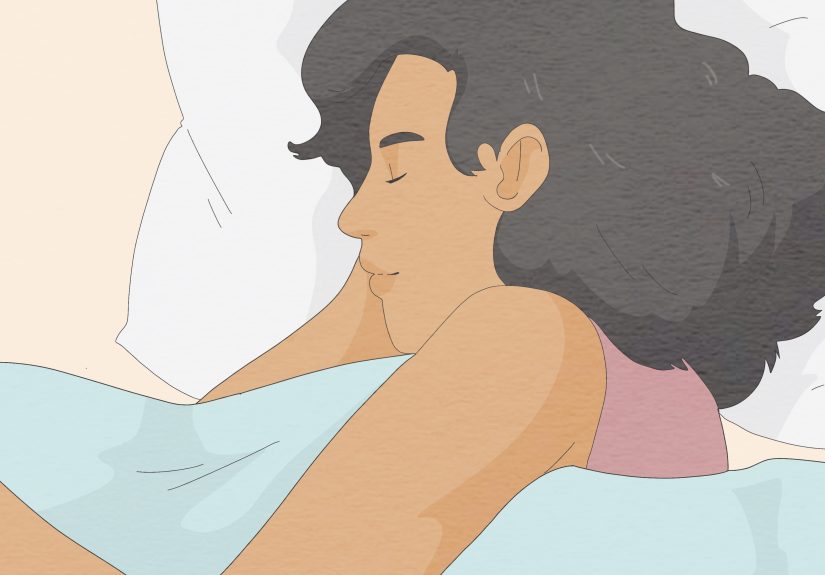
4) Sleep Like It’s Your Secret Weapon
Sleep doesn’t just affect moodit affects appetite regulation. When you’re short on sleep, your body can tilt
toward “more hunger, less fullness,” and cravings for sugary, high-calorie foods become louder and more persuasive.
If cravings feel impossible lately, ask yourself: Have I been sleeping like a raccoon?
What to do
- Target a consistent bedtime and wake time (yes, even on weekendssorry).
- Create a short wind-down routine: dim lights, screens off, light stretching, or reading.
- If nighttime cravings hit, try a planned balanced snack (see #10) instead of random grazing.
5) Manage Stress (Cortisol Loves a Drive-Thru)
Stress eating isn’t imaginary. When stress is chronic, the body can shift appetite and food preferences toward
hyper-palatable foodssweet, salty, crunchy, creamybasically anything that feels like a warm blanket with calories.
The goal isn’t “never stress.” It’s having non-food stress outlets ready before cravings take the wheel.
What to do
- Try a 2-minute reset: slow breathing, a quick walk, or a short stretch.
- Keep a list of “stress substitutes”: shower, music, call a friend, journaling, light chores, stepping outside.
- If stress is intense or persistent, consider talking with a therapist or registered dietitian.
6) Move Your Body (Cravings Hate Being Interrupted)
Physical activity can reduce stress and shift attention away from cravings. You don’t need a heroic workout.
Even 5–10 minutes of movement can create a “pattern break” that helps cravings pass.
What to do
- Try “micro-movement”: walk around the block, climb stairs, do a short mobility routine.
- If cravings hit at work, stand up, refill water, and do a lap.
7) Practice Mindful Eating (Yes, It’s RealNot Just a Wellness Poster)
Mindful eating helps you notice what’s driving the urgehunger, stress, habit, or environmentand slows the
autopilot hand-to-mouth cycle. It’s not about eating perfectly. It’s about eating on purpose.
What to do
- Pause before eating and rate hunger from 1–10.
- Eat without screens for the first few minutes.
- Slow down: chew, savor, and check in halfway through.
- If you choose the craved food, portion it onto a plate and enjoy it fully.
Mindful eating is especially useful for emotional eating and “I don’t even remember eating that” snacking.
8) Change Your Environment (Out of Sight Is Not a Myth)
Cravings are often cue-driven: you see it, you want it. That’s why the easiest way to reduce cravings is sometimes
moving the food, not “finding more willpower.” If your kitchen counter looks like a convenience store checkout,
your brain will behave accordingly.
What to do
- Put trigger foods in opaque containers, high shelves, or a “sometimes” cabinet.
- Keep healthier options visible: fruit bowl, yogurt, nuts, pre-cut veggies.
- Keep food out of your work area if you tend to mindlessly snack while working.
9) Plan Ahead for Your “Craving Times”
Most cravings are predictable: late afternoon, after dinner, during stressful meetings, or when you’re exhausted
and scrolling. Planning makes cravings boringwhich is exactly what we want.
What to do
- Identify your top 2 craving windows (time + place + mood).
- Set a simple “if-then” plan:
- If I crave sweets after dinner, then I’ll have tea and a planned snack if needed.
- If I crave chips at 3 p.m., then I’ll eat a protein + fiber snack first.
- Keep “rescue snacks” ready so decisions aren’t made while you’re starving.
10) Use Smart Swaps (Not Sad Swaps)
Swaps work when they hit the same “craving need”sweetness, crunch, salt, comfortwithout igniting a spiral.
The best swap is the one you’ll actually eat and enjoy.
Examples
- Sweet craving: Greek yogurt + berries; dark chocolate square + nuts; fruit + peanut butter.
- Crunch craving: air-popped popcorn; roasted chickpeas; carrots + hummus.
- Salty craving: olives; lightly salted nuts; edamame; a balanced snack with protein.
- Comfort craving: warm oatmeal; soup; a balanced “mini meal.”
If a swap leaves you feeling deprived, it’s not a swapit’s a punishment wearing a cardigan.
11) Allow Planned Portions (Because “Never Again” Usually Becomes “Right Now”)
Overly strict rules can intensify cravings. For many people, a better approach is a planned portion:
enjoy a small serving intentionally, then move onno guilt, no drama, no “well I already messed up, so…”
What to do
- Serve a portion on a plate (not from the bag like a movie villain).
- Eat it slowly and enjoy it.
- Pair it with something stabilizing if needed (e.g., chocolate + nuts).
12) Ride the Wave (Cravings Peak, Then Pass)
Cravings often work like a wave: they rise, peak, and fallespecially when you don’t instantly react.
This is called “urge surfing,” and it’s surprisingly effective. The trick is to treat the craving like a
passing weather pattern, not a command.
What to do
- Set a timer for 10 minutes.
- Do something absorbing: walk, shower, clean, call someone, play a quick game, fold laundry.
- Try sugar-free gum or a mint for a sensory reset.
- If you still want the food after 10 minutes, decide intentionally (not automatically).
Putting It Together: A Simple “Craving Plan” You Can Actually Use
Here’s a quick script for the moment a craving hits:
- Pause: “What am I feelinghungry, tired, stressed, bored?”
- Hydrate: drink water or tea.
- Stabilize: if hungry, eat protein + fiber.
- Interrupt: move for 5 minutes or change rooms.
- Decide: if you choose the treat, portion it and enjoy it mindfully.
When to Get Extra Support
If cravings feel constant, intense, or tied to guilt, bingeing, or loss of control, you’re not aloneand you don’t
have to white-knuckle it. A registered dietitian or therapist can help you identify triggers, build sustainable
structure, and improve your relationship with food. Also consider checking in with a clinician if cravings come with
sudden weight changes, fatigue, medication changes, or other symptoms.
Real-Life Experiences: 5 Lessons People Learn the Hard Way (So You Don’t Have To)
Advice is nice. Experience is louder. Here are a few real-world patterns that show up again and again when people
work on overcoming food cravingsespecially sugar cravings, late-night snacking, and stress eating.
1) The “I’ll Just Be Good Today” Trap
A lot of people start with an all-or-nothing mindset: “No sugar, no snacks, no fun, no joy.” It works for about
36 hoursright up until life happens. Then the craving hits, willpower collapses, and suddenly it’s not one cookie,
it’s the whole box because “tomorrow I’ll start over.” The breakthrough moment is realizing that
planned flexibility beats strict perfection. People do better when they build treats into a routine
(a dessert night, a single serving after dinner) instead of acting like cravings are moral failures.
2) The Afternoon Crash Isn’t a MysteryIt’s Math
Many cravings have a boring cause: lunch was too small, too low in protein, or mostly refined carbs. Then 3 p.m.
arrives, energy dips, and the brain starts screaming for quick fuel. People who fix this usually do one simple thing:
they upgrade lunch (protein + fiber) and add a bridge snack. The funny part? Once they do, the “office candy bowl”
becomes less of a siren song and more of a polite suggestion.
3) “I’m Craving Chocolate” Sometimes Means “I’m Overstimulated”
Stress cravings often aren’t about hunger. They’re about relief. People notice cravings spike after difficult calls,
family chaos, doomscrolling, or working late. The most useful shift is building a short stress routine that comes
before food: a two-minute breathing reset, a quick walk, stretching, or even stepping outside for sunlight.
What surprises many people is that cravings don’t always disappearbut they get quieter, and the urgency drops.
That’s enough to make a deliberate choice instead of an automatic one.
4) The Kitchen Isn’t the VillainBut the Setup Matters
People often blame themselves when the real issue is environment. If your counter has chips, cookies, and candy in
plain view, your brain is basically living in a constant advertisement. Folks who make the biggest progress usually
don’t “ban” foods. They just change the default: fruit on the counter, snacks portioned, trigger foods harder to
access, and less eating in front of screens. It sounds almost too simple, but it’s powerful: fewer cues means fewer
cravingswithout any extra willpower.
5) Sleep Fixes More Than Anyone Wants to Admit
This one annoys people because it’s not as exciting as a “miracle snack hack.” But when someone starts sleeping
consistentlyespecially if they were running on 5–6 hourscravings often drop dramatically. Late-night snacking
becomes less intense, sugar cravings are less urgent, and decision-making improves. People report that they can
actually pause and think, “Do I want this?” instead of feeling dragged to the pantry by an invisible rope.
If cravings feel unusually powerful lately, sleep is one of the highest-impact places to look.
Conclusion
Overcoming food cravings isn’t about “never craving.” It’s about building a system that makes cravings manageable:
balanced meals, enough sleep, stress tools, mindful eating, smart environment tweaks, and a plan for your predictable
craving moments. Start with one or two changes, practice them for a week, and you’ll likely notice cravings losing
their dramatic flair. (And honestly, your pantry deserves a break from all the late-night chaos.)