Table of Contents >> Show >> Hide
- Why Cleaning Your Mattress Matters
- How Often Should You Clean a Mattress?
- What You Need to Clean a Mattress
- How to Clean a Mattress Step by Step
- How to Remove Common Mattress Stains
- Can You Steam Clean a Mattress?
- How to Clean a Memory Foam Mattress
- How to Keep a Mattress Fresh Longer
- When to Call a Professional
- Common Mattress Cleaning Mistakes to Avoid
- Real-Life Experience: What Actually Works When Cleaning a Mattress
- Conclusion
Note: This article is written for web publishing and synthesizes practical mattress-care guidance from reputable U.S. cleaning, bedding, allergy, consumer, and public-health resources. Source links are intentionally not included per request.
Your mattress works the night shift. While you sleep, it quietly collects sweat, skin flakes, body oils, dust, pet hair, snack crumbs from that “just one episode” bedtime routine, and the occasional mystery stain nobody in the house seems willing to claim. The good news? Learning how to clean a mattress is much easier than people think. You do not need a laboratory, a hazmat suit, or a dramatic soundtrack. You need the right method, a little patience, and the emotional strength to look under the fitted sheet.
A clean mattress can improve your sleep environment, reduce odors, help manage allergens, and extend the life of your bed. Since most mattresses cannot be tossed into the washing machine, the trick is to clean the surface carefully, remove moisture quickly, and avoid anything that could damage foam, fabric, stitching, or inner materials. This guide walks you through a practical, step-by-step process for deep cleaning a mattress at home, removing common stains, controlling odors, and keeping your bed fresher for longer.
Why Cleaning Your Mattress Matters
Most people wash sheets regularly but forget the mattress underneath. That is like showering every day but never washing your towel. Over time, mattresses collect dead skin cells, dust, sweat, oils, pollen, dust mites, and everyday debris. If you have allergies, pets, kids, or a habit of drinking coffee in bed while pretending you are the main character in a cozy lifestyle commercial, mattress cleaning becomes even more important.
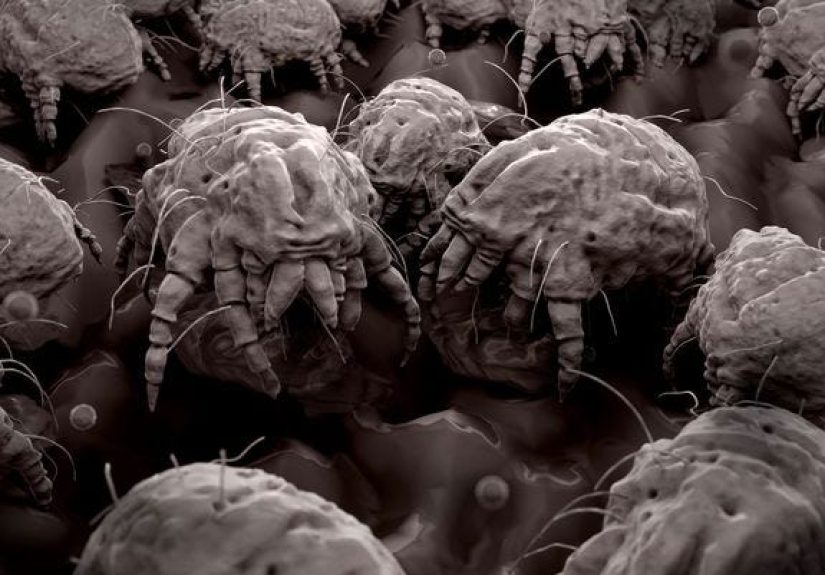
Dust mites are a major reason to care. These microscopic pests feed on skin flakes and often live in bedding, mattresses, pillows, carpets, and upholstered furniture. They do not bite, but their waste and body fragments can trigger sneezing, itchy eyes, congestion, coughing, and asthma symptoms in sensitive people. Regular vacuuming, washing bedding, controlling humidity, and using mattress protectors can help reduce exposure.
Cleaning also helps with mattress longevity. Sweat and oils can gradually discolor fabric and create yellow stains. Spills can leave odors. Moisture that sits too long can encourage mildew. A mattress is an investment, and unlike a T-shirt, it does not get a second chance in the spin cycle.
How Often Should You Clean a Mattress?
For general maintenance, vacuum your mattress every one to three months. Deep clean it about twice a year, or more often if you have allergies, pets, frequent spills, or someone has been sick. Wash sheets weekly or every one to two weeks, depending on your household. Mattress protectors should usually be washed every month or two, or immediately after spills.
Here is a simple schedule that works for most homes:
- Weekly: Wash sheets and pillowcases.
- Monthly: Vacuum the mattress surface and wash the mattress protector.
- Every three to six months: Deodorize with baking soda and spot-clean stains.
- Immediately: Treat spills, urine, blood, vomit, sweat marks, or pet accidents as soon as possible.
What You Need to Clean a Mattress
Before you start, gather your supplies. Mattress cleaning is much less annoying when you are not running around the house looking for baking soda while holding a damp towel and questioning your life choices.
Basic Supplies
- Vacuum with upholstery attachment
- Baking soda
- Mild liquid dish soap or gentle laundry detergent
- Cold water
- Clean white cloths or microfiber towels
- Spray bottle
- Soft brush
- Enzyme cleaner for biological stains
- Hydrogen peroxide for certain stubborn stains, used carefully
- White vinegar for odor control and some stains
- Fan or open window for drying
Important Safety Rule: Do Not Soak the Mattress
The biggest mistake people make is using too much liquid. Mattresses, especially memory foam and hybrid models, do not like being wet. Excess moisture can sink into the layers and become difficult to dry. That can lead to odors, mildew, or material breakdown. Use cleaning solutions lightly, blot instead of scrub, and dry the mattress completely before making the bed again.
Also, never mix cleaning chemicals. Do not combine bleach with anything. Do not mix vinegar and hydrogen peroxide in the same bottle. Use one method at a time, rinse or blot between treatments, and always test a hidden area first.
How to Clean a Mattress Step by Step
Step 1: Strip the Bed Completely
Remove sheets, pillowcases, blankets, comforters, mattress pads, and protectors. Wash washable bedding according to the care label. If allergies, illness, or dust mites are a concern, use hot water when the fabric allows. Dry everything thoroughly before putting it back on the bed.
This is also a good time to inspect the mattress. Look for stains, odors, sagging, loose seams, and signs of pests. If you notice small dark spots, shed skins, or live insects, stop and investigate before doing a routine cleaning. Bed bugs require a more serious plan and often professional pest control.
Step 2: Vacuum the Mattress Thoroughly
Use the upholstery attachment on your vacuum. Work slowly across the entire mattress surface, including the top, sides, seams, edges, and corners. Use the crevice tool along piping and stitched areas where dust and debris collect. If your mattress can be flipped, vacuum both sides. If it is a one-sided mattress, rotate it later if the manufacturer recommends it.
Vacuuming removes dust, hair, skin flakes, crumbs, and loose allergens. Slow passes are better than fast swipes. Think of it as mowing a very expensive, fabric-covered lawn.
Step 3: Spot-Clean Stains
Stains need targeted treatment. Do not spray the entire mattress with cleaner and hope for the best. That is not cleaning; that is misting your bed with regret. Identify the stain type if possible, then treat only the affected area.
Step 4: Deodorize with Baking Soda
Once stains are treated and the mattress surface is dry or nearly dry, sprinkle a thin, even layer of baking soda across the top. Baking soda helps absorb moisture and neutralize odors. Let it sit for at least a few hours. If you have time, leave it for eight hours or even most of the day.
Open the windows if weather allows, or turn on a fan. Sunlight and airflow help freshen the mattress naturally. Just make sure the mattress stays dry and protected from outdoor dust or pollen.
Step 5: Vacuum Again
After the baking soda has done its job, vacuum the mattress thoroughly again. Check your vacuum manual first if you plan to use a large amount of baking soda, because fine powders can be hard on some machines. If needed, sweep up extra baking soda with a clean brush before vacuuming.
Step 6: Let the Mattress Dry Completely
Do not rush this step. A mattress should be completely dry before you add sheets, protectors, or blankets. Use fans, open windows, or a dehumidifier if needed. If the surface still feels cool or damp, give it more time. Covering a damp mattress traps moisture, and trapped moisture is where freshness goes to retire.
Step 7: Add a Clean Mattress Protector
A washable mattress protector is one of the easiest ways to keep a mattress clean. It creates a barrier against sweat, spills, body oils, dust, and allergens. Waterproof protectors are especially helpful for kids, pets, and anyone who enjoys beverages near the bed with dangerous confidence.
How to Remove Common Mattress Stains
How to Remove Sweat Stains
Yellow stains usually come from sweat, body oils, lotions, and time. Mix a small amount of mild dish soap or gentle laundry detergent with cool water. Dip a clean cloth into the solution, wring it out well, and blot the stain. Avoid soaking. Follow with a cloth dampened with plain water, then blot dry.
For older yellow stains, a small amount of hydrogen peroxide may help on light-colored mattress fabric. Test first in a hidden spot because it can discolor some materials. Apply lightly, blot, and let the area dry fully.
How to Remove Urine from a Mattress
Act quickly. Remove bedding and wash it. Blot the wet area with clean towels. Do not rub, because rubbing pushes liquid deeper into the mattress. Mix equal parts cold water and white vinegar in a spray bottle, then lightly mist the stained area. Blot again. Sprinkle baking soda over the spot and let it sit for several hours before vacuuming.
For pet urine or strong odors, use an enzyme cleaner designed for fabric. Enzyme cleaners break down odor-causing proteins instead of simply covering them with fragrance. Follow the label instructions and use as little liquid as possible.
How to Remove Blood Stains
Use cold water only. Hot water can set protein-based stains like blood. Blot the stain with a cold, damp cloth. If needed, apply a tiny amount of mild soap or a paste made from baking soda and cold water. Let it sit briefly, then blot away. For stubborn stains on light fabric, carefully test hydrogen peroxide on a hidden area before using it on the stain.
How to Remove Vomit Stains
Remove solids first using paper towels or a spoon, then blot the area with clean towels. Use an enzyme cleaner or a mild soap solution to treat the stain. Blot with plain water afterward and apply baking soda to absorb odor. Let it sit for at least several hours before vacuuming.
How to Remove Food and Drink Stains
For coffee, tea, juice, or snack stains, blot immediately. Use a mild dish soap solution and a clean cloth. Work from the outside of the stain toward the center to avoid spreading it. Rinse by blotting with a cloth dampened in plain water, then dry thoroughly.
Can You Steam Clean a Mattress?
Steam can help sanitize surfaces and may reduce dust mites or pests near the surface, but it must be used carefully. Too much steam can leave moisture inside the mattress. Before steam cleaning, check the mattress care label and manufacturer recommendations. Some memory foam, latex, and specialty mattresses may not tolerate steam well.
If steam cleaning is allowed, vacuum first. Use a steamer that produces hot steam without soaking the fabric. Move slowly but do not over-wet any area. After steaming, let the mattress dry completely with strong airflow. Plan this job early in the day, not at bedtime, unless you enjoy sleeping on the couch while your mattress contemplates evaporation.
How to Clean a Memory Foam Mattress
Memory foam needs extra caution because it absorbs moisture and dries slowly. Never pour water on it, never use a carpet shampooer on it, and avoid aggressive scrubbing. Vacuum gently, spot-clean with lightly damp cloths, and use baking soda for odors.
If a memory foam mattress gets wet, blot immediately and use fans to dry it. Remove any cover only if the care label says it is removable and washable. Some zippered covers are not meant to be washed, even though they look removable. Always check first.
How to Keep a Mattress Fresh Longer
Use a Mattress Protector
A mattress protector is the unsung hero of bed hygiene. It is easier to wash a protector than to deep clean a mattress. Choose one that is breathable, washable, and suited to your needs. For allergy concerns, look for allergen-barrier encasements that cover the full mattress.
Wash Bedding Regularly
Sheets, pillowcases, blankets, and mattress covers collect sweat, oils, and skin flakes before they reach the mattress. Washing them regularly is the first line of defense. If dust mites are a concern, hot water and high-heat drying may help when the fabric can handle it.
Control Bedroom Humidity
Dust mites and mildew love moisture. Keep your bedroom dry and well ventilated. A dehumidifier can help in humid climates. Avoid making the bed immediately if the sheets feel warm or damp from sleep. Letting the bed air out for a short time can help moisture evaporate.
Rotate the Mattress
Many mattresses benefit from being rotated every three to six months. Rotation helps even out wear and can reduce body impressions. Do not flip a one-sided mattress unless the manufacturer says it is designed for flipping.
Keep Food and Drinks Away from Bed
This advice is obvious, annoying, and painfully correct. Food in bed leads to crumbs, stains, odors, and sometimes insects. If you must snack in bed, use a tray and accept that your mattress is silently judging you.
When to Call a Professional
Some situations go beyond regular home cleaning. Call a professional if the mattress has heavy urine saturation, widespread mold, strong persistent odors, flood damage, or suspected bed bugs. If mold is visible or the mattress smells musty even after drying, replacement may be safer than continued cleaning.
For bed bugs, do not rely only on sprays or online hacks. Wash and dry bedding on high heat if the fabric allows, vacuum carefully, use encasements, and contact a licensed pest control professional. Bed bugs are not a sign of poor hygiene, but they are persistent and require a coordinated treatment plan.
Common Mattress Cleaning Mistakes to Avoid
- Using too much water: Moisture trapped inside a mattress can cause odors and mildew.
- Scrubbing aggressively: Scrubbing can spread stains and damage fabric.
- Using harsh chemicals: Bleach and strong cleaners can discolor fabric and irritate skin.
- Making the bed too soon: Always let the mattress dry completely.
- Ignoring the care label: Mattress materials vary, and the wrong method can void warranties or damage foam.
- Skipping the protector: Prevention is easier than stain removal.
Real-Life Experience: What Actually Works When Cleaning a Mattress
After cleaning more mattresses than anyone should discuss at dinner, one lesson stands out: speed matters. Fresh stains are dramatically easier to handle than old stains. A spill treated within five minutes often needs only blotting, a mild cleaner, and drying time. A spill discovered three days later becomes a tiny archaeology project. You are no longer cleaning; you are negotiating with history.
The best routine is boring, and that is exactly why it works. Strip the bed, wash the bedding, vacuum slowly, treat stains lightly, use baking soda, vacuum again, and dry completely. No fireworks. No miracle potion. No dramatic before-and-after reveal where the mattress glows like it just got accepted into heaven. Just steady, practical cleaning.
One especially useful habit is keeping a small “mattress rescue kit” in the laundry room. Mine would include baking soda, a spray bottle, white cloths, mild detergent, enzyme cleaner, and a soft brush. When a spill happens, you do not want to search three cabinets and discover that the only available cleaning tool is a Christmas napkin and blind optimism.
Another real-world lesson: baking soda needs time. People sprinkle it on, wait four minutes, vacuum it up, and then complain it did nothing. Baking soda is not a magician. It absorbs odors slowly. Give it several hours whenever possible. For a mattress that smells stale, apply it in the morning, leave the bed uncovered all day, and vacuum in the evening. The result is usually much fresher.
For homes with pets, enzyme cleaner is worth having. Regular soap may clean the surface, but pet urine odors can linger because the source is biological. Enzyme cleaners are designed to break that down. Use them carefully, follow the directions, and do not flood the mattress. Pets also have a suspicious talent for returning to the same spot, so a waterproof protector is not optional. It is peace insurance.
For families with kids, mattress protectors are the difference between a five-minute cleanup and a full emotional saga. Kids get sick, spill drinks, sneak snacks, and sometimes treat beds like indoor trampolines with pillows. A washable protector takes the hit so the mattress does not have to. Buy one before you need it. That advice sounds boring until 2:13 a.m., when it becomes wisdom carved into stone.
For allergy sufferers, consistency beats occasional deep cleaning. Vacuuming once a month, washing bedding weekly, and using allergen covers can make the bedroom feel noticeably cleaner. It may not eliminate every allergen, but it reduces buildup. Also, do not forget pillows. A clean mattress under dusty pillows is like washing your car and driving it through a mud puddle for dramatic effect.
Finally, the most underrated cleaning tool is airflow. Whether you spot-clean, deodorize, or steam, drying is everything. Open a window, turn on a fan, use a dehumidifier, and give the mattress time. A fully dry mattress smells fresher, feels better, and is less likely to develop musty problems. If you remember only one thing from this guide, make it this: clean lightly, dry thoroughly, and protect the mattress before life gets creative.
Conclusion
Knowing how to clean a mattress is not complicated, but it does require the right approach. Vacuum regularly, spot-clean stains quickly, deodorize with baking soda, avoid soaking the mattress, and let everything dry completely. Add a washable mattress protector, keep bedding clean, and rotate the mattress when recommended. These simple habits can help reduce odors, manage allergens, prevent stains, and keep your sleep space more comfortable.
A mattress may not ask for much, but considering it supports you every night, it deserves better than being ignored under a fitted sheet for years. Give it a proper cleaning now and then, and your bed will feel fresher, your room will smell better, and your future self will thank you every time your head hits the pillow.