Table of Contents >> Show >> Hide
- What Is the Secret Garden in Regent’s Park?
- Why St John’s Lodge Garden Feels So Hidden
- Queen Mary’s Gardens: The Famous Neighbor With 12,000 Roses
- A Short History of Regent’s Park
- What to See Near the Secret Garden
- Best Time to Visit the Secret Garden
- How to Visit Like a Garden Lover, Not Just a Tourist
- Practical Tips for Visiting Regent’s Park’s Secret Garden
- Why This Secret Garden Matters
- Experiences Inspired by “A Secret Garden in the Middle of Regent’s Park in London”
- Conclusion: London’s Quietest Kind of Luxury
London is wonderfully dramatic about its green spaces. It does not merely offer you a park; it hands you a royal park, adds a boating lake, places a zoo next door, throws in roses by the thousands, and then quietly hides a garden so peaceful that you might walk past it twice before realizing you have missed the best part. That hidden place is St John’s Lodge Garden, one of the loveliest “secret garden” experiences in the middle of Regent’s Park in London.
Regent’s Park is not exactly shy. It stretches across a grand slice of central London, framed by handsome terraces, tree-lined avenues, sports fields, water, flower beds, and the famous rise of Primrose Hill nearby. Yet within this elegant, very public landscape sits a quieter world: a tucked-away garden reached from the Inner Circle, where the city’s noise drops its voice and the planting begins to feel almost theatrical. If Queen Mary’s Gardens is the park’s show-stopping floral opera, St John’s Lodge Garden is its whispered sonnet.
This guide explores the secret garden in Regent’s Park, why it feels so special, what to see nearby, and how to experience the area like someone who knows the park’s quieter corners instead of simply following the loudest crowd, the nearest ice cream cart, or the person confidently walking in the wrong direction.
What Is the Secret Garden in Regent’s Park?
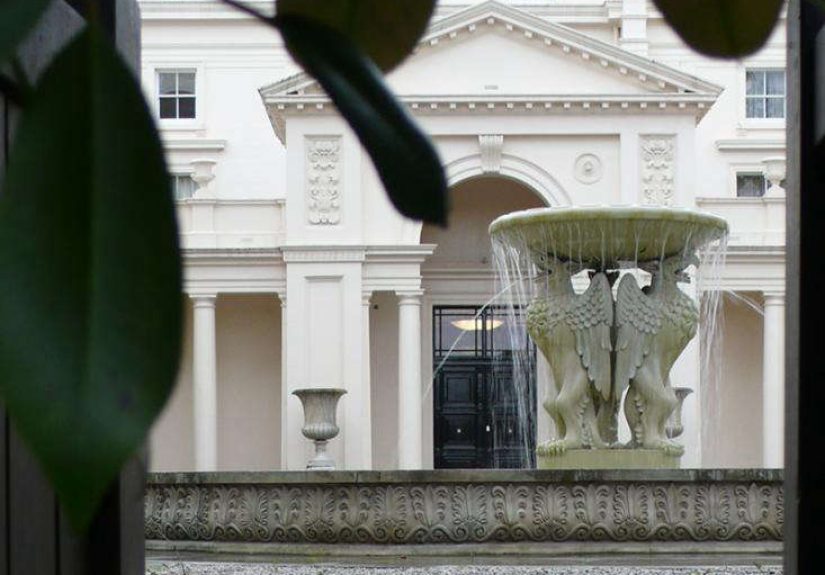
When people talk about a “secret garden” in Regent’s Park, they are usually referring to St John’s Lodge Garden. St John’s Lodge itself is a private residence, but its main garden has public access from the Inner Circle. That mix of private architecture and public greenery gives the space an unusual charm: you feel as though you have been allowed into a hidden chapter of London, but without having to climb a wall, bribe a gardener, or pretend to be delivering antique teacups.
The lodge was built around 1818 and has passed through several eras of London life. It has been linked with wealthy owners, architectural changes, wartime uses, and institutional history. In the late nineteenth century, the 3rd Marquess of Bute commissioned Robert Weir Schultz to improve the garden layout, helping shape the reflective, enclosed feeling that still defines the space today.
The garden was designed for calm. Its paths, planting, stonework, and intimate compartments encourage visitors to slow down rather than stride through. This is not a “tick it off the list and sprint to the next attraction” kind of place. It is a garden for sitting, noticing, breathing, and possibly having a small emotional conversation with a very well-placed urn.
Why St John’s Lodge Garden Feels So Hidden
The magic begins before you properly arrive. Unlike the grand entrances and sweeping lawns elsewhere in Regent’s Park, St John’s Lodge Garden reveals itself quietly. You approach through a modest entrance from the Inner Circle, and the route does not immediately advertise what waits beyond. That is part of the pleasure. A true secret garden should not behave like a billboard.
Inside, the garden changes the mood quickly. The scale becomes smaller, the planting more intimate, and the pace more reflective. Arches, borders, climbers, seasonal flowers, and sculptural details give the space a layered quality. In summer, roses, clematis, and honeysuckle can soften the walkway and bring that almost storybook feeling people secretly hope for when they visit a garden in London.
It is also a reminder that “hidden gem” does not always mean “unknown.” Many Londoners, garden lovers, and repeat visitors know St John’s Lodge Garden well. The secret is not that nobody has heard of it. The secret is that it still feels protected. Even in a famous park, it manages to keep its shoulders relaxed.
Queen Mary’s Gardens: The Famous Neighbor With 12,000 Roses
If St John’s Lodge Garden is the quiet secret, Queen Mary’s Gardens is the glamorous neighbor who arrives wearing a floral cape. Located within Regent’s Park’s Inner Circle, Queen Mary’s Gardens is home to London’s largest collection of roses, with approximately 12,000 roses planted across 85 single-variety beds. That is not a garden; that is a scented committee meeting with petals.
The rose garden is especially popular in June, when the blooms tend to be at their best. Visitors come for the color, the fragrance, the pathways, the fountains, and the wonderfully photogenic sense of abundance. It is one of the most romantic corners of Regent’s Park, though romance here has to share space with photographers, families, gardeners, joggers, and at least one person trying very hard to take a “casual” photo while clearly directing a full editorial shoot.
Queen Mary’s Gardens also includes more than roses. The area features carefully designed shrubberies, ornamental planting, water features, and garden rooms that create privacy and surprise. Its design helps visitors move from broad public parkland into a more immersive floral setting. The result is a garden that feels both formal and alive, polished but not stiff.
How the Two Gardens Work Together
The best way to understand Regent’s Park is to see St John’s Lodge Garden and Queen Mary’s Gardens as complementary experiences. One is quiet, enclosed, and meditative. The other is expansive, colorful, and celebratory. Visit both, and you get two versions of London garden beauty in a single walk.
Start with St John’s Lodge Garden if you want calm first, then move into Queen Mary’s Gardens for sensory drama. Or reverse the order: enjoy the roses, fountains, and crowds, then retreat into the secret garden when your brain needs a little less “main character in a travel vlog” and a little more “peaceful person who knows where benches are.”
A Short History of Regent’s Park
Regent’s Park has the kind of history that makes London feel layered rather than merely old. The area was once part of royal hunting land and later became central to early nineteenth-century plans for a grand urban landscape. Architect John Nash played a major role in the park’s planning, helping shape the elegant vision of terraces, villas, roads, and open space that still influences the area’s character.
Today, Regent’s Park is one of London’s Royal Parks and remains one of the city’s most beautiful public landscapes. It blends formality and recreation: manicured gardens, broad lawns, sports facilities, wildlife habitats, playgrounds, cafes, and walking routes all coexist within the same green frame. It is refined enough for a royal promenade and practical enough for someone eating a sandwich on a bench while pretending pigeons are not negotiating aggressively.
The park’s design makes it unusually versatile. You can come for a quiet garden visit, a family day out, a cultural event, a long walk, birdwatching, a run, a picnic, or a climb up Primrose Hill for one of London’s classic skyline views. It is a park that rewards both planning and wandering.
What to See Near the Secret Garden
One of the best things about St John’s Lodge Garden is that it sits close to several of Regent’s Park’s highlights. You do not need to treat it as a standalone stop. Instead, build a slow, satisfying route around the Inner Circle and nearby attractions.
1. Queen Mary’s Gardens
This is the natural companion stop. Give yourself time to explore the rose beds, fountains, borders, and quieter corners. The roses are the headline, but the garden’s structure is worth noticing too. Look at how paths frame views, how hedges create privacy, and how planting shifts from formal displays to softer textures.
2. The Regent’s Park Open Air Theatre
Regent’s Park is home to a celebrated open-air theater, a seasonal cultural landmark surrounded by greenery. The setting gives performances a special atmosphere: stage lights, evening air, trees overhead, and the thrilling possibility that British weather may attempt a cameo. For visitors planning a full day, a garden walk followed by an outdoor performance is a deeply London combination.
3. ZSL London Zoo
On the northern side of Regent’s Park, London Zoo adds a very different kind of attraction. It is one of the world’s most famous zoological institutions and a major draw for families and animal lovers. Pairing the secret garden with the zoo makes a great itinerary if you want both calm horticulture and lively wildlife experiences in one day.
4. The Boating Lake
The park’s lake gives Regent’s Park a relaxed, leisurely rhythm. In season, boating can turn an ordinary afternoon into a postcard moment. It is also a good reminder that London parks are not only for walking; they are for drifting, pausing, people-watching, and realizing that steering a boat in a dignified manner is harder than it looks.
5. Primrose Hill
Just beyond Regent’s Park, Primrose Hill offers one of London’s most beloved viewpoints. From the top, the skyline opens up, giving visitors a dramatic contrast to the enclosed calm of St John’s Lodge Garden. The garden brings you inward; Primrose Hill sends your eyes across the city.
Best Time to Visit the Secret Garden
St John’s Lodge Garden is lovely across much of the year, but late spring through early autumn is especially rewarding. Spring brings fresh growth and bulbs. Summer adds roses, climbers, fuller borders, and that lush, enclosed feeling that makes the garden so appealing. Autumn can be quieter, with softer light and a more reflective mood.
If roses are your priority, plan around June for Queen Mary’s Gardens. Bloom times can vary depending on weather, but early summer is generally the classic rose-season window. For fewer crowds, visit on a weekday morning. London is never truly empty, but weekday mornings give you a fighting chance of hearing birds instead of seven different phone conversations about dinner reservations.
Photographers may prefer early morning or late afternoon light. Families may enjoy midday when nearby facilities and cafes are convenient. Solo travelers and couples looking for atmosphere should consider a slow afternoon visit, when the garden’s quiet corners feel especially inviting.
How to Visit Like a Garden Lover, Not Just a Tourist
The secret to enjoying Regent’s Park is not rushing. Many visitors try to “do” the park as if it were a checklist, but gardens are better when treated like conversations. Look closely at the planting. Notice the transitions between open lawns and enclosed spaces. Sit for five minutes without immediately checking your phone. Congratulations: you have unlocked advanced garden mode.
In St John’s Lodge Garden, pay attention to the way the garden creates a sense of retreat. The entrance, the paths, the borders, and the enclosed views all work together. It is not simply a pretty space; it is designed to change how you feel. That is what makes it memorable.
In Queen Mary’s Gardens, compare the rose beds instead of just photographing the first impressive bloom. Notice differences in color, shape, scent, and growth habit. Some roses look formal and upright; others tumble more romantically. Some shout; others whisper. A good rose garden is basically a very polite botanical debate.
Practical Tips for Visiting Regent’s Park’s Secret Garden
Wear comfortable shoes, because Regent’s Park is larger than it looks when you are optimistically pointing at a map. Bring a light jacket if you are visiting outside high summer, as London weather enjoys plot twists. If you plan to photograph the gardens, avoid harsh midday light when possible and look for shaded pathways, archways, and layered planting.
Bring water, especially if you are combining the gardens with Primrose Hill or London Zoo. Cafes and refreshment points are available in the wider park, but a small bottle makes wandering easier. Most importantly, leave time to get pleasantly sidetracked. Regent’s Park is full of small rewards: a view across the lake, a bench under a tree, a border you did not expect, a fountain you hear before you see.
Also, remember that St John’s Lodge is a private residence even though the garden has public access. Enjoy the public garden respectfully, keep noise low, stay on paths where appropriate, and treat the space as the peaceful retreat it was meant to be.
Why This Secret Garden Matters
In a city as busy as London, small quiet places carry real value. St John’s Lodge Garden matters because it offers more than decoration. It gives visitors a pause. It shows how thoughtful garden design can create privacy inside a public park. It proves that beauty does not always need to be loud, huge, or surrounded by a queue.
Regent’s Park as a whole also demonstrates how urban green spaces can keep evolving. Its historic gardens, wildlife areas, cultural venues, sports spaces, and newer horticultural projects all contribute to a richer city landscape. The opening of new garden spaces in the park, including the Queen Elizabeth II Garden, reflects a wider interest in biodiversity, climate-conscious planting, and accessible places for reflection.
That combination of history and renewal is what makes Regent’s Park so compelling. It is not frozen in time. It continues to grow, adapt, and surprise people who thought they already knew it.
Experiences Inspired by “A Secret Garden in the Middle of Regent’s Park in London”
Visiting a secret garden in Regent’s Park is less about finding a hidden door and more about changing your pace. The first experience worth having is a silent arrival. Walk into St John’s Lodge Garden without immediately reaching for your camera. Let your eyes adjust to the smaller scale. Notice how the garden edits London out of the frame. One moment you are in a famous park; the next, you are in a softer room made of leaves, stone, flowers, and filtered light.
A second experience is the bench test. Choose a bench and sit for ten minutes. Not two minutes. Not the “I technically sat down” tourist version. Ten full minutes. At first, your brain may complain that there are messages to check and photos to take. Then the garden starts doing its work. You hear footsteps on gravel, leaves shifting, distant park sounds, and maybe birds moving through the planting. The space becomes richer because you stopped trying to consume it quickly.
Another memorable experience is moving from secrecy to spectacle. After the quiet of St John’s Lodge Garden, walk into Queen Mary’s Gardens. The contrast is delightful. Suddenly, there are roses everywhere: climbing, blooming, framing paths, filling beds, stealing attention like botanical celebrities. This shift makes both gardens better. The secret garden feels more intimate because the rose garden is so generous; the rose garden feels more dazzling because you have just come from somewhere restrained.
For photographers, the experience is not only about close-up flower shots. Regent’s Park rewards composition. Use archways, curving paths, gates, water, and hedges to frame your images. In Queen Mary’s Gardens, step back from individual roses and capture the rhythm of the beds. In St John’s Lodge Garden, look for layers: foreground planting, a path bending away, a sculpture or urn in the distance. The best photographs here often feel discovered rather than staged.
For couples, the garden offers an easy, low-pressure romantic walk. It is beautiful without being overly formal, quiet without being dull, and central without feeling chaotic. For solo travelers, it is a perfect reset between larger London attractions. For families, it can be a gentle pause after the zoo or before a picnic. For writers, sketchers, and chronic overthinkers, it is dangerously useful: you may arrive with one idea and leave with six, plus a sudden interest in climbing roses.
The most underrated experience is leaving slowly. Do not rush from the garden straight back into traffic and schedules. Wander the Inner Circle, pause at Queen Mary’s Gardens, follow the lake, or continue toward Primrose Hill. Let the secret garden become the beginning of a slower Regent’s Park afternoon. That is the real gift of the place. It does not just show you something pretty; it teaches you how to look properly.
Conclusion: London’s Quietest Kind of Luxury
A secret garden in the middle of Regent’s Park sounds like something invented for a novel, but St John’s Lodge Garden is very real, very public, and very easy to miss if you are moving too fast. Its charm lies in restraint. It does not compete with London Zoo, the Open Air Theatre, Primrose Hill, or the rose-filled beauty of Queen Mary’s Gardens. Instead, it offers a different pleasure: stillness.
That stillness is what makes it feel luxurious. Not expensive luxury. Not velvet-rope luxury. The better kind: time, quiet, shade, flowers, history, and a bench that asks nothing from you except that you sit down and stop acting like your calendar is chasing you with a fork.
For anyone visiting Regent’s Park, St John’s Lodge Garden deserves a place on the route. Pair it with Queen Mary’s Gardens for roses, the boating lake for leisure, the Open Air Theatre for culture, and Primrose Hill for views. But keep the secret garden as the emotional center of the day. It is the place where Regent’s Park lowers its voice and lets London breathe.