Table of Contents >> Show >> Hide
- What Makes Hoya Plants Special?
- How to Plant Hoya Plants the Right Way
- Hoya Light Requirements
- How Often to Water Hoya Plants
- Temperature and Humidity for Healthy Hoyas
- Fertilizing Hoya Plants
- How to Encourage Hoya Flowers
- Pruning and Training Hoya Vines
- Repotting Hoya Plants
- How to Propagate Hoya Plants
- Common Hoya Problems and How to Fix Them
- Best Hoya Varieties for Beginners
- Seasonal Hoya Care Tips
- Extra Experience: Real-Life Lessons From Growing Hoya Plants
- Conclusion
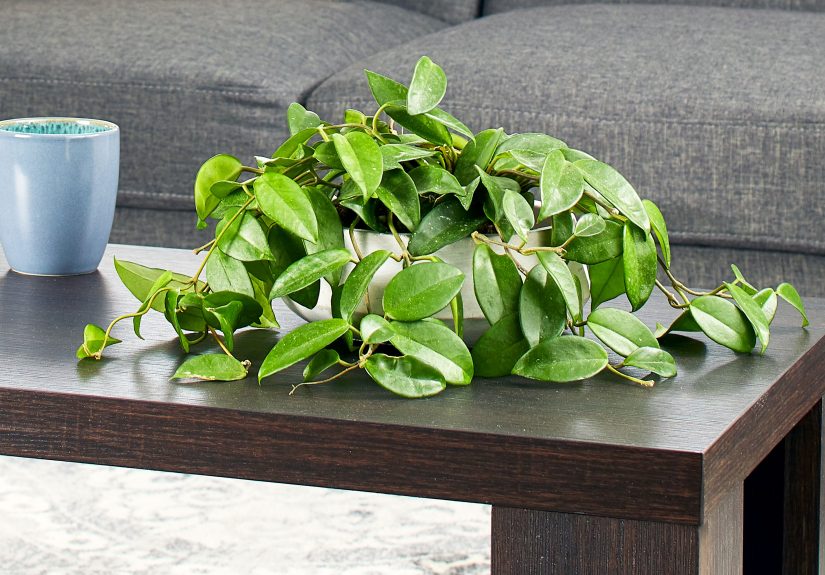
Hoya plants are the charming overachievers of the houseplant world. They trail, climb, shine, bloom, forgive a forgotten watering or two, and occasionally reward patient owners with clusters of star-shaped flowers that look like someone crafted them from wax and tiny botanical fireworks. No wonder hoyas are often called wax plants, waxflowers, or porcelain flowers. They are beautiful without being dramatic, which is more than we can say for many houseplants with a fan club.
Learning how to plant and care for hoya plants is mostly about understanding where they come from and what they dislike. Many hoyas grow naturally in tropical and subtropical regions, often as epiphytes attached to trees rather than buried in heavy soil. That means they appreciate bright light, excellent drainage, airflow around the roots, and watering that is thoughtful rather than enthusiastic. In other words, your hoya does not want to live in a swampy pot. It wants a cozy tree-branch lifestyle with room service.
This guide covers everything a beginner or collector needs to know: planting hoyas, choosing the right potting mix, watering correctly, providing enough light, encouraging blooms, troubleshooting pests, and keeping your plant happy for years. Whether you own a classic Hoya carnosa, a sweetheart hoya, a Hindu rope hoya, or a variegated beauty that cost more than your lunch budget, the same basic rules will help you grow stronger vines and healthier leaves.
What Makes Hoya Plants Special?
Hoyas belong to the dogbane family, Apocynaceae, and include hundreds of species and countless cultivars. The most common houseplant species is Hoya carnosa, known for its thick, waxy leaves and fragrant flower clusters. Other popular types include Hoya pubicalyx, Hoya australis, Hoya kerrii, Hoya obovata, and Hoya carnosa ‘Compacta,’ better known as Hindu rope hoya.
Their leaves can be round, narrow, heart-shaped, curled, splashed with silver, edged in cream, or painted with pink and yellow variegation. Some hoyas grow quickly and toss vines around like they are auditioning for a jungle scene. Others grow slowly enough to test your character. But given proper hoya plant care, most are long-lived indoor plants that can become family heirlooms.
How to Plant Hoya Plants the Right Way
Choose a Small Pot With Drainage
When planting a hoya, start with a container that has drainage holes. This is not optional. A pot without drainage is basically a tiny bathtub, and hoya roots are not interested in spa day. Hoyas often bloom better when slightly root-bound, so avoid placing a small plant in an oversized pot. Too much extra soil holds moisture longer than the roots can use it, which increases the risk of root rot.
A good rule is to choose a pot only one to two inches wider than the current root ball. Terracotta pots dry faster and work well for heavy-handed waterers. Plastic nursery pots retain more moisture, which can be helpful in dry homes, but they require more careful watering. Hanging baskets are also excellent because hoyas naturally trail and climb, and their long vines look fantastic cascading from a shelf or window.
Use a Chunky, Well-Draining Potting Mix
The best soil for hoya plants is not dense garden soil or plain indoor potting mix. Hoyas prefer a light, chunky, airy blend that drains quickly but holds a little moisture. Think “orchid mix meets houseplant mix,” not “mud pie with roots.”
A reliable hoya potting mix can include:
- One part high-quality indoor potting soil
- One part orchid bark or fine bark chips
- One part perlite or pumice
- A small amount of coco coir or sphagnum moss, if your home is very dry
This type of mix gives the roots oxygen while allowing water to move through the container. Because many hoyas grow as epiphytes in nature, they are adapted to roots that breathe. Heavy, compacted soil suffocates roots and keeps them wet too long.
Plant at the Same Depth
When repotting or planting a new hoya, place it at roughly the same depth it was growing before. Do not bury the stems deeply. Gently loosen old, compacted potting mix from the roots, especially if the plant came from a nursery in peat-heavy soil. Add fresh mix around the roots, firm it lightly, and water thoroughly so the mix settles.
After planting, let the hoya rest in bright, indirect light. Do not fertilize immediately if the roots were disturbed. Give it a few weeks to adjust, because even easygoing plants appreciate a little dignity after moving day.
Hoya Light Requirements
Light is one of the biggest factors in successful hoya care. Hoyas grow best in bright, indirect light. An east-facing window is often ideal because it provides gentle morning sun. A south or west window can work if the plant is set back a bit or protected with a sheer curtain. Too little light causes leggy growth and few or no flowers. Too much harsh direct sun can scorch the leaves, especially on thinner-leaved or variegated varieties.
If your hoya is growing long bare vines, it may not be unhappy. Hoyas often send out exploratory vines before filling them with leaves. But if growth is weak, pale, stretched, or bloom-free for years, it probably needs more light. A full-spectrum grow light can help in darker homes, especially during winter.
Signs Your Hoya Needs More Light
- Long, thin, weak-looking vines
- Small leaves or widely spaced leaves
- No blooms on a mature plant
- Fading variegation
- Slow growth during the active season
Signs Your Hoya Gets Too Much Sun
- Bleached or yellow patches on leaves
- Brown crispy spots
- Leaves feeling hot to the touch near glass
- Wrinkling even when the plant is properly watered
How Often to Water Hoya Plants
Watering is where many hoya owners accidentally turn a simple plant into a mystery novel. Hoyas like to dry partially between waterings. During spring and summer, water when the top third to half of the potting mix has dried out. For thick-leaved hoyas, you can often let the mix dry almost completely. During winter, when growth slows, water much less often.
When you water, water thoroughly until excess drains from the bottom of the pot. Then empty the saucer. Do not give tiny sips every few days; that can lead to uneven moisture and weak roots. A deep drink followed by a drying period is usually best.
The exact schedule depends on your home. A hoya in a warm, bright room may need water once a week. A hoya in a cooler, lower-light spot may go two or three weeks. Instead of following a strict calendar, check the mix with your finger, a wooden skewer, or by lifting the pot to feel its weight. Your plant does not own a calendar. It owns roots.
Overwatering Symptoms
- Yellowing leaves
- Soft or mushy stems
- Blackened roots
- Leaves dropping suddenly
- Fungus gnats around the soil
Underwatering Symptoms
- Wrinkled or puckered leaves
- Dry, crispy leaf edges
- Potting mix pulling away from the container
- Slow or stalled growth
Temperature and Humidity for Healthy Hoyas
Hoyas prefer average indoor temperatures, generally between 60°F and 85°F. They dislike cold drafts, sudden temperature swings, and exposure to temperatures below about 45°F. If you move hoyas outdoors for summer, bring them back inside before nights get chilly.
Humidity helps, especially for thinner-leaved hoyas and tropical species. Many common hoyas tolerate average home humidity, but they often grow faster and look better with moderate humidity around 40% to 60%. If your home is very dry, use a pebble tray, group plants together, or run a humidifier nearby. Avoid misting as your main humidity strategy. It looks dramatic, but it usually raises humidity for about as long as a sneeze lasts.
Fertilizing Hoya Plants
Hoyas are not heavy feeders, but they do benefit from fertilizer during active growth. Use a balanced liquid houseplant fertilizer diluted to half strength once a month in spring and summer. Some growers switch to a bloom-supporting fertilizer with slightly higher phosphorus when the plant is mature and receiving strong light, but light and maturity matter more than fertilizer tricks.
Do not fertilize dry roots. Water first, then fertilize. Also avoid fertilizing in winter unless your hoya is actively growing under warm conditions and supplemental lighting. Too much fertilizer can build up salts in the soil and damage roots, so flush the pot occasionally with plain water.
How to Encourage Hoya Flowers
Hoya flowers are worth the wait. They appear in clusters, often shaped like tiny stars, and many are fragrant, especially in the evening. Some produce nectar droplets, which can be charming unless they drip on furniture. Consider that your polite warning from the plant kingdom.
To encourage hoya blooms, give the plant bright indirect light, avoid overpotting, water correctly, and be patient. Many hoyas bloom only when mature. A cutting may need several years before flowering. Also, do not remove the short woody flower stems, called peduncles, after blooming. Hoyas can rebloom from the same peduncles, so cutting them off is like canceling next season’s show before the tickets go on sale.
Blooming Checklist
- Provide bright, indirect light or gentle morning sun.
- Keep the plant slightly root-bound.
- Allow the potting mix to dry partly between waterings.
- Do not cut off old peduncles.
- Feed lightly during spring and summer.
- Avoid moving the plant repeatedly once buds form.
Pruning and Training Hoya Vines
Hoyas can be grown in hanging baskets, trained on trellises, wrapped around hoops, or allowed to climb a moss pole or support. Pruning is simple: trim overly long or awkward vines just above a node. Use clean scissors or pruning snips. Some hoyas release a milky sap when cut, so protect surfaces and wash your hands afterward.
Do not rush to prune bare vines. Many hoyas send out leafless runners first, then produce leaves later. If a vine is healthy and firm, give it time. If it is dead, shriveled, or clearly not contributing to the plant’s future greatness, snip away.
Repotting Hoya Plants
Repot hoyas only when necessary. They do not need annual repotting and often prefer being a bit snug. Repot when roots circle tightly, water runs straight through because the mix has broken down, growth stalls despite good care, or the plant dries out much faster than usual.
The best time to repot is spring or early summer. Avoid repotting when the plant is in bud or flower, because stress may cause buds to drop. Move up only one pot size, refresh the potting mix, and handle the roots gently. After repotting, keep the plant in stable light and avoid fertilizer for several weeks.
How to Propagate Hoya Plants
Hoya propagation is surprisingly easy, which is dangerous information for anyone with limited shelf space. Stem cuttings are the most reliable method. Choose a healthy vine with at least one or two nodes. A node is the small bump where leaves or roots can grow. Cut below a node with clean scissors.
Water Propagation
Place the cutting in a jar of clean water with at least one node submerged and leaves above the waterline. Keep it in bright, indirect light. Change the water every few days. Once roots are a couple of inches long, plant the cutting in a small pot with chunky hoya mix.
Soil or Moss Propagation
You can also root cuttings directly in moist potting mix, perlite, or sphagnum moss. Keep the medium lightly moist but never soggy. A clear plastic cover or propagation box can increase humidity, but open it regularly for airflow. Once new growth appears and roots resist a gentle tug, the cutting is establishing.
One important note: a single sweetheart hoya leaf may root, but unless it includes a piece of stem with a node, it usually will not grow into a full vining plant. It may sit there looking adorable for years, which is sweet, but not exactly ambitious.
Common Hoya Problems and How to Fix Them
Yellow Leaves
Yellow leaves are often caused by overwatering, poor drainage, or cold stress. Check the roots and potting mix first. If the mix is soggy, repot into a chunkier blend and reduce watering. A single old yellow leaf is normal; a plant-wide yellow parade means something is wrong.
Wrinkled Leaves
Wrinkled leaves can mean underwatering, damaged roots, or root rot. That is why checking the potting mix matters. If the mix is bone dry and roots are healthy, water thoroughly. If the mix is wet and leaves are still wrinkled, roots may be rotting and unable to absorb moisture.
No Flowers
A hoya that refuses to bloom usually needs more light or more maturity. Move it to a brighter location and avoid overpotting. Do not remove peduncles. Keep care consistent and give it time. Hoyas are not vending machines; you cannot insert fertilizer and demand flowers by Tuesday.
Mealybugs and Scale
Hoyas can attract mealybugs, especially in leaf joints, curled leaves, and tight spaces on Hindu rope hoyas. Mealybugs look like tiny white cottony clumps and may leave sticky honeydew. Isolate the plant, remove visible pests with a cotton swab dipped in rubbing alcohol, and follow up with insecticidal soap or another houseplant-safe treatment according to label directions. Repeat treatments are often necessary because pests are annoyingly committed to their hobbies.
Fungus Gnats
Fungus gnats usually appear when potting mix stays too wet. Let the mix dry appropriately between waterings, use yellow sticky traps for adults, and consider repotting into a faster-draining mix if the problem continues.
Best Hoya Varieties for Beginners
If you are new to hoyas, start with forgiving varieties before chasing rare collector plants. The classics are popular for a reason: they grow well in normal homes and teach you the rhythm of hoya care.
- Hoya carnosa: The classic wax plant with sturdy vines and fragrant flowers.
- Hoya pubicalyx: A vigorous grower with narrow leaves often splashed with silver.
- Hoya australis: A reliable species with glossy leaves and strong growth.
- Hoya carnosa ‘Compacta’: The Hindu rope hoya, loved for curled leaves but slower growing.
- Hoya obovata: A round-leaved favorite that can bloom well in bright light.
- Hoya kerrii: The sweetheart hoya, charming but slower and often misunderstood when sold as a single leaf.
Seasonal Hoya Care Tips
Spring
Spring is the best time to repot, prune, propagate, and resume feeding. As light increases, hoyas usually begin active growth. Check for pests, refresh supports, and rotate the plant occasionally for balanced growth.
Summer
Summer growth can be fast, especially with warm temperatures and bright light. Water more often, but still let the mix dry partly. If placing hoyas outdoors, keep them in bright shade or gentle morning sun and protect them from harsh afternoon rays.
Fall
As days shorten, growth slows. Reduce fertilizer and begin watering less often. Bring outdoor hoyas inside before temperatures drop too low. Inspect every leaf and stem for pests before reintroducing them to your indoor collection.
Winter
Winter is the season of restraint. Water sparingly, avoid repotting unless absolutely necessary, and keep hoyas away from cold windows and heating vents. Supplemental grow lights can help prevent weak growth in dark rooms.
Extra Experience: Real-Life Lessons From Growing Hoya Plants
The first practical lesson with hoyas is this: they often prefer neglect, but not abandonment. There is a difference. A hoya can forgive you for forgetting to water it for a few extra days. It may even quietly approve. But place it in a dark corner, drown it every weekend, and trap it in dense soil, and the plant will begin filing complaints through yellow leaves and dramatic leaf drop.
One of the best experiences with hoyas is learning to read the leaves. Thick leaves usually store more water, so varieties like Hoya carnosa, Hoya kerrii, and Hoya obovata can dry more between waterings. Thinner-leaved hoyas may prefer slightly more consistent moisture. This does not mean wet soil; it means paying attention to the plant rather than treating every hoya like the same green plastic decoration.
Another lesson is that the potting mix matters more than many beginners expect. A hoya in a chunky mix is much easier to care for because mistakes are less punishing. Water moves through, oxygen reaches the roots, and the plant behaves more like it would in nature. A hoya in heavy soil may look fine for a while, then suddenly decline because the roots have been struggling quietly underground. Root problems are sneaky. They do not send calendar reminders.
Light is also a game changer. Many people say their hoya “will not bloom,” but the real issue is usually that the plant is surviving instead of thriving. Moving a mature hoya from medium light to bright indirect light can transform its growth. Leaves become firmer, vines fill out better, and blooms become much more likely. A little gentle morning sun can be excellent, especially for sturdy varieties, but harsh afternoon sun through glass can cook leaves quickly.
Patience may be the most underrated hoya care tool. Some hoyas take years to bloom. Some produce long bare vines that look strange before leaves appear. Some sulk after repotting. Some grow slowly through winter and then suddenly wake up in spring like they just remembered they are plants. Instead of constantly changing care routines, make small adjustments and observe the response over several weeks.
It also helps to quarantine new hoyas. This sounds overly serious until one tiny mealybug turns your plant shelf into a pest soap opera. Keep new plants away from your main collection for a couple of weeks. Check leaf joints, undersides, stems, soil, and curled leaves. Hindu rope hoyas are especially good at hiding pests in their folds, because apparently beauty needed a plot twist.
For beginners, the most satisfying setup is simple: a small pot with drainage, chunky potting mix, bright indirect light, and a watering routine based on dryness instead of habit. Add a trellis or hanging basket, feed lightly in the growing season, and leave the peduncles alone after flowering. That combination solves most hoya problems before they begin.
Finally, enjoy the process. Hoyas are not instant-gratification plants, but that is part of their charm. They reward consistency. One day you notice a new vine. Then a tiny leaf. Then maybe a peduncle. Then, after weeks of suspense, a cluster of waxy flowers opens and smells faintly sweet in the evening. At that moment, every careful watering and resisted urge to repot suddenly feels worth it. Congratulations: your hoya has trained you successfully.
Conclusion
Hoya plants are excellent houseplants for anyone who loves attractive foliage, trailing vines, and the possibility of fragrant star-shaped blooms. The secret to successful hoya plant care is not complicated: provide bright indirect light, use a chunky well-draining potting mix, water only when the soil has dried appropriately, avoid oversized pots, and protect the plant from cold temperatures and pests.
Once you understand their epiphytic nature, hoyas become much easier to grow. They do not want constant fussing. They want good light, airy roots, careful watering, and time. Give them that, and your wax plant may become one of the most dependable and rewarding plants in your home.