Table of Contents >> Show >> Hide
- What Is a Porcelain Scoop?
- Why Porcelain Works So Well for Scoops
- Common Uses for a Porcelain Scoop
- Porcelain Scoop vs. Ceramic Scoop: Is There a Difference?
- How to Choose the Best Porcelain Scoop
- How to Clean and Care for a Porcelain Scoop
- Food Safety Tips for Porcelain Scoops
- Porcelain Scoops in Home Decor
- Porcelain Scoops for Gifts
- Are Porcelain Scoops Durable?
- When Not to Use a Porcelain Scoop
- Buying Checklist for a Porcelain Scoop
- Experience Notes: Living With a Porcelain Scoop
- Conclusion
A porcelain scoop is one of those small objects that quietly earns its keep. It does not beep, charge, connect to Wi-Fi, or ask you to create an account. It simply sits near the coffee beans, sugar jar, flour canister, bath salts, loose tea, spice bowl, or dessert station and says, “Relax. I’ve got this.” In a world of overcomplicated kitchen gadgets, that kind of confidence deserves applause.
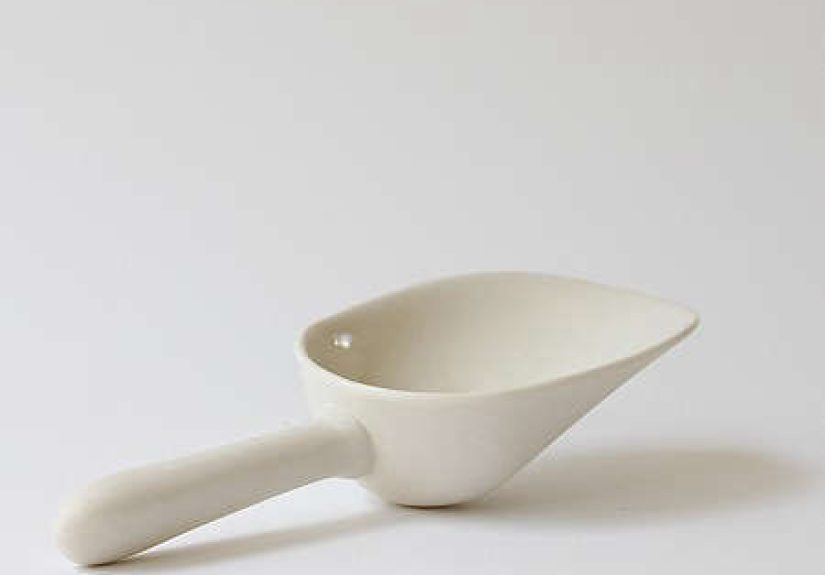
At its simplest, a porcelain scoop is a small, spoon-like utensil made from porcelain or porcelain-style ceramic. It is used for scooping, portioning, serving, or displaying dry ingredients and small household goods. You may see it described as a ceramic scoop, porcelain spoon, coffee scoop, tea scoop, salt scoop, sugar scoop, spice scoop, or decorative kitchen scoop. The exact name depends on the maker, the shape, and the intended use, but the appeal is usually the same: clean design, smooth texture, durability, and a dash of charm.
Unlike plastic scoops, porcelain feels substantial. Unlike metal scoops, it does not always bring a cold industrial look to the countertop. Unlike wood, it does not absorb odors as easily when properly glazed and cared for. A good porcelain scoop can make a pantry look calmer, a coffee bar feel more intentional, and a simple bowl of flaky salt look like it came from a tiny boutique hotel where even the condiments have excellent posture.
What Is a Porcelain Scoop?
A porcelain scoop is a functional ceramic utensil designed to lift and transfer small amounts of dry or semi-dry materials. In the kitchen, it is commonly used for coffee grounds, loose-leaf tea, sugar, flour, cocoa powder, baking soda, spices, dried fruit, nuts, grains, and salt. Outside the kitchen, it may be used for bath salts, laundry powder, craft materials, or decorative storage displays.
Porcelain itself is a refined type of ceramic typically associated with kaolin clay, feldspar, quartz, and high-temperature firing. This process can produce a dense, smooth, and low-porosity material. In everyday terms, that means porcelain can be strong, elegant, and easy to wipe clean when it is properly made. It is the same family of material often used for dinnerware, serving pieces, tea sets, ramekins, and decorative objects.
Porcelain scoops vary widely in form. Some are shaped like a shallow spoon with a short handle. Others are deeper and more cup-like, made for measuring coffee or flour. Handmade versions may show slight differences in curve, glaze, thickness, or handle angle. Those tiny irregularities are part of the attraction. A machine-made scoop may look perfect; a handmade porcelain scoop looks like someone cared.
Why Porcelain Works So Well for Scoops
Porcelain has several qualities that make it especially suitable for small scooping tools. First, it has a smooth surface when properly glazed. That smoothness helps dry ingredients slide off more easily and makes the scoop pleasant to hold. Second, porcelain is visually clean. White porcelain, in particular, looks crisp against coffee beans, brown sugar, green tea, pink Himalayan salt, or colorful spices.
Third, porcelain is often non-reactive in normal household use. It does not add a metallic taste to salt or coffee, and it does not bring the earthy smell that some unfinished wooden utensils can develop over time. For ingredients with strong aromas, such as ground coffee, cardamom, cinnamon, or loose tea, this is a practical advantage.
Finally, porcelain has style range. A minimalist white scoop fits a modern kitchen. A blue-and-white hand-painted scoop feels classic. A speckled handmade scoop leans rustic. A glossy black porcelain scoop looks dramatic next to a marble salt cellar. The humble scoop can be functional, but it can also be a small design decision that says, “Yes, I organize my pantry like a person who has seen one too many home makeover videos.”
Common Uses for a Porcelain Scoop
1. Coffee Grounds and Beans
A porcelain coffee scoop is a favorite for home coffee stations. Many coffee drinkers use a scoop for convenience, especially when making drip coffee or French press. A common coffee guideline is one to two tablespoons of ground coffee for every six ounces of water, though serious coffee lovers often prefer weighing coffee for consistency. A porcelain scoop may not replace a digital scale for precision brewing, but it makes the morning routine smoother and prettier. Sometimes that matters before caffeine has entered the bloodstream.
2. Loose-Leaf Tea
Loose tea benefits from a clean, dry scoop. A small porcelain scoop can lift tea leaves without crushing them, and it looks lovely next to a tea tin or ceramic teapot. Because tea leaves absorb odors easily, it is smart to keep a dedicated scoop for tea rather than using the same one for garlic salt, smoked paprika, and Earl Grey. Your tea deserves boundaries.
3. Sugar, Salt, and Spices
Porcelain scoops are excellent for countertop sugar bowls, salt cellars, and spice dishes. They feel more intentional than leaving a random metal spoon in the container. A small scoop also reduces the temptation to reach in with fingers, which is better for cleanliness and table manners. Guests may not say anything, but they notice. Especially the aunt who notices everything.
4. Flour and Baking Ingredients
For bakers, a porcelain scoop is useful for moving flour, cocoa powder, cornstarch, baking powder, and sugar from storage containers to measuring cups or bowls. For precise baking, it is best to use a kitchen scale or spoon flour into a measuring cup and level it off. Scooping directly from a packed flour container can compress the flour and lead to too much in the recipe. That is how cookies become doorstops with chocolate chips.
5. Dry Snacks and Serving Bowls
A slightly larger porcelain scoop can serve nuts, granola, candy, dried fruit, seeds, or trail mix. It works well on breakfast bars, charcuterie boards, dessert tables, and party spreads. The material feels more refined than plastic and less casual than a basic tablespoon. When used for entertaining, a porcelain scoop can turn a jar of almonds into something that looks planned rather than panic-purchased.
6. Bath Salts and Household Goods
Outside the kitchen, porcelain scoops are often used with bath salts, powdered laundry boosters, scent beads, and craft materials. If a scoop is used for non-food items, keep it permanently out of the kitchen. A scoop that has lived in lavender bath salts should not later be invited to help with pancake mix. Cross-use is not charming; it is confusing.
Porcelain Scoop vs. Ceramic Scoop: Is There a Difference?
All porcelain is ceramic, but not all ceramic is porcelain. Ceramic is the larger category. It includes earthenware, stoneware, porcelain, and other fired clay materials. Porcelain is generally known for being finer, denser, often whiter, and fired at higher temperatures than many common ceramics.
In shopping terms, however, the words can get blurry. Some sellers use “ceramic scoop” for stoneware pieces and “porcelain scoop” for finer, lighter, whiter pieces. Others use the terms more loosely. The best approach is to read the product description carefully. Look for details such as food-safe glaze, dishwasher-safe claims, handmade construction, dimensions, capacity, and whether the item is intended for food contact.
How to Choose the Best Porcelain Scoop
Check the Size and Capacity
Before buying a porcelain scoop, think about what it will scoop most often. A tiny salt scoop may be perfect for a salt cellar but laughably small for flour. A larger scoop may be great for coffee beans but awkward inside a narrow spice jar. Product listings often provide length, width, or ounce capacity. If exact measurement matters, choose a scoop designed as a measuring scoop rather than a decorative spoon.
Look for Food-Safe Labeling
If the scoop will touch food, it should be labeled food-safe or intended for kitchen use. This is especially important with handmade or imported ceramic pieces. Decorative pottery is not automatically safe for food contact. Glazes should be properly formulated and fired, and food-contact surfaces should be smooth and free from cracks, flaking, or crazing.
Inspect the Glaze
A good porcelain scoop should have a smooth, even surface where it touches food. Avoid pieces with chipped glaze, sharp edges, deep cracks, or rough interior texture. A slightly unglazed foot or bottom may be normal, especially in handmade porcelain, but the bowl of the scoop should be easy to clean.
Consider Handle Comfort
Small details matter. A handle that is too short can disappear into a flour canister. A handle that is too delicate may feel fragile when scooping dense brown sugar. A curved handle can be pleasant for serving, while a flatter handle may sit better on a countertop. If you use the scoop daily, comfort is not a luxury. It is the difference between “cute purchase” and “why did I buy this tiny shovel?”
Match the Style to the Space
Porcelain scoops are visible objects. Many people leave them inside glass jars, ceramic canisters, open salt bowls, or coffee stations. Choose a color and shape that complement the surrounding pieces. White, cream, blue, speckled, matte, glossy, floral, and hand-painted options all create different moods.
How to Clean and Care for a Porcelain Scoop
Most porcelain scoops used for food should be washed with warm, soapy water after use, especially if they touch moist ingredients, oils, dairy, or anything sticky. For dry ingredients like sugar or coffee beans, a quick rinse and full drying may be enough, but regular washing is still wise.
If the manufacturer says the scoop is dishwasher-safe, the dishwasher may be acceptable. Even then, hand washing can help preserve delicate glazes, hand-painted details, metallic accents, or handmade finishes. Never assume microwave safety or dishwasher safety unless the maker states it clearly. Metallic decoration, gold rims, and certain glazes can change the rules.
Dry the scoop completely before returning it to dry goods. Moisture inside a sugar jar can cause clumping. Moisture in flour can invite spoilage. Moisture in coffee can damage flavor. Moisture in bath salts can turn a lovely jar into a scented brick. Dry first, scoop later.
Food Safety Tips for Porcelain Scoops
Porcelain is easy to love, but it still needs basic food-safety common sense. Use separate scoops for different categories when possible. A scoop used for raw pet food should not be used for coffee. A scoop used for bath salts should not be used for sugar. A scoop used for flour should be washed before being used in a bowl of candy for guests.
Inspect your porcelain scoop from time to time. If it develops cracks, chips, or glaze damage on the food-contact area, retire it from food use. Small damaged spots can trap residue and become harder to clean. You might still repurpose a chipped scoop for decoration, plant styling, or holding wrapped candies, but avoid using damaged ceramic with loose ingredients that will be eaten.
For vintage porcelain scoops, be extra careful. Older ceramics may have glazes that do not meet modern expectations for food contact. If a vintage scoop is unlabeled, heavily crazed, or primarily decorative, use it for display rather than direct food service.
Porcelain Scoops in Home Decor
A porcelain scoop is not just a utensil; it is also a styling tool. In open shelving, pantry jars, coffee bars, and bathroom trays, small details create the feeling of an organized space. A porcelain scoop tucked into a glass jar of oats can make breakfast feel calmer. A white scoop resting in a wooden salt cellar adds contrast. A blue-patterned scoop beside loose tea creates a classic tea-house mood.
The best part is that porcelain scoops do not require a full kitchen remodel. You do not need new cabinets, new tile, or a dramatic lighting plan. You need a small, useful object that looks good and works hard. This is the design equivalent of finding jeans that fit on the first try.
Porcelain Scoops for Gifts
A porcelain scoop makes an excellent small gift because it feels thoughtful without being overly personal. Pair one with specialty coffee, loose tea, a jar of local honey powder, gourmet salt, homemade granola, bath salts, or a pretty storage canister. It works for housewarming gifts, hostess gifts, holiday baskets, bridal showers, and teacher gifts.
The key is presentation. A porcelain scoop by itself is nice. A porcelain scoop tied to a jar of cinnamon sugar with ribbon suddenly looks like it came from a lifestyle magazine where everyone owns linen napkins and somehow has time to iron them.
Are Porcelain Scoops Durable?
Porcelain is durable under normal use, but it is not invincible. It can chip or break if dropped on tile, stone, or concrete. Thin handles are especially vulnerable. Treat a porcelain scoop as you would treat a favorite mug: use it often, enjoy it fully, and do not fling it into a crowded drawer like it owes you money.
If durability is your top priority, choose a thicker scoop with a sturdy handle and a smooth glaze. For households with children, pets, or extremely enthusiastic coffee drinkers, consider where the scoop will live. A scoop stored inside a low, easy-to-tip jar may have a shorter life than one kept in a stable canister.
When Not to Use a Porcelain Scoop
Porcelain scoops are not ideal for every task. They are not the best choice for breaking up rock-hard brown sugar, scraping frozen ingredients, digging into dense nut butter, or measuring ingredients where exact volume is critical unless the scoop is specifically calibrated. They are also not ideal for rough commercial environments where metal scoops may be required for speed and impact resistance.
For acidic, oily, or staining ingredients, porcelain can still work if the glaze is food-safe and intact, but prompt washing is smart. Turmeric, chili powder, and strong coffee can leave residue on some finishes. A glossy white porcelain scoop may look angelic, but turmeric has no respect for angels.
Buying Checklist for a Porcelain Scoop
- Choose the right size for coffee, tea, salt, sugar, flour, or serving.
- Look for food-safe labeling if it will touch edible ingredients.
- Check whether it is dishwasher-safe or hand-wash only.
- Avoid cracked, chipped, or heavily crazed food-contact surfaces.
- Consider a dedicated scoop for strong aromas like coffee or spices.
- Pick a handle length that fits the container.
- Match the finish to your kitchen, pantry, or bathroom style.
Experience Notes: Living With a Porcelain Scoop
The first thing you notice about using a porcelain scoop is how much more deliberate an ordinary routine feels. Scooping coffee with a random plastic spoon works, of course. Nobody is denying the spoon its basic dignity. But a porcelain scoop changes the rhythm. It has a bit of weight. It makes a soft sound against a glass jar. It feels cool at first, then comfortable in the hand. Suddenly, making coffee feels less like a survival procedure and more like a tiny morning ritual.
One of the best uses is in a coffee station. Keep beans in an airtight jar and place the porcelain scoop nearby or inside the jar if the opening is wide enough. The setup looks tidy, and the scoop is always where you need it. If the scoop has a two-tablespoon capacity, it becomes even more practical for daily brewing. Still, anyone who is serious about coffee flavor should eventually compare scoop measurements with a scale. Different grind sizes and roast levels can change how much coffee fits in the same scoop. A scoop gives convenience; a scale gives precision. The happiest kitchen may have both.
In baking, a porcelain scoop is especially useful for transferring flour or sugar from a large container into a measuring cup. The trick is not to pack the ingredient down. Flour should be treated gently because compacted flour can throw off a recipe. A scoop helps move the flour neatly, while the final measurement should be leveled or weighed. This is the kind of small habit that can rescue cakes from heaviness and biscuits from becoming edible hockey pucks.
Porcelain scoops also shine in open salt cellars. A small white scoop in a bowl of kosher salt or flaky sea salt looks clean and inviting. It also keeps hands out of the salt, which is especially nice when cooking for guests. A tiny scoop encourages controlled seasoning. Instead of dumping salt with the confidence of a pirate burying treasure, you can add a measured pinch and taste as you go.
For entertaining, porcelain scoops make snack bowls feel polished. Use one for candied nuts, chocolate chips, granola, sprinkles, or dried cranberries. A scoop gives people permission to serve themselves without awkwardly shaking a jar over a plate. It also helps keep the serving area cleaner. This may sound minor until you have watched someone attempt to pour mini marshmallows directly from a bag and create a soft, sugary avalanche across the counter.
The bathroom is another surprisingly good place for a porcelain scoop. A small scoop paired with bath salts in a clear jar can make a bathroom look spa-like without requiring spa-level spending. The important rule is to separate household scoops from kitchen scoops. Once a scoop has been used for bath salts, laundry powder, or cosmetic ingredients, label it mentally and permanently. Do not let it wander back to the pantry like a ceramic boomerang.
Care becomes second nature. Rinse it, wash it gently, dry it completely, and store it where it will not be knocked off the counter. If it is handmade, treat slight variations as character rather than flaws. One handle may curve a little more than another. The glaze may pool slightly at the edge. These details make the scoop feel human. Mass-produced perfection can be beautiful, but handmade porcelain has a quiet personality.
The only real downside is breakability. A porcelain scoop can last for years, but it does not enjoy being dropped. If your kitchen floor is tile, the floor will probably win. Store the scoop in a stable jar or shallow dish, not balanced dramatically on the edge of a shelf. Drama is for reality television, not fragile ceramics.
Overall, using a porcelain scoop is a small upgrade with daily payoff. It makes ingredients easier to handle, improves the look of storage containers, and adds pleasure to repetitive tasks. It is not essential in the way a chef’s knife or cutting board is essential, but it belongs to a wonderful category of household objects: useful, beautiful, affordable, and oddly satisfying. In other words, exactly the kind of thing that makes you wonder why you waited so long to own one.
Conclusion
A porcelain scoop may be small, but it brings together function, beauty, and everyday practicality. It can help measure coffee, serve sugar, portion salt, transfer flour, style a pantry, elevate a tea station, or turn bath salts into a thoughtful display. The best porcelain scoop is food-safe when used with food, comfortable to hold, easy to clean, properly sized for its container, and attractive enough to leave out where people can admire it.
Whether you choose a handmade porcelain scoop, a minimalist white ceramic scoop, a decorative tea scoop, or a sturdy kitchen scoop for daily dry goods, the goal is the same: make small routines feel smoother and more enjoyable. It is proof that good design does not always need to be large, expensive, or complicated. Sometimes it is just a little porcelain spoon waiting patiently beside the coffee jar.