Table of Contents >> Show >> Hide
- What Is the Ivanhoe Dino Porcelain Cord Pendant Light?
- Why Porcelain Enamel Still Matters
- Design Style: Vintage Industrial Without the Drama
- Best Places to Use the Ivanhoe Dino Pendant
- Choosing the Right Color and Finish
- Bulb Choice: Edison Charm or LED Common Sense?
- Installation Tips and Practical Considerations
- How to Style the Ivanhoe Dino Pendant Like a Designer
- What to Do If the Ivanhoe Dino Is Discontinued
- Pros and Cons of the Ivanhoe Dino Porcelain Cord Pendant Light
- Real-Life Experience: Living With an Ivanhoe Dino-Style Pendant
- Conclusion
Note: The Ivanhoe Dino Porcelain Cord Pendant Light has appeared in archived design listings as a discontinued product, so this guide focuses on its design value, known specifications, styling ideas, and practical buying considerations for readers who love vintage-inspired pendant lighting.
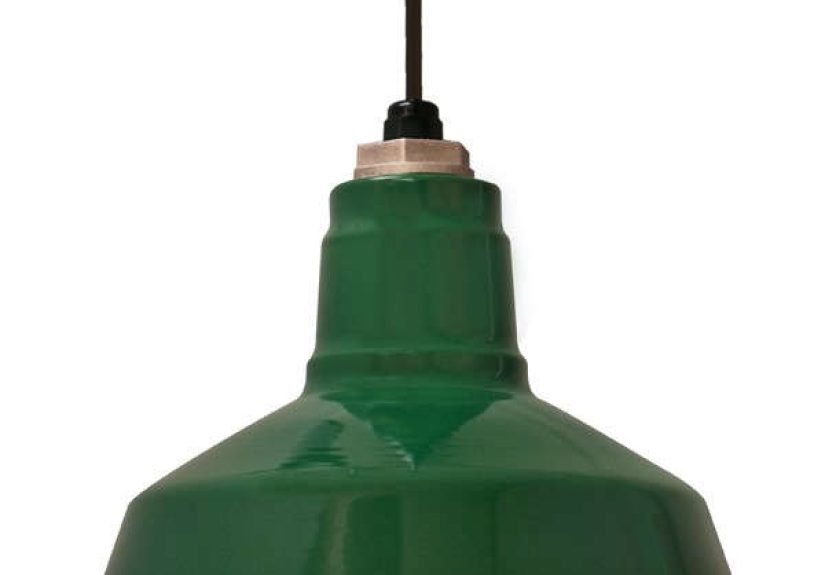
The Ivanhoe Dino Porcelain Cord Pendant Light is the kind of fixture that makes a room look as if someone planned it carefully instead of panic-buying lighting five minutes before guests arrived. With its old-school warehouse shade, porcelain enamel finish, cord-hung profile, and retro industrial personality, this pendant light sits comfortably between utility and charm. It is not trying to be a crystal chandelier. It is not trying to whisper politely from the ceiling. It says, “I was built for work, but I clean up nicely.”
For homeowners, designers, café owners, and vintage lighting fans, the Ivanhoe Dino pendant represents a very specific style: practical, American-made, factory-inspired lighting with enough color and polish to feel intentional in a modern home. It works above kitchen counters, breakfast tables, bedside areas, workshops, sunrooms, and commercial spaces where a little personality is more useful than another forgettable ceiling dome.
What Is the Ivanhoe Dino Porcelain Cord Pendant Light?
The Ivanhoe Dino Porcelain Cord Pendant Light is a cord-hung warehouse-style pendant associated with Barn Light Electric’s Ivanhoe line. Archived product information describes it as a porcelain enamel shade designed in 12-inch and 14-inch sizes, with a single socket, a ceiling canopy, multiple finish options, and cord options that could support either indoor character or suitable covered outdoor use depending on configuration.
Earlier listings also describe a 12-inch cotton twist cord version intended for interior use. That version included a solid porcelain socket, a standard 24-inch cotton twist cord with additional lengths available, and a maximum 100-watt incandescent socket rating. Another archived listing for the cord pendant version notes a larger wattage capacity, an 8-foot standard cord or 6-foot cotton cord, a 5-inch ceiling canopy, one socket, and hand-spun porcelain enamel construction. In plain English: it was not a flimsy little shade pretending to be industrial. It had the bones of a real workhorse fixture.
The product has been shown as discontinued in archived design directories, but its appeal remains easy to understand. Many shoppers are not simply looking for “a pendant light.” They are looking for a fixture that gives a kitchen, porch, dining nook, or shop counter a sense of history. The Ivanhoe Dino does that without needing to bring an entire antique store home with it.
Why Porcelain Enamel Still Matters
Porcelain enamel lighting has a long association with factories, gas stations, barns, garages, schools, and practical commercial buildings. The material became popular because it could produce a glossy, durable surface over steel. That combination is important: steel gives the shade structure, while porcelain enamel gives it color, shine, and a surface that can stand up to years of normal use.
The Ivanhoe Dino’s hand-spun and hand-applied finish is part of its charm. A porcelain enamel shade often has small marks or character from the manufacturing process. That is not a flaw in the same way a wrinkle in linen is not a tragedy. It is evidence that the fixture was made through a physical process, not digitally summoned from the land of soulless sameness.
That handmade quality is a major reason the Ivanhoe Dino works in so many spaces. It has enough polish for a styled kitchen and enough toughness for a workshop-inspired interior. It can play nicely with butcher block counters, painted cabinets, subway tile, exposed brick, beadboard, concrete floors, black hardware, brass accents, or open shelving.
Design Style: Vintage Industrial Without the Drama
The phrase “industrial lighting” can sometimes scare people. They picture a cold warehouse, exposed pipes, and furniture that looks as comfortable as a tax audit. The Ivanhoe Dino pendant offers a friendlier version of industrial design. Its rounded warehouse shade feels nostalgic rather than harsh. Its cord-hung form keeps it relaxed. Its color options make it useful in homes that are warm, bright, and personal.
Farmhouse Kitchens
In farmhouse kitchens, the Ivanhoe Dino can add structure above an island or worktable. A white or black finish keeps the look classic. A green, blue, or red finish adds a cheerful vintage note, especially when paired with open shelves, apron-front sinks, wood counters, or painted cabinetry.
Modern Industrial Rooms
In modern industrial interiors, the pendant’s shape works well with metal stools, concrete counters, matte black fixtures, and exposed wood beams. The key is restraint. One or two Dino-style pendants can look intentional. Eight different industrial fixtures in one room can make your kitchen feel like it is applying for a forklift license.
Coastal and Retro Spaces
A light blue or white porcelain pendant can soften the industrial edge and create a coastal, soda-shop, or retro café mood. This is especially effective in breakfast nooks, casual dining rooms, mudrooms, screened porches, and small commercial spaces such as bakeries or frozen yogurt shops.
Best Places to Use the Ivanhoe Dino Pendant
The Ivanhoe Dino Porcelain Cord Pendant Light is flexible, but it shines brightest when used where its shape and downward light feel natural. It is not just decoration. It is a focused pendant, which means placement matters.
Above a Kitchen Island
A kitchen island is one of the best places for a warehouse pendant. The shade directs light downward, helping illuminate chopping, serving, homework, late-night snacking, and the occasional dramatic staring contest with the refrigerator. For most kitchen islands, pendant lights are commonly hung about 30 to 36 inches above the countertop. This range keeps the light close enough to be useful without blocking sightlines.
Over a Dining Table or Breakfast Nook
The Dino pendant also works beautifully over a small dining table. A single 12-inch shade can feel charming above a two-person table, while a 14-inch shade may feel more balanced over a larger round or rectangular table. In dining areas, the goal is not to blast the table like a police interrogation room. Use a warm bulb and a dimmer when possible.
Beside the Bed
One of the most stylish uses for the Ivanhoe Dino is as a bedside pendant. Remodelista has featured the light in a bedroom setting where pendants drop from the ceiling beside the bed, adding drama and saving space on the nightstand. This is a smart move in small bedrooms because it keeps surfaces clear while still providing reading light.
Covered Porches, Sunrooms, and Gazebos
Archived product information describes the Dino cord pendant as suitable for covered porches, sunrooms, or gazebos when configured with an exterior-rated cord for damp environments. That distinction matters. A covered porch is not the same as a spot where rain can directly hit the fixture. Before using any pendant outdoors, check the exact rating and have it installed according to code.
Commercial Interiors
The Ivanhoe Dino has also appeared in commercial design contexts, including a yogurt shop design where a light blue version helped tie together a colorful Greek-inspired palette. This is where the fixture’s personality really pays off. In a café, boutique, dessert shop, or small studio, a colored porcelain pendant can reinforce branding without shouting the logo from every wall.
Choosing the Right Color and Finish
Color is where this pendant gets fun. Archived listings mention colors such as black, blue, green, orange, red, and white for related Dino porcelain versions. Choosing among them depends on whether the fixture should blend in, anchor the room, or steal a small but tasteful amount of attention.
White is the easiest choice for kitchens, laundry rooms, and coastal interiors. It feels clean and bright. Black is more graphic and works well with black window frames, dark cabinet pulls, or modern farmhouse details. Green feels vintage and slightly playful, especially in garden rooms or kitchens with natural wood. Blue can lean coastal, retro, or café-inspired. Red or orange should be used carefully, but in the right space, they are delightful. Think breakfast nook, kids’ craft room, diner-style kitchen, or a shop counter that needs a little caffeine even before the espresso machine turns on.
Bulb Choice: Edison Charm or LED Common Sense?
The original listings mention incandescent wattage limits, but modern homeowners should strongly consider LED bulbs. LEDs use far less energy than traditional incandescent bulbs, last much longer, and are available in warm color temperatures that preserve the vintage mood. For an Ivanhoe Dino-style pendant, a warm white bulb around 2700K to 3000K usually feels inviting. If the fixture is used above a workspace, a slightly brighter bulb may help, but avoid anything so cold that your kitchen suddenly resembles a dentist’s office.
An Edison-style LED bulb can be a good compromise. It gives the nostalgic look of visible filament lighting without the heat and energy use of old incandescent bulbs. If you plan to use a dimmer, make sure both the bulb and the dimmer are compatible. Otherwise, the light may flicker, buzz, or behave like it has unresolved personal issues.
Installation Tips and Practical Considerations
A pendant light is simple in appearance, but installation should not be treated casually. The fixture must be mounted to an appropriate electrical box, wired correctly, and rated for the location where it will be used. For most homeowners, hiring a licensed electrician is the safest choice.
Check the Location Rating
Dry, damp, and wet ratings are not decorative labels. A dry-rated fixture belongs in normal indoor spaces. A damp-rated fixture can handle humidity and moisture in protected areas. A wet-rated fixture is designed for direct exposure to water. If the pendant is going in a covered porch, screened room, bathroom, or similar space, verify the exact rating before installation.
Measure Before You Order
Because the Dino pendant was available with different cord options, cord length is important. Measure from the ceiling to the desired bottom height of the shade. For counters, start with the 30-to-36-inch-above-surface guideline. For bedside use, test the height while sitting in bed so the shade does not shine directly into your eyes. No one wants a stylish pendant that interrogates them at 11:47 p.m.
Use a Dimmer When Possible
A dimmer makes a pendant more versatile. Bright light works for cooking, reading, or cleaning. Lower light works for dinner, relaxing, or pretending the clutter on the counter is “atmosphere.” If using LED bulbs, choose dimmable bulbs and compatible controls.
How to Style the Ivanhoe Dino Pendant Like a Designer
The easiest way to style this light is to repeat one visual cue from the fixture elsewhere in the room. If the shade is black, echo black in cabinet hardware, chair frames, or picture frames. If it is blue, repeat blue in tile, dishware, artwork, or textiles. If the cord has a vintage twist detail, pair it with natural materials such as wood, linen, ceramic, or woven baskets.
Do not overmatch everything. A green pendant does not require green curtains, green plates, green stools, and a green toaster. That way lies madness, or at least a kitchen that looks like it joined a theme park. Let the pendant be a highlight, not a hostage situation.
What to Do If the Ivanhoe Dino Is Discontinued
Because archived listings show the Ivanhoe Dino Porcelain Cord Pendant Light as discontinued, shoppers may need to look for alternatives. Start with current Barn Light Electric cord-hung pendants, especially Ivanhoe-style LED cord pendants or porcelain warehouse shades with similar profiles. You can also search architectural salvage stores, vintage lighting dealers, estate sales, and online marketplaces for original or used Ivanhoe fixtures.
When buying secondhand, inspect the shade, socket, cord, canopy, and wiring condition. A vintage shade can often be rewired, but electrical safety should come first. A beautiful pendant with questionable wiring is not “character.” It is a small ceiling-mounted gamble.
Pros and Cons of the Ivanhoe Dino Porcelain Cord Pendant Light
Pros
The Ivanhoe Dino has a timeless warehouse shape, durable porcelain enamel character, strong vintage appeal, and enough color variety to work in many interiors. Its cord-hung design feels relaxed and versatile. It can look equally at home in a farmhouse kitchen, urban apartment, covered porch, breakfast nook, or small commercial space.
Cons
The biggest drawback is availability. Since the fixture has been listed as discontinued, buyers may not be able to purchase the exact model new. Also, the industrial look is distinctive. If your room leans extremely formal, delicate, or ornate, the Dino may feel too casual unless balanced carefully with other refined materials.
Real-Life Experience: Living With an Ivanhoe Dino-Style Pendant
Imagine installing an Ivanhoe Dino Porcelain Cord Pendant Light above a small kitchen island. Before the pendant goes up, the space may already be functional: cabinets, counters, stools, maybe a bowl of lemons placed there with great optimism. But the ceiling feels unfinished. The room has light, technically, yet no focal point. Then the Dino-style pendant arrives, and suddenly the island has a center of gravity.
The first thing most people notice is the shade shape. It feels familiar even if they cannot name it. Guests might say it looks “vintage,” “farmhouse,” “industrial,” or “like something from an old shop.” That is the magic of warehouse lighting. It carries memory. It suggests workbenches, lunch counters, school art rooms, barns, and classic American utility spaces. But in a modern kitchen, especially with a glossy porcelain finish, it also feels fresh.
Daily use is where the fixture earns its keep. In the morning, it gives direct light over coffee-making, lunch-packing, and the important ritual of staring blankly at toast. During the day, the porcelain shade becomes part of the room’s visual rhythm. At night, with a warm LED bulb and dimmer, it softens into a cozy pool of light over the counter. That is when the pendant stops being a product and starts becoming part of the home’s routine.
One practical lesson is that height matters more than people expect. Hang it too high, and it looks nervous, as if it is trying to escape the room. Hang it too low, and taller family members may begin negotiations with the ceiling. The best height usually comes from testing. Hold a measuring tape, mock up the drop, sit at the counter, stand at the sink, and check sightlines from nearby rooms. Lighting should look good in photos, yes, but it also needs to survive real life, including people carrying pizza boxes through the kitchen.
Another experience-based tip: choose the bulb carefully. A clear Edison-style LED can look beautiful, but depending on the shade and eye level, it may create glare. A frosted warm LED often feels more comfortable for everyday use. In a bedroom or breakfast nook, dimming is especially useful. Full brightness is great when cleaning. Low brightness is better when pretending the dishes can wait until tomorrow.
Color also changes the experience. A black or white Ivanhoe Dino-style pendant feels classic and easy to decorate around. A blue or green one feels more personal. Red and orange are bolder, but they can make a simple room feel memorable. The best choice depends on whether you want the pendant to behave like a dependable supporting actor or walk into the room wearing sunglasses.
Maintenance is refreshingly simple. A porcelain enamel shade usually needs only gentle dusting and an occasional wipe with a soft cloth. Avoid abrasive scrubbers that can dull the finish. If the pendant is installed in a kitchen, grease and dust may collect over time, especially near a stove. A mild cleaner and patience will do more good than aggressive scrubbing.
The final experience is emotional, which sounds dramatic for a light fixture, but good lighting has a way of shaping how a room feels. The Ivanhoe Dino Porcelain Cord Pendant Light is not just about brightness. It is about mood, proportion, memory, and the pleasure of choosing one detail that makes a space feel less generic. It is the kind of pendant that proves practical design does not have to be boring. Sometimes the hardest-working object in the room can also be the best-looking one.
Conclusion
The Ivanhoe Dino Porcelain Cord Pendant Light remains a standout example of vintage-inspired warehouse lighting. Its porcelain enamel shade, cord-hung simplicity, American industrial character, and flexible styling potential make it a strong reference point for anyone designing a kitchen, bedroom, porch, shop, café, or creative workspace. Even if the original model is discontinued, the design lessons still apply: choose durable materials, respect scale, use warm efficient bulbs, verify installation ratings, and let one well-chosen pendant bring personality to the room.