Table of Contents >> Show >> Hide
- What Makes Good Children’s Flatware?
- How to Choose Children’s Flatware Without Losing Your Mind
- 10 Easy Pieces: Children’s Flatware Picks
- 1. David Mellor / Heath Kids Flatware Set
- 2. IKEA FABLER 3-Piece Flatware Set
- 3. ZWILLING Children’s Flatware
- 4. Ahimsa Stainless Steel Kids Utensils
- 5. BÉABA Stainless Steel Pre-Cutlery Spoon and Fork
- 6. Pottery Barn Kids Utensils and Carrying Case
- 7. BergHOFF 3-Piece Children’s Flatware Set
- 8. WeeSprout Toddler Utensils
- 9. Rainbow Stainless Steel Kids Cutlery Sets
- 10. Simple Stainless Steel Multi-Packs
- Children’s Flatware by Age and Stage
- Material Guide: Stainless Steel, Silicone, Bamboo, and Plastic
- Safety Tips for Using Children’s Flatware
- How to Teach Kids to Use Flatware
- Styling a Kid-Friendly Table
- Care and Maintenance
- Common Mistakes to Avoid
- Extra Mealtime Experience: What Families Learn After Using Children’s Flatware Every Day
- Conclusion: Small Utensils, Big Mealtime Wins
Children’s flatware looks simple until you actually shop for it. Suddenly, a spoon is not just a spoon. It is a tiny engineering project expected to scoop yogurt, survive a dramatic floor launch, fit into a lunchbox, avoid sharp edges, and somehow convince a preschooler that peas are not a personal attack. Welcome to the charming, sticky, surprisingly strategic world of kids’ utensils.
The best children’s flatware should feel small enough for little hands but sturdy enough for real meals. It should help toddlers and young children practice independence without giving parents one more thing to worry about. A good fork can make pasta easier to spear. A shallow spoon can reduce the “soup waterfall” effect. A child-safe knife can introduce cutting skills without turning dinner into an action movie.
This guide rounds up 10 easy pieces of children’s flatware, from polished stainless steel sets to colorful toddler utensils and lunchbox-friendly options. It also explains what to look for before buying, including materials, grip, size, dishwasher safety, and age appropriateness. Whether you are setting up a first toddler drawer or upgrading from bendy plastic spoons that mysteriously smell like marinara forever, these picks offer practical ways to make mealtime smoother, safer, and a little more fun.
What Makes Good Children’s Flatware?
Children’s flatware is different from adult silverware in three important ways: scale, safety, and usability. Adult utensils are often too long, too heavy, and too deep for young children. A toddler trying to eat with a full-size soup spoon is basically using a tiny canoe. Kids need pieces that match their hand size, mouth size, and motor skills.
For many families, stainless steel is the long-term favorite because it is durable, easy to clean, and does not hold odors the way some softer materials can. Silicone utensils are useful for babies and early eaters because they are gentle on gums, but many parents eventually move toward stainless steel as children become more confident with self-feeding. Bamboo and plant-based handles can be attractive, but they require more careful cleaning and may not last as long in a busy dishwasher household.
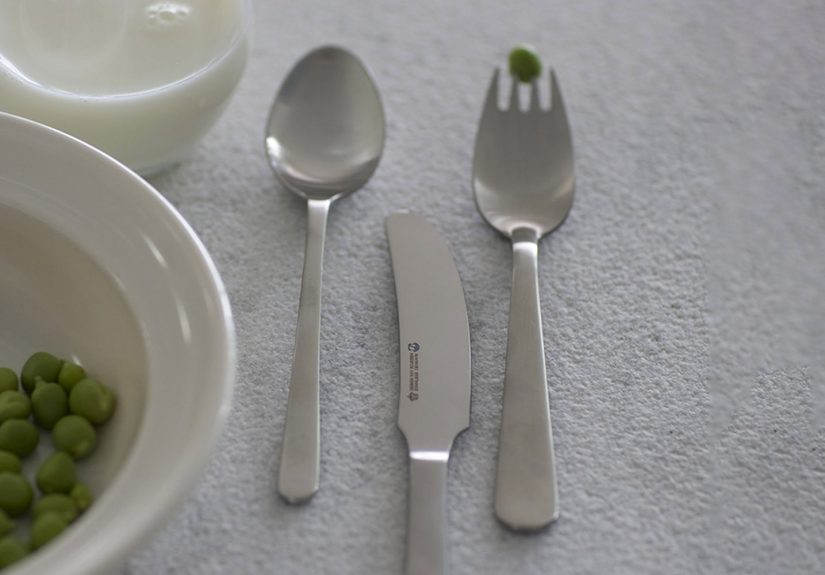
Shape matters, too. A child’s fork should have rounded or softened tines. A spoon should be shallow enough that a child can get food off it without feeling like they are excavating mashed potatoes from a cave. A starter knife should be blunt or gently serrated, depending on the child’s age and skill level, and always used with supervision.
How to Choose Children’s Flatware Without Losing Your Mind
1. Pick the Right Size
Look for utensils designed for toddlers, preschoolers, or children rather than simply buying the smallest adult spoon in the drawer. Toddler utensils often have short, chunky handles for early grip practice. Older children may prefer slim stainless steel handles that feel more like “grown-up” flatware.
2. Favor Rounded Edges
Rounded fork tines, smooth spoon bowls, and non-sharp knife edges are essential. Children are still learning hand control, and dinner is not the place to test ninja reflexes. Smooth finishing also makes flatware more comfortable in the mouth.
3. Check the Material
Food-grade stainless steel is a dependable choice for everyday children’s flatware. It resists staining, handles frequent washing, and usually lasts through multiple siblings. If a set includes silicone or plastic handles, look for BPA-free and phthalate-free claims from reputable brands.
4. Think About Cleaning
Dishwasher-safe children’s flatware is a gift to your future self. Tiny forks have a special talent for disappearing under high-chair cushions and returning covered in banana glue. Easy cleaning matters.
5. Match the Set to Your Routine
For home dining, a three-piece set with fork, spoon, and knife may be ideal. For daycare or school lunches, a fork-and-spoon set with a case may be more practical. For families with several young kids, multi-piece sets can reduce the constant “Where is the small spoon?” mystery.
10 Easy Pieces: Children’s Flatware Picks
1. David Mellor / Heath Kids Flatware Set
The David Mellor kids flatware set, available through Heath Ceramics, is the design lover’s choice. It is ergonomically made for children ages 2 to 10 and has bright, color-coded handles that make each piece easy to recognize. The set feels special without being silly, which is helpful if you want children’s flatware that can sit comfortably next to adult dinnerware.
This is a great pick for families who appreciate classic design and want a set that feels more like a keepsake than a temporary toddler tool. The wide fork is useful for scooping, the spoon is practical for everyday foods, and the knife is gently rounded. It is not the cheapest option, but it has the kind of thoughtful proportions that make you understand why good design costs more than a bag of mystery spoons.
2. IKEA FABLER 3-Piece Flatware Set
IKEA’s FABLER set is a practical, budget-friendly children’s flatware option. It includes a fork, knife, and spoon made from stainless steel, with whimsical handle details that feel playful but not overdone. The pieces are dishwasher-safe and sized for small hands, making them a strong everyday choice for preschoolers and early elementary-age children.
The FABLER set is especially useful if you want children to feel included at the family table. It looks like real cutlery, not a toy, but the scale is friendlier. For parents, the appeal is simple: it is easy to clean, easy to replace, and not so precious that you will panic if a spoon accidentally travels to school in a lunchbox and begins a new life elsewhere.
3. ZWILLING Children’s Flatware
ZWILLING’s children’s flatware brings adult-level construction into kid-sized pieces. The brand emphasizes comfort for little hands and pieces that allow children to cut, scoop, and spear food more safely. Many families like this category of flatware because it bridges the gap between toddler training utensils and full-size adult silverware.
This option works well for children who have outgrown chunky baby utensils but still need shorter, lighter pieces. It also makes a polished gift for birthdays, holidays, or a child’s “big kid table” milestone. If you are building a long-lasting flatware drawer instead of buying short-term feeding accessories, ZWILLING belongs on the shortlist.
4. Ahimsa Stainless Steel Kids Utensils
Ahimsa focuses on stainless steel children’s dishes and utensils, with an emphasis on non-toxic materials and long-term use. Its kids’ utensils are made from food-grade stainless steel and are designed for families who want to move away from plastic. Some sets also come in colorful finishes, which can make mealtime feel cheerful without relying on cartoon characters that your child may abandon by next Tuesday.
Ahimsa is a smart choice for parents who care deeply about material transparency. The utensils feel more substantial than many disposable or lightweight options, and the stainless steel construction is meant to handle daily meals. If your family is trying to simplify the kitchen with durable, reusable, low-plastic products, this is one of the more thoughtful routes.
5. BÉABA Stainless Steel Pre-Cutlery Spoon and Fork
BÉABA’s stainless steel pre-cutlery set is designed for young children who are learning to eat independently. The spoon and fork have short, rounded handles that support a secure grip, and the symmetrical design works for both right-handed and left-handed children. That last detail is small but important because toddlers do not always announce their dominant hand before grabbing oatmeal with fierce commitment.
This set is ideal for early self-feeding. The spoon is shallow to help prevent overloaded bites, while the fork has rounded tines for safer practice. It is a strong pick for families introducing utensils after finger foods and baby spoons, especially when a child wants more control at the table.
6. Pottery Barn Kids Utensils and Carrying Case
For meals on the go, Pottery Barn Kids offers utensil sets with a carrying case. These typically include a stainless steel fork and spoon plus a case that fits easily into lunch bags. The case is the hero here because loose forks in backpacks have a way of finding library books, permission slips, and exactly the one place you do not want yogurt residue.
This is a practical choice for daycare, preschool, travel, picnics, and packed lunches. The stainless steel pieces are easy to clean, while the case helps keep utensils separate from food containers and backpack clutter. Families who are trying to reduce single-use plastic utensils will appreciate having a reusable set ready to go.
7. BergHOFF 3-Piece Children’s Flatware Set
BergHOFF children’s flatware sets often feature stainless steel construction and a three-piece format that includes a knife, fork, and spoon. These sets are a good middle ground for families who want something sturdier than toddler plastic but not as expensive as designer flatware.
The appeal is versatility. A three-piece stainless steel set can work for breakfast, dinner, and the all-important snack plate that somehow counts as a full meal when presented on a dinosaur plate. It is also a nice option for gift registries because it feels useful without being boring.
8. WeeSprout Toddler Utensils
WeeSprout toddler utensils are often sold as fork-and-spoon sets with stainless steel heads and easy-grip handles. They are aimed at younger children who are still developing hand strength and coordination. The handles tend to be thicker than traditional flatware, which can help little hands hold steady while scooping, stabbing, and proudly missing the bowl by two inches.
This type of set is helpful during the transition from baby spoons to more independent toddler feeding. It gives children a tool that feels manageable, while still introducing the sensation and function of metal utensil heads. For parents, multi-piece packs are convenient because one fork can be in the dishwasher, one can be in the lunchbox, and one can be wherever toddlers hide treasure.
9. Rainbow Stainless Steel Kids Cutlery Sets
Rainbow stainless steel kids cutlery sets are popular because they combine durability with visual excitement. Many include multiple forks, spoons, and knives, making them useful for families with more than one child or for parents who do not want to wash the same spoon after every yogurt cup.
When shopping rainbow flatware, check the finish, material grade, and care instructions. A fun color is wonderful, but smooth edges, dishwasher safety, and child-appropriate sizing matter more. These sets can be especially appealing for picky eaters who respond to color and novelty. Sometimes the purple fork does not make broccoli delicious, but it at least gets broccoli a meeting.
10. Simple Stainless Steel Multi-Packs
Basic stainless steel children’s cutlery multi-packs are the workhorses of the category. They may not win design awards, but they solve a real family problem: you need enough small utensils to survive breakfast, lunch, dinner, snacks, lunchboxes, playdates, and the occasional spoon that disappears into the backyard sandbox.
Look for sets with rounded fork tines, non-serrated or gently rounded knives, and smooth spoon bowls. These multi-packs are especially useful for preschools, grandparents’ houses, and families who prefer a practical drawer full of matching kids’ utensils. When the goal is everyday function, simple stainless steel can be exactly right.
Children’s Flatware by Age and Stage
Babies Starting Solids
Babies beginning solids usually do best with soft-tipped spoons or small pre-loaded utensils. At this stage, the goal is exploration, not table manners. Expect food in hair. Expect food on the floor. Expect one magnificent moment when the spoon makes it to the mouth and everyone applauds like it is a moon landing.
Toddlers Learning Control
Toddlers benefit from short handles, rounded shapes, and lightweight utensils. Forks should be safe but functional enough to pick up soft foods like banana slices, pasta, scrambled eggs, and steamed vegetables. Spoons should work well with thick foods such as oatmeal, yogurt, mashed potatoes, and applesauce.
Preschoolers Building Independence
Preschoolers often want utensils that look more grown-up. This is a great time to introduce stainless steel flatware with child-sized proportions. A small knife can be used to spread soft butter, cut pancakes, or divide tender foods under supervision.
Older Children Ready for Real Table Settings
By early elementary school, many children can use smaller adult teaspoons, dessert forks, or dedicated children’s stainless steel sets. The best choice depends on the child’s comfort, coordination, and how dramatic your dinner table becomes when someone receives the “wrong” spoon.
Material Guide: Stainless Steel, Silicone, Bamboo, and Plastic
Stainless steel is durable, hygienic, and often dishwasher-safe. It is the best long-term choice for most children once they can handle firmer utensils comfortably.
Silicone is soft and gentle for babies, but it can sometimes retain odors, soap flavors, or oily residue over time. It is useful for early feeding but may not be the final stop.
Bamboo feels warm and natural, but it may require handwashing and careful drying. Parents should check whether bamboo products include binders or coatings and follow the manufacturer’s care instructions.
Plastic is lightweight and colorful, but it can scratch, stain, warp, or wear out. If choosing plastic-handled utensils, look for BPA-free and phthalate-free claims from trusted brands, and replace damaged pieces.
Safety Tips for Using Children’s Flatware
Children’s flatware should always be used with age-appropriate foods and supervision. Even the safest spoon cannot fix a whole grape, a hard candy, or a toddler trying to eat while sprinting through the living room. Encourage children to sit while eating, cut foods into safe sizes, and model calm utensil use.
Inspect utensils regularly. Replace pieces with rough edges, cracks, peeling coatings, loose handles, or signs of rust. If a utensil has decorative pieces attached, make sure nothing can break off and become a choking hazard. For travel sets, clean the case as carefully as the utensils; lunchbox cases can become tiny museums of yesterday’s hummus.
How to Teach Kids to Use Flatware
Start with one utensil at a time. A spoon is usually easier than a fork because it does not require spearing. Offer thick foods that cling to the spoon, such as Greek yogurt, mashed sweet potato, oatmeal, or cottage cheese. Pre-load the spoon at first, then let the child guide it to their mouth.
When introducing a fork, begin with soft, easy-to-pierce foods like ripe fruit, pancakes, cooked pasta, soft vegetables, or tender meat pieces. You can spear the food first and let your child bring the fork to their mouth. Over time, let them try the spearing motion themselves.
Keep expectations realistic. Learning to use children’s flatware is a motor skill, not a manners exam. Some days will look elegant. Other days, the fork will be used as a tiny drumstick. Stay patient, keep portions small, and celebrate progress. Confidence at the table grows through repetition.
Styling a Kid-Friendly Table
Children’s flatware can make the table feel more welcoming. Pair stainless steel utensils with small plates, low cups, cloth napkins, and a stable placemat. Avoid overcrowding the place setting. A toddler does not need four forks unless you are hosting a tasting menu for stuffed animals.
Color can help. A bright handle or rainbow finish may encourage interest, while a simple stainless steel set can make a child feel grown-up. For siblings, assigning colors can reduce arguments. The blue fork belongs to one child, the green spoon belongs to another, and peace briefly returns to the kingdom.
Care and Maintenance
Most stainless steel children’s flatware can go in the dishwasher, but it is still wise to rinse off acidic foods, tomato sauce, and salty leftovers before washing. Dry pieces fully before storing to reduce water spots. If a set has colored finishes or special coatings, follow the care label to avoid fading or damage.
Store kids’ utensils in a low drawer or small countertop cup if your child is old enough to help set the table safely. This turns flatware into part of the routine. Children enjoy responsibility when it is scaled to their abilities, and handing out spoons is a perfect starter job.
Common Mistakes to Avoid
Do not buy utensils that are too big simply because your child will “grow into them.” Oversized flatware can make self-feeding frustrating. Also avoid novelty sets that are cute but awkward to hold. A spoon shaped like a rocket is fun until it cannot scoop soup.
Another mistake is owning too few pieces. If your child uses utensils at every meal, one set will quickly become annoying. Three to six sets or a multi-pack can make daily life easier. Finally, do not ignore the lunchbox factor. A portable set with a case can save money and reduce waste over time.
Extra Mealtime Experience: What Families Learn After Using Children’s Flatware Every Day
After you live with children’s flatware for a while, you start to notice details that never appear in product photos. The first lesson is that grip matters more than style during the early years. A beautifully polished fork is wonderful, but if it slips from a toddler’s hand every 12 seconds, it becomes a tiny silver frustration stick. Handles with a little thickness or contour can make the learning stage much easier.
The second lesson is that children love ownership. A special spoon can become part of a routine. One child may insist on the “big kid fork” for scrambled eggs. Another may decide that the rainbow spoon is the only acceptable tool for cereal. This can be mildly inconvenient, yes, but it can also encourage participation. When children care about their utensils, they are more likely to sit down, try feeding themselves, and help set the table.
Parents also learn that the best children’s flatware is not always the fanciest. Designer sets are beautiful and can last for years, but everyday multi-packs are lifesavers during busy weeks. There will be mornings when the dishwasher is full, the lunchbox is empty, and someone needs a clean fork immediately because waffles wait for no one. Having extra child-sized utensils keeps the day moving.
Another real-life discovery: shape changes what children are willing to eat. A fork that can actually pick up slippery pasta makes dinner less frustrating. A shallow spoon helps children manage soup, applesauce, and yogurt without wearing half the meal. A small blunt knife lets preschoolers practice spreading cream cheese or cutting soft pancakes, which builds confidence and fine motor skills. These little successes matter.
Flatware can also support calmer family meals. When children have tools that fit, they need less help. That does not mean dinner becomes peaceful overnight. Someone may still reject carrots because they are “too orange.” But the right utensil removes one obstacle. Instead of battling with an oversized spoon, a child can focus on the food, the conversation, and the proud feeling of doing something independently.
Cleaning habits become part of the experience, too. Stainless steel is often the easiest choice because it handles repeated washing and does not absorb smells easily. Silicone and plastic may be helpful at certain stages, but families who cook flavorful foods often appreciate utensils that do not keep yesterday’s garlic as a souvenir. A dishwasher-safe set is especially valuable when meals happen three times a day plus snacks, which is parent math for “constantly.”
The final lesson is that children’s flatware should fit the family, not the other way around. Minimalist households may prefer one elegant stainless steel set. Color-loving kids may eat better with bright handles. Travel-heavy families need cases. Budget-conscious parents may choose affordable multi-packs and never look back. The best children’s flatware is the set your child can use comfortably and the one you can maintain without sighing every time you open the utensil drawer.
Conclusion: Small Utensils, Big Mealtime Wins
Children’s flatware may be small, but it plays a big role in helping kids build confidence at the table. The right fork, spoon, and knife can make food easier to manage, reduce frustration, and encourage independence. From the design-forward David Mellor set to everyday stainless steel multi-packs, the best choice depends on your child’s age, your cleaning routine, and your family’s mealtime style.
For most households, the winning formula is simple: choose child-sized utensils with smooth edges, safe materials, comfortable handles, and easy cleaning. Add a few extras for lunchboxes and busy days. Then let your child practice, spill, scoop, spear, and learn. Dinner may still get messy, but at least the spoon will be the right size for the job.
Note: Always check current product details, manufacturer age guidance, and care instructions before buying children’s flatware. Supervise young children during meals and replace damaged utensils promptly.