Table of Contents >> Show >> Hide
- What Fall Pruning Really Means for Black-Eyed Susans
- Know Which Black-Eyed Susan You Have
- How to Prune Black-Eyed Susans in Fall for More Blooms
- The Best Fall Timing, Step by Step
- Common Mistakes That Reduce Blooms
- Aftercare for Better Blooms Next Year
- Will Pruning Really Keep Black-Eyed Susans Blooming Until Frost?
- Real-Life Fall Pruning Experiences and Lessons From the Garden
- Conclusion
Note: Timing varies a little by climate, species, and whether you want maximum rebloom, winter seed heads for birds, or a tidier fall garden.
Black-eyed Susans are the golden retrievers of the flower bed: cheerful, reliable, and always happy to show up. By late summer and early fall, they can turn a garden from “nice enough” into “wow, who invited all this sunshine?” But once the blooms start fading, many gardeners make the same mistake. They either ignore the plant completely or give it a dramatic haircut too early, as if they are auditioning for a yard makeover show. Neither approach is ideal.
If your goal is more blooms for as long as possible, especially until the first frost, fall pruning should be strategic rather than severe. In most cases, the best fall “pruning” for black-eyed Susans is really a mix of deadheading, light cleanup, thinning, and smart timing. Done right, it encourages continued flowering, keeps plants healthier, and still leaves you room to support pollinators and birds if that matters in your garden.
This guide breaks down exactly how to prune black-eyed Susans in fall, what to cut, what to leave, and how to avoid the common mistakes that can shorten bloom time or weaken next year’s growth.
What Fall Pruning Really Means for Black-Eyed Susans
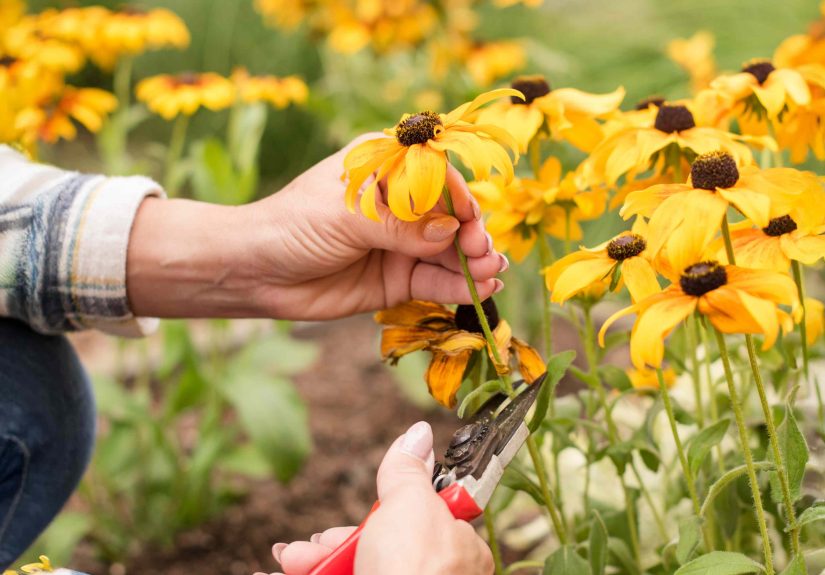
When people say “prune black-eyed Susans in fall,” they often picture cutting the whole plant down to a stub. That can be appropriate later, after the plant has fully declined for the season, but it is not the move that usually gets you more flowers before frost. If you want fresh buds and continued color, the real hero is deadheading, which means removing spent flowers before the plant pours its energy into making seed.
Think of it this way: once an old bloom starts setting seed, the plant assumes its job is basically done. It stops focusing on flower production and starts working on reproduction. By removing faded flowers, you redirect some of that energy toward new buds and a tidier, longer display. Not every bloom will be replaced with lightning speed, but regular cleanup often keeps the show going longer.
So the fall pruning formula is simple: deadhead for more blooms, thin for better airflow, remove damaged growth, and save the full cutback for after hard frost or even early spring. That balance gives you the best chance of stretching bloom season without cutting off your own gardening success at the knees.
Know Which Black-Eyed Susan You Have
Before you grab the pruners like a garden cowboy, it helps to know that “black-eyed Susan” can refer to more than one type of Rudbeckia. Some are short-lived perennials or biennials that reseed freely, while others are more dependable clump-forming perennials. This matters because your pruning choices affect whether you get self-sown seedlings next year.
Short-lived or reseeding types
Common black-eyed Susan, often sold as Rudbeckia hirta, tends to bloom generously, tolerate heat well, and sometimes act like a short-lived perennial or annual depending on conditions. If you deadhead every single flower, you may reduce self-seeding. That is wonderful if you like order. It is less wonderful if you enjoy free plants.
Perennial clump-formers
Perennial types such as Rudbeckia fulgida and cultivars like ‘Goldsturm’ or ‘American Gold Rush’ tend to return more reliably from the crown or rhizomes. Deadheading these can be especially useful when your main goal is prolonged bloom and a cleaner look.
Bottom line: if you want more flowers this fall, deadhead most of the spent blooms. If you also want winter bird food or volunteer seedlings, leave a handful of seed heads standing near the end of the season.
How to Prune Black-Eyed Susans in Fall for More Blooms
1. Start with deadheading, not scalping
As flowers fade, brown, droop, or go papery, remove them one by one. Do not just pinch off the petals and call it a day. Follow the flower stem downward and snip just above a healthy leaf, leaf pair, or side bud. This gives the stem a clean stopping point and helps the plant direct energy to active growth below the cut.
If a stem still has unopened buds or healthy side shoots, keep those intact. You are not trying to erase the plant. You are just taking away the parts that are done performing. Think of yourself as a stage manager, not an executioner.
2. Remove weak, broken, or diseased stems
Fall weather can bring mildew, storm damage, and a general end-of-season scruffiness. If any stems are bent, blackened, mushy, or heavily covered in powdery mildew, cut them back to healthy growth or down near the base if necessary. This improves airflow and reduces the amount of tired material hanging around the plant.
If disease is present, do not leave those clippings on the soil surface. Bag them or dispose of them away from the bed. A garden bed is not a group chat for plant diseases, so there is no need to keep spreading the news.
3. Thin crowded growth if the clump is dense
Overgrown black-eyed Susans can become crowded in the center, especially mature perennial clumps that have been in place for several years. If the plant looks packed tight, remove a few older stems at the base. This opens the clump to light and air, which helps reduce disease pressure and can improve the overall look of the plant.
Do not overdo it. You are thinning, not turning the plant into a picket fence. Taking out a few interior stems is usually enough.
4. Leave some late-season blooms or seed heads if you want wildlife value
There is a trade-off every gardener should know. Constant deadheading usually means longer bloom and less self-seeding. Leaving seed heads means less rebloom, but more winter interest, more bird food, and more chance of natural reseeding. Many gardeners split the difference by deadheading heavily through early and mid-fall, then leaving the final round of blooms and seed heads in place as frost approaches.
That compromise works beautifully. Your garden stays colorful longer, and local birds still get a snack bar later. Everybody wins, including you.
5. Wait on the major cutback
If the plant is still blooming or still has green, healthy foliage, do not cut the whole thing to the ground in early fall. That early hard cut rarely helps you get more flowers before frost. In fact, it often ends the display sooner. Save the full cutback for after the plant has died back from hard frost, or wait until late winter to early spring if you prefer to leave seed heads and standing stems for wildlife and winter texture.
The Best Fall Timing, Step by Step
Early fall
This is prime deadheading season. Remove spent blooms every few days or once a week, depending on how polished you want the planting to look. Lightly thin crowded growth and remove any diseased leaves or stems.
Mid-fall
Keep deadheading if the plants are still producing flowers. Stop feeding with high-nitrogen fertilizer, since that can encourage soft new growth you do not need heading into colder weather. Water during dry spells, especially if plants are still actively blooming.
Near first frost
Decide your endgame. If you want the neatest bed possible, you can clean up more aggressively once blooms are finished and foliage collapses. If you want birds, self-seeding, and winter interest, leave at least some stems and seed heads standing until spring.
After hard frost
Once the tops are fully killed back, you may cut perennial black-eyed Susans down to a few inches above the ground. In colder regions, a light mulch can help moderate winter temperature swings, but keep mulch from smothering the crown.
Common Mistakes That Reduce Blooms
Cutting too early
The biggest mistake is giving the plant a full chop while it still has blooming potential. If your black-eyed Susan is healthy and still pushing flowers, early severe pruning works against your goal.
Snipping only the flower head
Removing just the faded petals or top disk without taking the stem back to a leaf node leaves awkward stubs and does not guide regrowth as well. Clean cuts matter.
Ignoring overcrowding
Dense growth invites mildew and weak airflow. A little thinning can make a surprisingly big difference, especially in humid climates.
Overfertilizing in fall
Black-eyed Susans are not greedy plants. Too much fertilizer, especially late in the season, can lead to floppy or overly lush growth instead of better flowers.
Watering from overhead late in the day
Wet foliage plus cool evenings equals a welcome mat for disease. Water the soil, not the leaves, and do it early enough for surfaces to dry.
Aftercare for Better Blooms Next Year
Good fall pruning is only part of the story. If you want stronger performance next year, give the plant what it likes: full sun, well-drained soil, moderate moisture during establishment, and enough spacing for airflow. Black-eyed Susans are tough once established, but they still bloom best when they are not crowded, soggy, or stuck in too much shade.
If your perennial clump has been blooming less with each passing year, it may need division rather than just another trim. Mature clumps often benefit from division every few years. If the center is thinning out or flowering drops off, mark it on your calendar for early spring or after flowering, depending on your region and the specific type you grow.
Also remember that not all “mess” is bad. Standing stems and seed heads can shelter beneficial insects and feed birds over winter. A spotless bed may look tidy to us, but nature often prefers a little texture and leftovers.
Will Pruning Really Keep Black-Eyed Susans Blooming Until Frost?
Usually, yes, at least to a point. No pruning method can force a plant beyond its natural limits, but regular deadheading can often extend the display and improve the odds of fresh late-season flowers. Your results will depend on weather, variety, plant age, soil moisture, and frost timing.
In a mild autumn, deadheaded black-eyed Susans may keep throwing color surprisingly late. In an early cold snap, the show can end abruptly no matter how lovingly you wield the shears. Gardening keeps us humble that way. Still, if you compare a well-deadheaded clump with one left to set seed early, the maintained plant often looks fresher, fuller, and more enthusiastic right up to frost.
Real-Life Fall Pruning Experiences and Lessons From the Garden
One of the most common experiences gardeners share with black-eyed Susans is how easy it is to underestimate them. In midsummer they look effortless, almost too easy, so people forget they respond to maintenance. Then September arrives, some flowers fade, the stems lean, and the bed starts looking like it has been through a very emotional week. The first instinct is often to cut everything down hard. But gardeners who try that early usually realize the plant was not finished at all; it was simply between waves of bloom and badly in need of cleanup.
A much better experience usually comes from doing small rounds of pruning instead of one giant chop. Gardeners who spend even ten minutes every few days deadheading old blooms often notice the whole clump stays brighter and more orderly. The plant keeps producing new buds, and the remaining flowers stand out instead of getting buried in brown seed heads. It is one of those jobs that sounds fussy but actually feels satisfying, especially when the bed looks instantly better afterward.
Another common lesson comes from mildew. In humid gardens, black-eyed Susans can look fantastic from a distance but messy up close. Gardeners often report that removing a few crowded interior stems and watering the soil rather than the foliage helps more than they expected. The plant suddenly has breathing room. Air moves through the clump. Leaves dry faster. The whole planting looks less tired. It is not magic, but it is close enough for garden work.
Many gardeners also discover the wildlife trade-off firsthand. The year they deadhead every bloom, they get a tidier bed and often more late flowers, but fewer seed heads remain for birds and fewer volunteers show up next spring. The year they leave more seed heads, goldfinches and other seed-eating birds may visit more often, and the bed feels more alive in winter. That experience teaches a useful truth: garden maintenance is not just about plant health, but about priorities. Do you want a polished border, a wildlife-friendly patch, or a little of both? Black-eyed Susans let you choose.
There is also the experience of surprise success. Many gardeners expect late-season flowers to fade out fast, but a properly deadheaded planting in a sunny spot can stay showy far longer than expected. A few blooms keep opening. Pollinators still visit on warm afternoons. Then one morning, after the first real frost, the petals finally soften and the season calls time. It feels less like failure and more like a graceful finish.
Perhaps the best long-term lesson is that black-eyed Susans reward observation. Gardeners who pay attention to stem condition, flower fade, spacing, and local weather become much better at timing their cuts. After a season or two, they stop asking, “When do I prune?” and start asking smarter questions: “Is this flower done?” “Is this stem still healthy?” “Do I want more bloom here, or more seed heads later?” That shift makes all the difference. In other words, the best experience with fall pruning does not come from memorizing one rigid rule. It comes from learning how the plant talks and answering with the right snip at the right time.
Conclusion
If you want more blooms from black-eyed Susans in fall and the longest possible show until the first frost, do not rush into a full cutback. Focus first on deadheading spent flowers, thinning crowded stems, and removing any diseased growth. Keep the plant tidy and healthy while it is still actively flowering. Then, once hard frost ends the party, decide whether to cut it back for neatness or leave some seed heads for birds and winter interest.
That simple strategy gives you the best of both worlds: a longer bloom season now and a stronger, smarter garden later. Not bad for a plant that basically makes sunshine on sticks.
![18 Best Types of Charts and Graphs for Data Visualization [+ How to Choose]](https://corkopencoffee.org/wp-content/uploads/2026/05/18-best-types-of-charts-and-graphs-for-data-visualization-how-to-choose-qKM1PBYG-thumb.jpg)