Table of Contents >> Show >> Hide
- 1. Darvaza Gas Crater – Turkmenistan
- 2. Mount Erebus – Antarctica
- 3. The Gates of Hell – Turkmenistan
- 4. Devil’s Kettle Waterfall – Minnesota, USA
- 5. The Catacombs of Paris – France
- 6. Mount Vesuvius – Italy
- 7. The Black Forest – Germany
- 8. Hell Valley (Jigokudani) – Japan
- 9. Aokigahara Forest – Japan
- 10. La Cueva de las Manos – Argentina
Throughout history, tales of hell have captured the imagination, often painting it as a fiery pit or a dark, desolate place where the soul is eternally tormented. While these stories are rooted in religious and cultural lore, there are also actual places on Earth that have earned a reputation as “entrances to hell.” These locationswhether due to their terrifying features, volcanic activity, or eerie historyhave been immortalized in folklore and even scientific studies. In this article, we’ll explore 10 such places you can visit, each more unsettling than the last. Prepare yourself for a journey into the depths of hell on Earth.
1. Darvaza Gas Crater – Turkmenistan
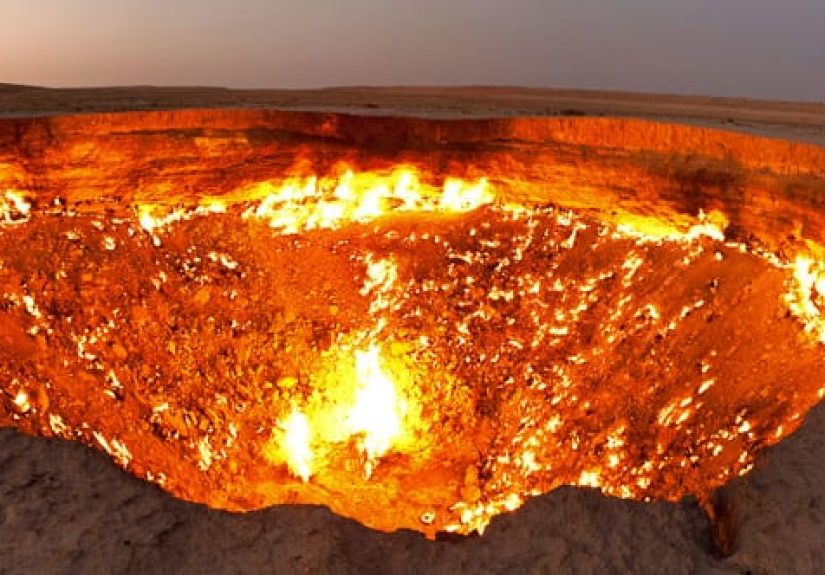
Known as the “Door to Hell,” the Darvaza Gas Crater in Turkmenistan is a fiery pit that has been burning for over 50 years. In 1971, Soviet scientists ignited the crater to prevent the spread of methane gas after a drilling rig collapsed into it. The crater, which measures about 230 feet in diameter, has been burning ever since, casting an eerie glow over the surrounding desert. This hellish scene is so mesmerizing that it draws tourists from around the world, making it a literal gateway to hell.
2. Mount Erebus – Antarctica
While Antarctica may seem like the last place you’d associate with hell, Mount Erebus, an active volcano, offers a fiery contrast to the icy landscape. Located on Ross Island, Mount Erebus is home to a continuous lava lake that is one of the most active in the world. Its constant eruption of gas and steam creates an ominous atmosphere, earning it a spot as one of the Earth’s most dangerous and hellish environments.
3. The Gates of Hell – Turkmenistan
Another location in Turkmenistan, this one is a cavern of fire and smoke. The Gates of Hell, a massive natural gas field, was accidentally ignited by Soviet scientists in 1971. The crater, with its orange glow and unrelenting flames, has become a popular yet eerie tourist attraction. It’s as close as most people can get to hell, and it continues to burn today, offering a surreal and apocalyptic sight.
4. Devil’s Kettle Waterfall – Minnesota, USA
The Devil’s Kettle Waterfall, located in Judge C. R. Magney State Park in Minnesota, is an oddly fascinating and eerie site. The waterfall splits into two, with one side cascading down normally, while the other side disappears into a mysterious hole known as the “Devil’s Kettle.” Despite years of investigation, no one has been able to trace where the water goes, leading to widespread myths about its connection to the underworld. Visitors often stand mesmerized, gazing at the mysterious hole that seems to lead nowhereand everywhere.
5. The Catacombs of Paris – France
Below the bustling streets of Paris lies a vast network of tunnels known as the Catacombs. Initially created to address overcrowded cemeteries in the late 18th century, the catacombs are now home to the remains of over six million people. Walking through these eerie corridors, you are surrounded by piles of skulls and bones, giving it an undeniable connection to the macabre. While not an “entrance” to hell in the traditional sense, its dark, labyrinthine passages evoke a feeling of descending into the afterlife.
6. Mount Vesuvius – Italy
Mount Vesuvius, the notorious volcano that destroyed the Roman cities of Pompeii and Herculaneum in 79 AD, continues to be an active and dangerous landmark. The fiery eruptions and the terrifying destructive power of Vesuvius have led to its association with hell throughout history. Today, tourists can visit the volcano, taking in its fiery landscape and learning about the catastrophic eruption that remains one of the deadliest in European history.
7. The Black Forest – Germany
The Black Forest (Schwarzwald) in Germany is shrouded in myths and legends, many of which involve dark spirits and creatures from folklore. The forest’s dense, fog-covered woods and its long, winding paths create a sense of foreboding, making it one of Europe’s most ominous locations. The forest is known for its creepy tales of witches and evil spirits, making it a place that feels just a little too close to the underworld.
8. Hell Valley (Jigokudani) – Japan
Jigokudani, or “Hell Valley,” is located in the Hakone region of Japan. This geothermal area is known for its boiling hot springs, steam vents, and sulfurous fumes. The valley’s hellish atmosphere has led to its name, and it’s a popular tourist destination for those seeking to experience the earth’s natural, fiery elements. Visitors can watch the bubbling, sizzling pools and even enjoy a steaming egg boiled in the natural hot springs, creating a visceral connection to hell’s scorching landscape.
9. Aokigahara Forest – Japan
Located at the base of Mount Fuji, Aokigahara Forest is often called the “Suicide Forest” due to its association with numerous suicides. This dense, quiet forest is eerily silent, and its thick canopy of trees creates a perpetual twilight. With its dark history and unsettling atmosphere, Aokigahara is seen as a place where souls might wander aimlessly, making it a chilling spot that many consider to be one of the entrances to hell.
10. La Cueva de las Manos – Argentina
While not an entrance to hell in the traditional sense, La Cueva de las Manos (Cave of Hands) in Argentina is often regarded as a site of ancient ritualistic significance. The cave features handprints on its walls, left by indigenous people thousands of years ago. The haunting, mysterious artwork and its location in a remote, desolate region lend the site an otherworldly aura, and it is often associated with spiritual practices that connect the living with the dead.
Conclusion
These 10 locations, with their fiery, eerie, and often deadly features, certainly evoke images of hell and the supernatural. Whether you’re drawn to the roaring fires of a volcanic crater, the dark passages of underground tunnels, or the ominous atmosphere of a cursed forest, these “entrances to hell” offer a tangible connection to the darker side of the world. While these places may be more symbolic than literal, they serve as chilling reminders of the earth’s power and the mysterious forces that exist just beneath the surface.
Additional Experiences: A Journey Into the Unknown
If you’re planning a visit to any of these eerie places, there are some things you’ll want to consider. Whether it’s the unrelenting heat of the Darvaza Gas Crater or the chilling silence of the Aokigahara Forest, these sites all come with their own unique experiences. While visiting these places can certainly be thrilling, it’s important to respect their cultural and environmental significance.
For example, the Darvaza Gas Crater is often best seen at night, when the flames illuminate the surrounding desert, creating a surreal, otherworldly experience. The area around Mount Erebus, while stark and beautiful, requires a strong sense of adventure, as the lava lake and its constant eruptions are not for the faint of heart. If you venture into the Catacombs of Paris, prepare for a truly haunting experience, where the line between history and the macabre becomes blurred as you navigate the narrow, bone-filled corridors.
Then there’s the Aokigahara Forest, where visitors report an unsettling quiet that contrasts sharply with the beauty of the surrounding scenery. Many who visit Aokigahara describe it as a place that is both peaceful and eerily foreboding. It’s a place that challenges your perceptions of life and death, making it a fitting destination for those interested in the mysteries of existence. Whether you’re a thrill-seeker or a history buff, the experiences offered by these “entrances to hell” are sure to leave a lasting impression.